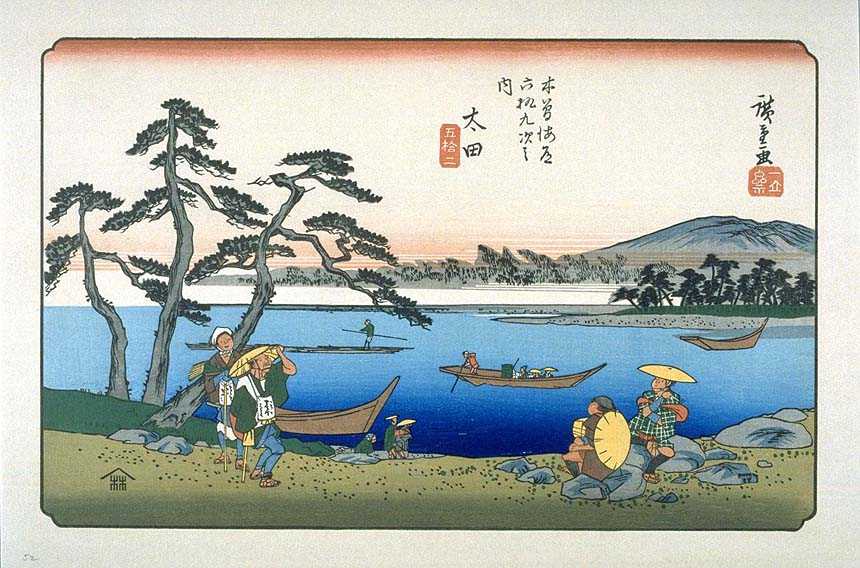
Day 6 of our Nakasendo journey takes us from Kano-juku, which is the only castle town on the Mino route, through the restored post town of Unuma to the riverside station of Ota, where Hiroshige once painted travellers waiting for the ferry across the mighty Kiso River.
As an Amazon Associate we earn from qualifying purchases.
Trip Overview
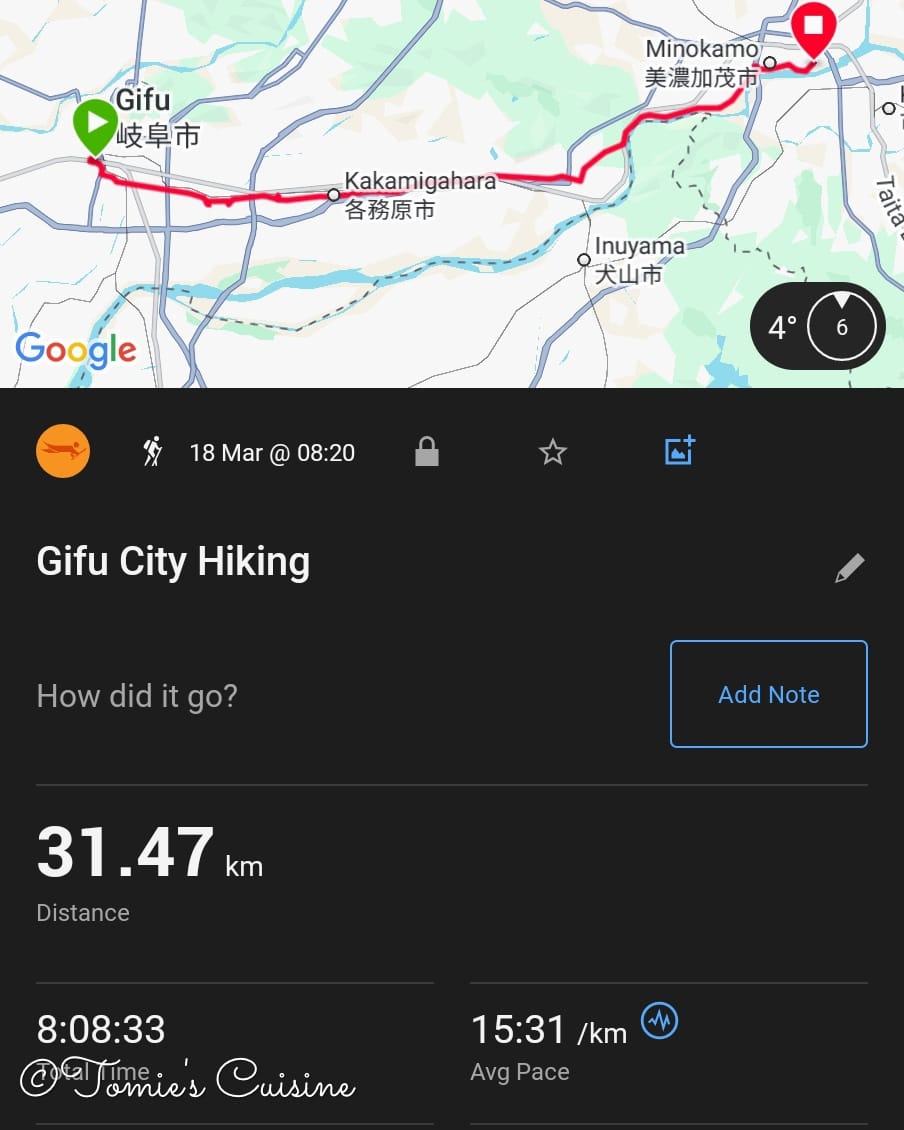
On day 6 of our Nakasendo walk, we covered around 32km from Kano to Ota, and,unlike yesterday, when it rained for part of the day, today was bright and sunny. Along the way, we encountered a charming local legend, a gruelling stretch of busy road, and a last-minute mountain pass dash were just some of the surprises waiting for us.
Description
Start
Comfort Inn Ogaki (returning to Akasaka by train to resume the trail)
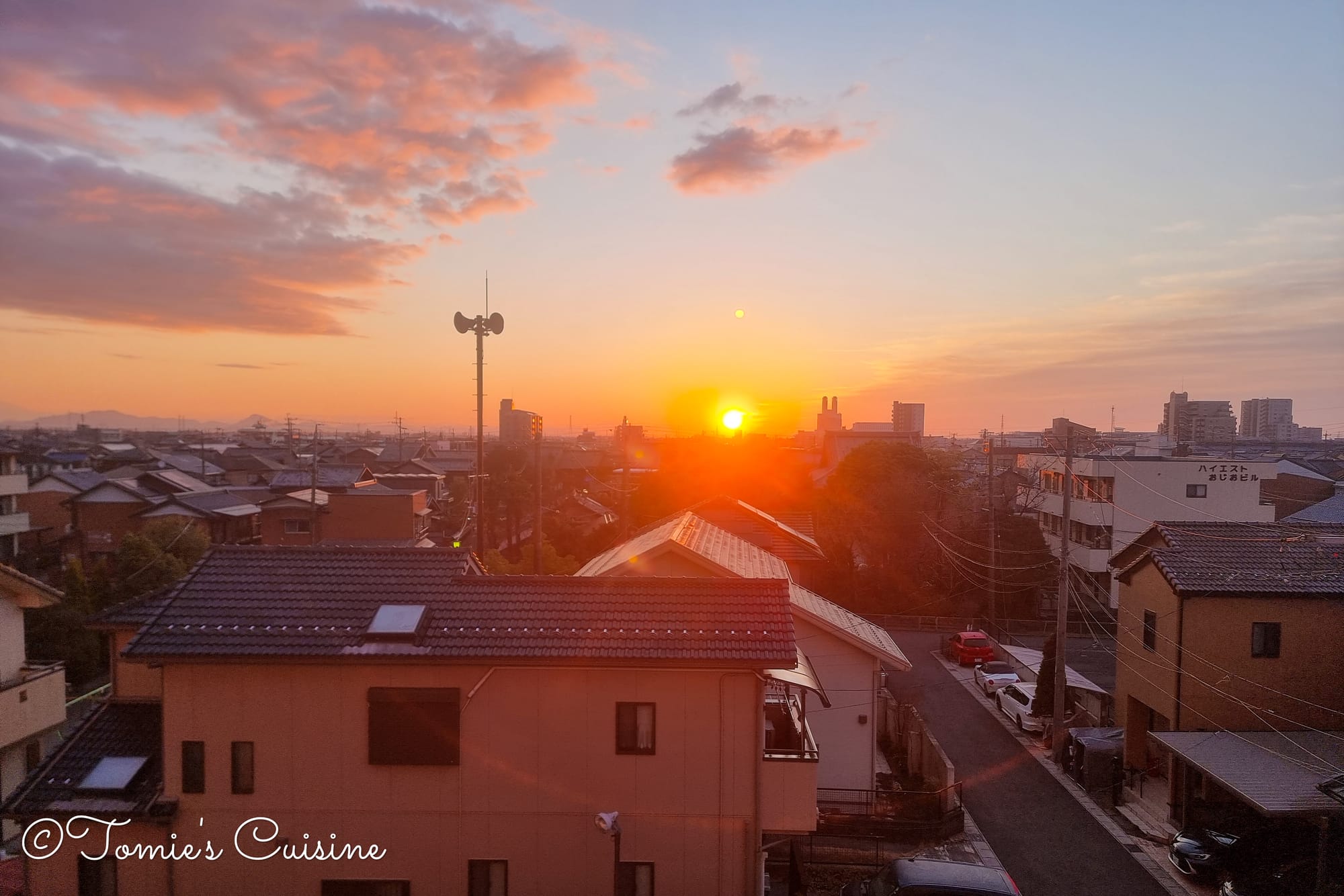
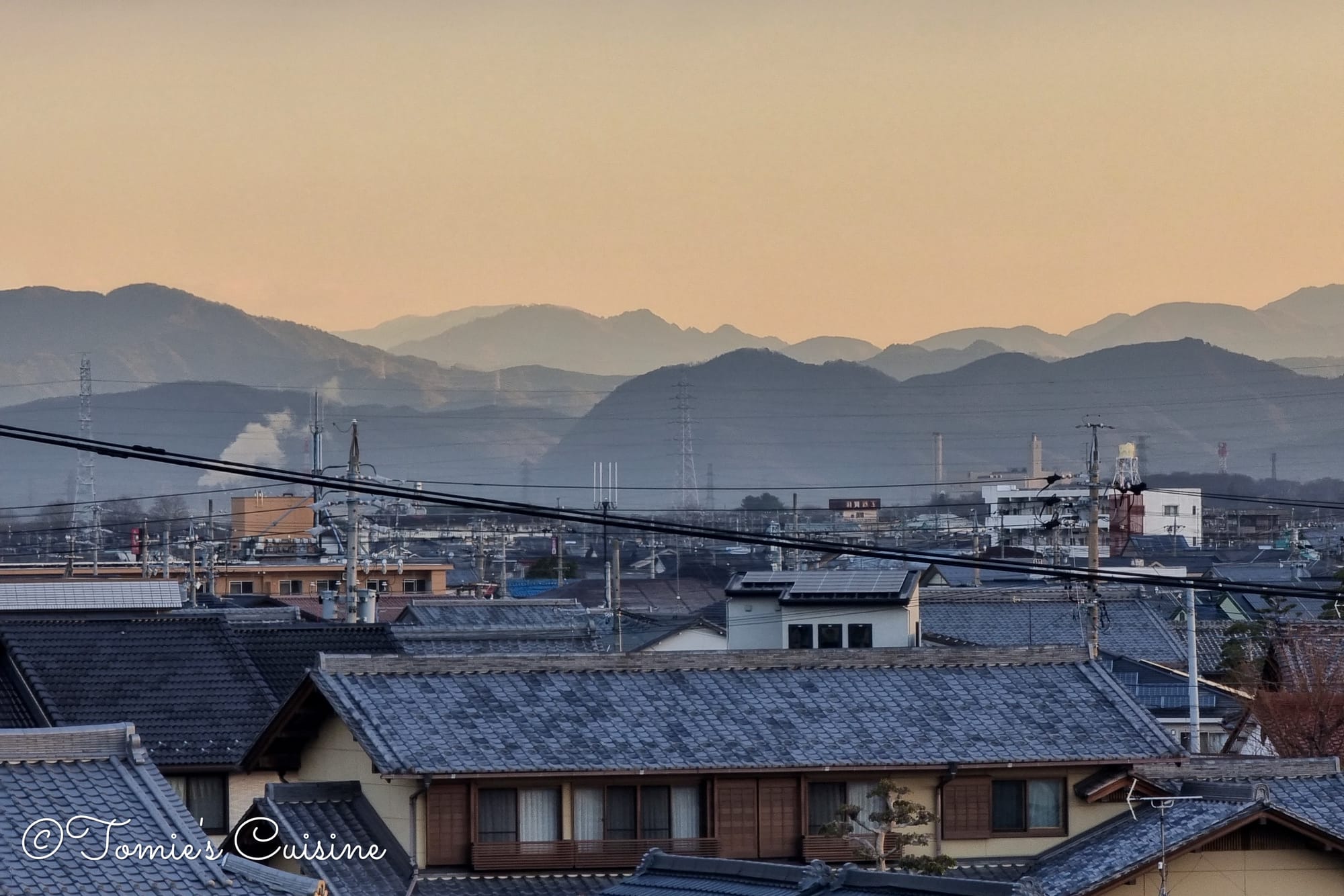
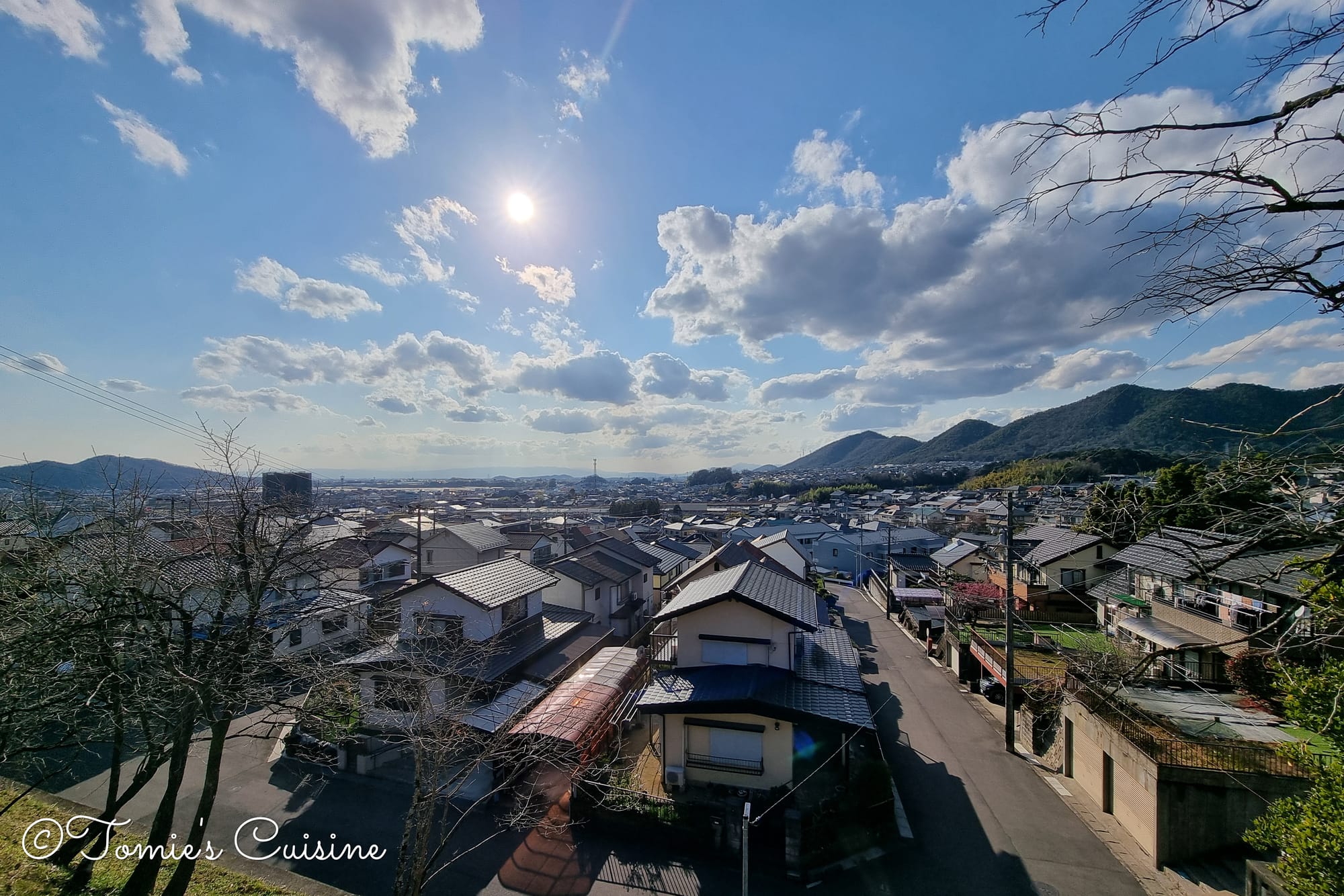
Good morning! Look at the beautiful sunrise and the view of the mountains from our hotel room at the Comfort Inn Ogaki.
On day five, we walked from Akasaka post town to Kono post town, then took a train from Gifu Station back to our hotel near Ogaki Station.
For breakfast, we enjoyed a traditional sweet called Ohagi, which is a ball of chewy glutinous rice wrapped in azuki red bean paste. We also had some fruit and a protein drink, all of which we purchased at the supermarket in the shopping centre near the hotel.
8:30 am Start from Kano Post Town and head to Unuma Post Town!
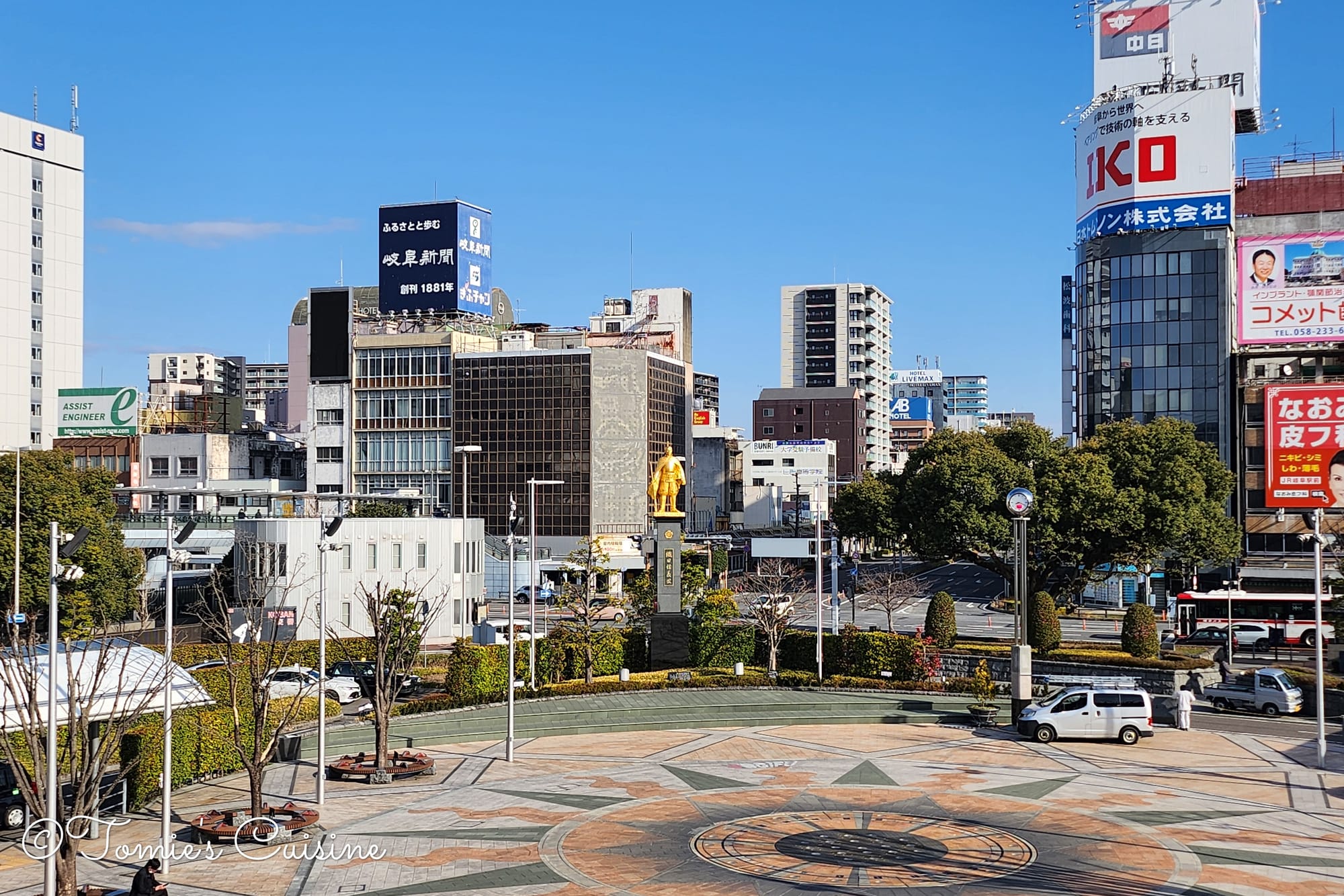
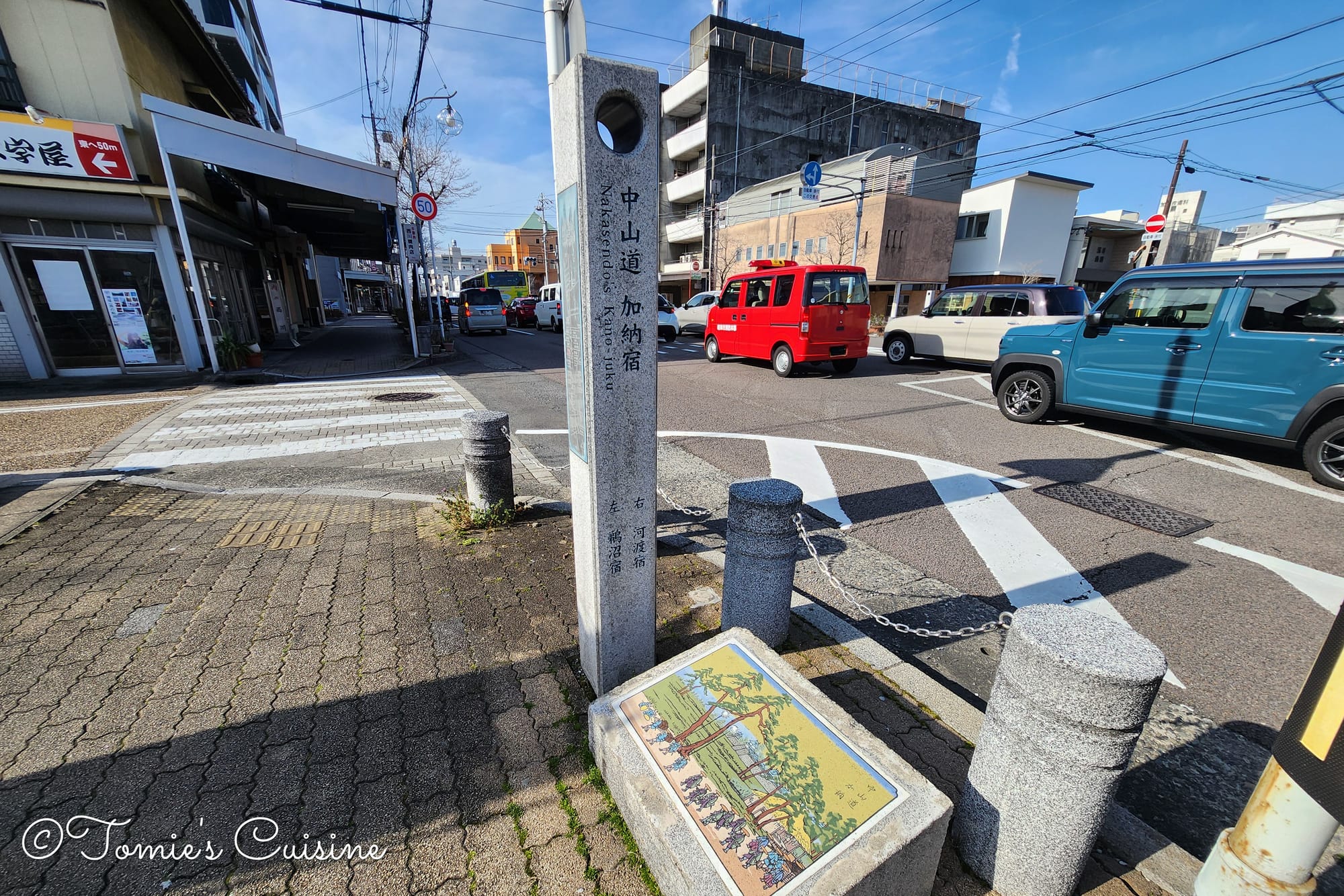
The square in front of the Gifu Station has a golden statue of Oda Nobunaga (left). Kano post town sign with the Ukiyo-e illustration (right).
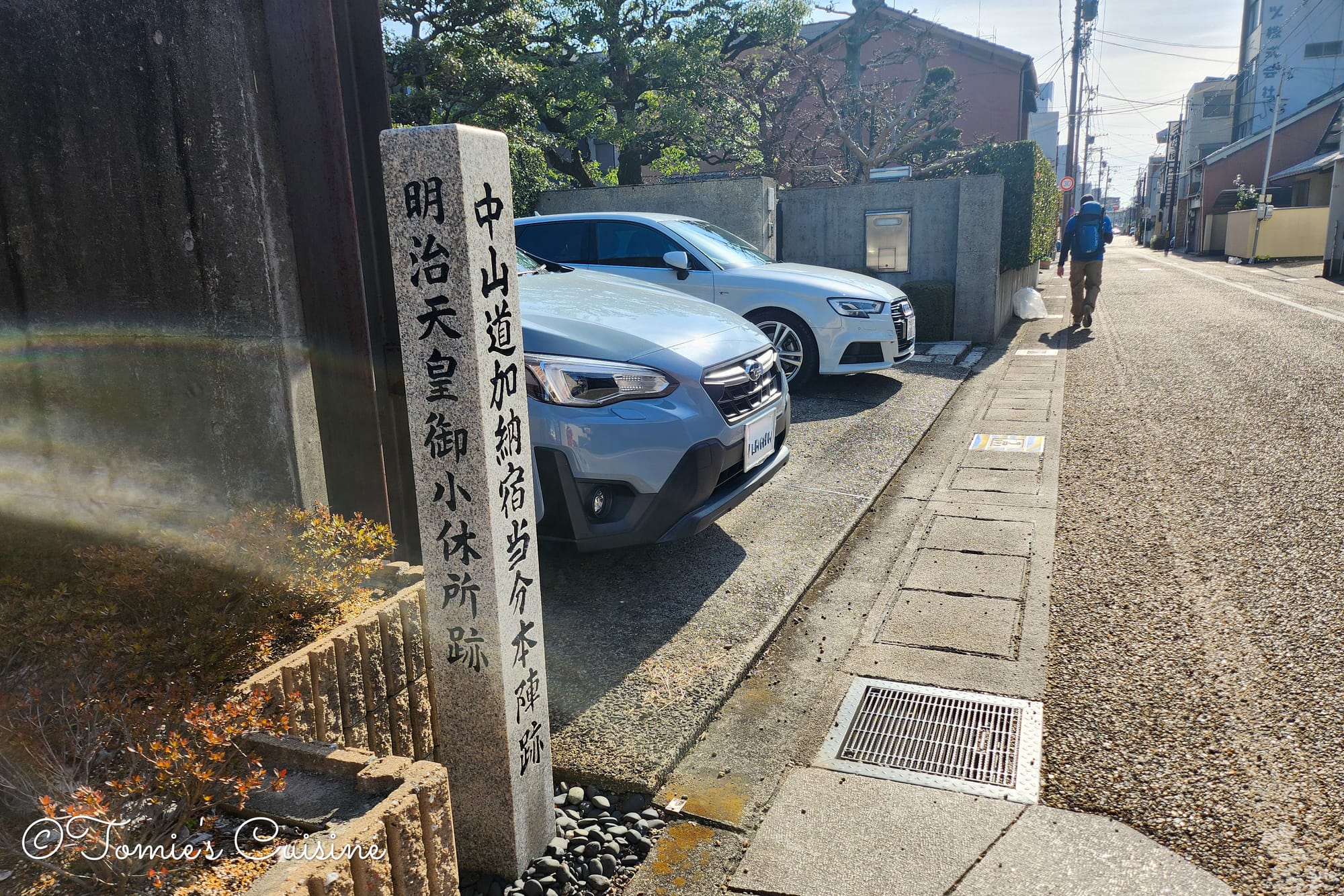
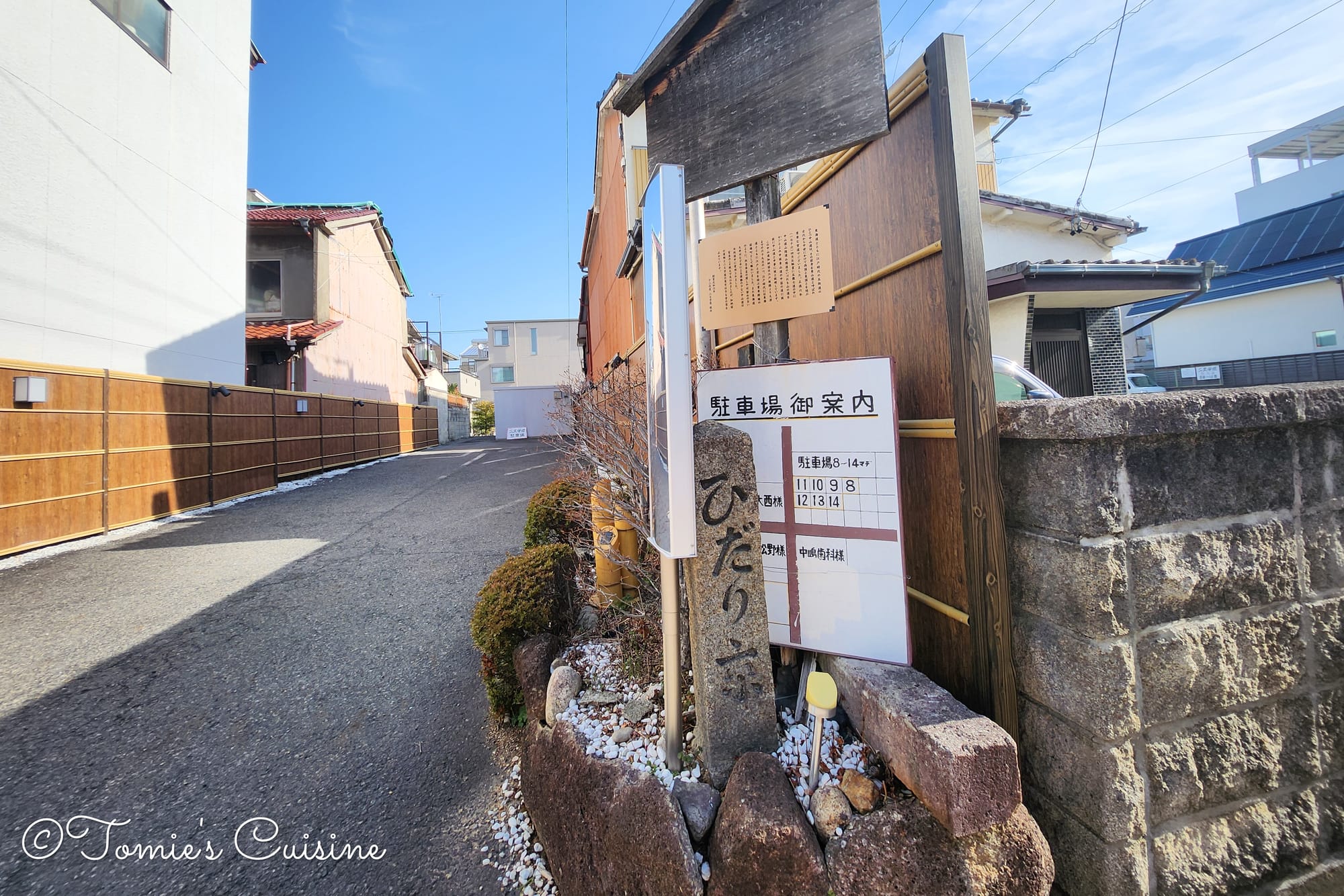
We are back at where we finished yesterday. Let’s go through the rest of Kano post town together.
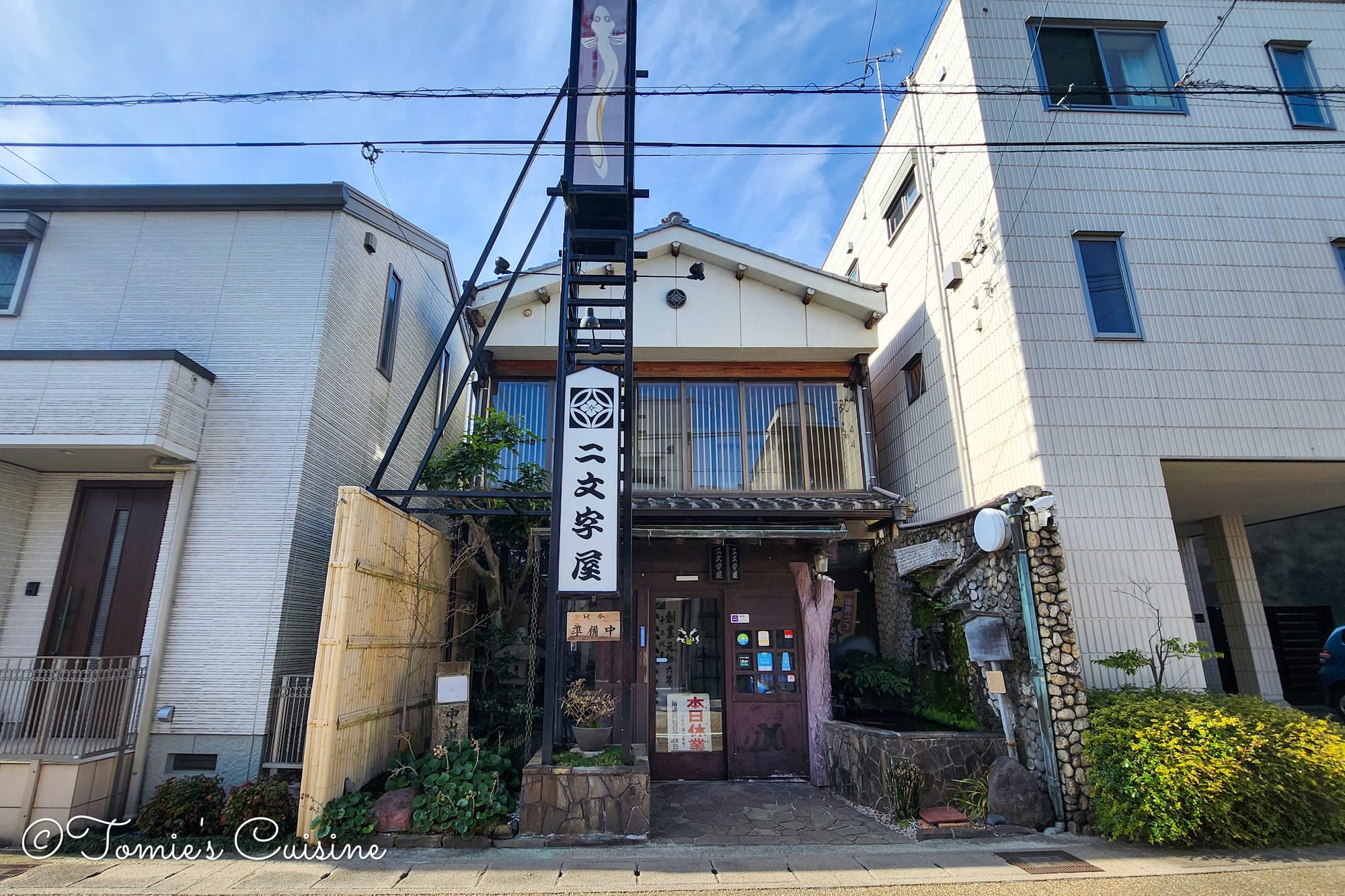
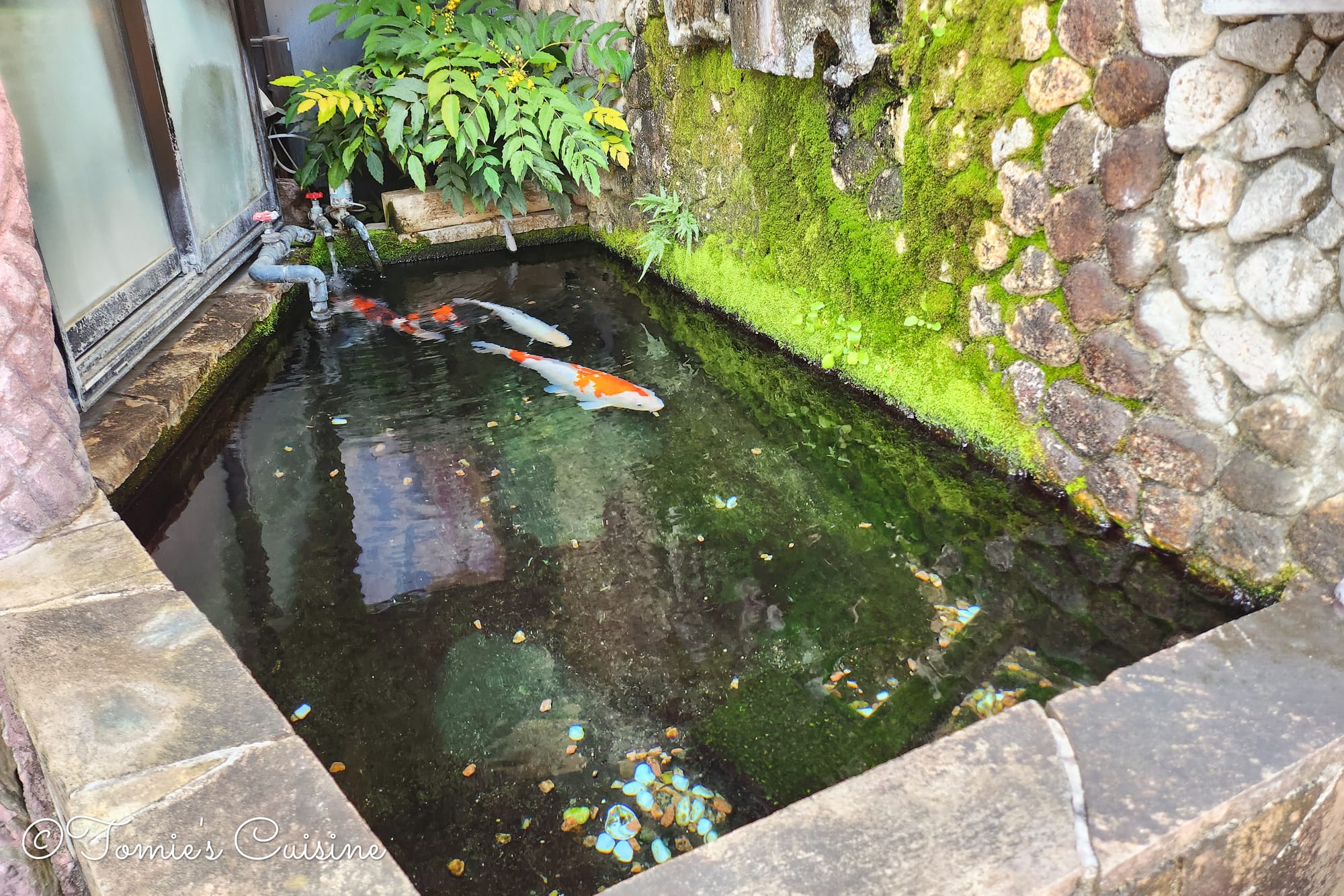
Nimonjiya and the water tank with Nishiki Koi carps.
After a short walk, we discovered a restaurant featuring a beautiful small water tank filled with nishiki koi carp. To our surprise, the restaurant has been in operation since 1620, boasting over 400 years of history!
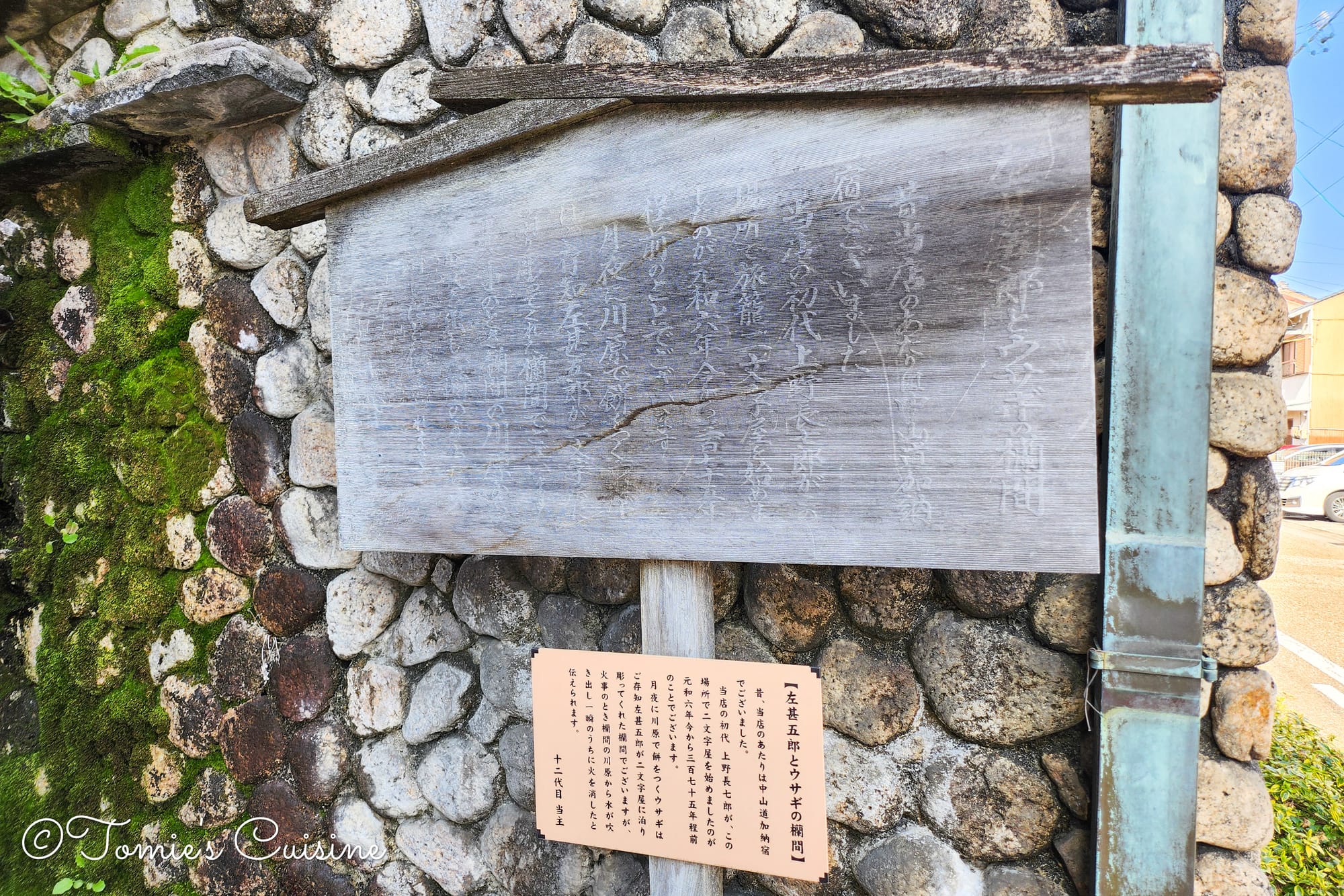
The legendary story about this restaurant (left) and the Nakasendo sign and explanation board across the street (right).
There are several historical explanation boards and signs displayed in front of the restaurant. We would love to return to experience the food there!
Get our bundle containing the 19 GPX tracks covering the complete Nakasendo trail between Kyoto and Tokyo, as we walked it in early Spring 2025, plus our PDF guide you can take with you on the road.
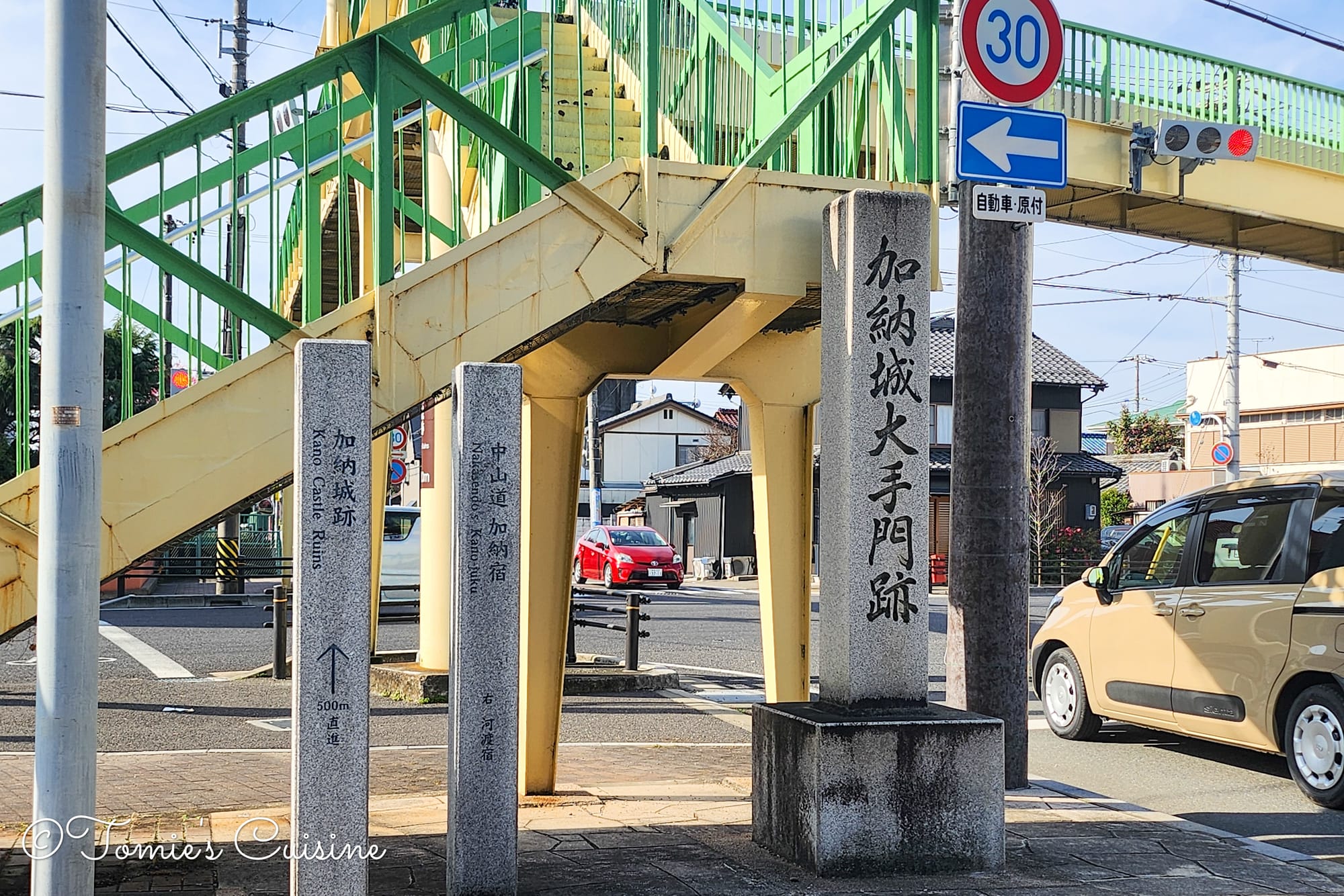
Here is the sign for the Kano Castle main gate ruin. It’s in the middle of traffic. If you go down the road for 500m, you can reach the Kano Castle ruin.
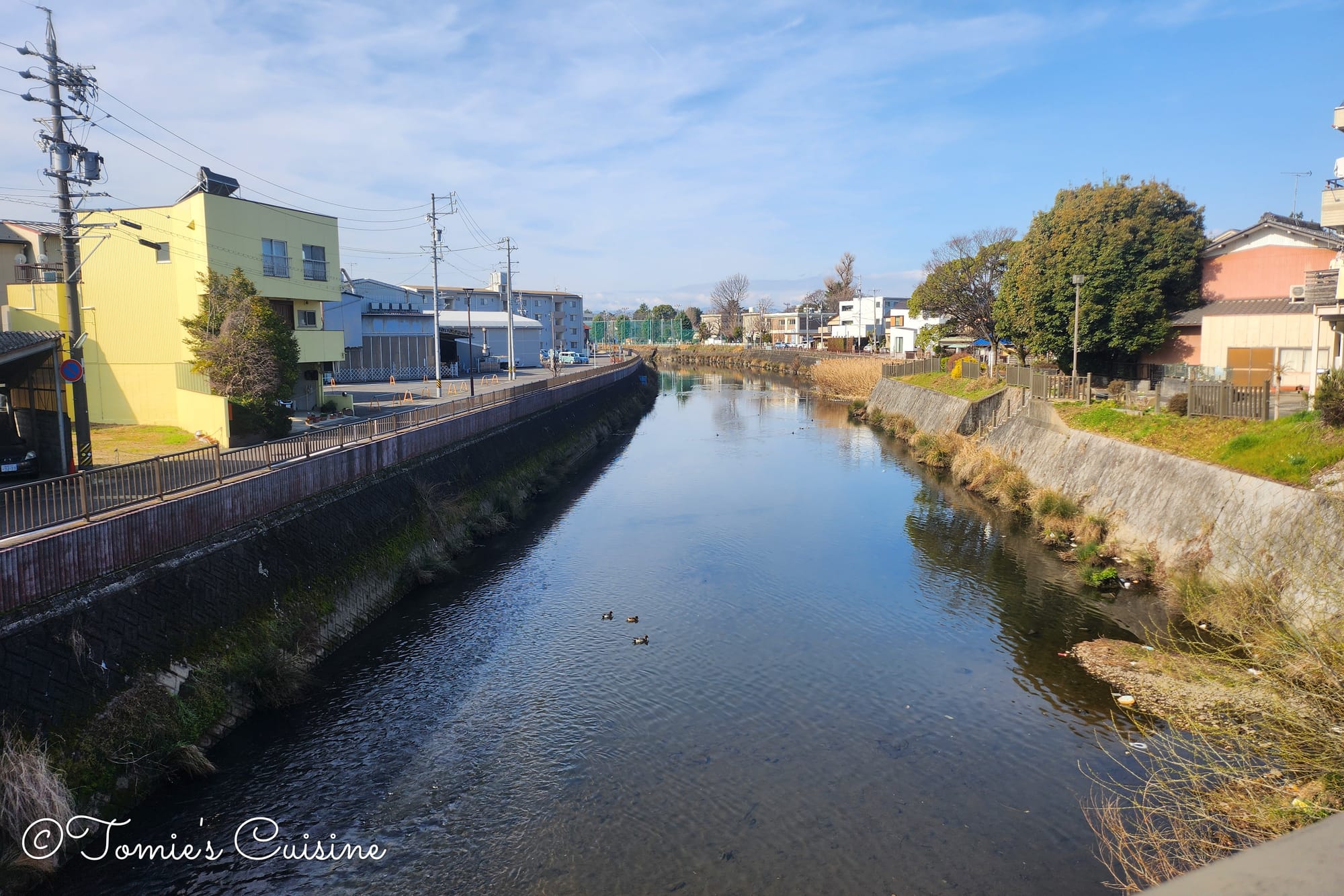
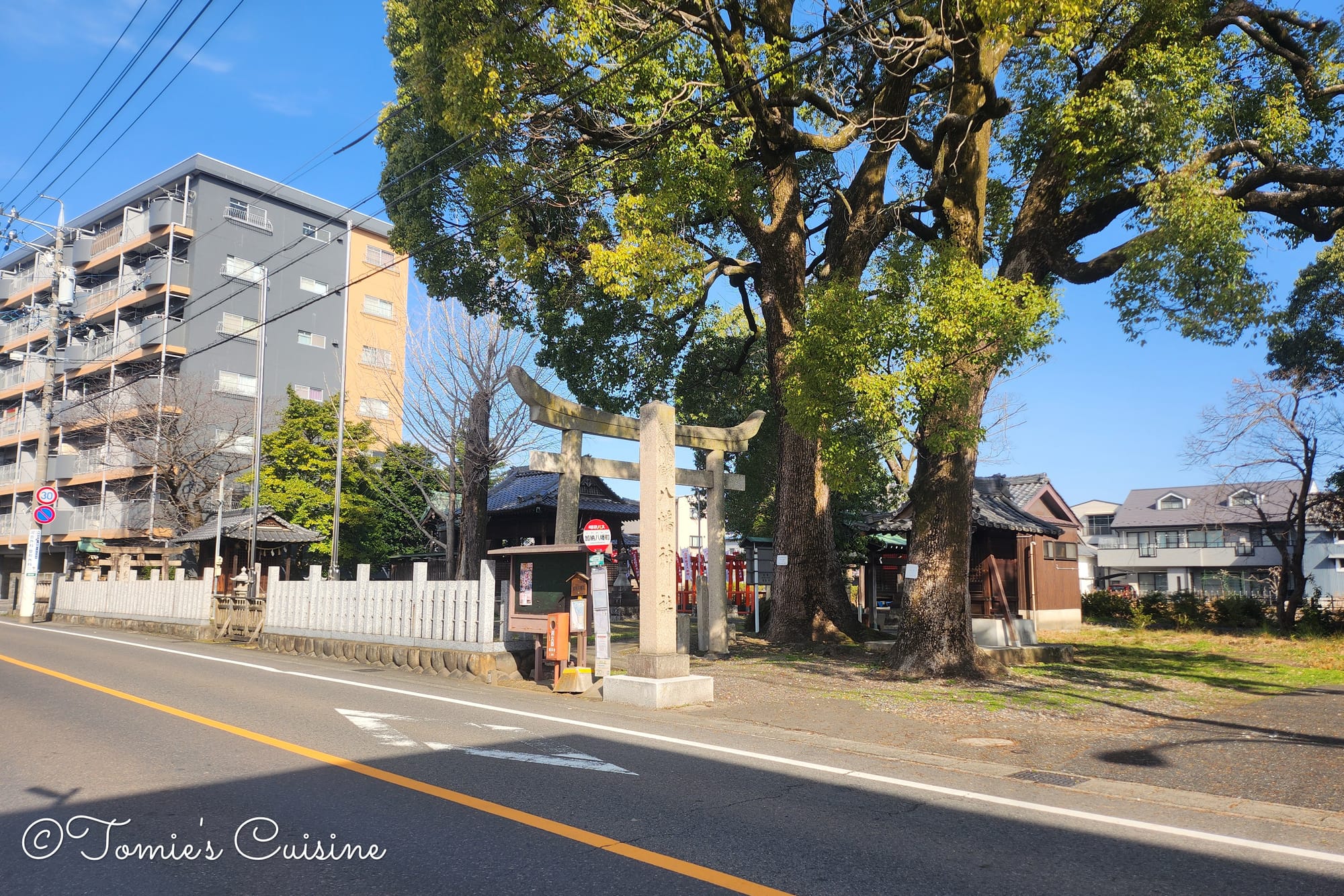
Crossing the Shinarada RiverKano Hachiman Shrine (加納八幡)
Crossing the railway by the Chadokoro station (Kano post town ends here)
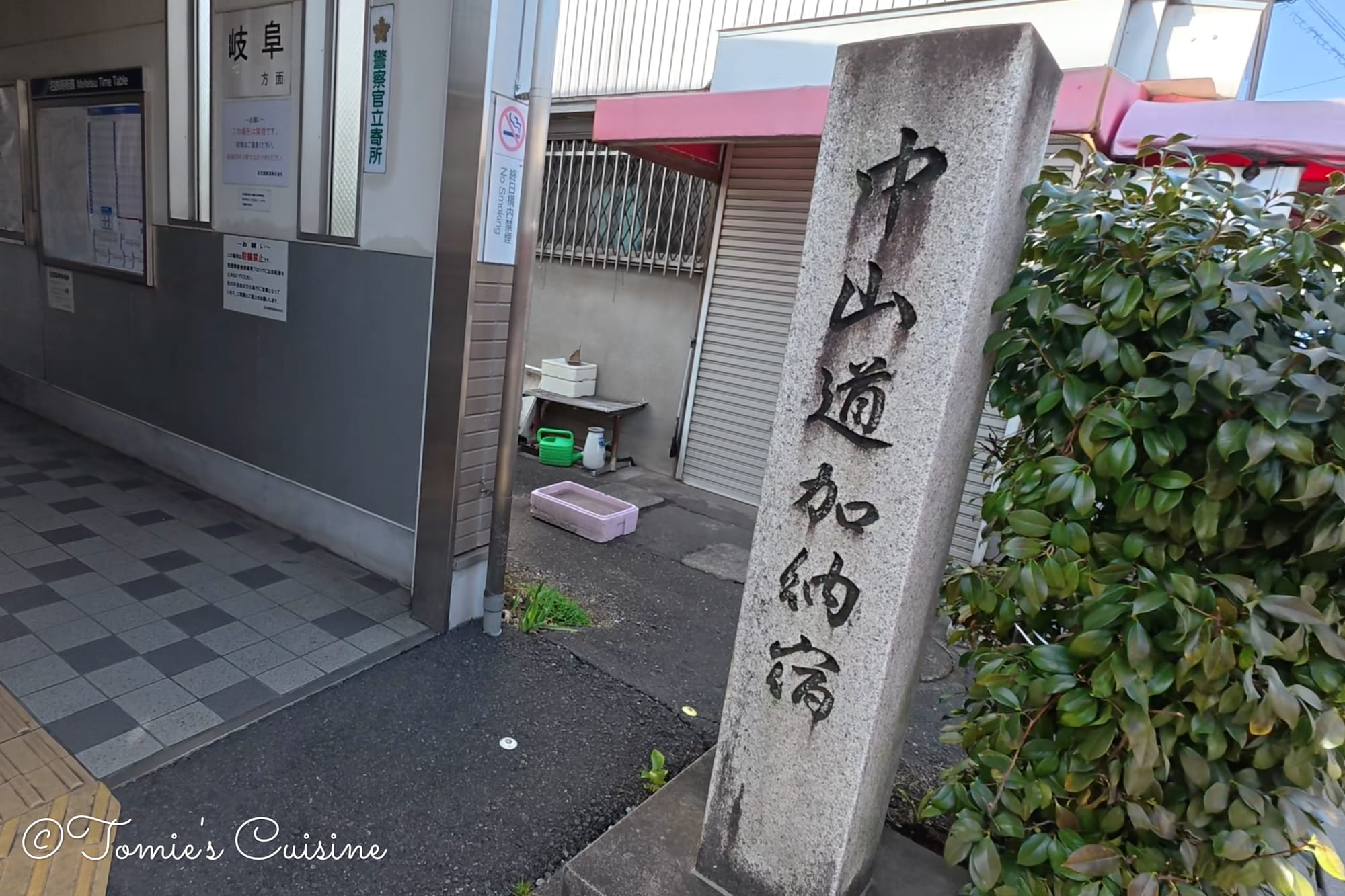
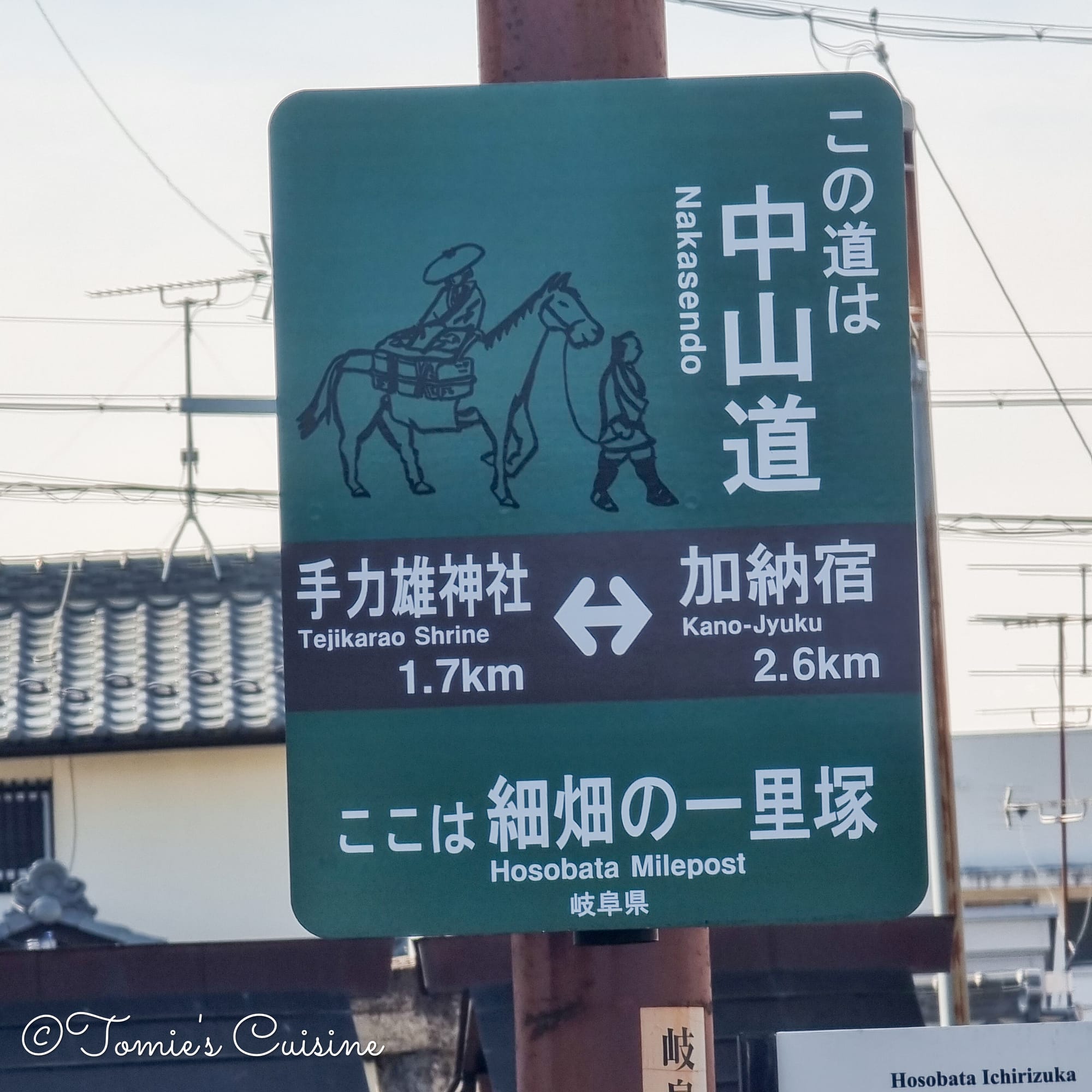
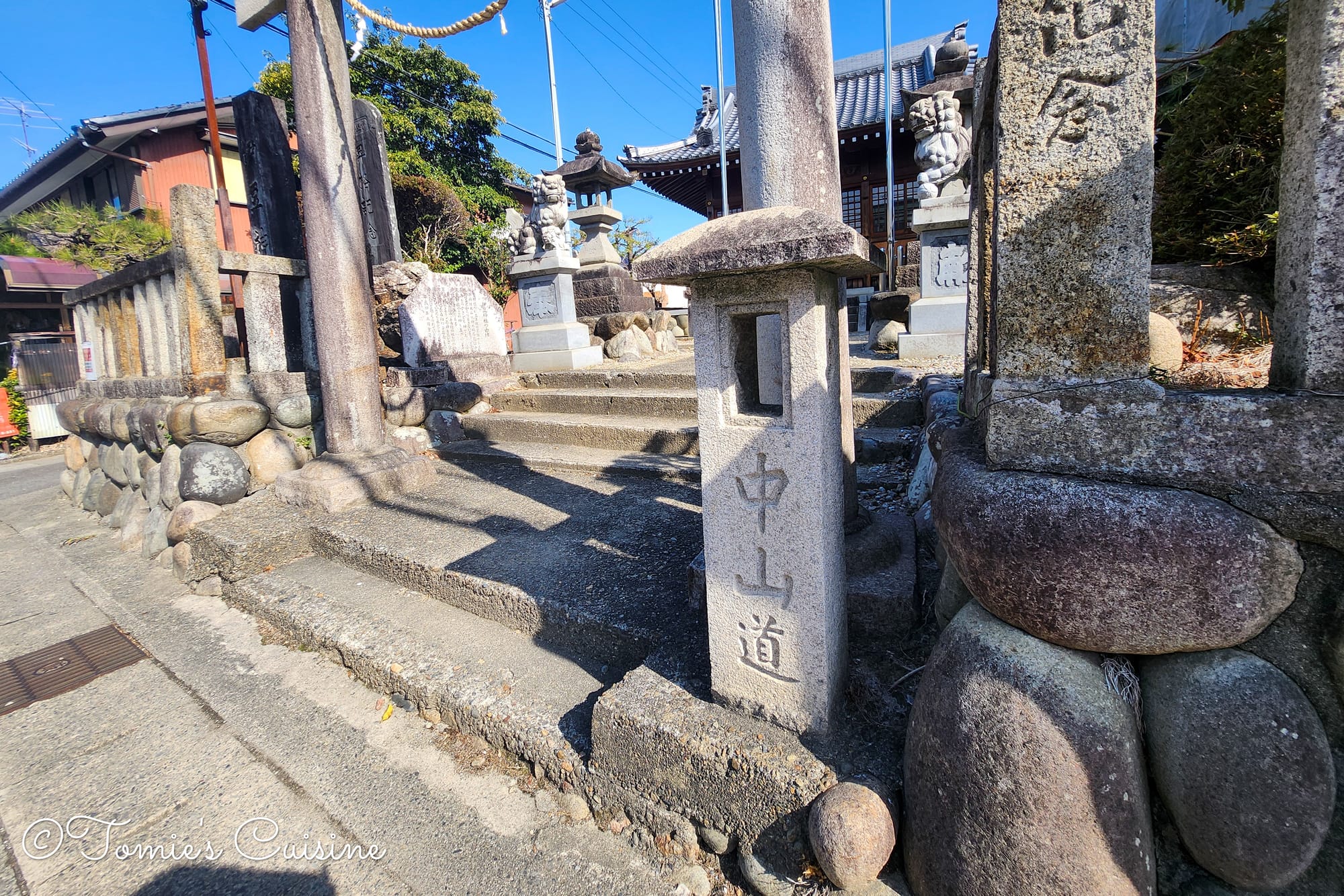
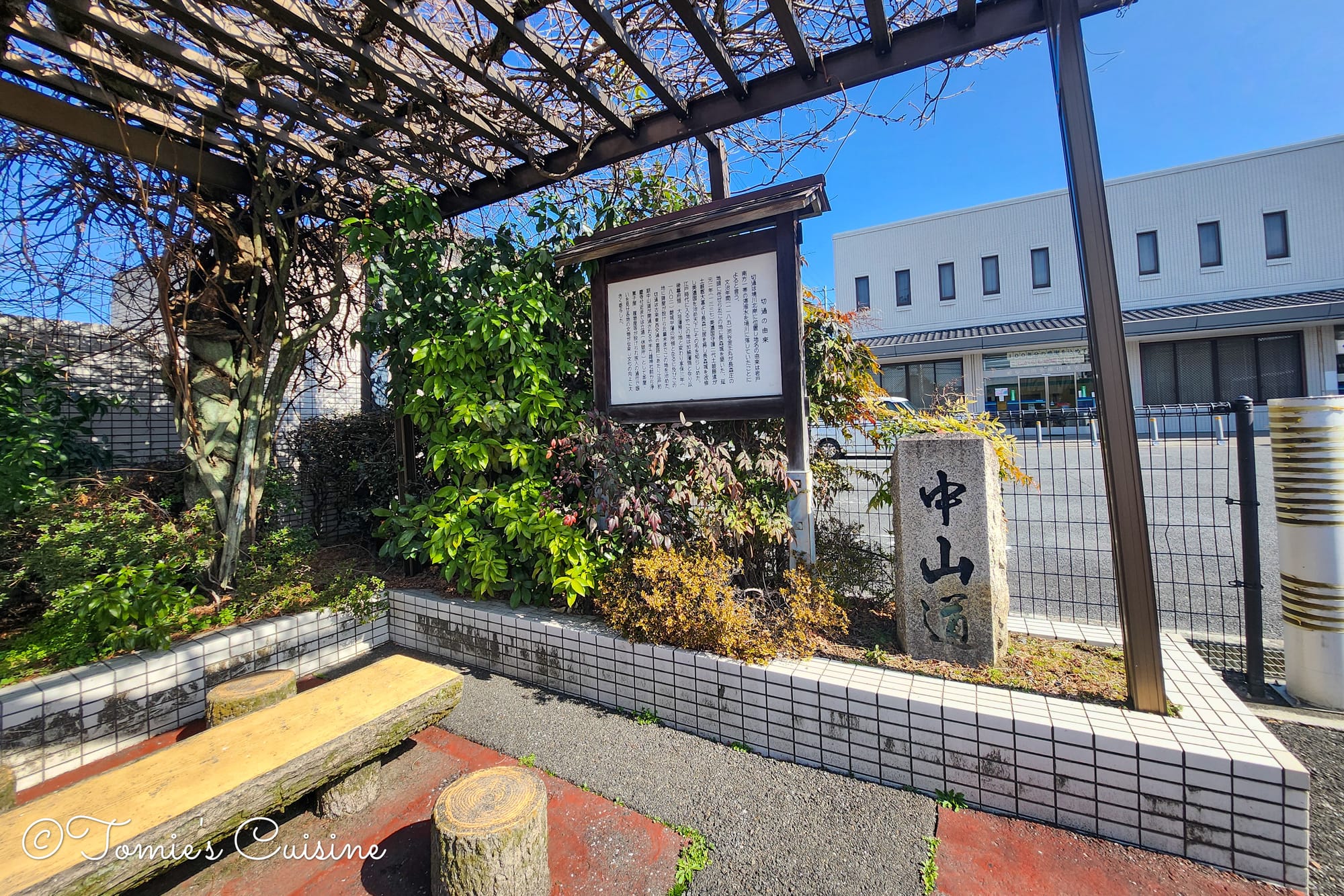
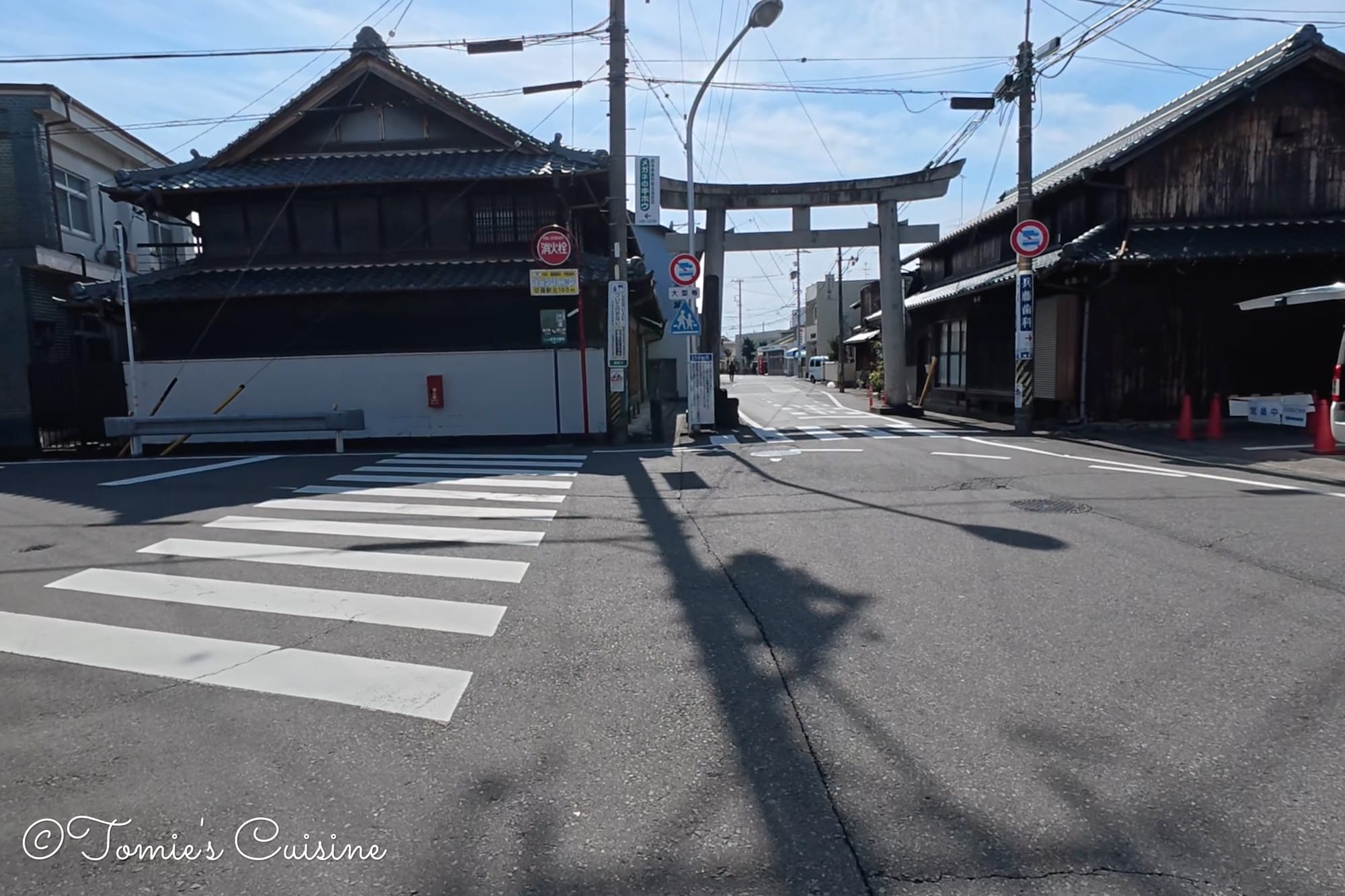
Nakasendo Kano Post town sign at Chadokoro station. This sign marks the end of Kano post town; that means if you are walking from the Tokyo side, this is where the post town begins.We took this photo, but didn't take any photos or videos of the Ichirizuka Milepost (or Milestone).We found a Nakasendo sign in front of the Izu Shrine.Nakasendo sign and the explanation board of "Kiridoshi (切通)"The Nakasendo goes towards the left, but we went straight through the torii gate to see the big Shimenawa on the other torii gate.
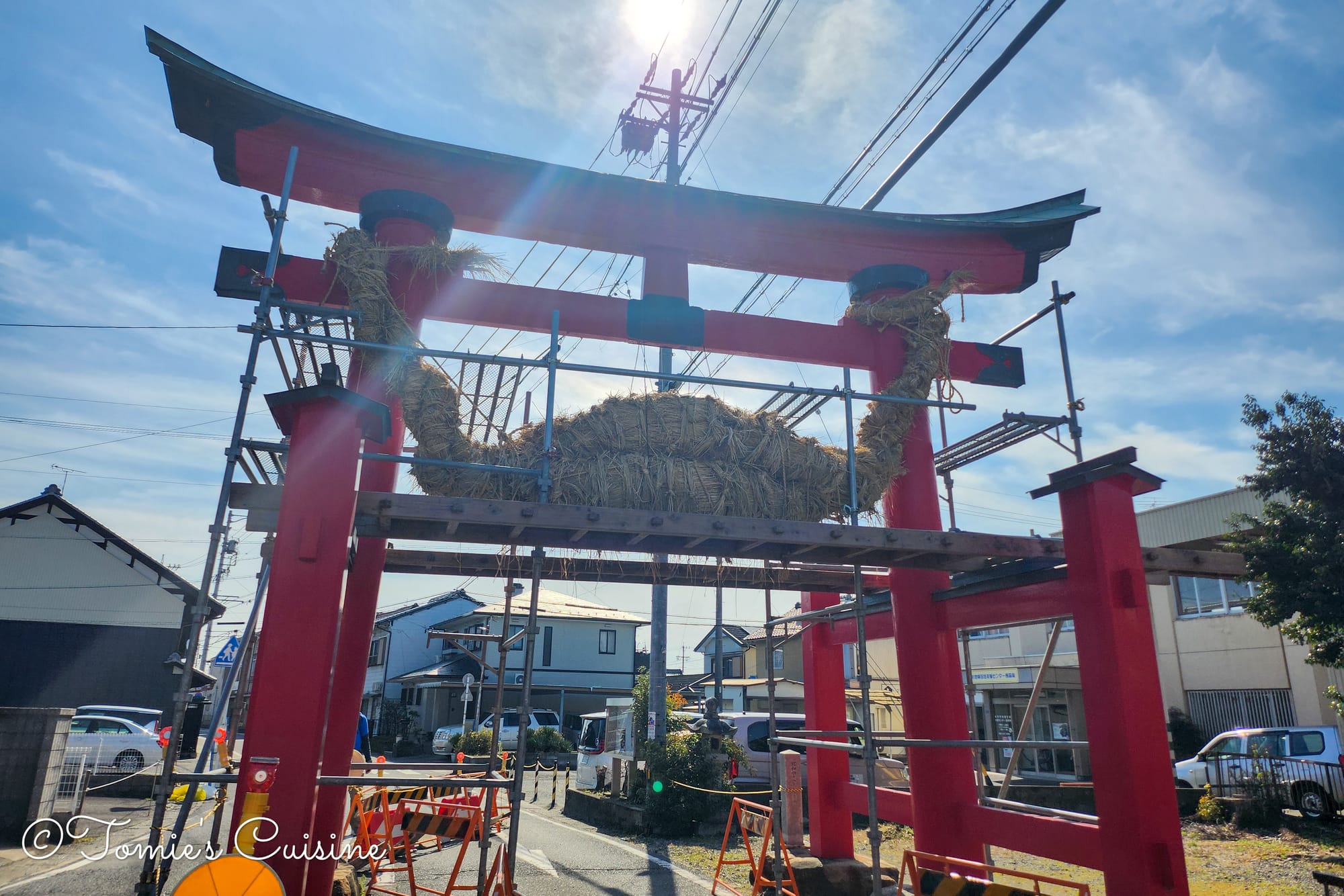
A Torii gate with a massive Shimenawa (しめ縄), or enclosing rope.
We were following the Nakasendo when a local suggested we see the Torii gate of Tejikarao Shrine. It was slightly off the road, but it took only a few minutes to see it. Then we went back to the Nakasendo route.
From here, we started hearing some jet engines.
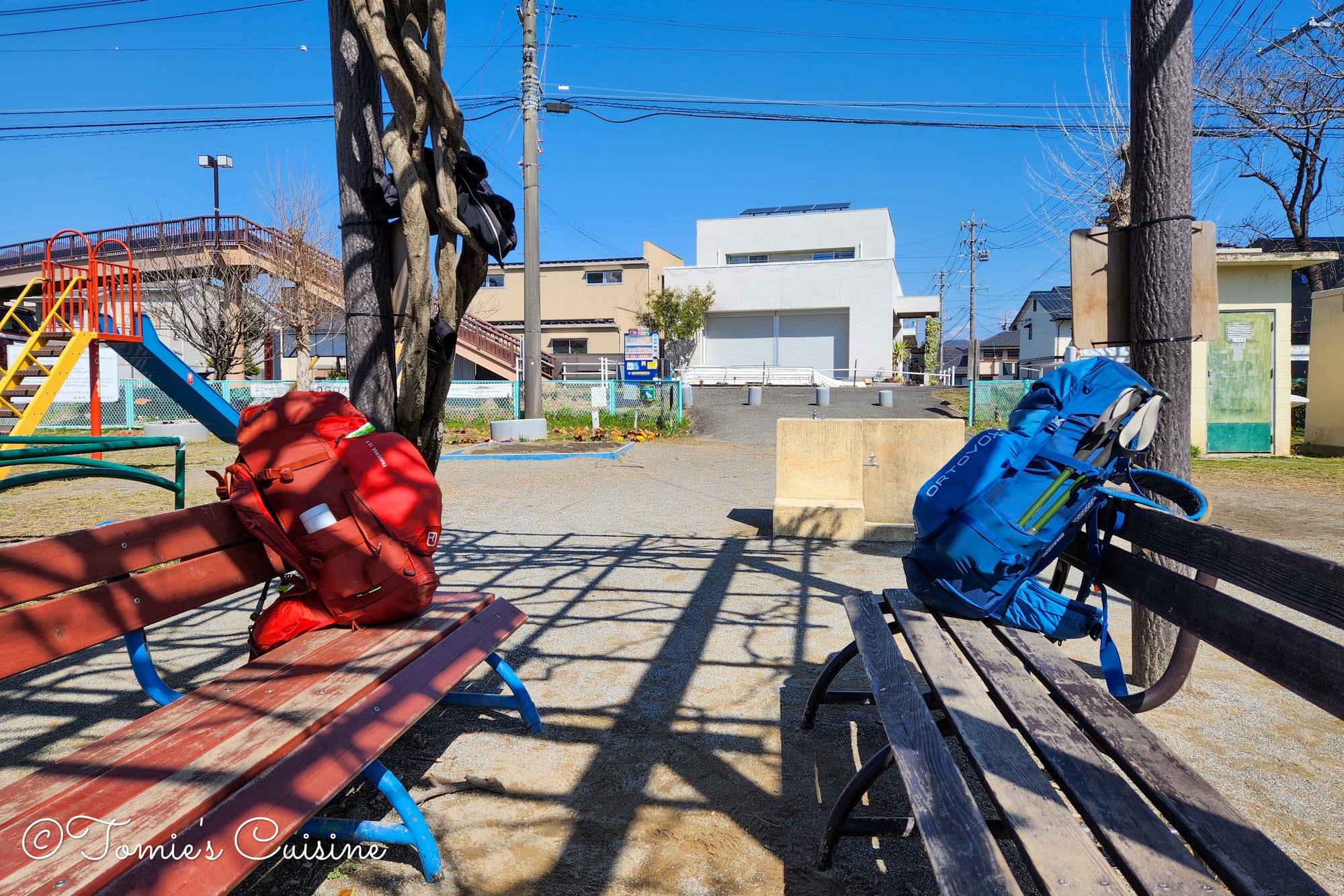
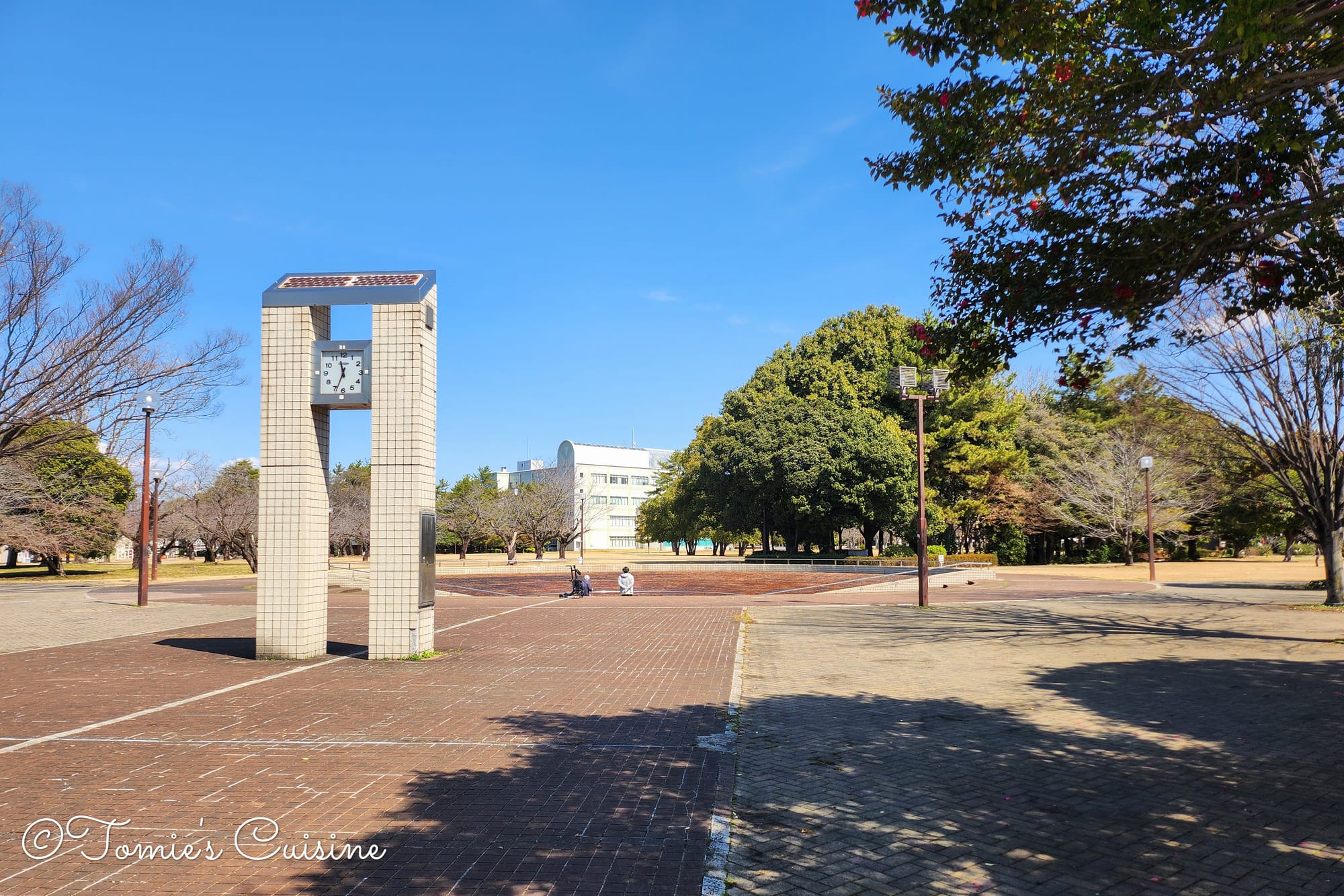
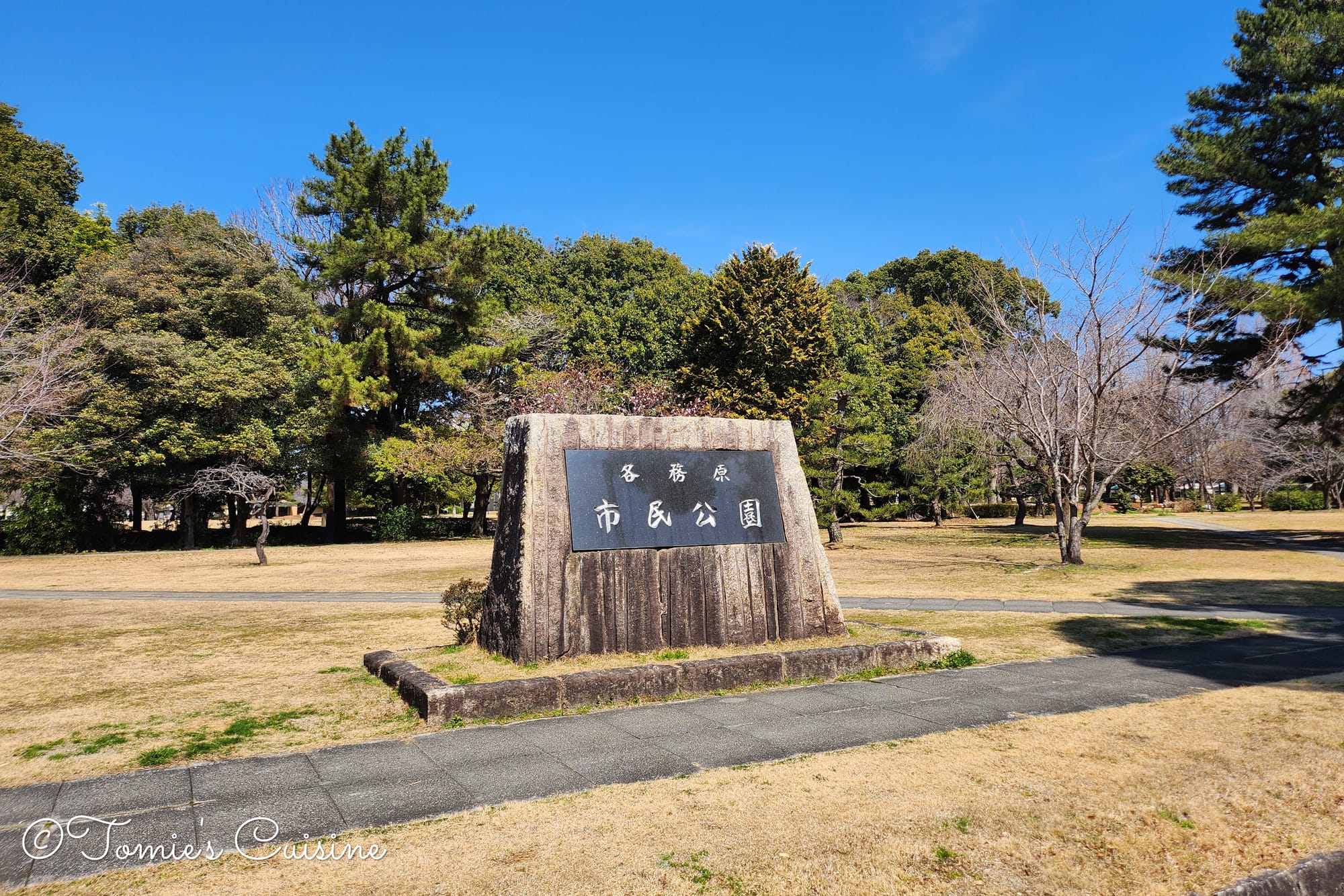
Around 10 am, we took a short break at the Notsuchishima Park.
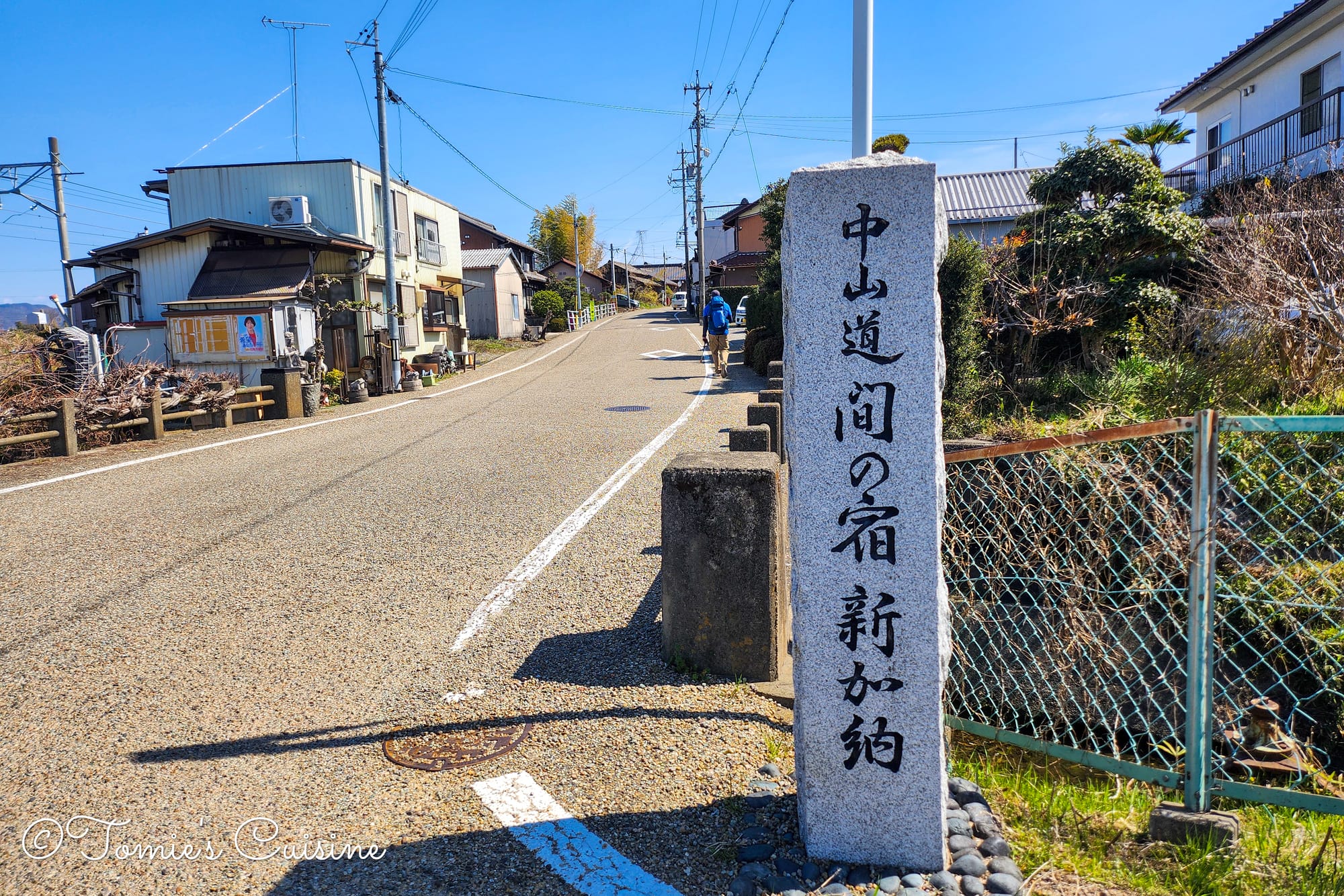
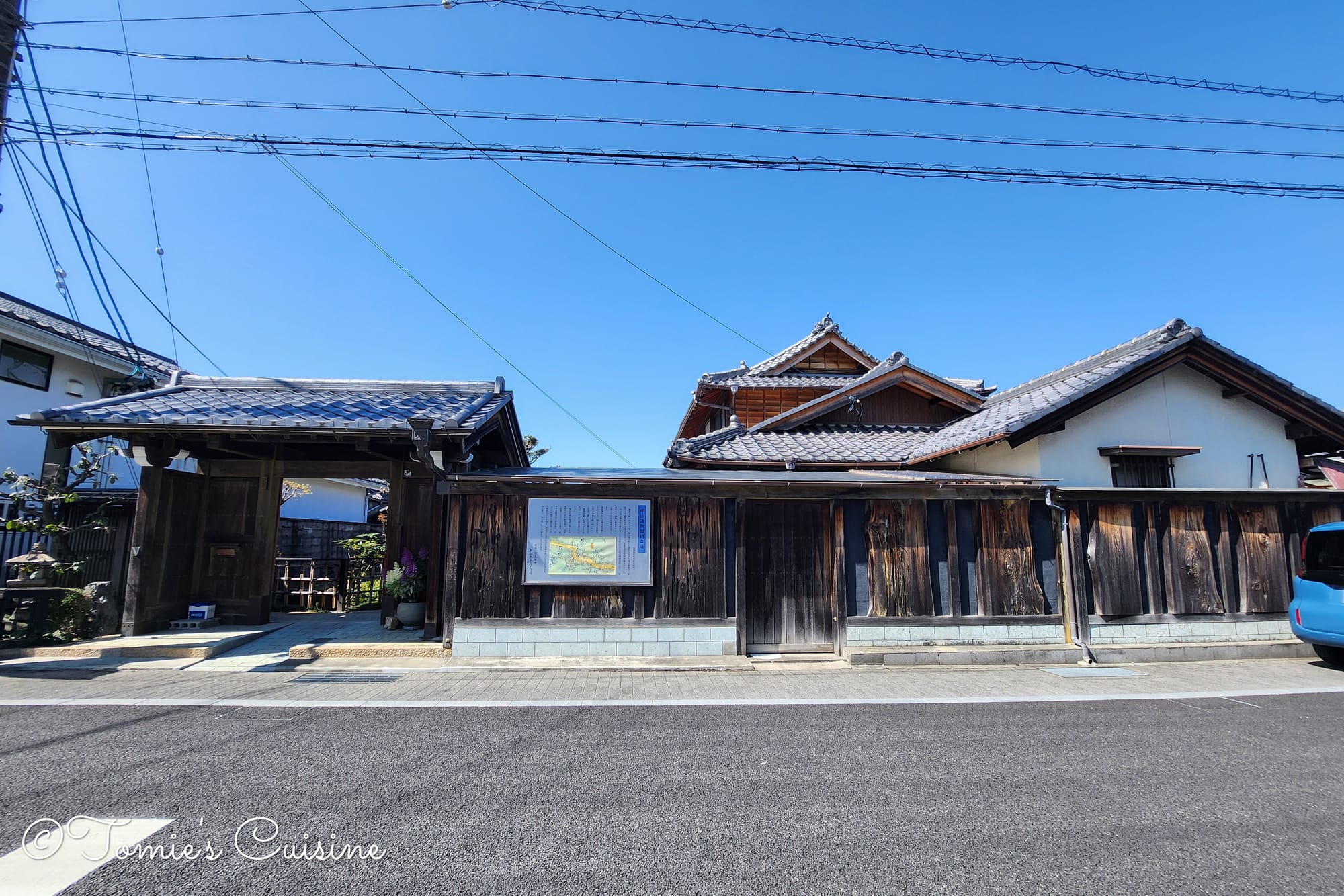
You won’t miss this big traditional house! Travellers back then used this place to take a break. The route between Kano and Unuma is long (about 17km), so Shin-Kano was an intermediate rest station, but wasn’t an official post town.
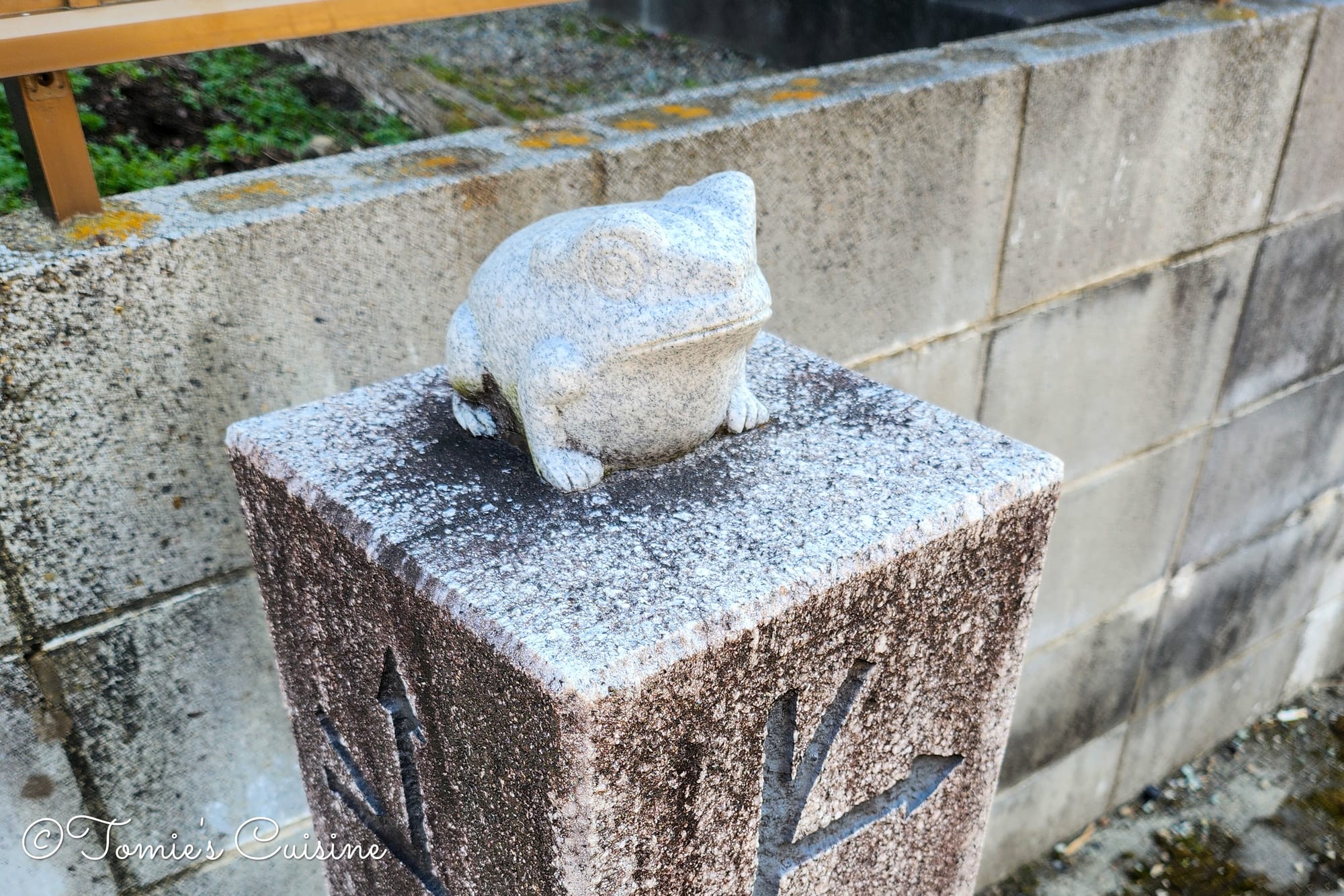
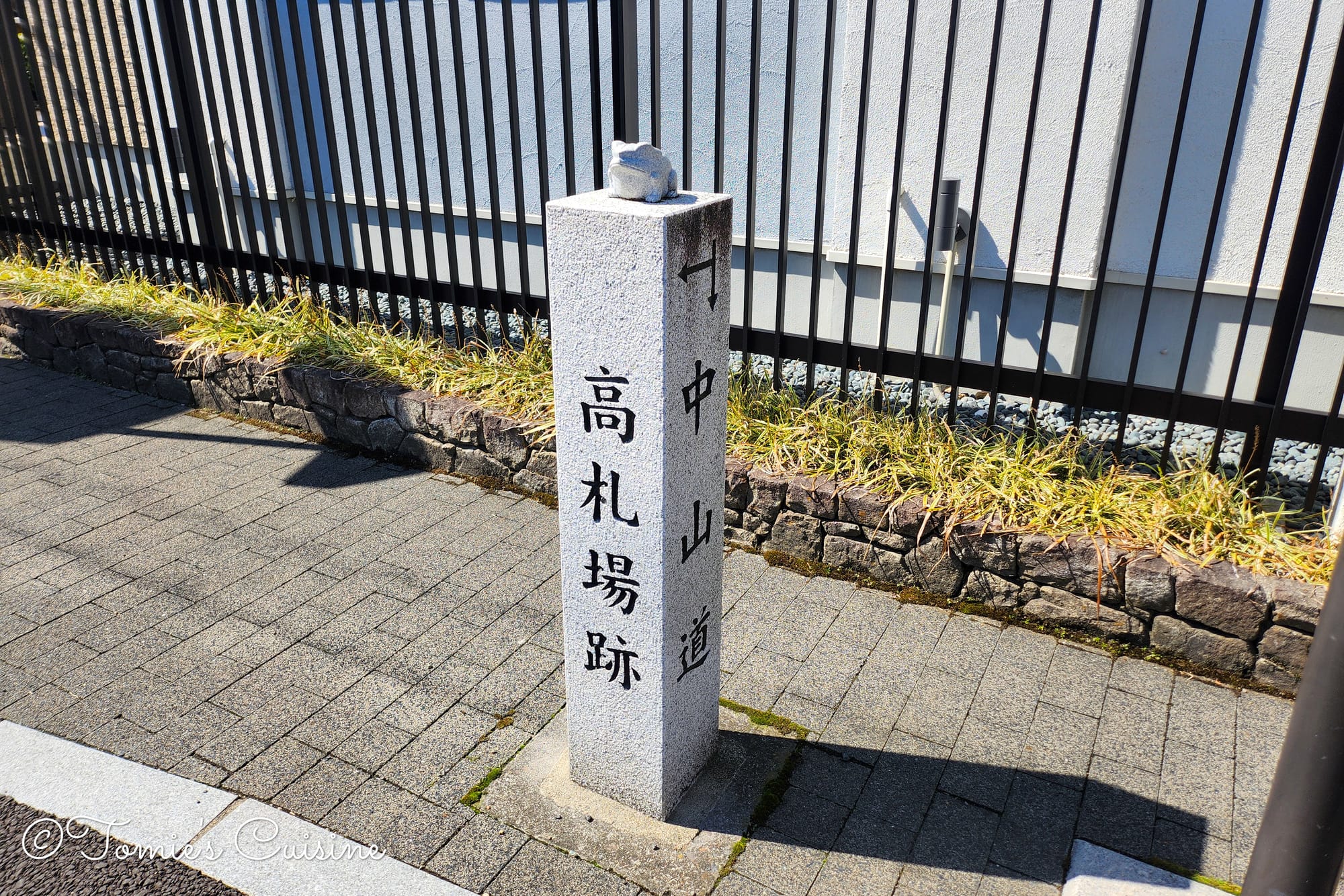
A little frog statue on the Kosatsuba ruin sign, too.
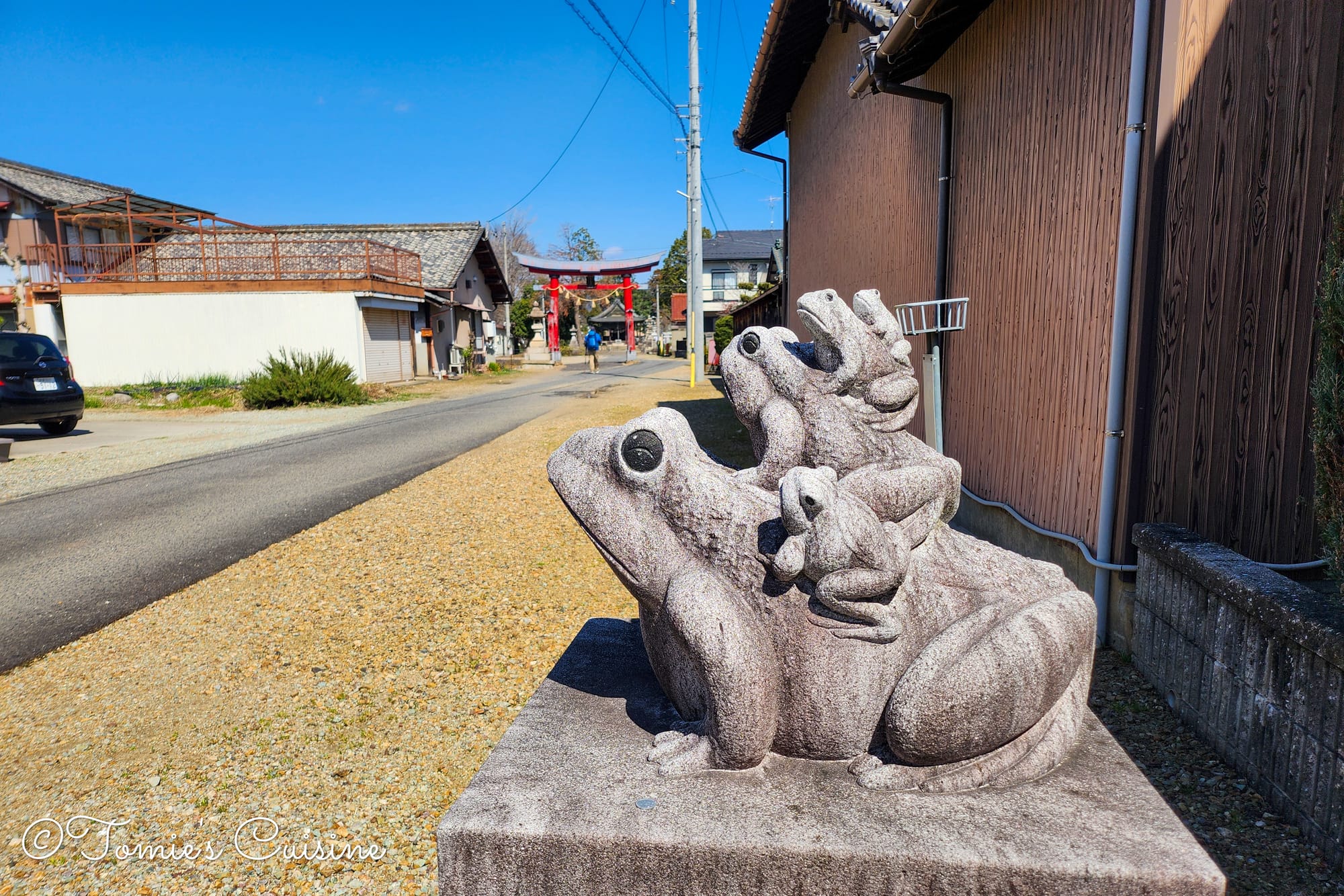
Since we arrived in Shin-Kano, we've been curious about the frog statues on the signs.
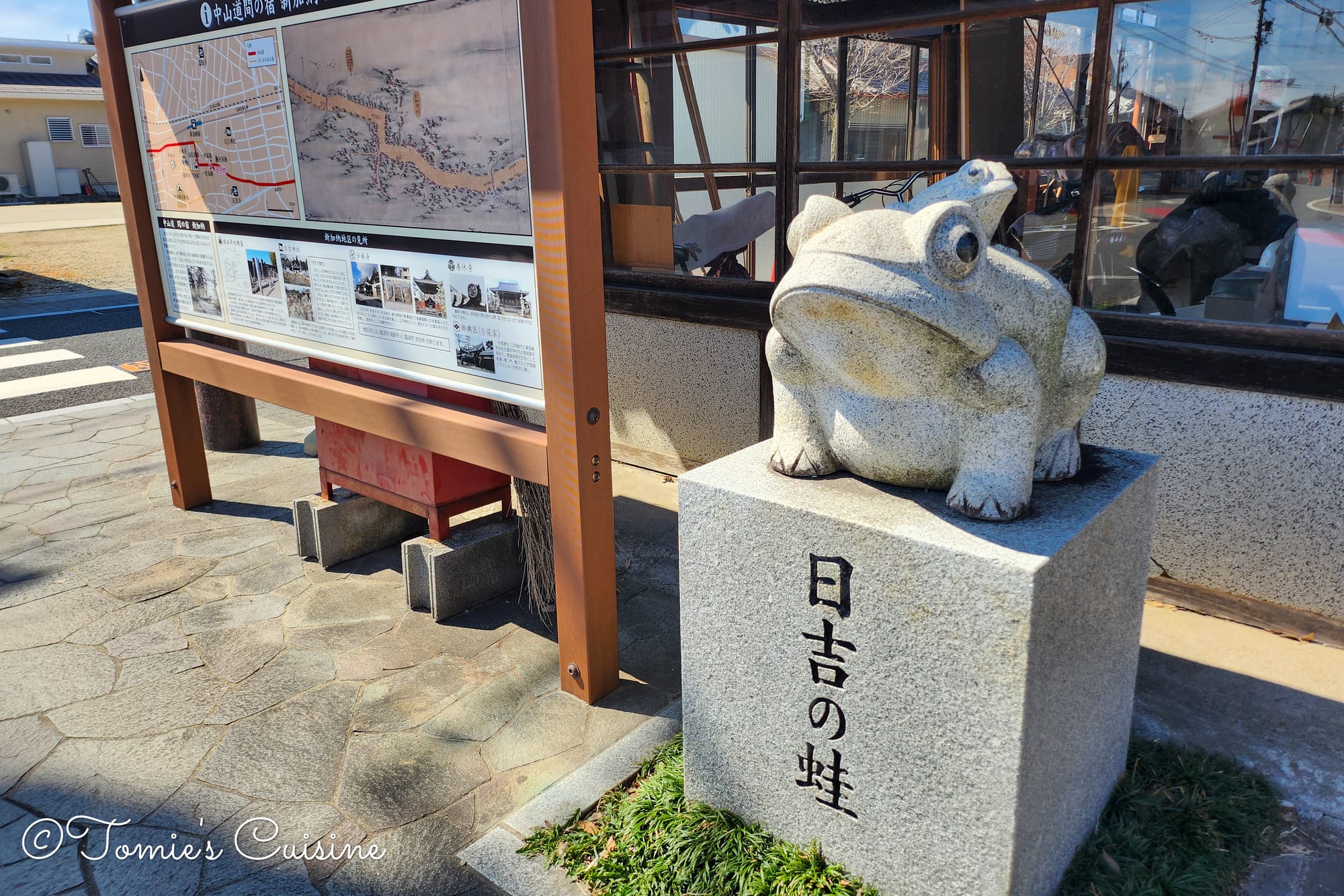
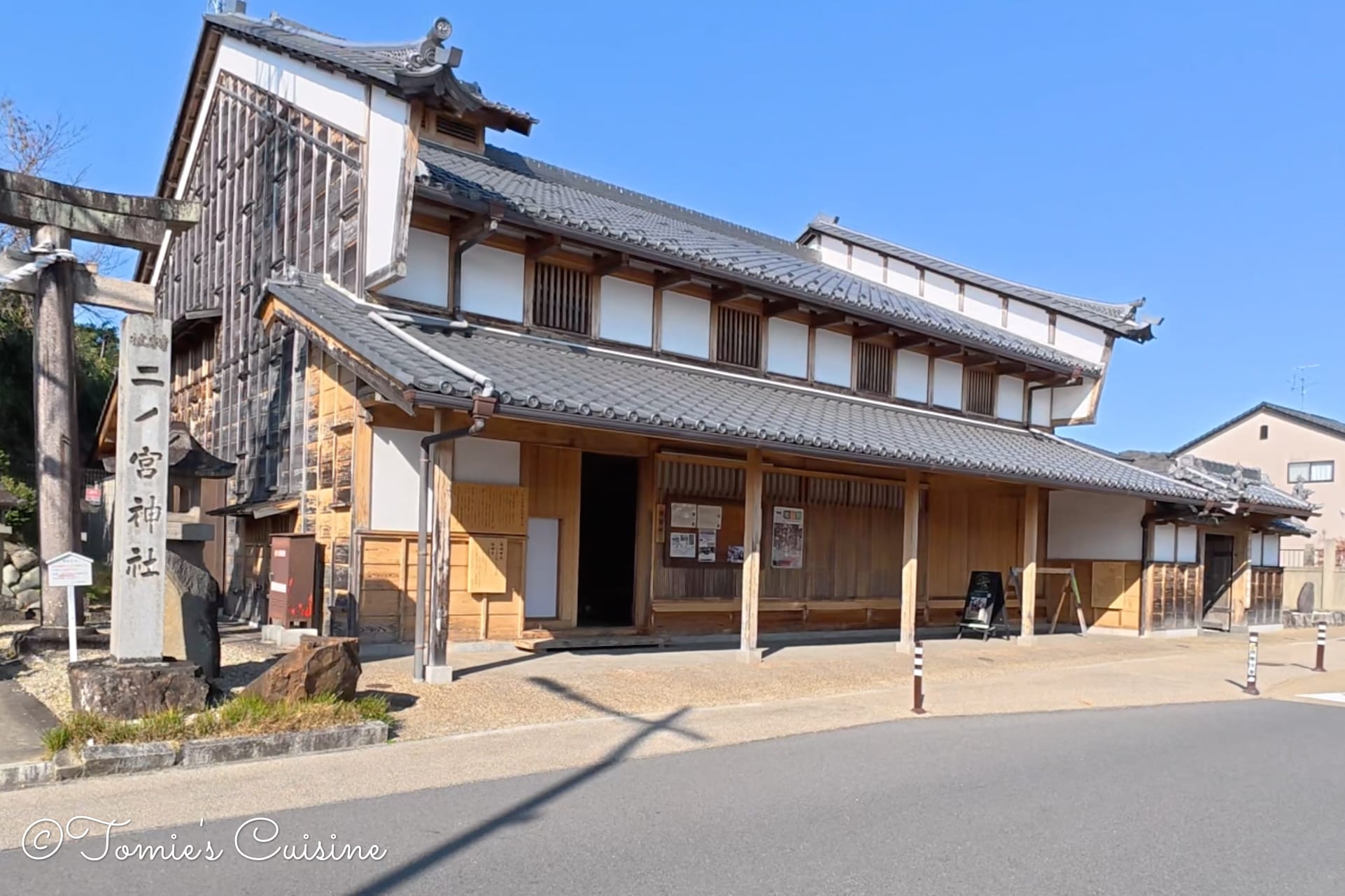
A frog family statue at Hiyoshi Shrine in Shin Kano.
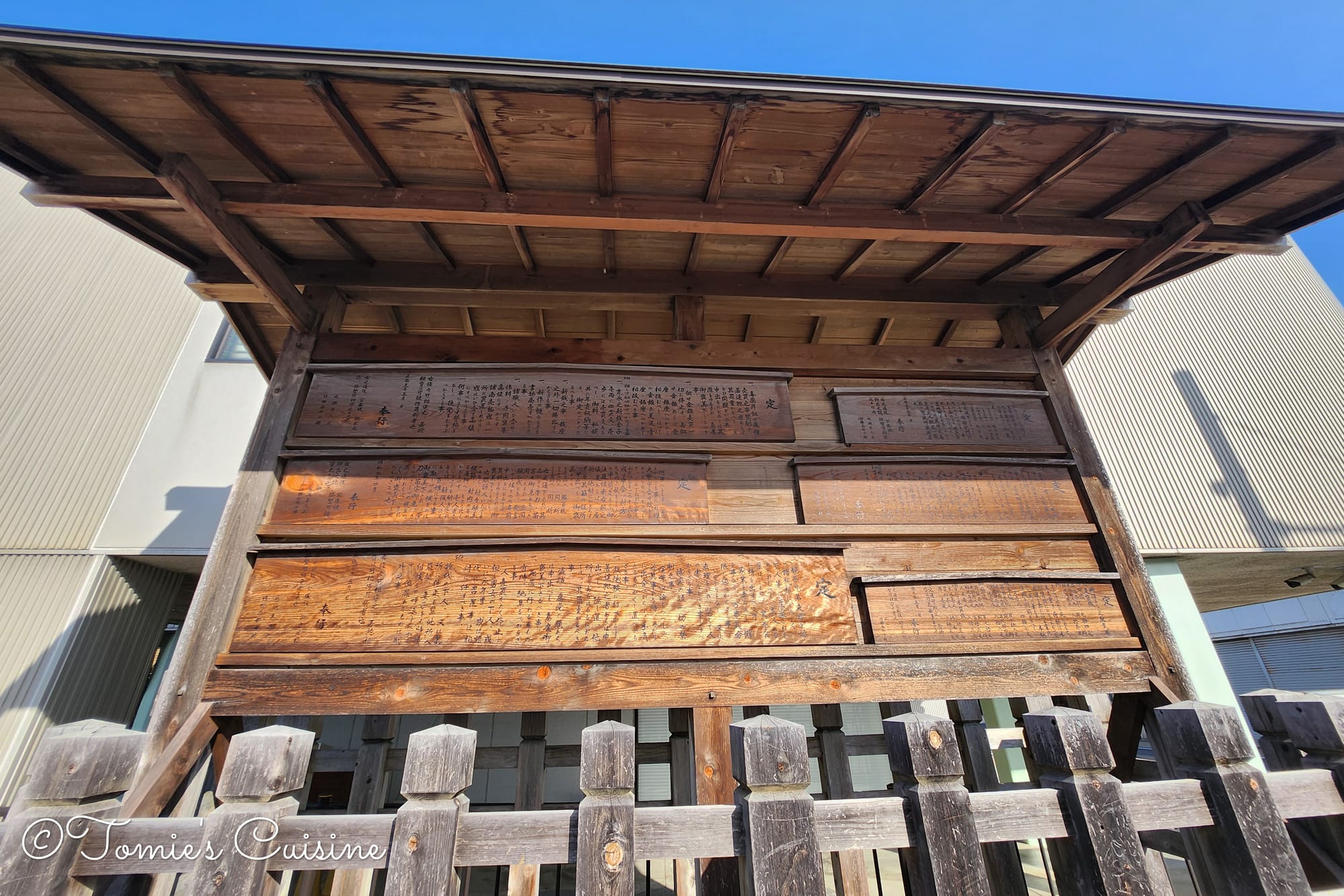
We found the answer when we came across an explanation board for the area. There is a shrine called Hiiyoshi Shrine (日吉神社), which has a legendary story beloved by the locals.
The story goes like this: A long time ago, a large frog began living in the Hyotan pond at Hiyoshi Shrine. This frog was mischievous and often played tricks on the villagers. They wondered if the frog was acting out because it was hungry, so they started throwing food into the pond.
From that time on, the frog began to deliver medicinal herbs to sick people and would make it rain during periods of drought when the villagers were suffering. Because of these deeds, the frog is considered a lucky charm in the area.
Get our bundle containing the 19 GPX tracks covering the complete Nakasendo trail between Kyoto and Tokyo, as we walked it in early Spring 2025, plus our PDF guide you can take with you on the road.
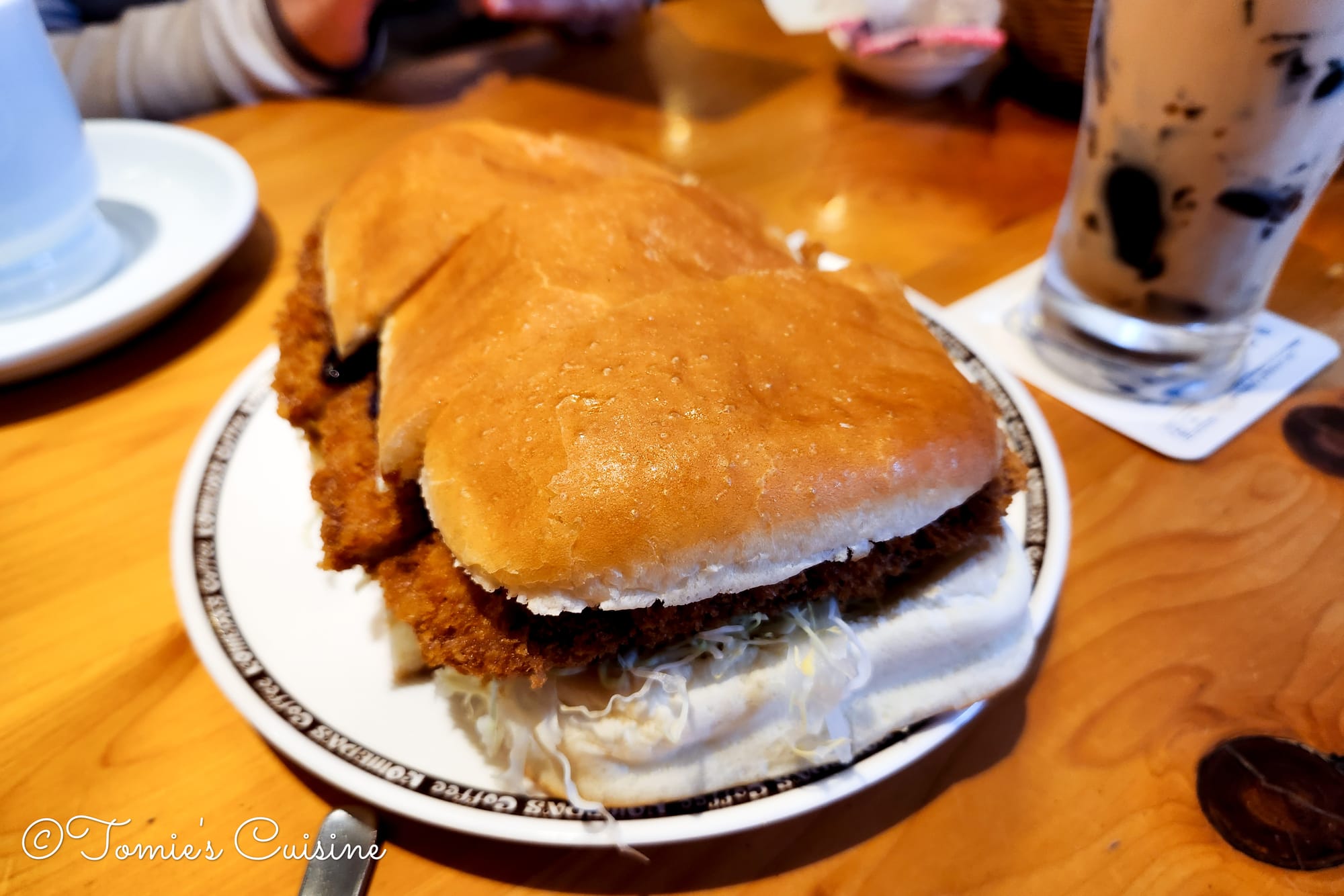
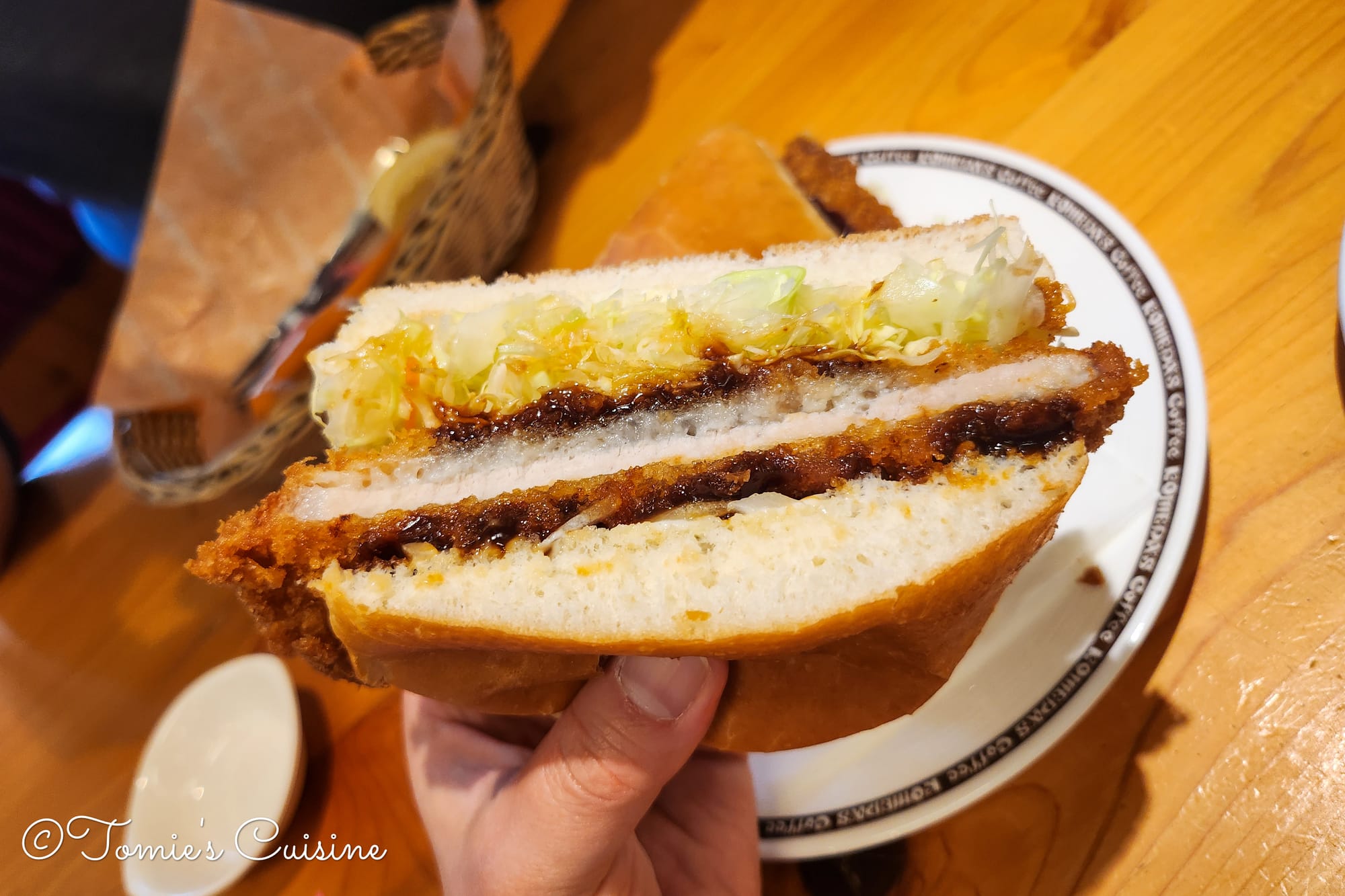
You should try the Miso Katsu or Miso Katsu sandwich once! We highly recommend it!
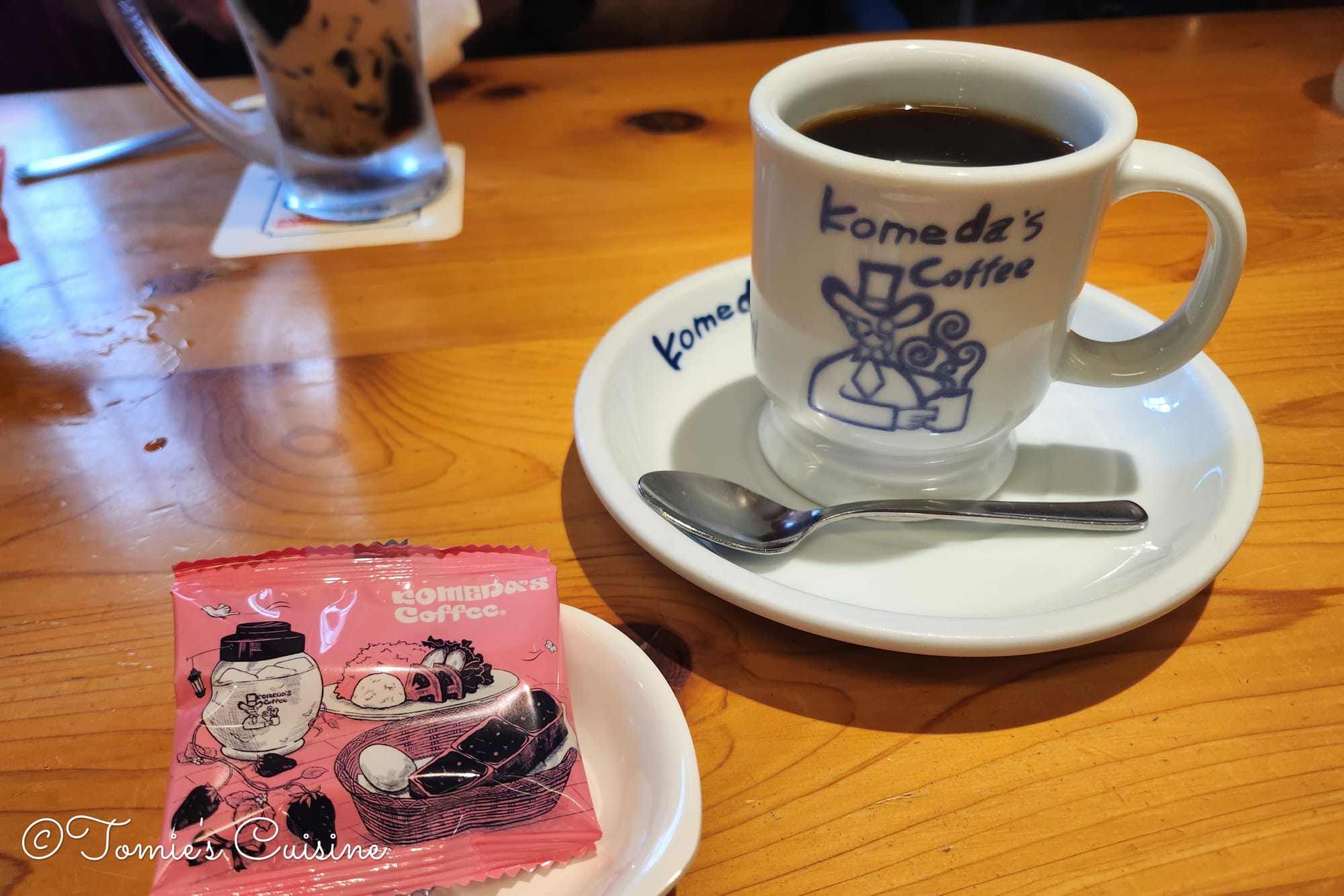
We decided to have lunch at Komeda Coffee, a popular café chain from Nagoya, Aichi. This café is famous for its "opposite fraud", which means that the actual food served at the table is much larger than the photos on the menu. We ordered a Miso Katsu sandwich to share along with some coffee.
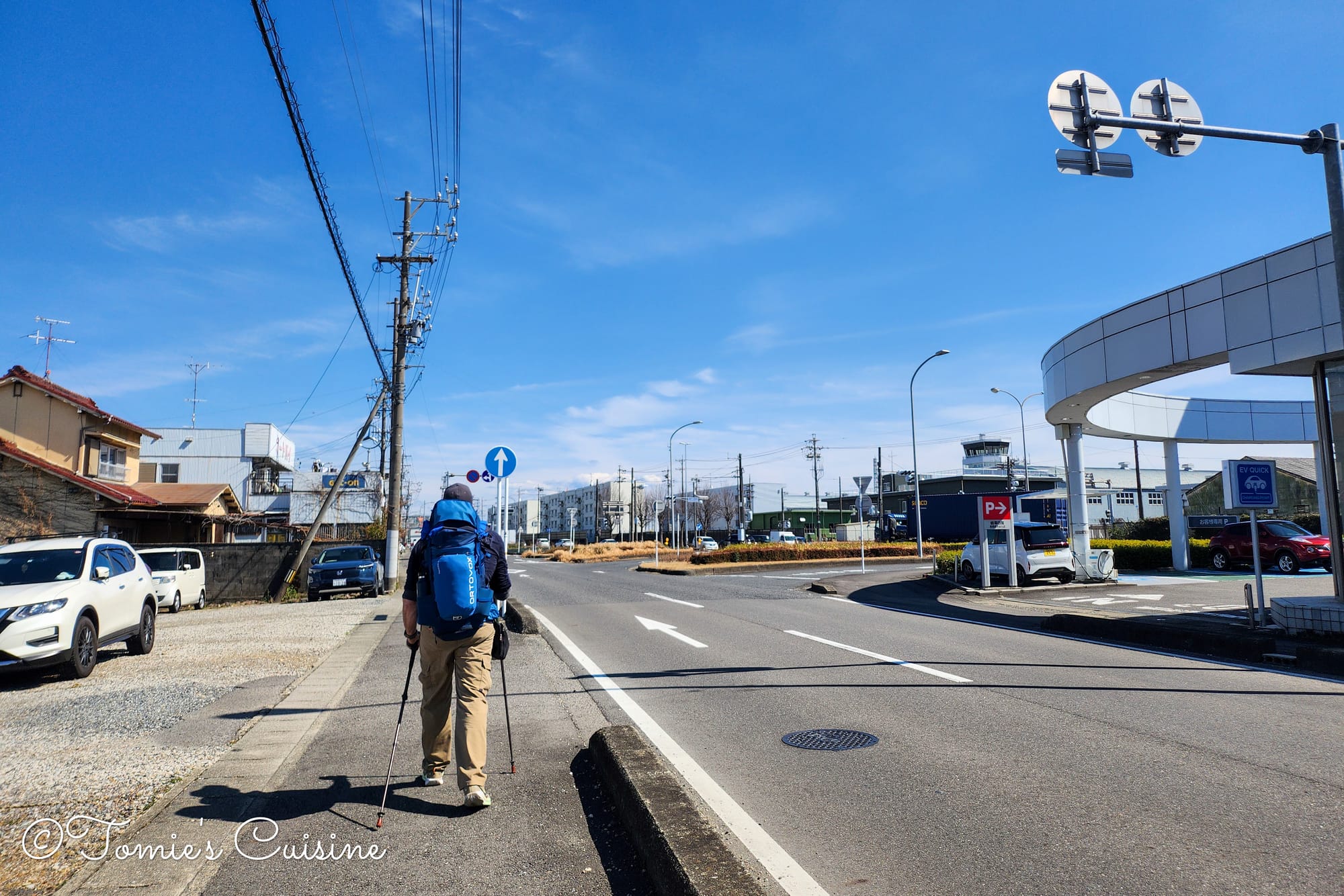
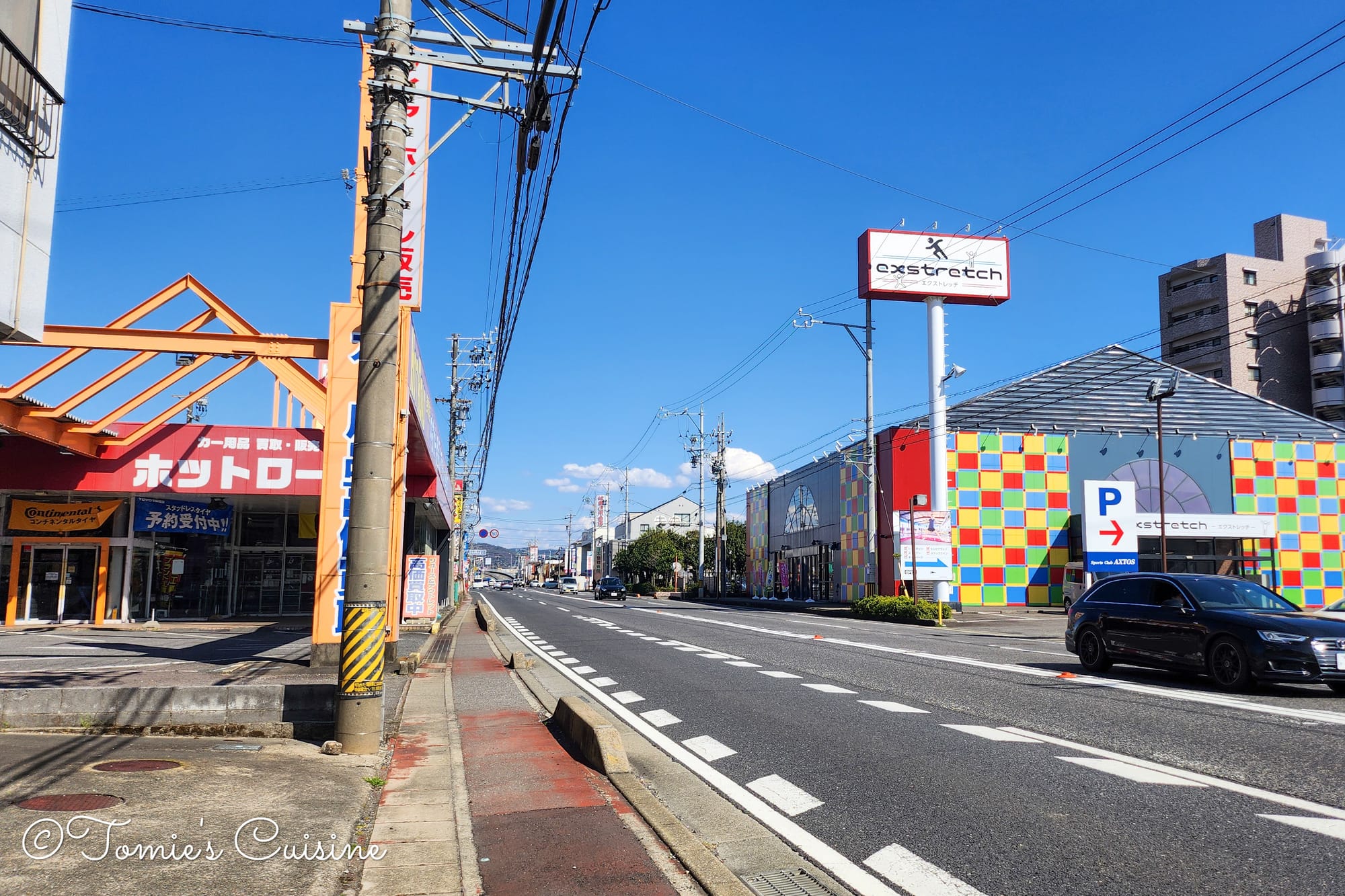
Concrete road, more road, and another road with a narrow pedestrian path next to an even bigger road.
Around 1 pm, we started heading to Unuma, but…
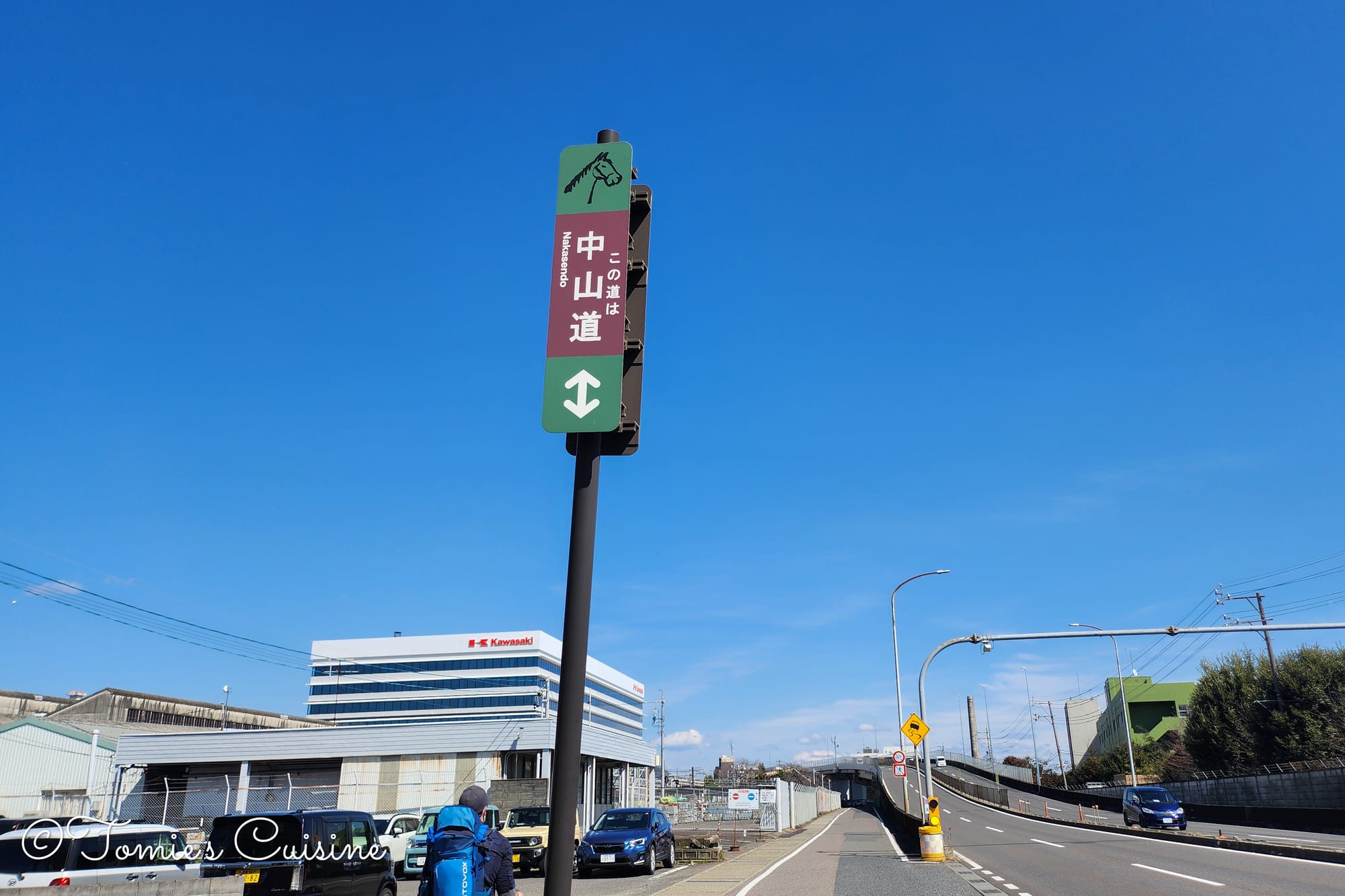
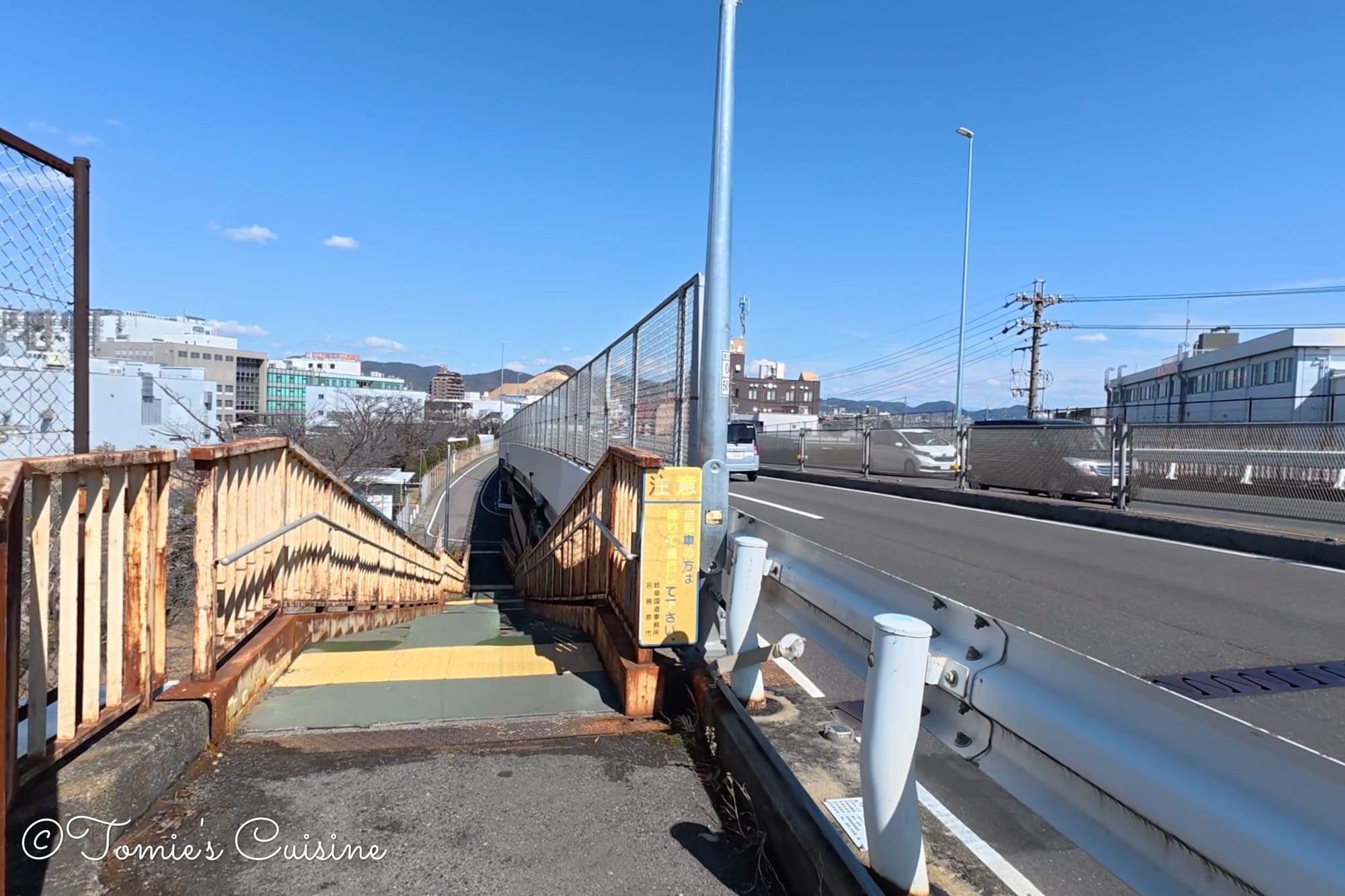
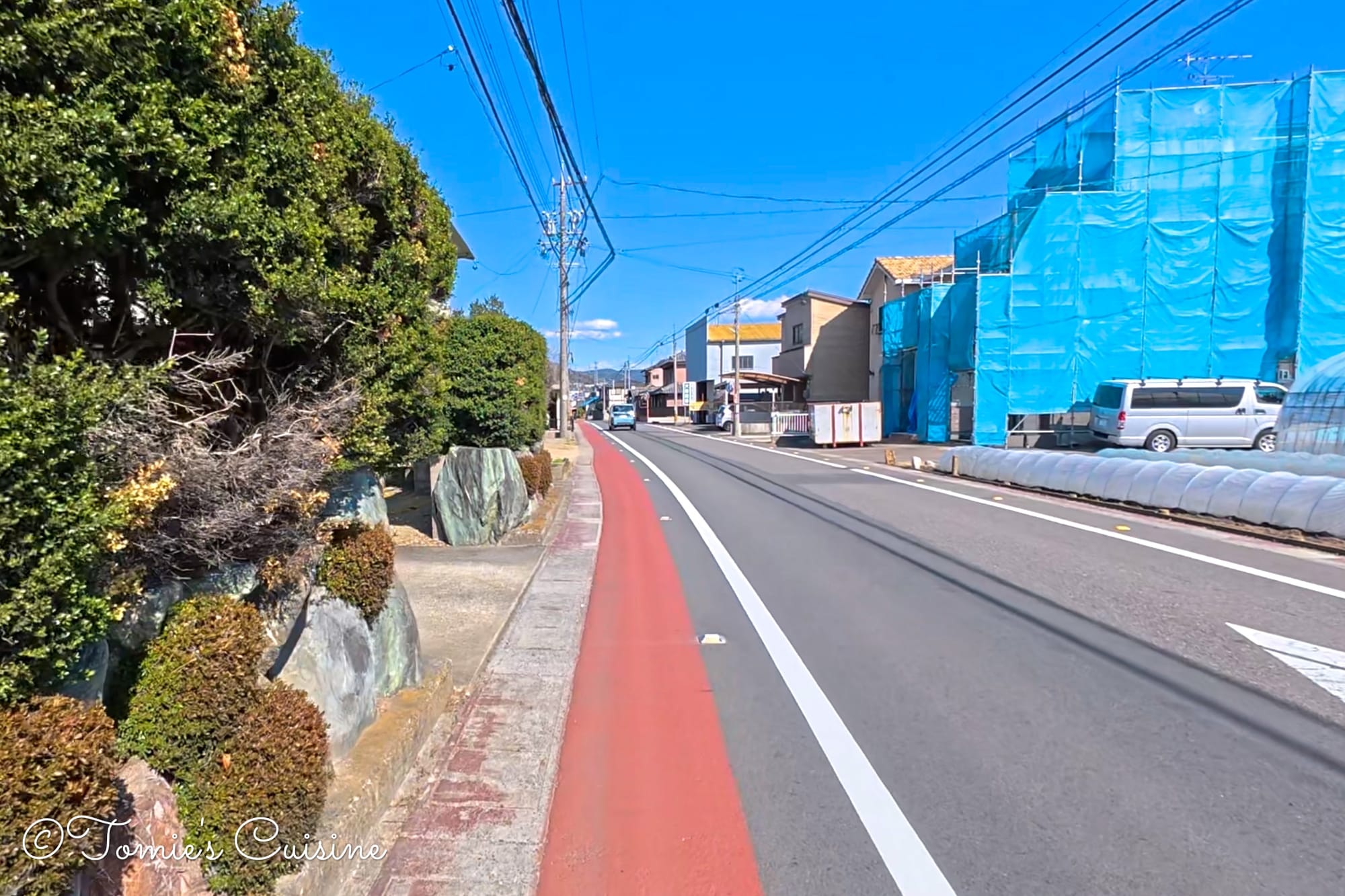
We walked along Route 21, a busy national motorway with a narrow pedestrian path, until we reached Unumajuku Kaido. The path was so narrow that I had to stop and make way for passing cyclists. Cars were driving quite fast, and in some sections, the pedestrian path was even narrower, making it quite uncomfortable.
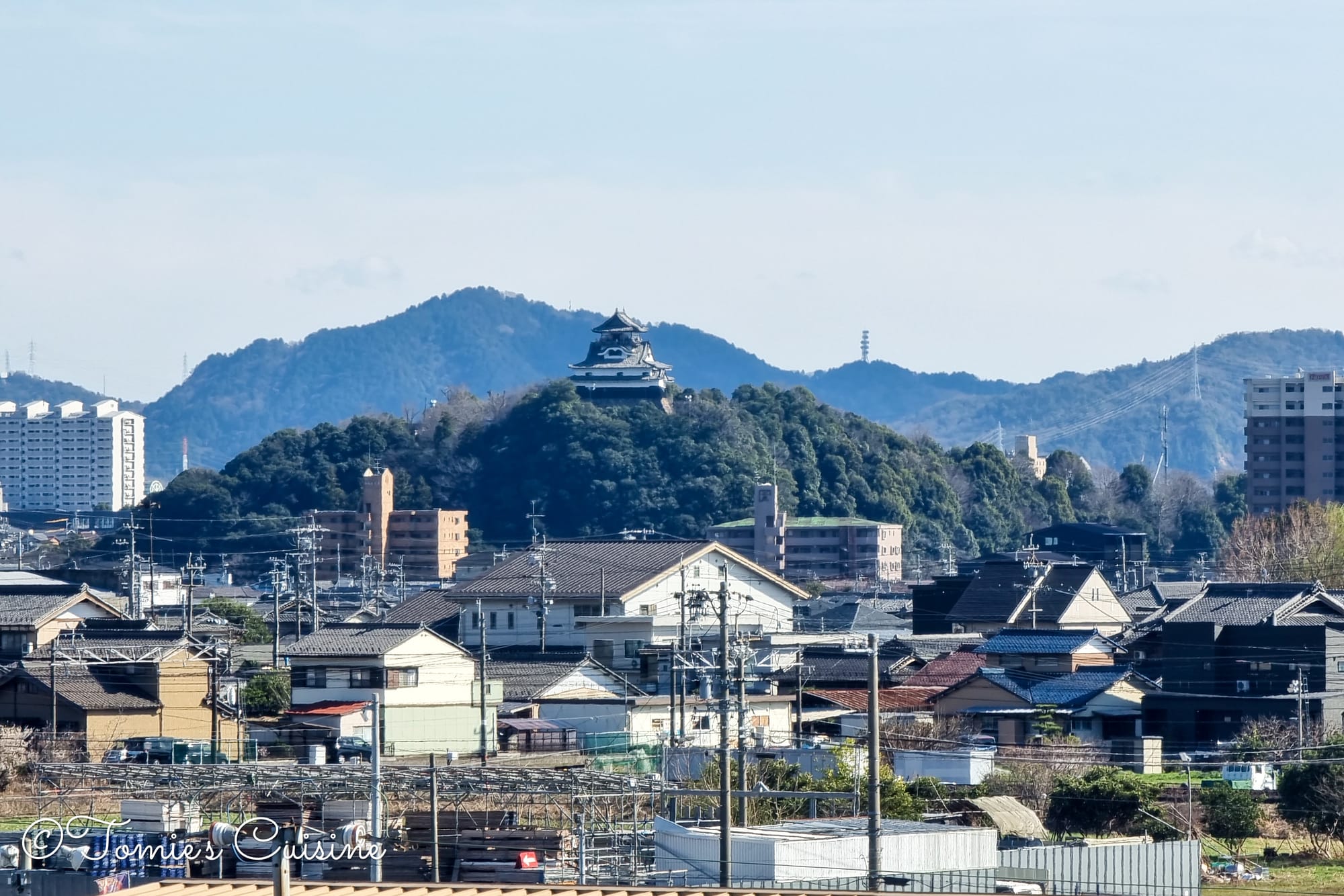
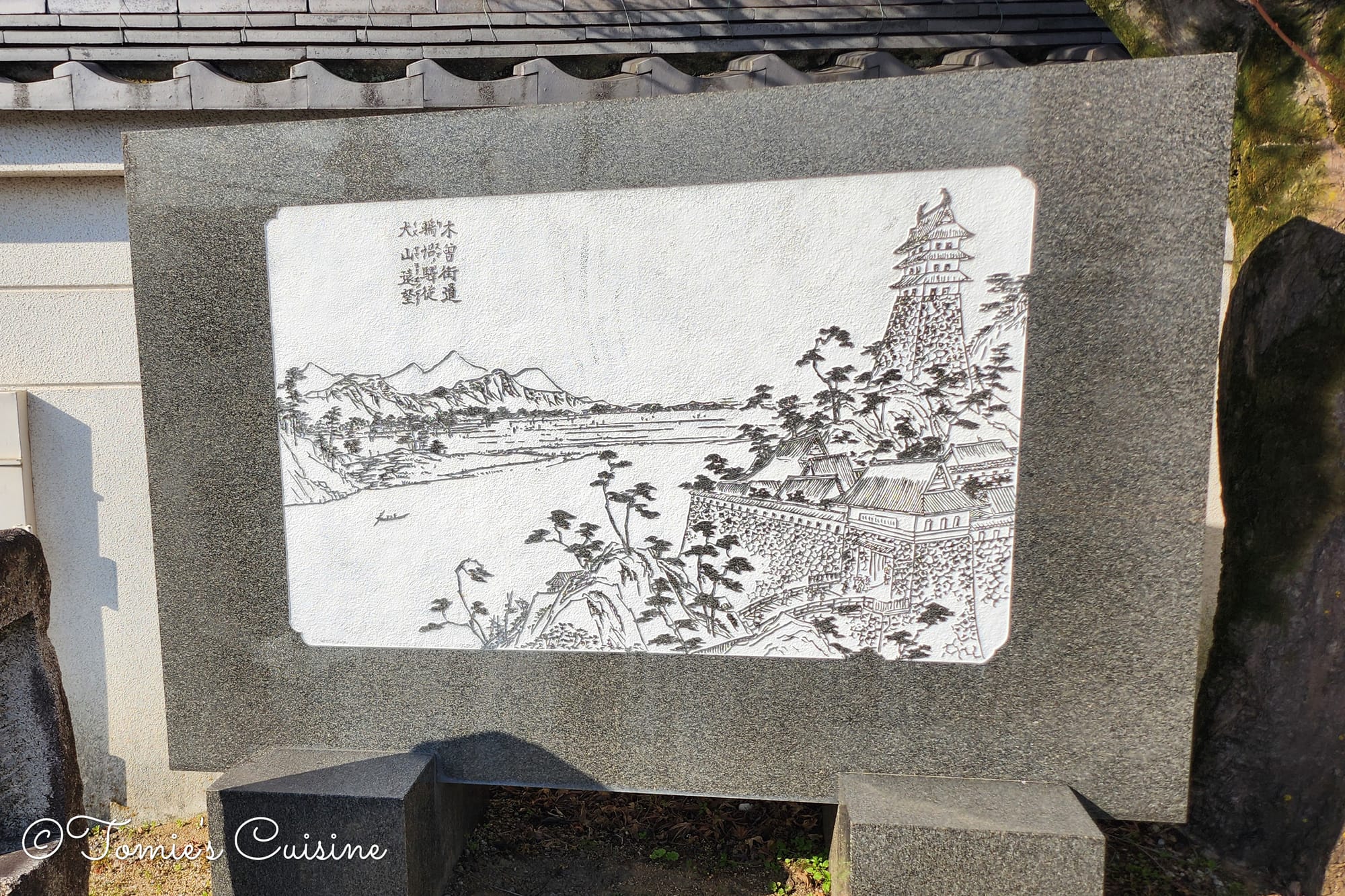
A peaceful walk on Unumajuku Kaido.We had a great view of Inuyama Castle in Aichi Prefecture from Unuma in Gifu Prefecture.
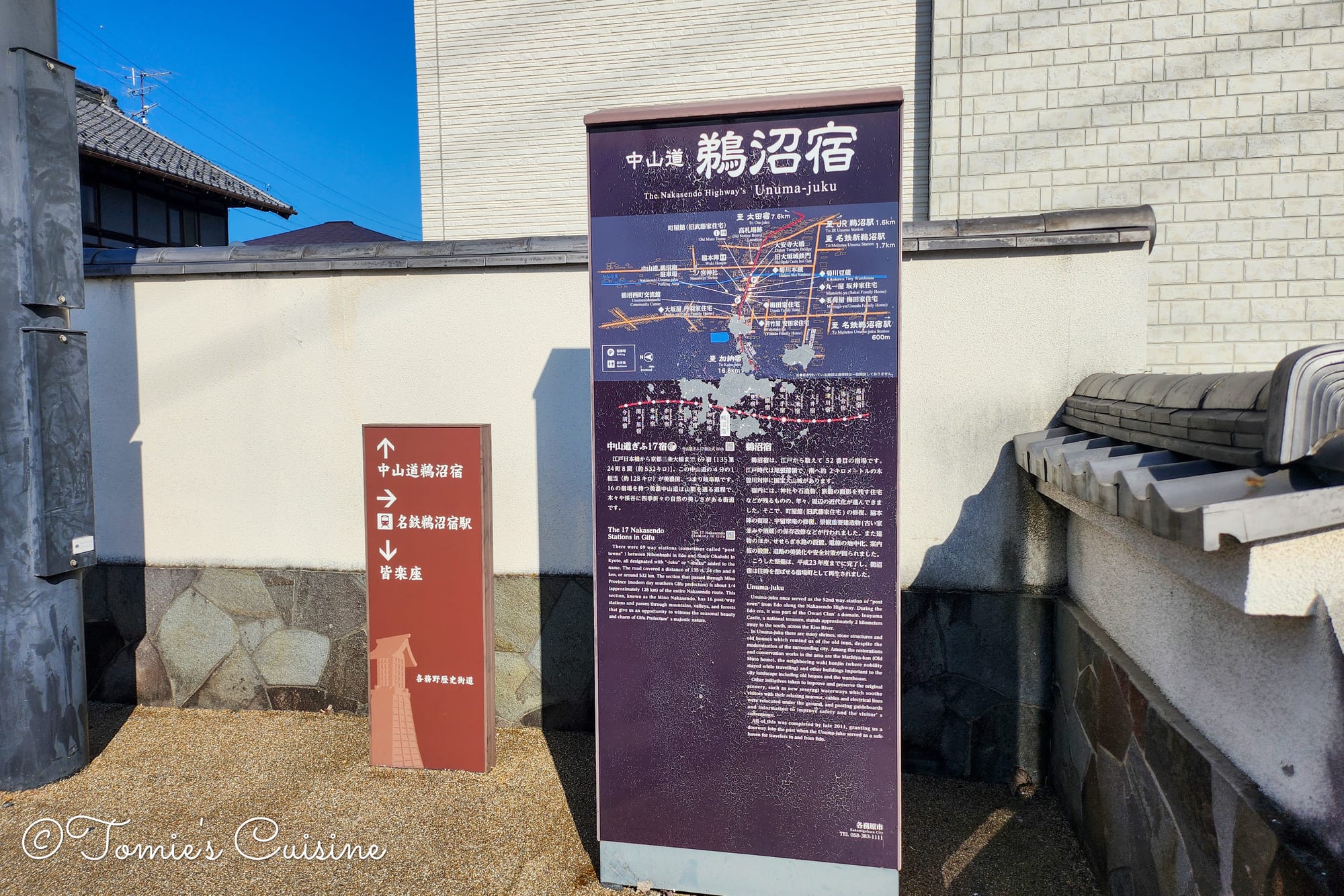
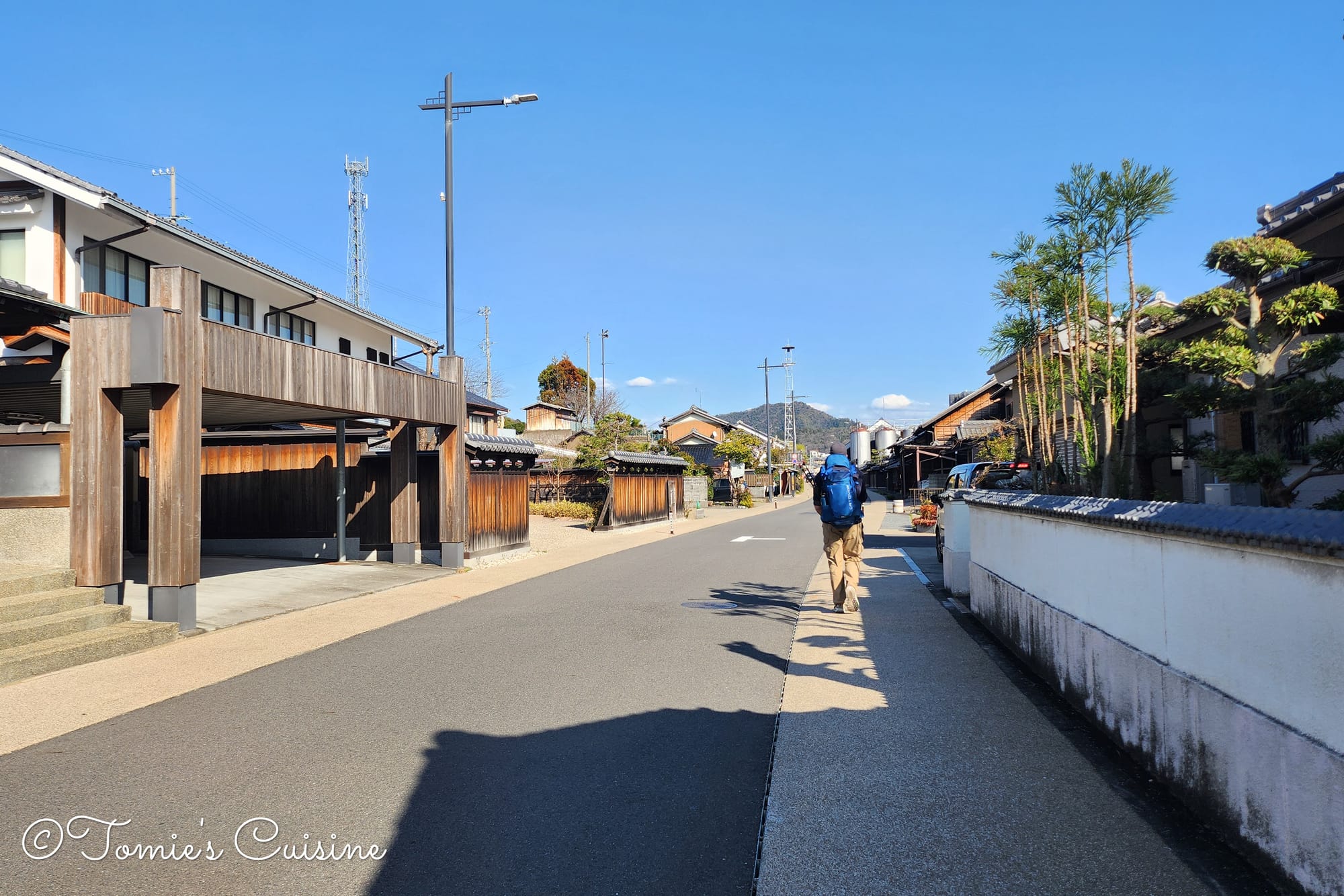
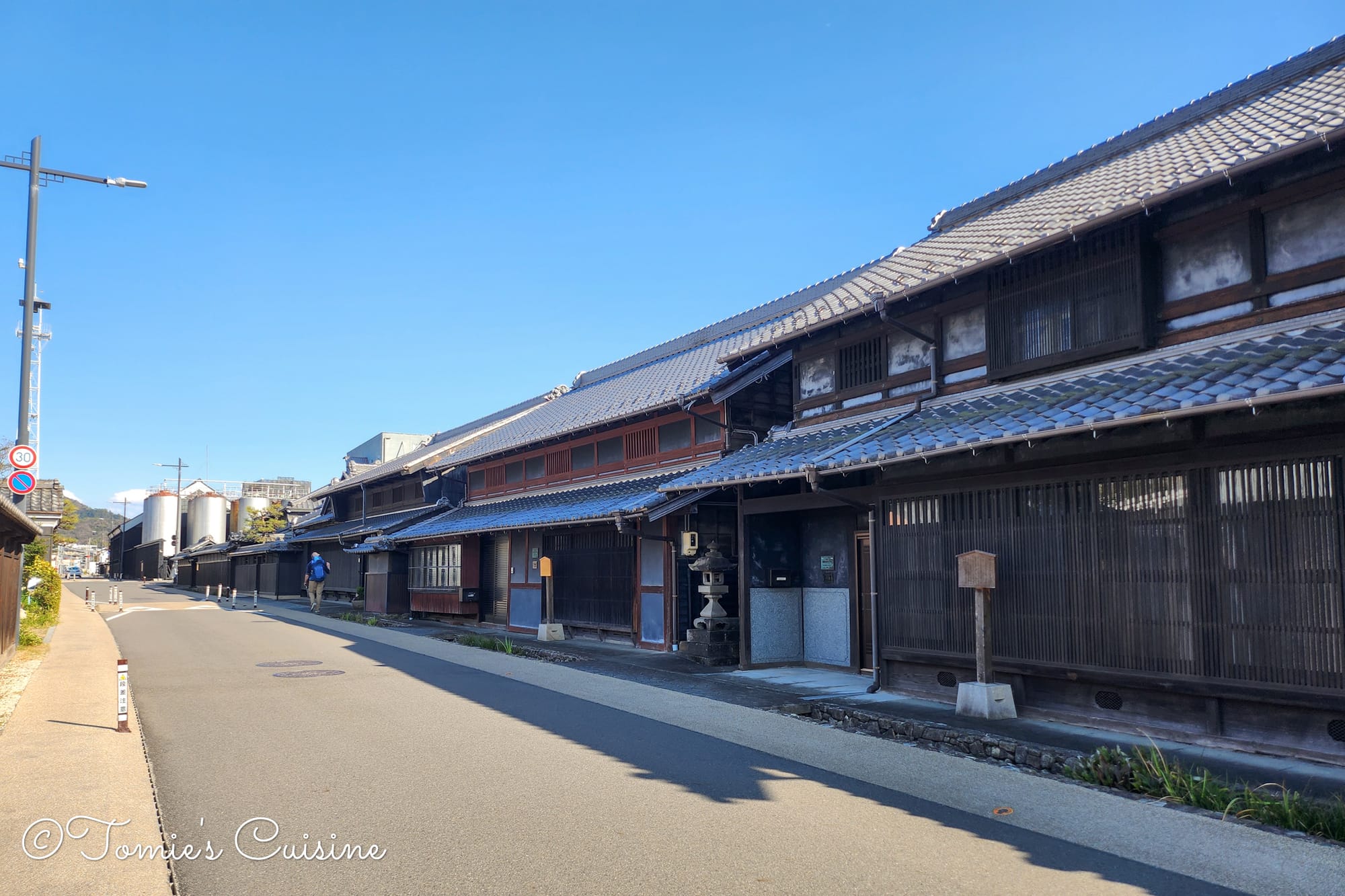
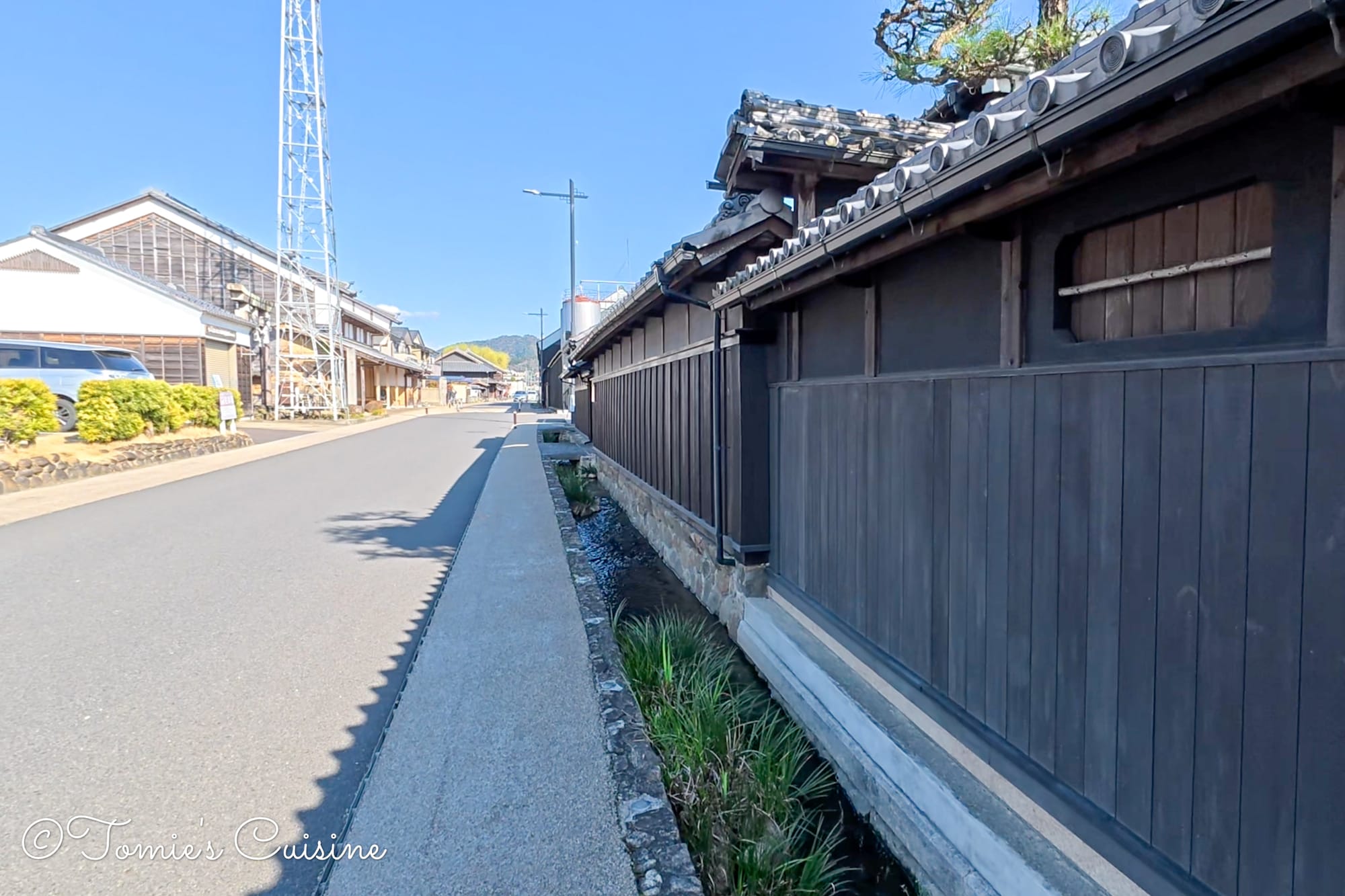
Look at this post town! The street feels like a time capsule from the Edo period. According to the local guides we met at the Waki-Honjin, the electric lines were buried underground to maintain the historic atmosphere.
One of our favourite post towns indeed!
The small waterway running alongside the restored street added a pleasant touch, especially after the noise from the nearby motorway.
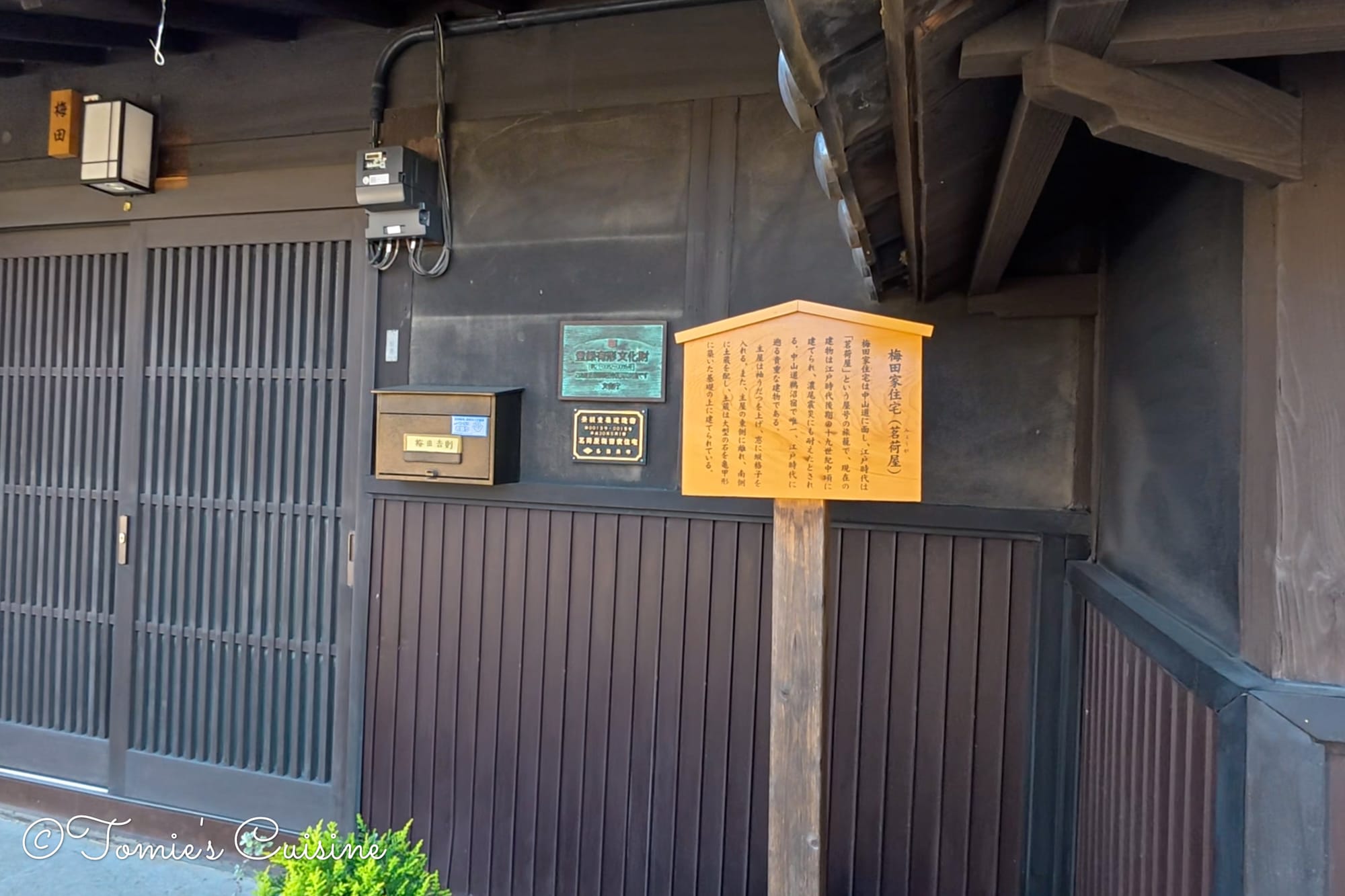
The Umeda family's building was the only one to survive the Nomi Earthquakes in 1891.
Most of the buildings in Unuma post town were destroyed by the Nobi Earthquake in 1891, including the historical Honjin and inns
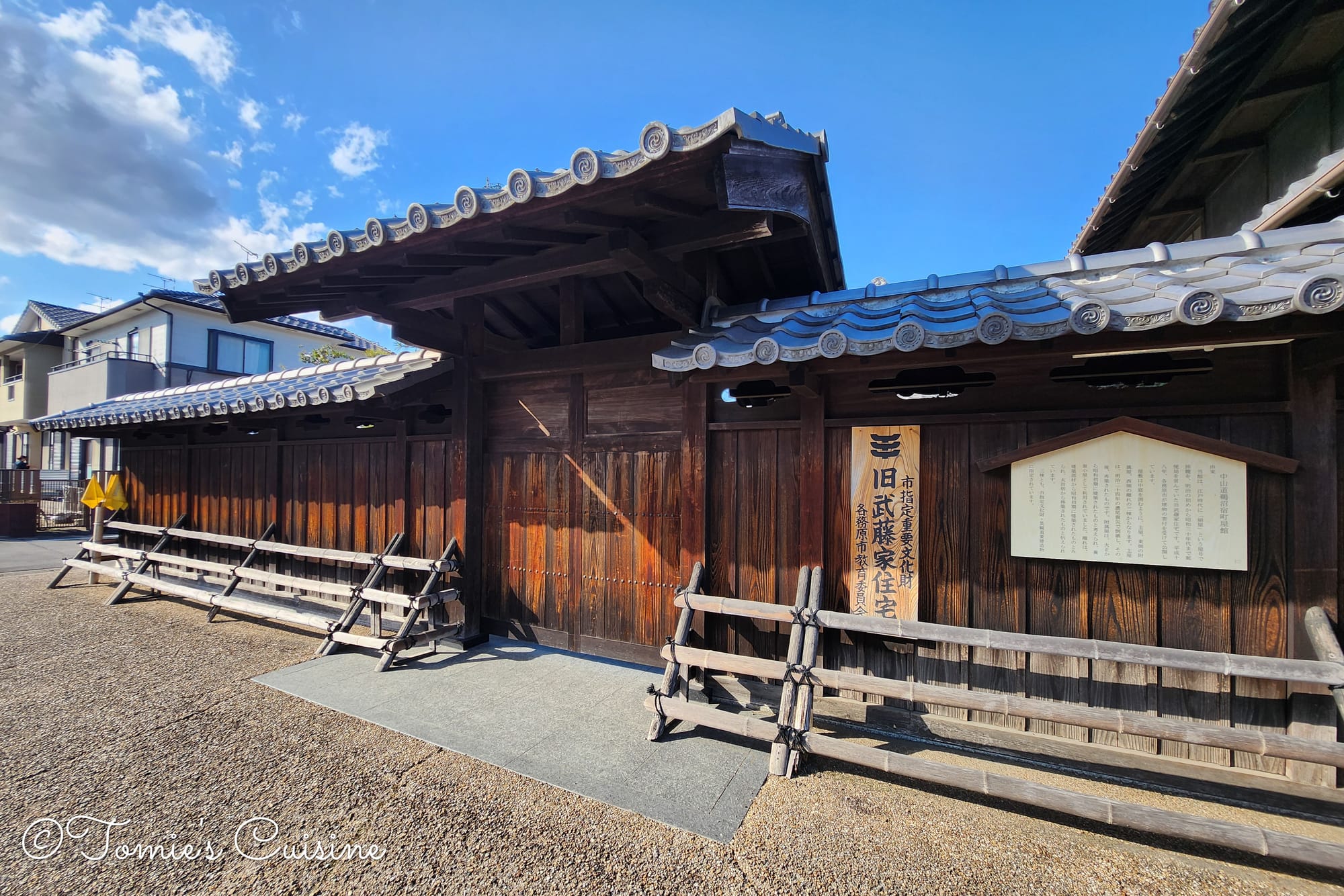
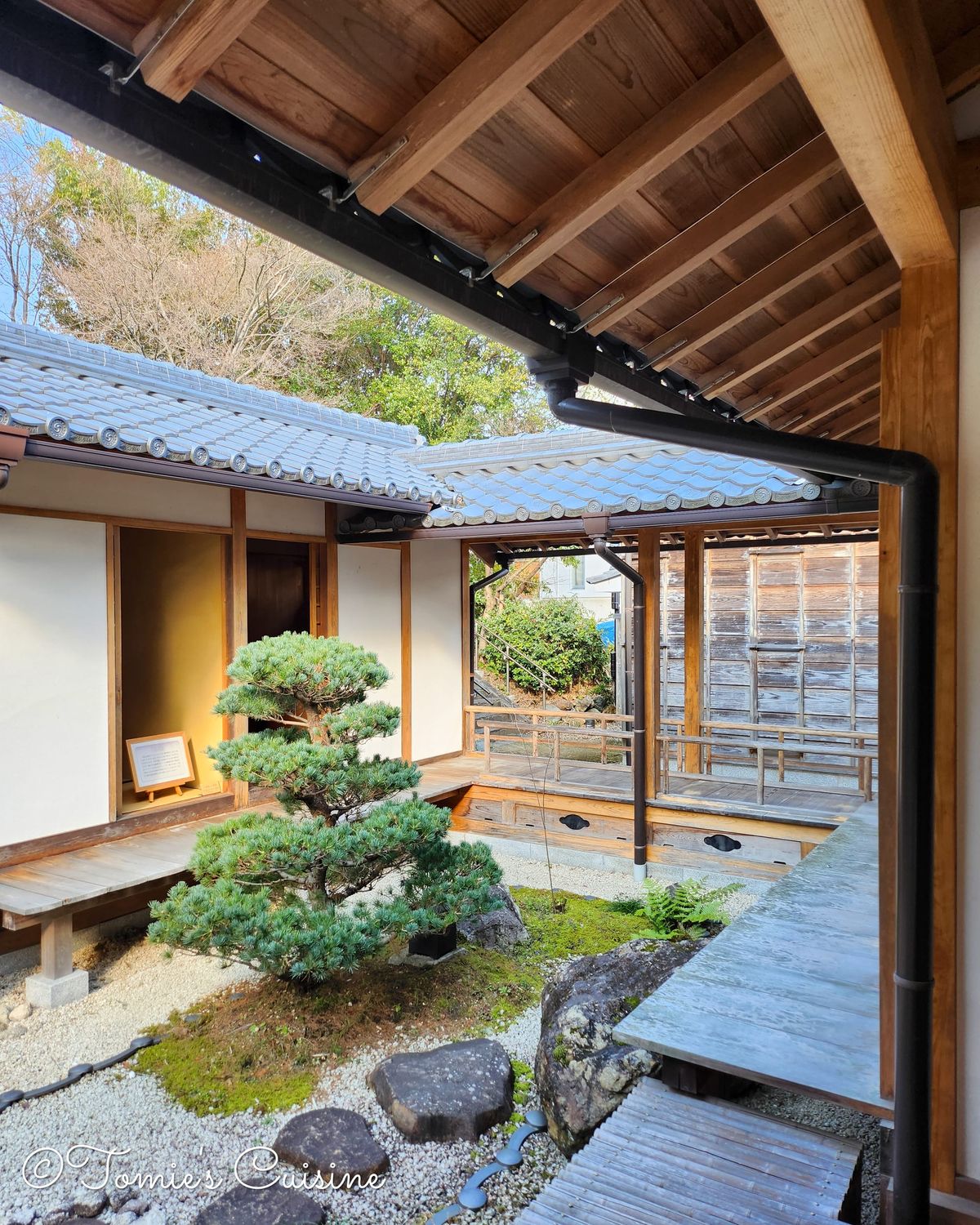
Waki-Honjin in Unuma Post Town, which was rebuilt in 2010.
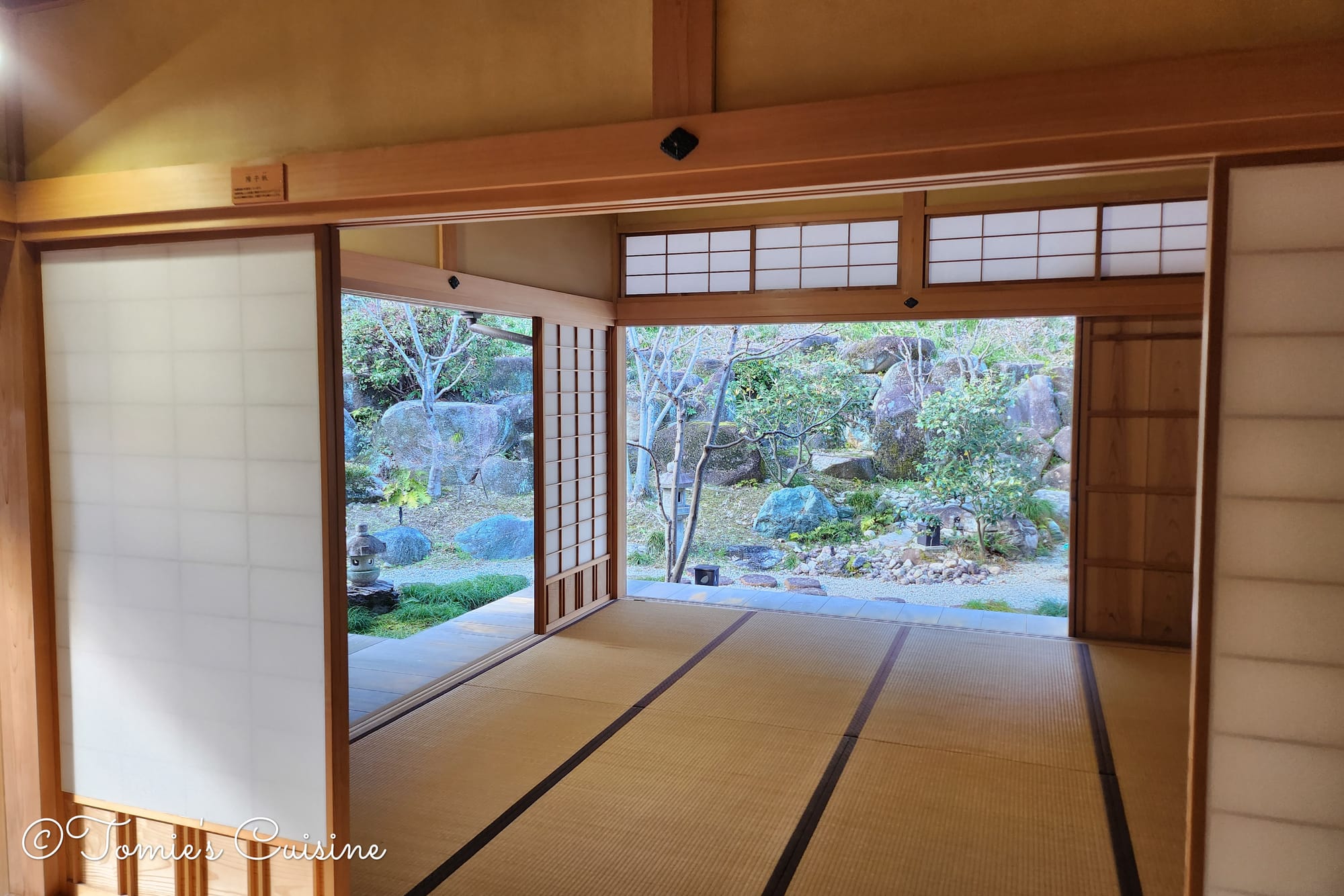
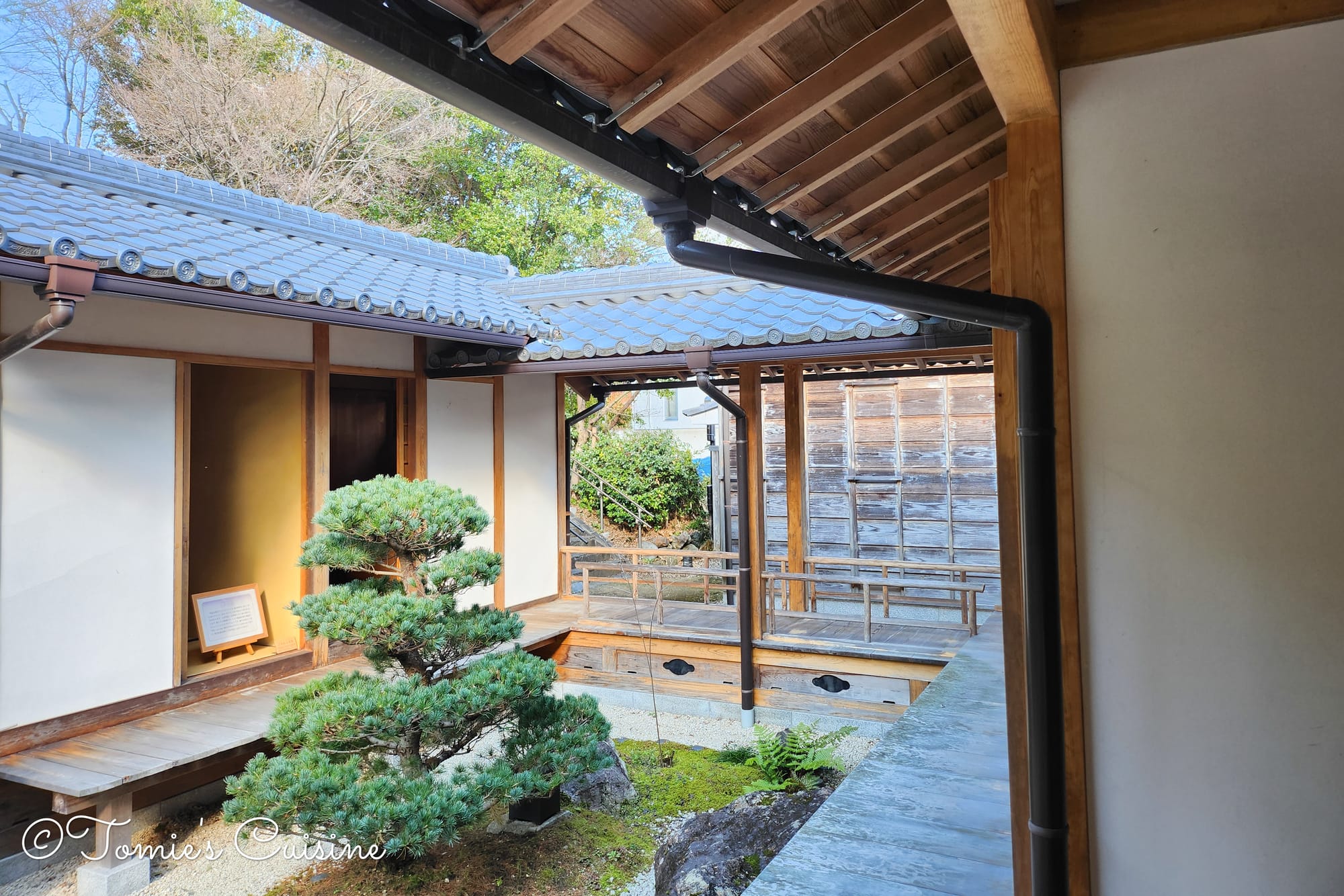
When we arrived around 3 pm, we were fortunate that Waki-Honjin was open to the public, allowing us to explore inside the building.
This beautiful structure was rebuilt in 2010 based on the original Waki-Honjin owned by the Sakai family during the late Edo period. The gate and exterior of the building were modelled after the well-maintained original Waki-Honjin located in Ota post town.
Unuma post town respects its history, and it's impressive how much they have rebuilt or restored those historical monuments.
Many places were closed when we arrived, but at least we could visit the Waki-Honjin. Since there is an Unuma-juku train station (鵜沼宿駅) accessible from Gifu Station, we would love to visit this charming town again.
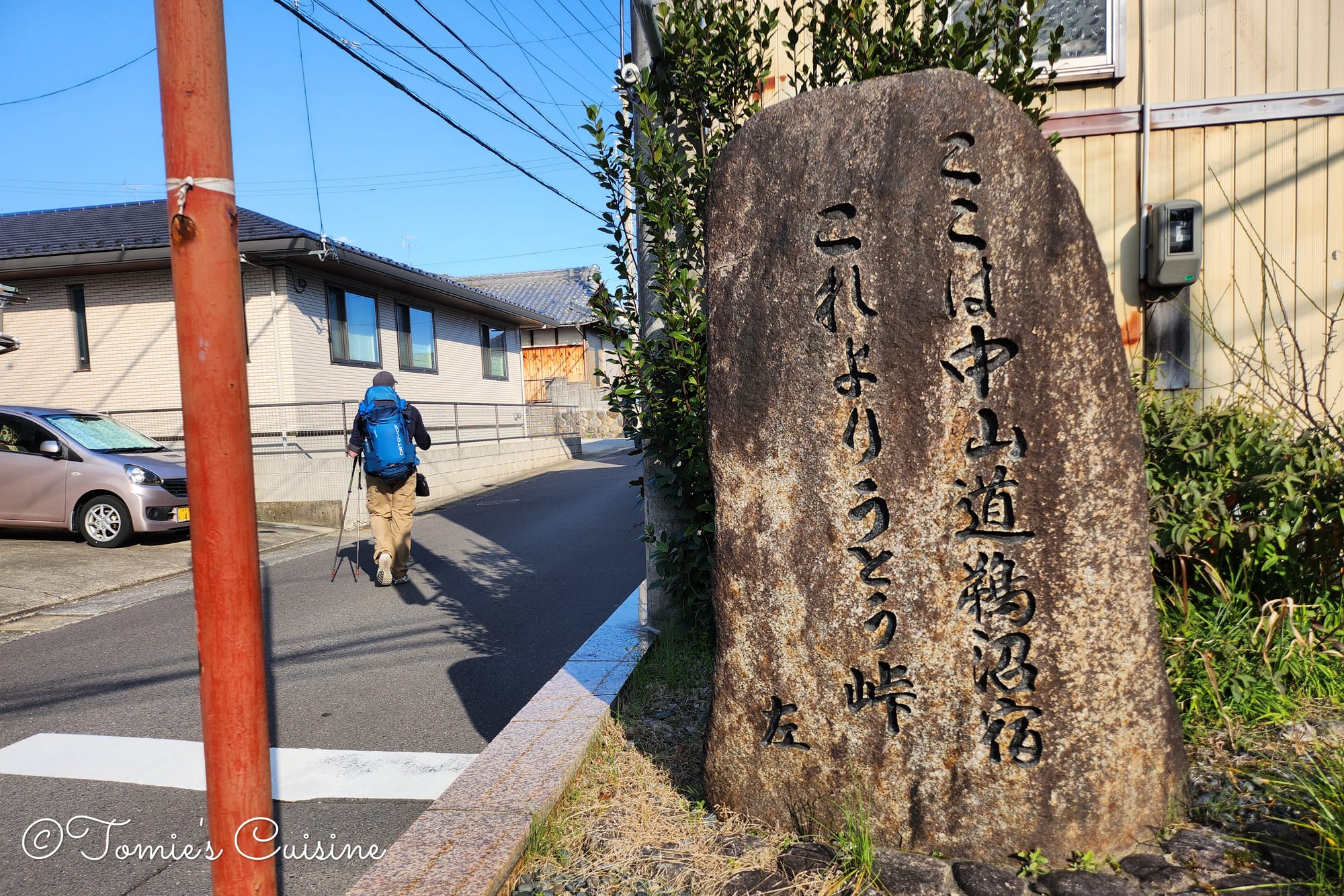
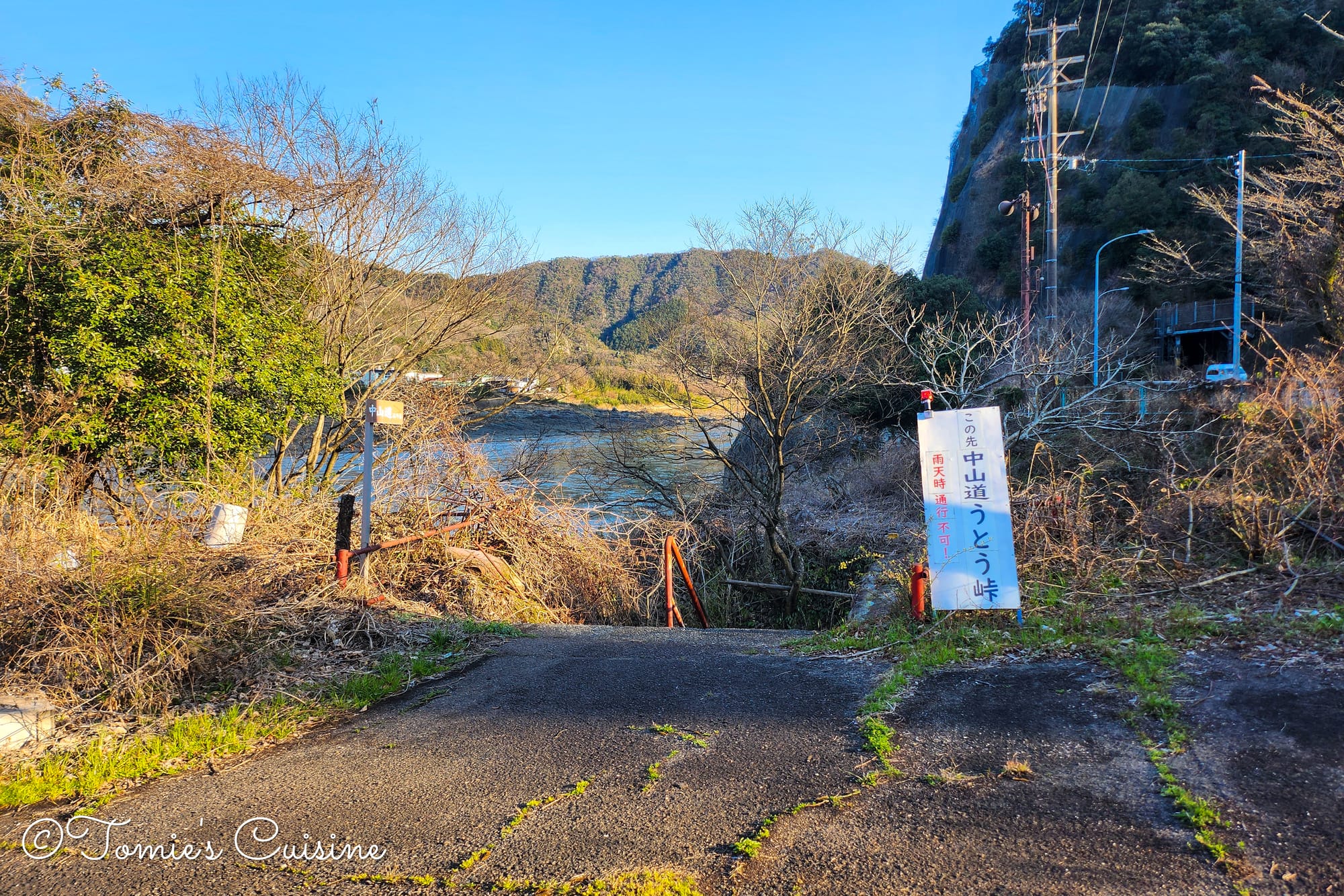
Utou (うとう) = narrow valley in between mountains or creepy
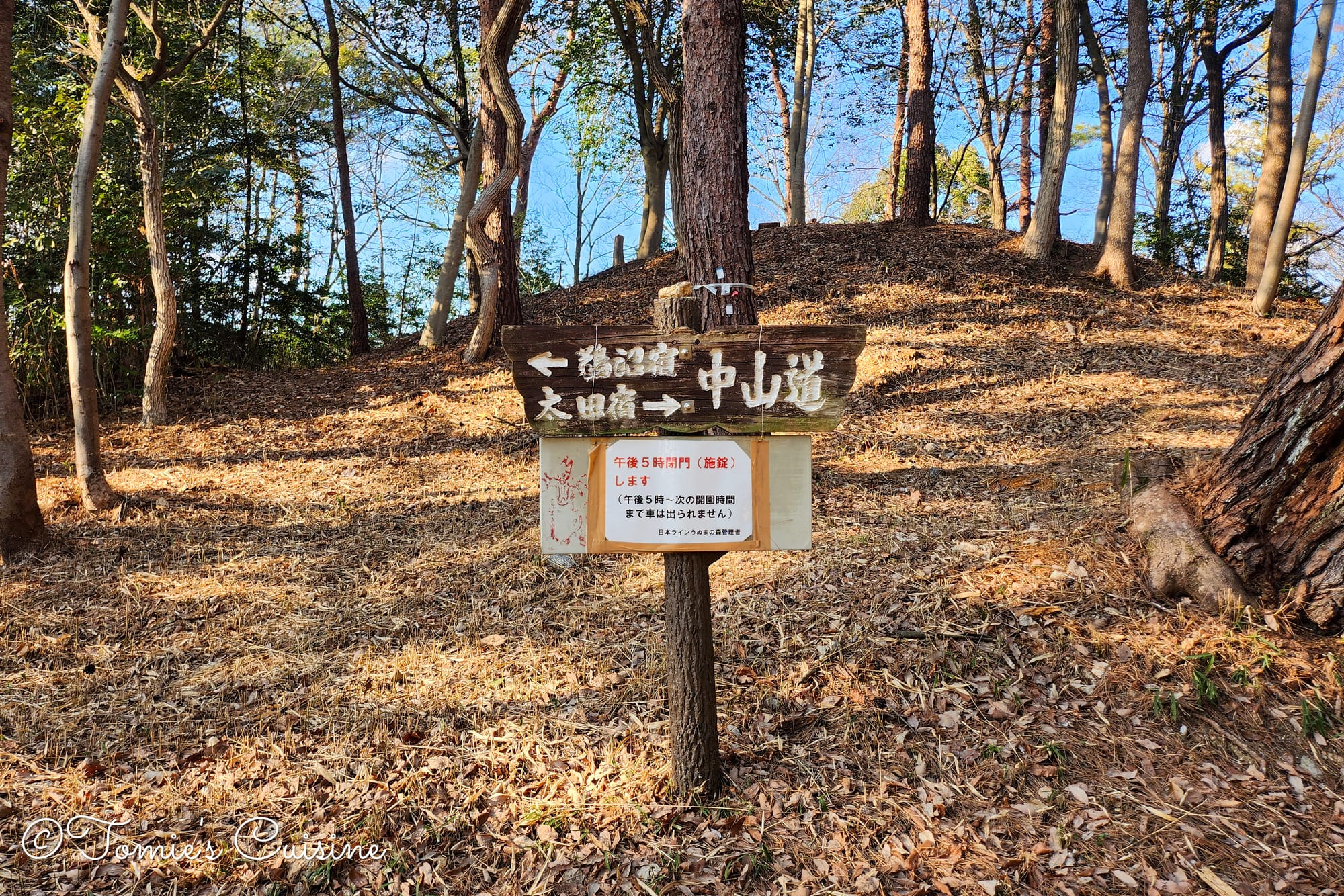
"This is Nakasendo Unuma Post Town. Utou Mountain Pass from here. Left"
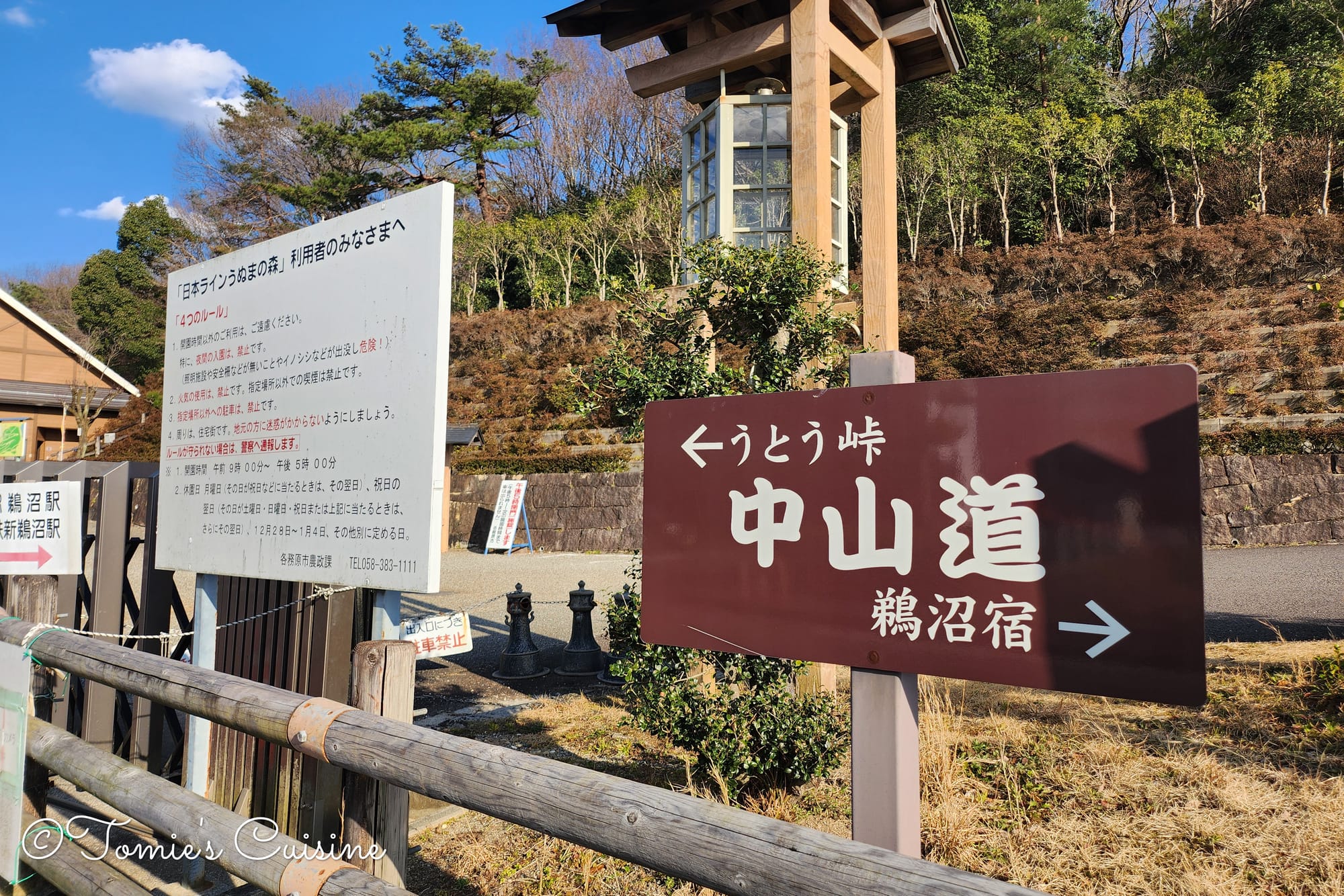
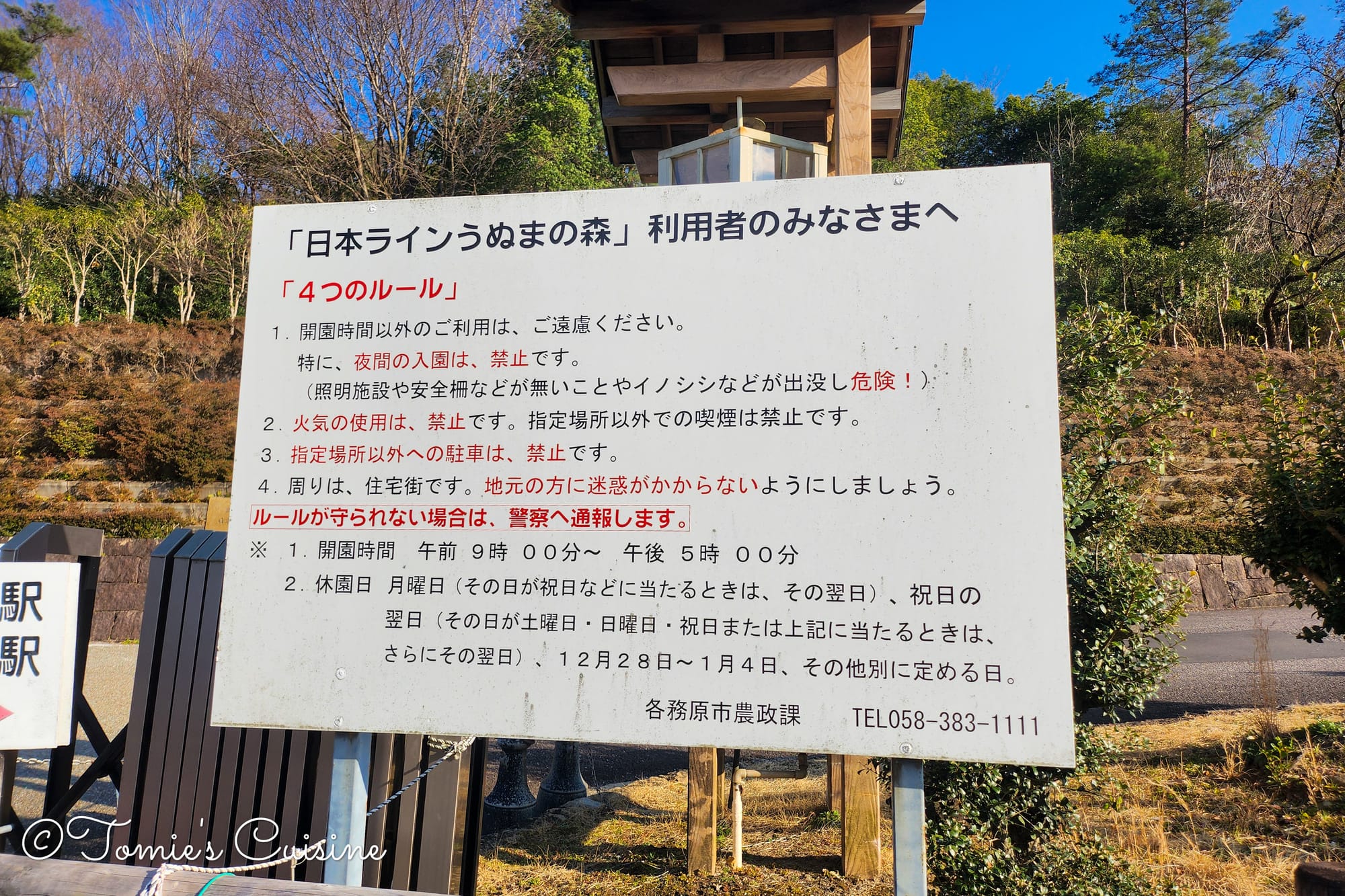
After enjoying a conversation with local volunteers at the Waki-Honjin in Unuma Post Town, we had to rush to pass through the Utou Mountain Pass. We didn't realise that the park gate at the mountain pass would be closed at 5 pm, and that it would be almost pitch black by the time we reached the pass. We needed to head to Ota Post Town.
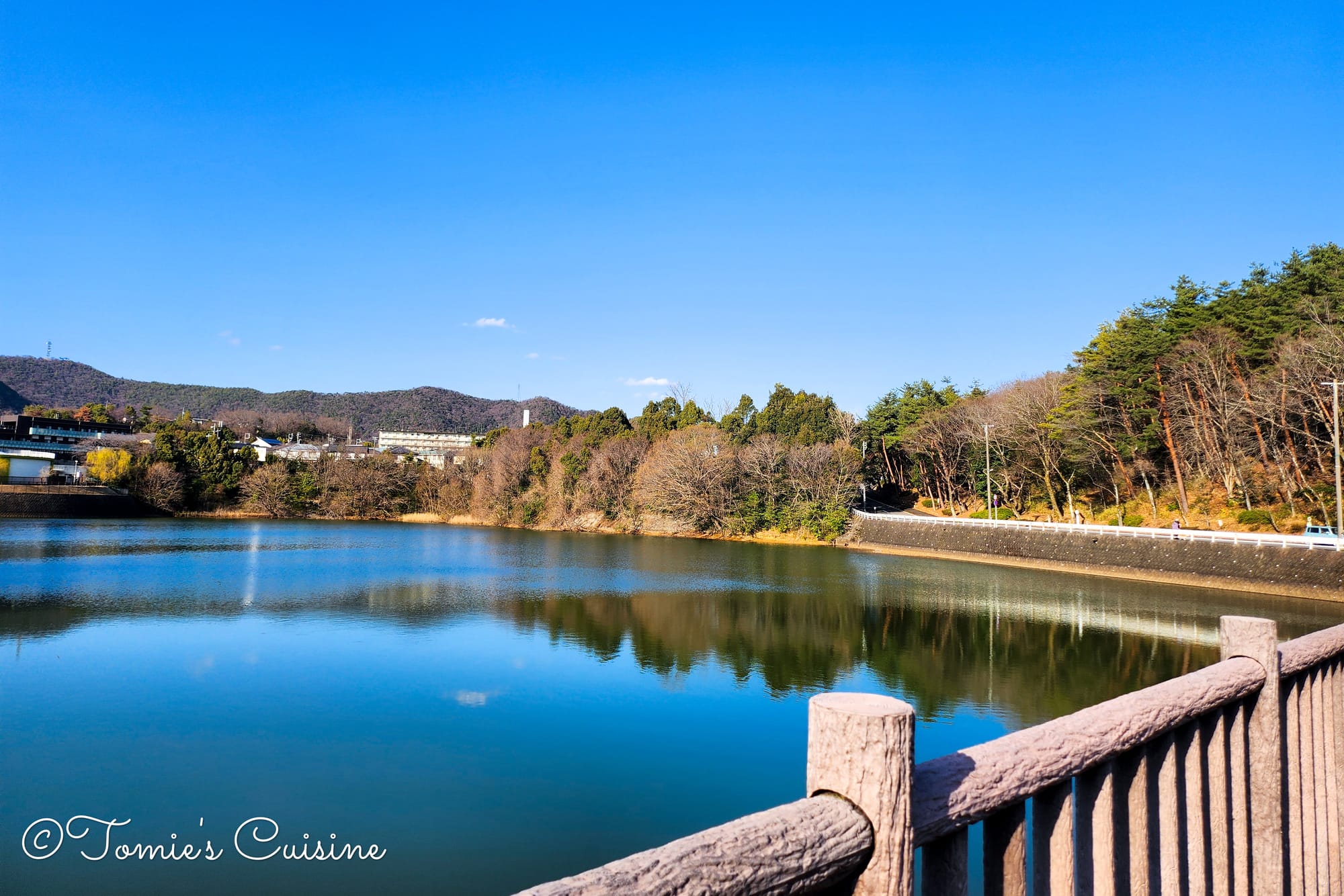
A pond we saw on the way. Some grey carp were swimming.
A Nakasendo sign (left) and 4 rules statement for visitors.
Even though we stopped to chat with a local couple who live near the mountain pass, we still managed to get through!
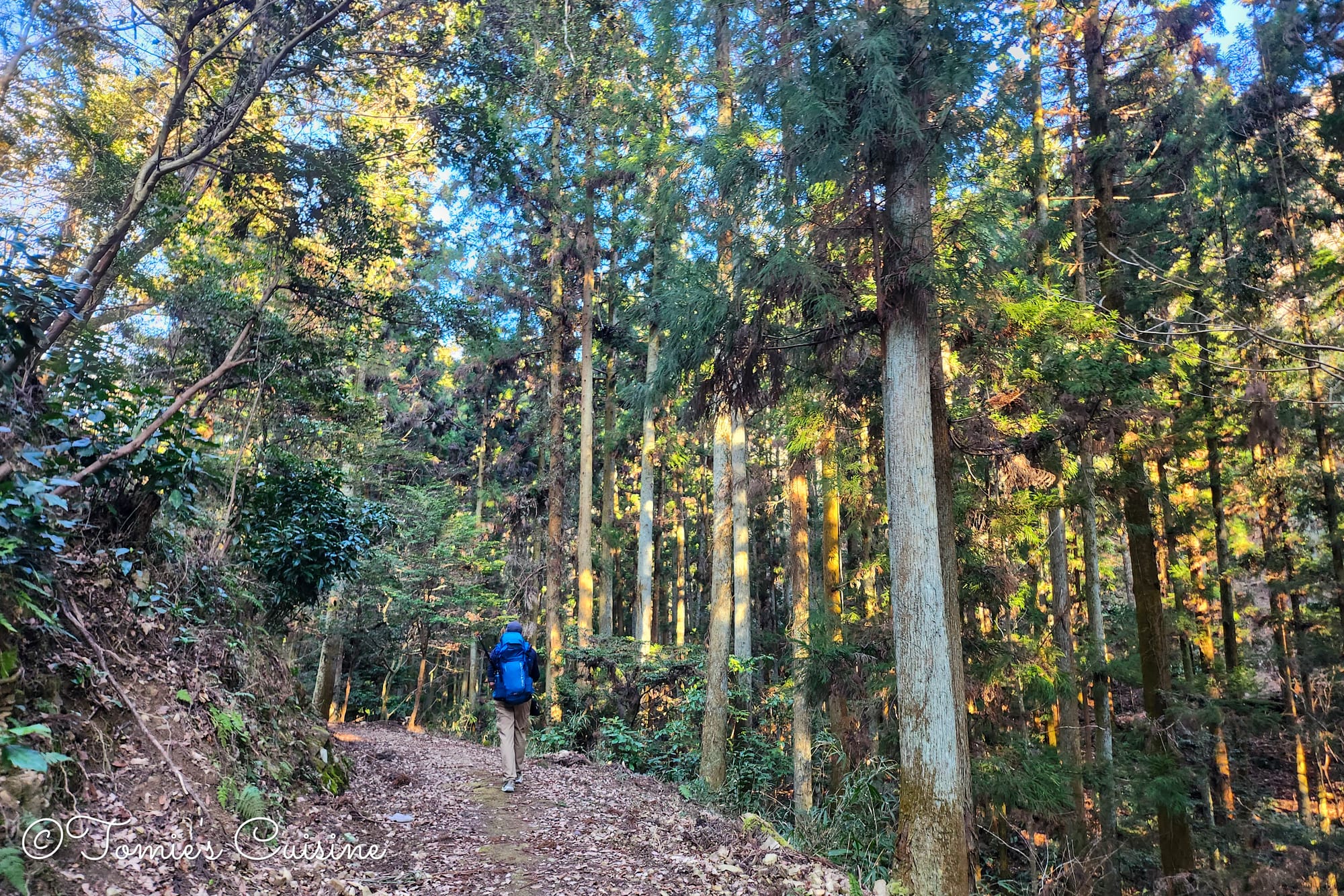
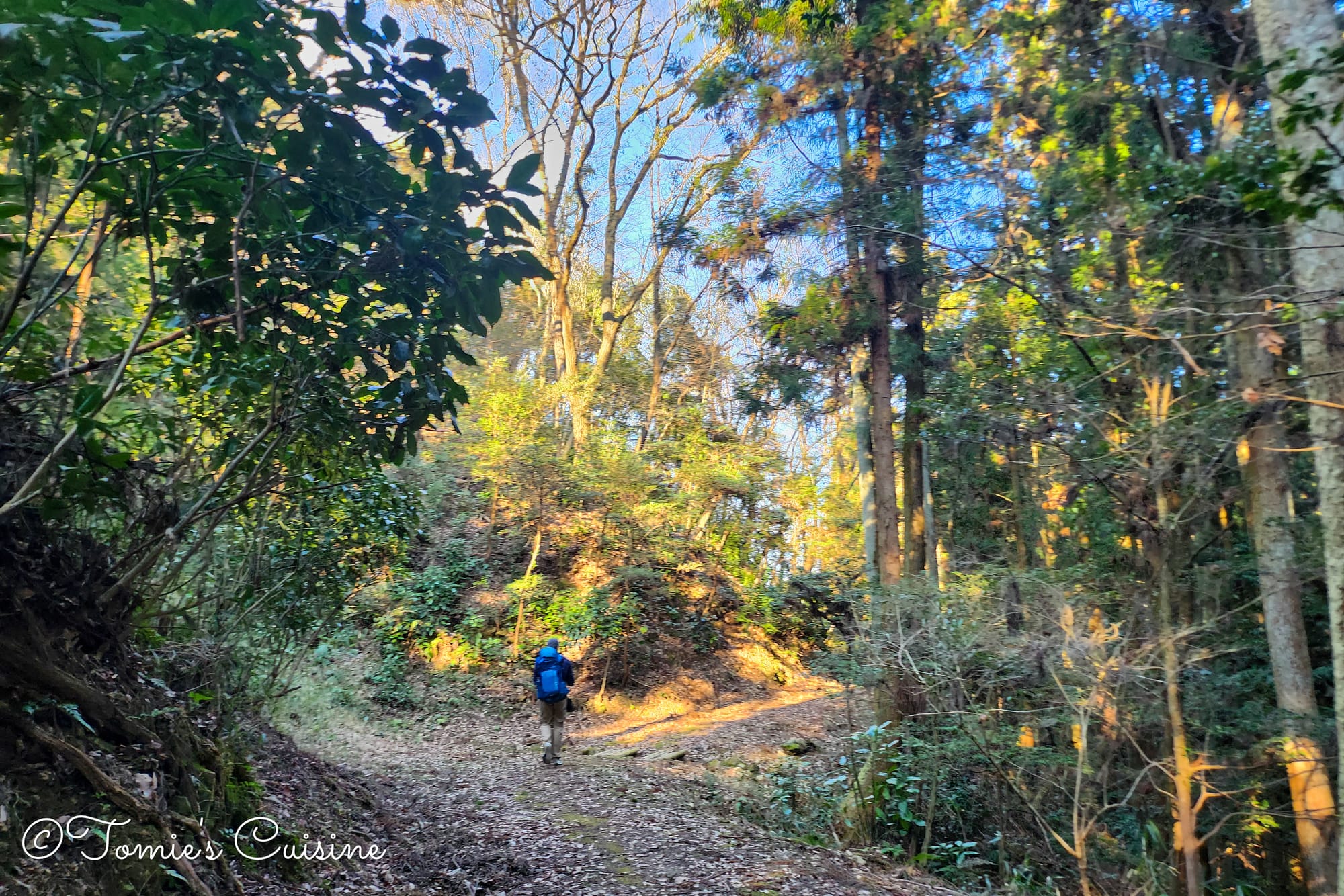
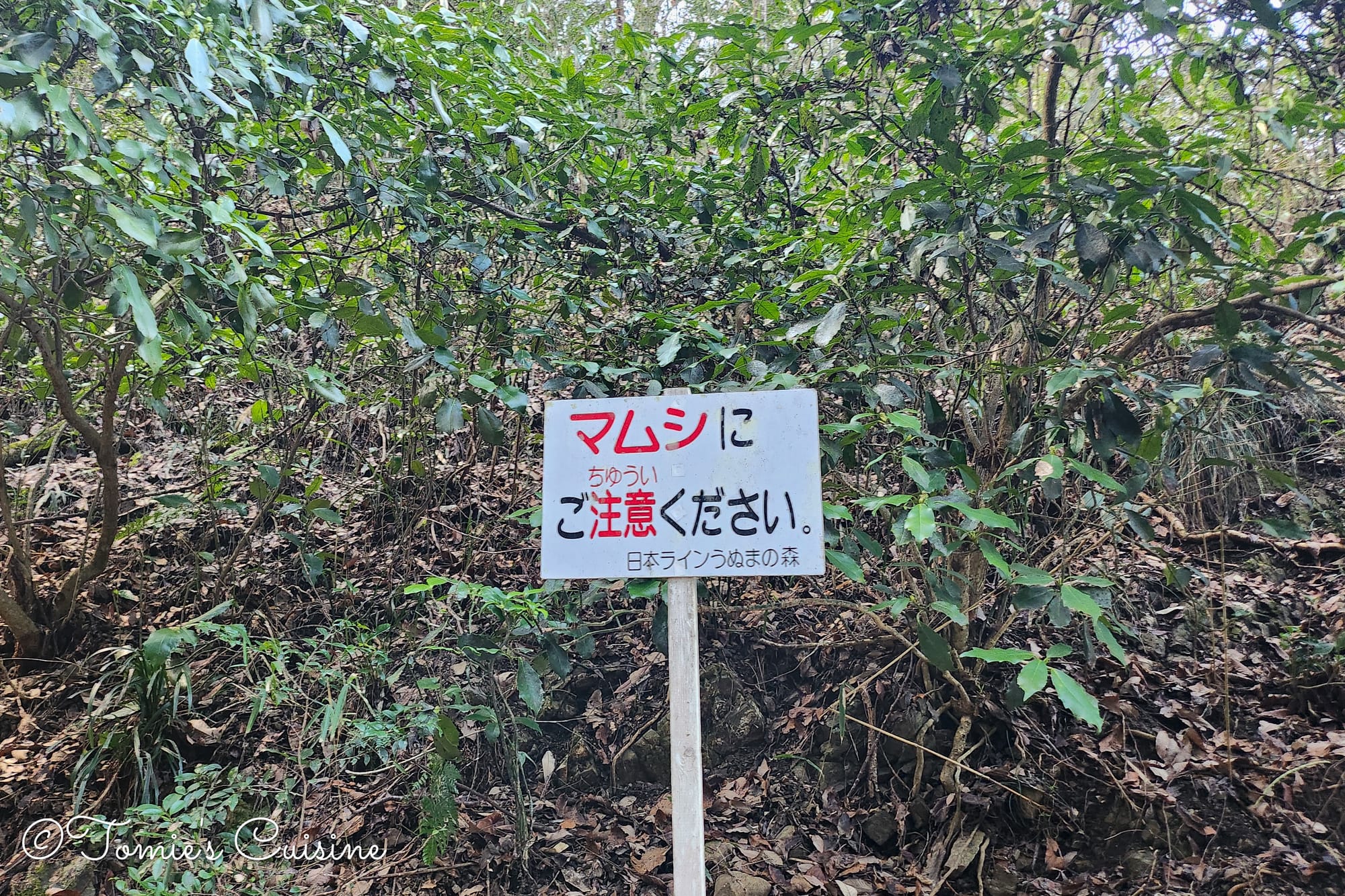
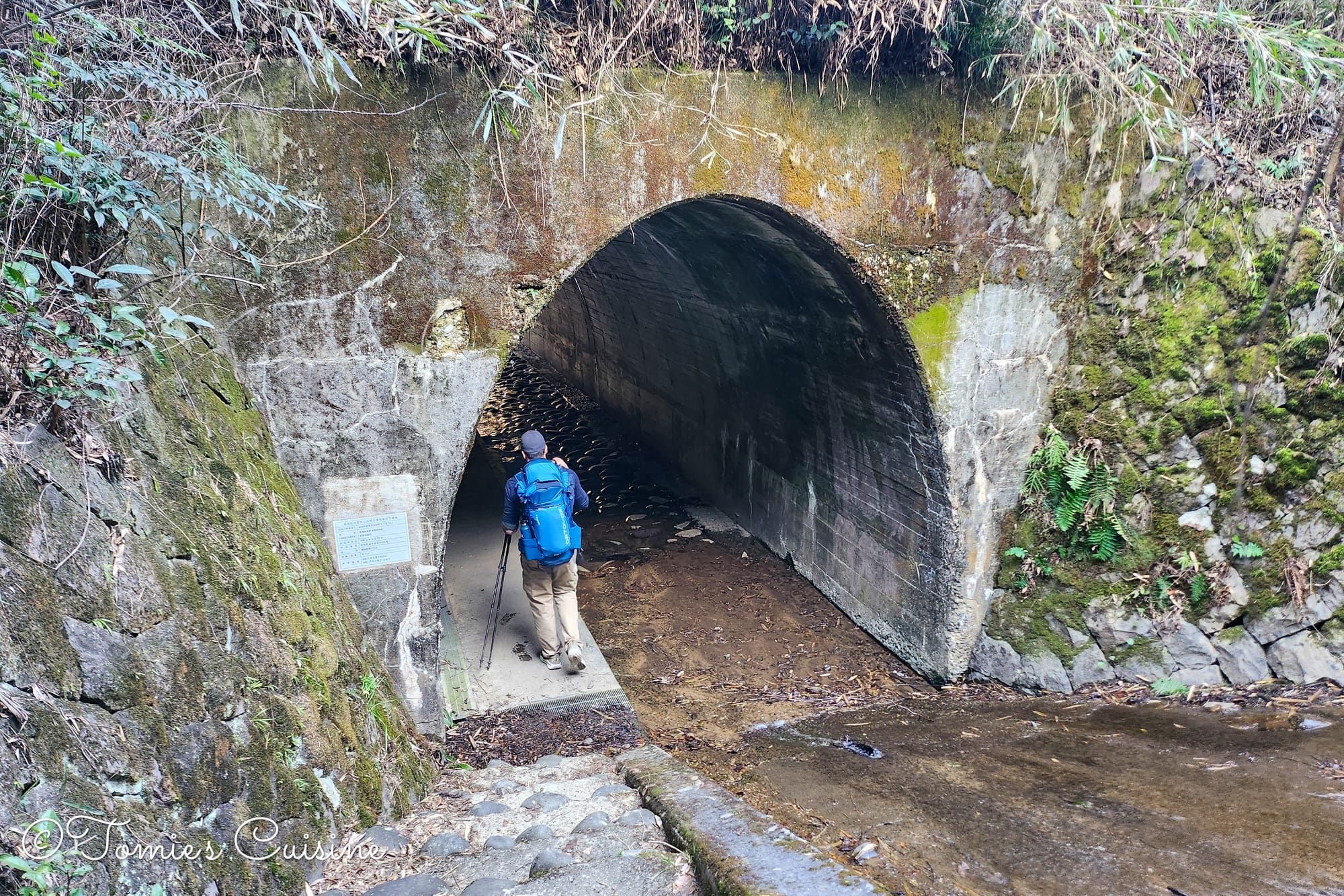
When people named this mountain pass, it may have been because it was once a dark and creepy route, but now it is well-maintained and clean, surrounded by nature. It wasn't too dark yet, but I did notice several signs warning of poisonous snakes, so it's definitely safer to walk there during the day.
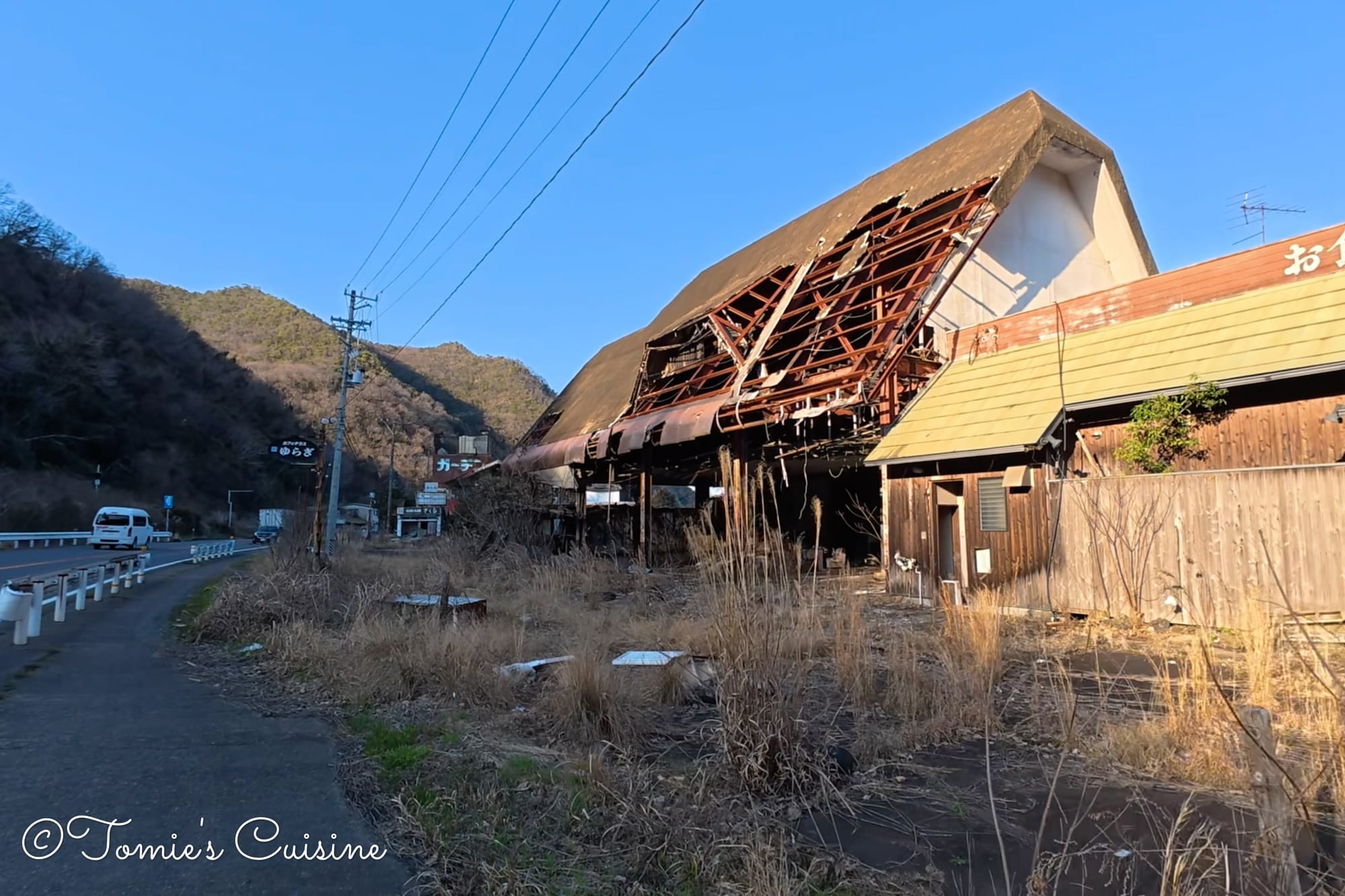
After finishing our walk through the mountain pass, we came across a motorway-like road and some abandoned buildings. At one point, the pedestrian path was difficult to navigate due to its poor condition, so we had to cross the road to continue walking on the other side. That was really scary. There were no crossings or traffic lights, so we had to be extremely careful and quick when crossing the road.
Get our bundle containing the 19 GPX tracks covering the complete Nakasendo trail between Kyoto and Tokyo, as we walked it in early Spring 2025, plus our PDF guide you can take with you on the road.
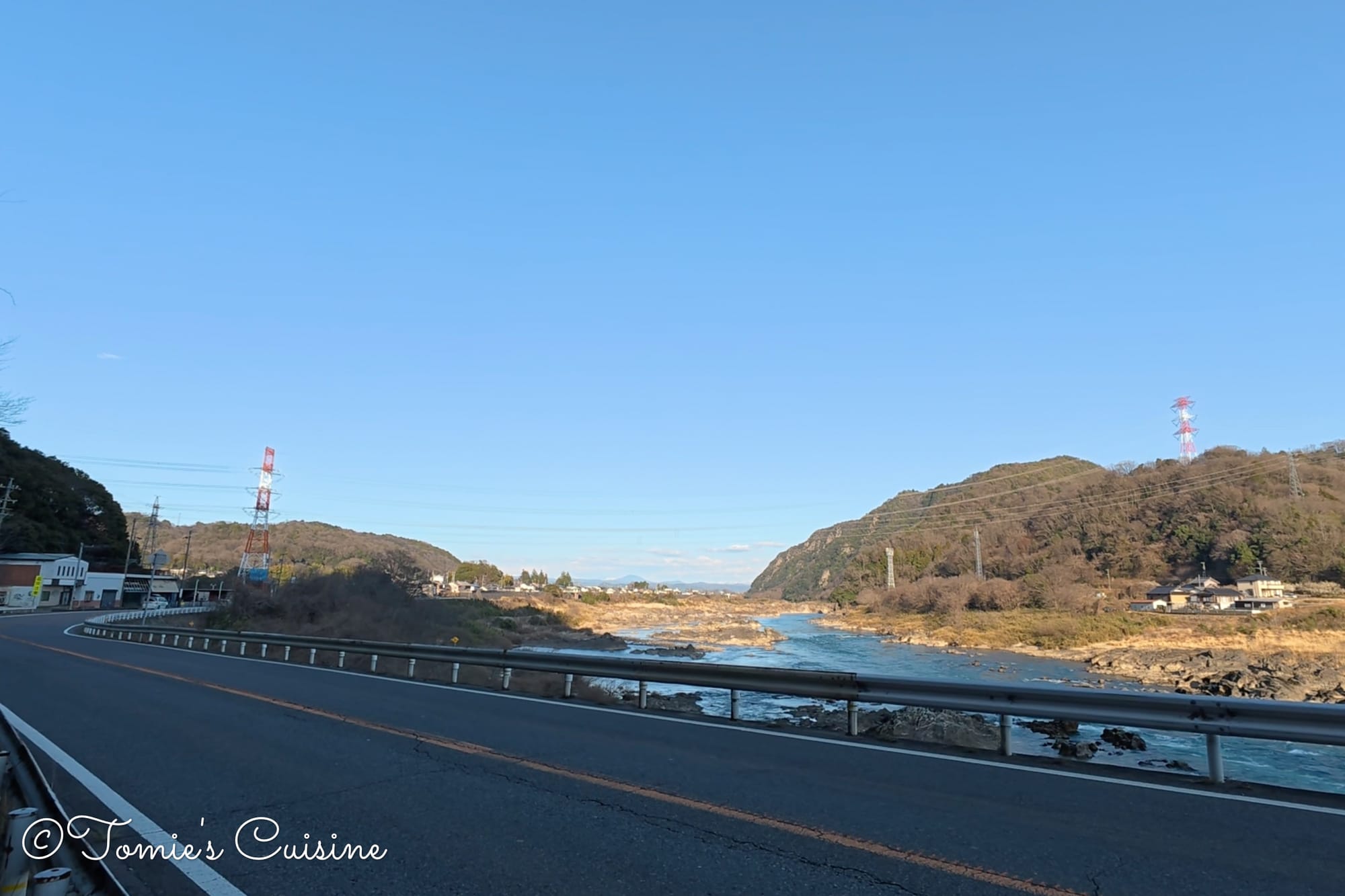
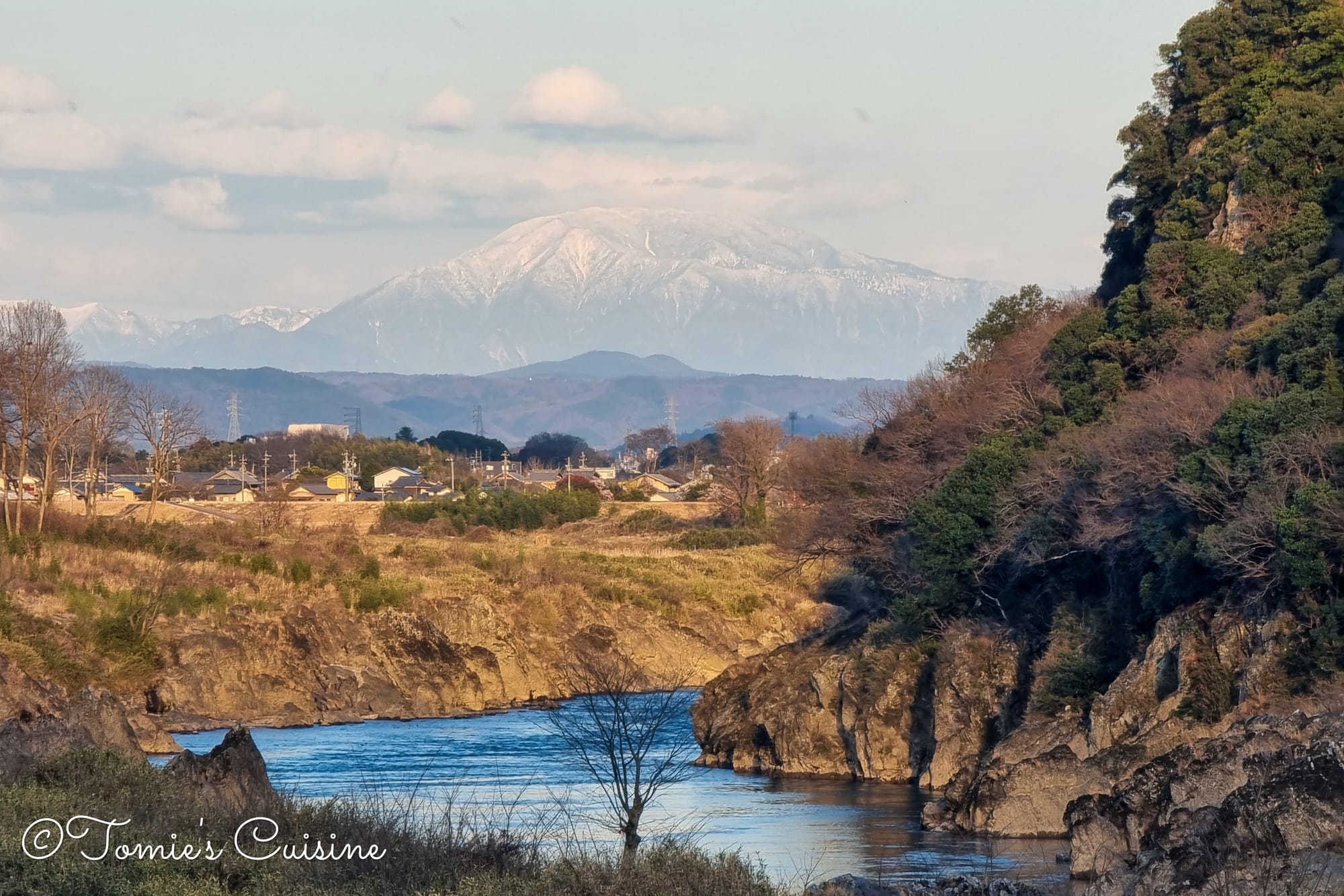
This is the moment the Kiso River (木曽川) finally comes into view. The river that would define the next several days of our Nakasendo journey, and gives it the alternative name, the Kiso-kaido.
After a while, we began to see the Kiso River!
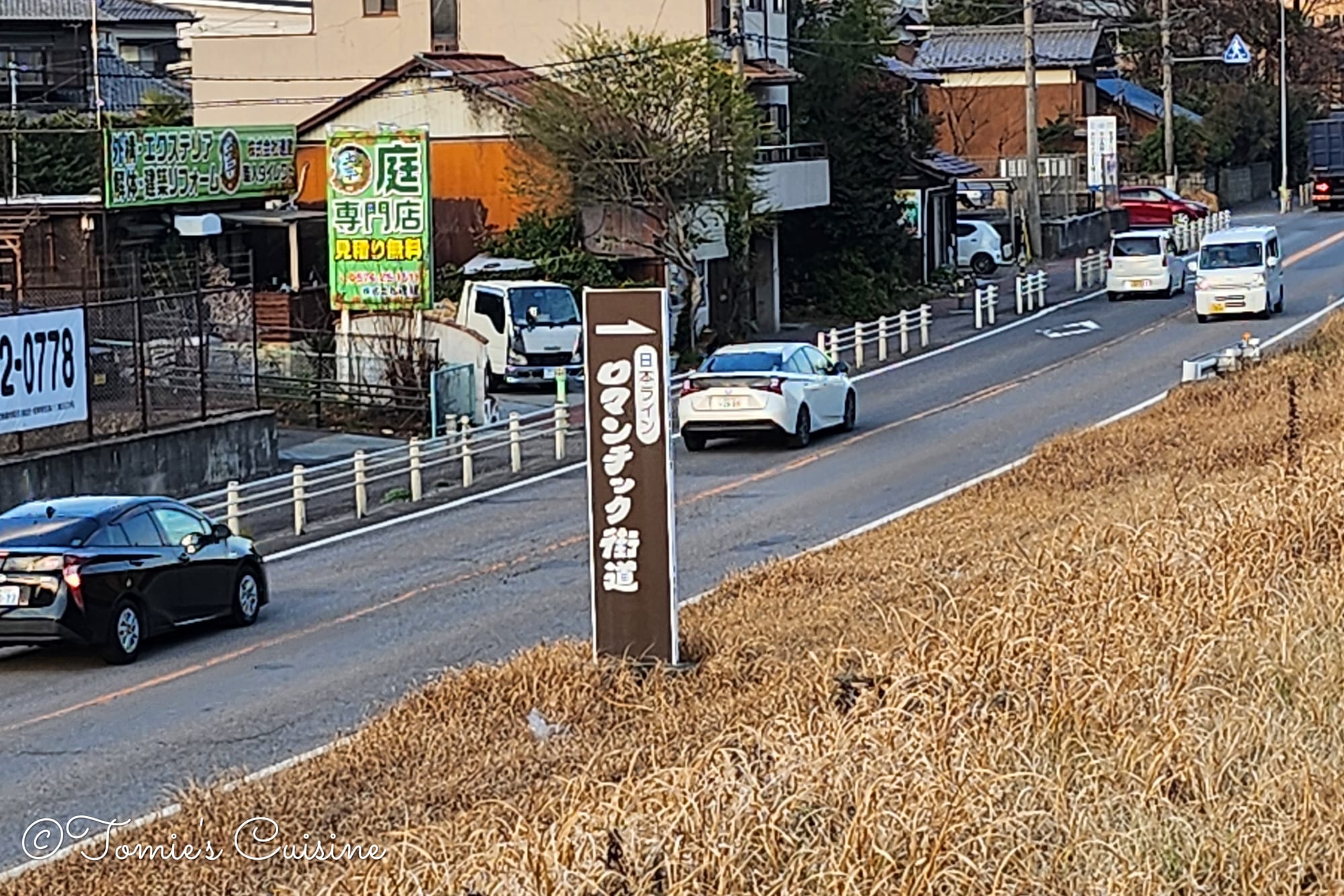
Japan Rhine Romantic Road (日本ライン、ロマンチック街道) seems like a popular spot for walking, running and cycling.
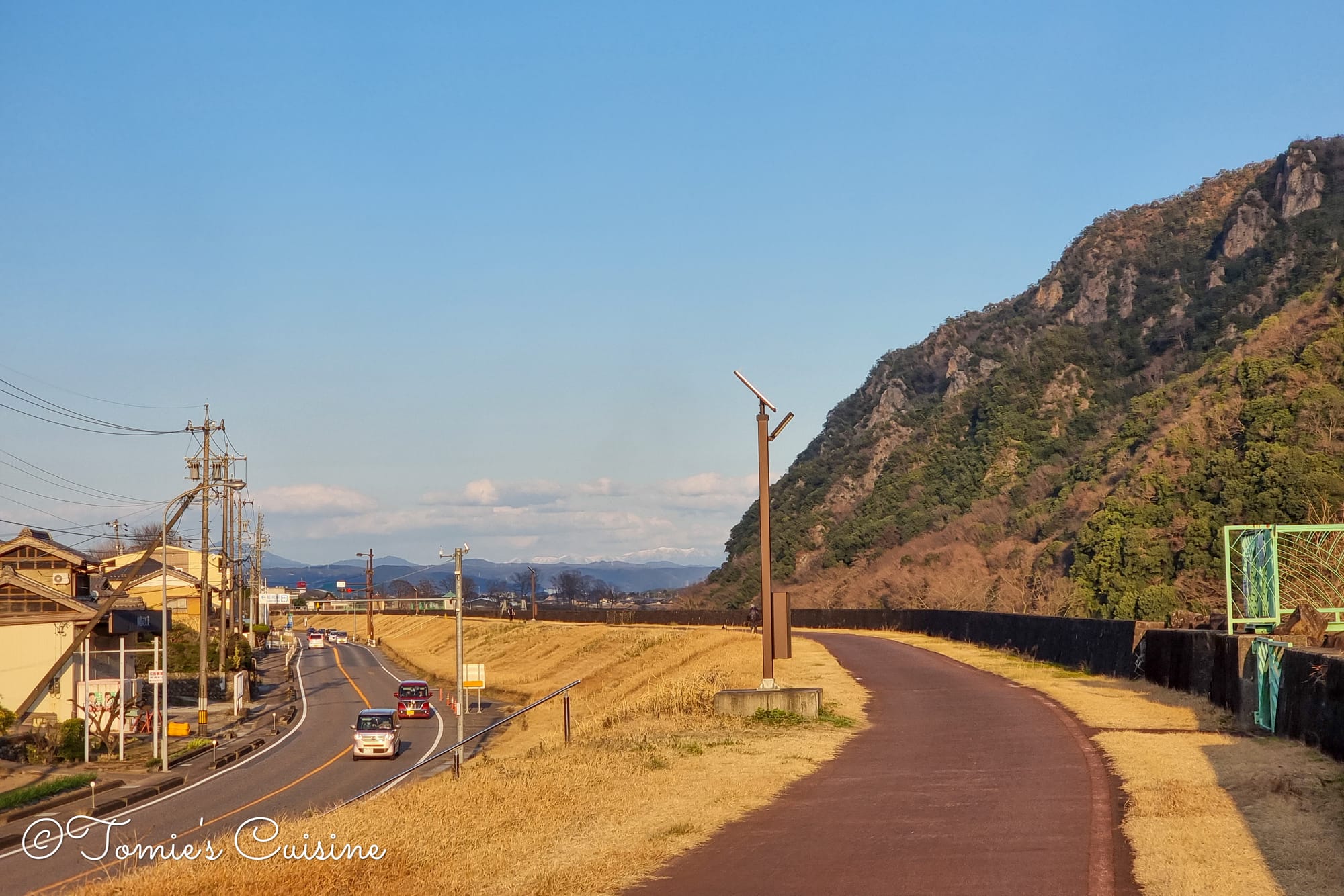
Along the river, we followed the walking path known as "The Romantic Road." This road is named after the Romantic Road in Germany because the stunning gorge scenery of the Kiso River resembles that of the Rhine River. As a result, the Kiso River is also referred to as the "Japan Rhine (日本ライン)".
We took a short break at a bench before continuing to Ota Post Town.had
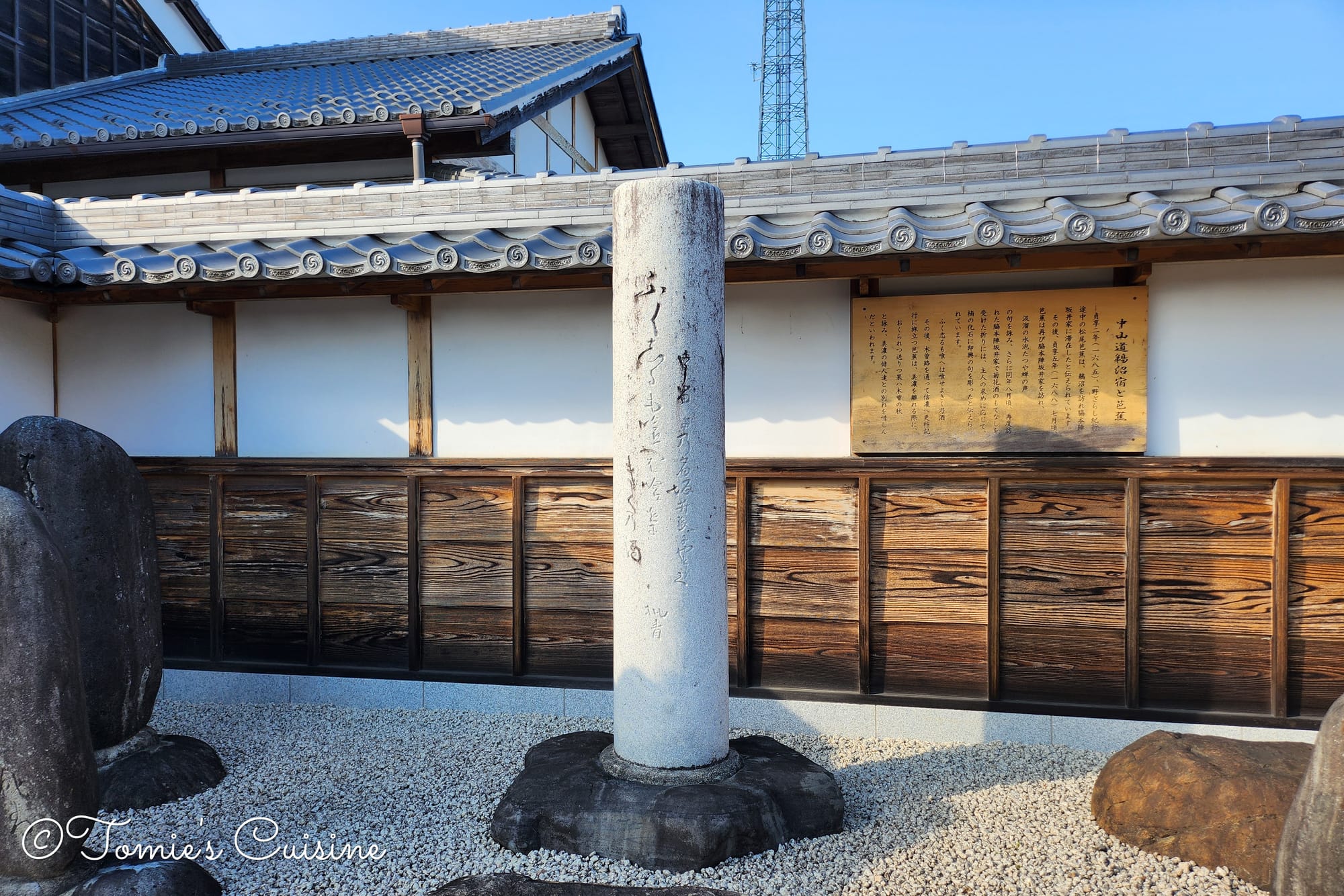
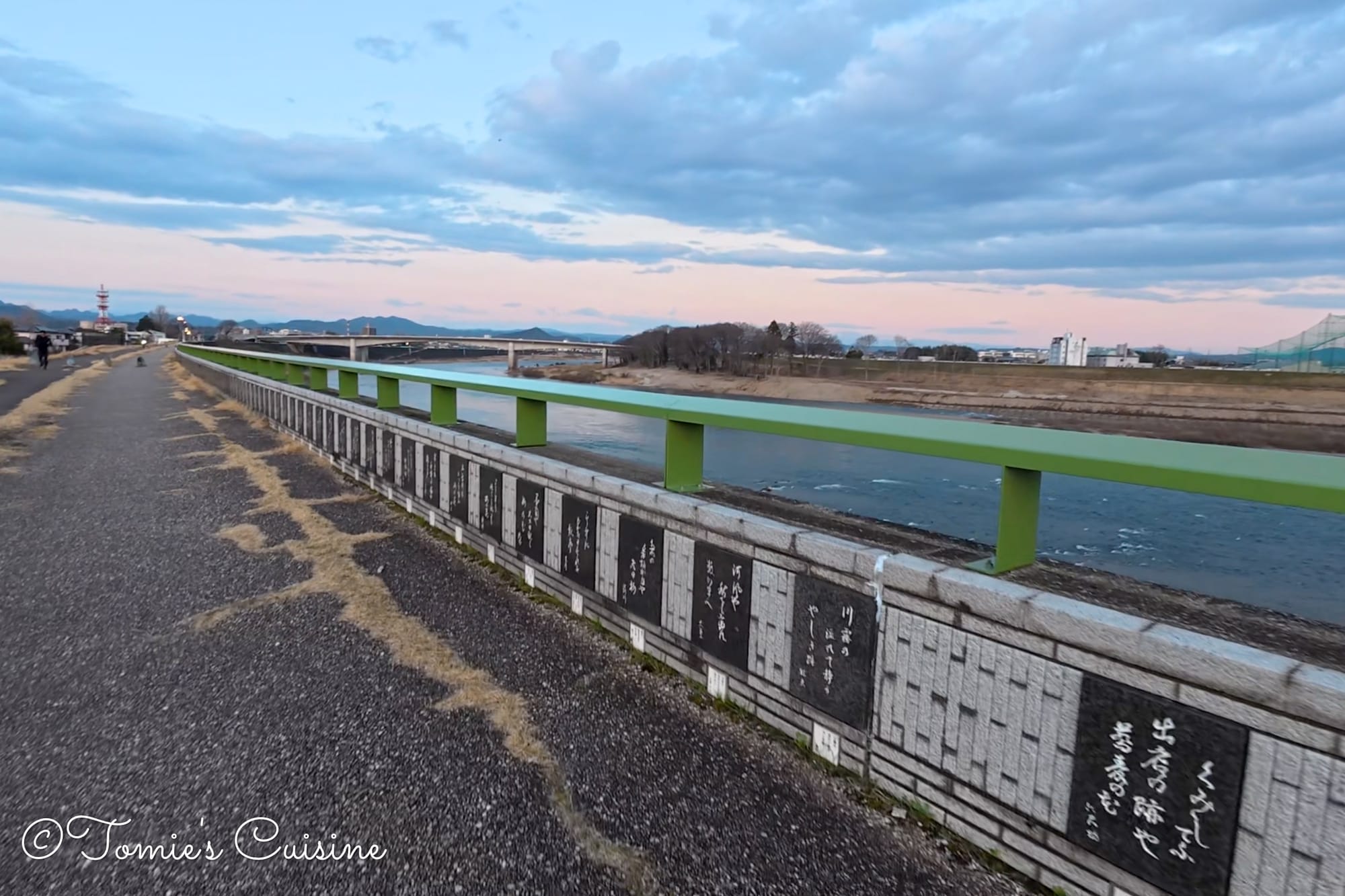
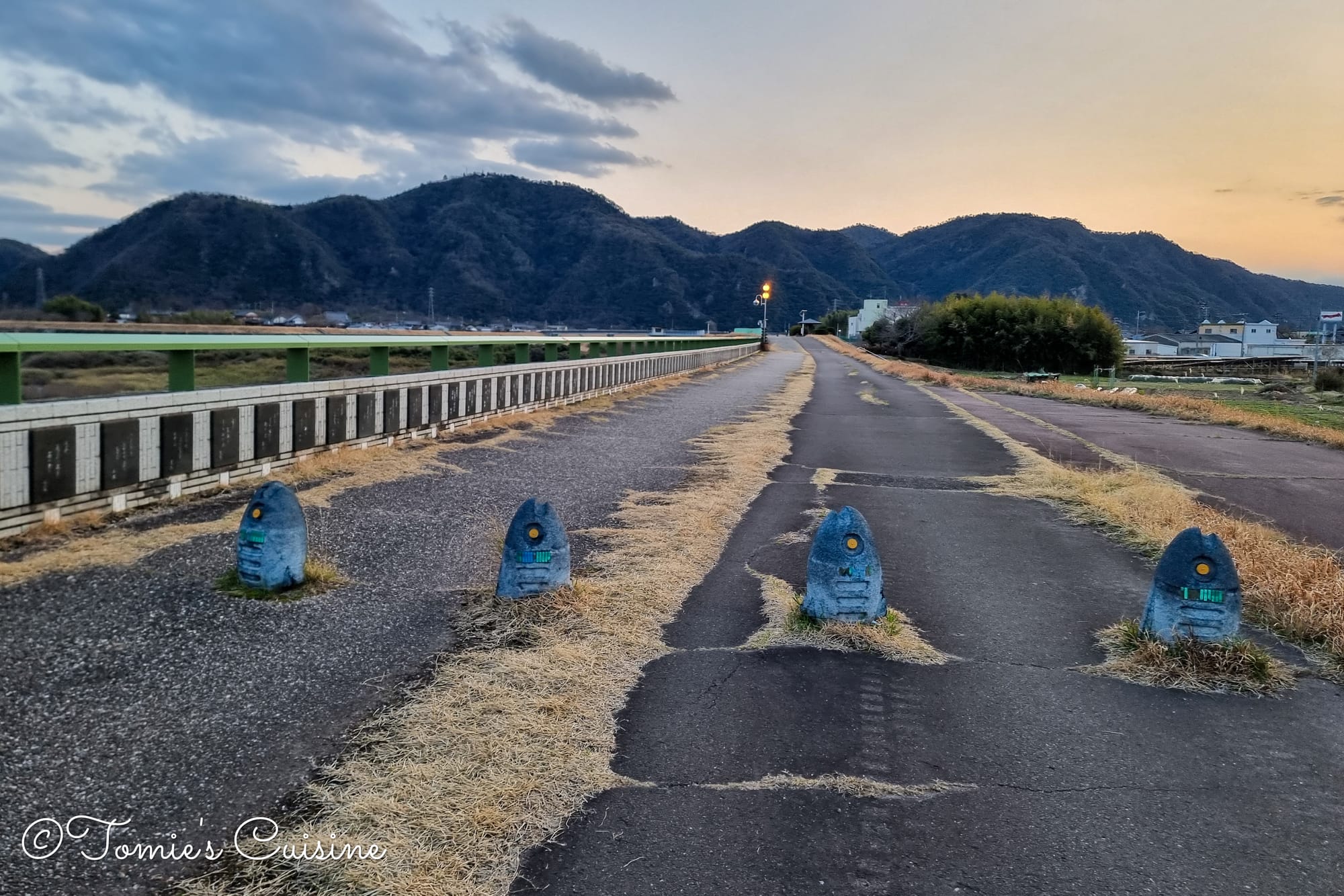
Collection of different Haiku along the way (Left), Those fish head-shaped bollards look as if you are in an RPG battle scene.
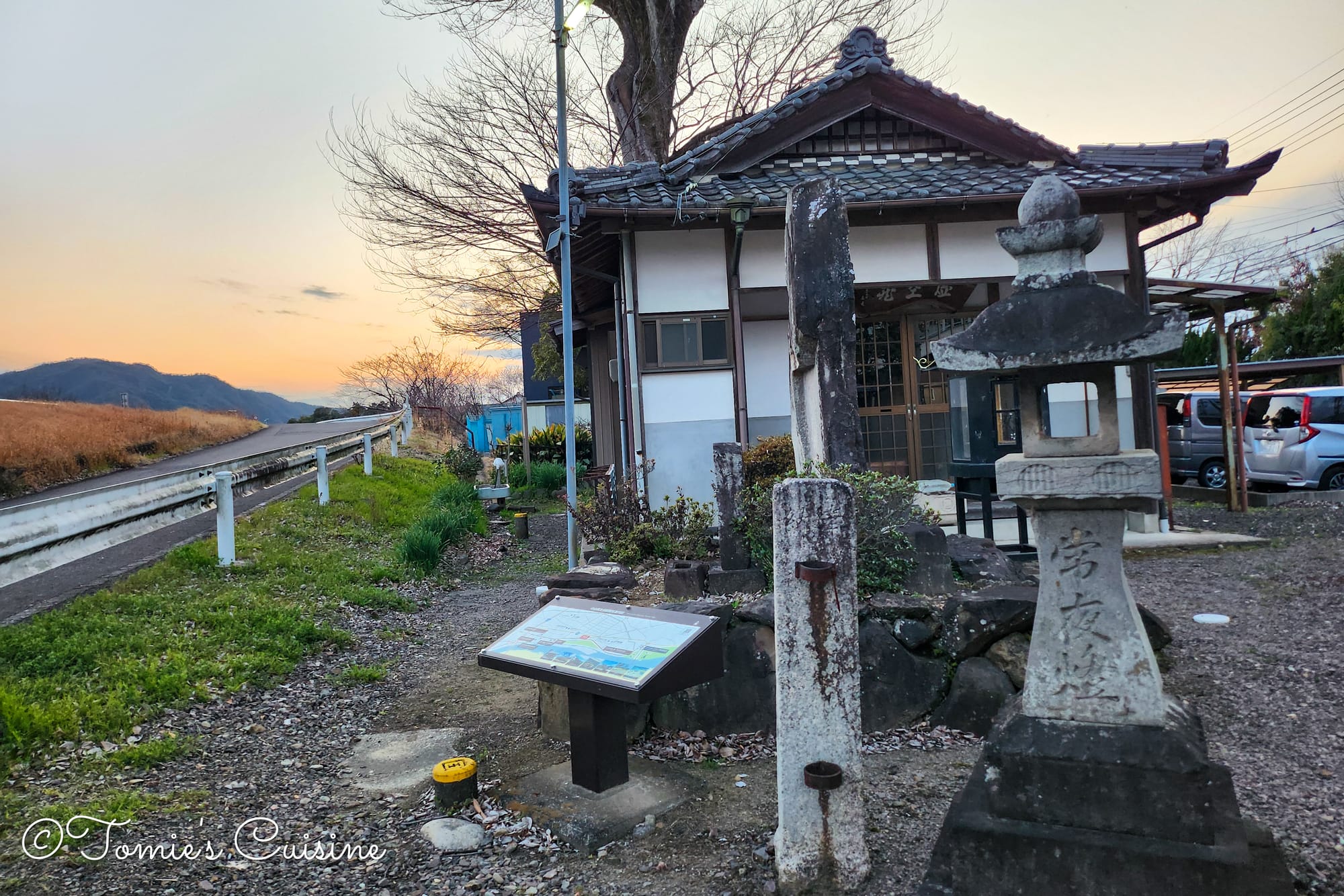
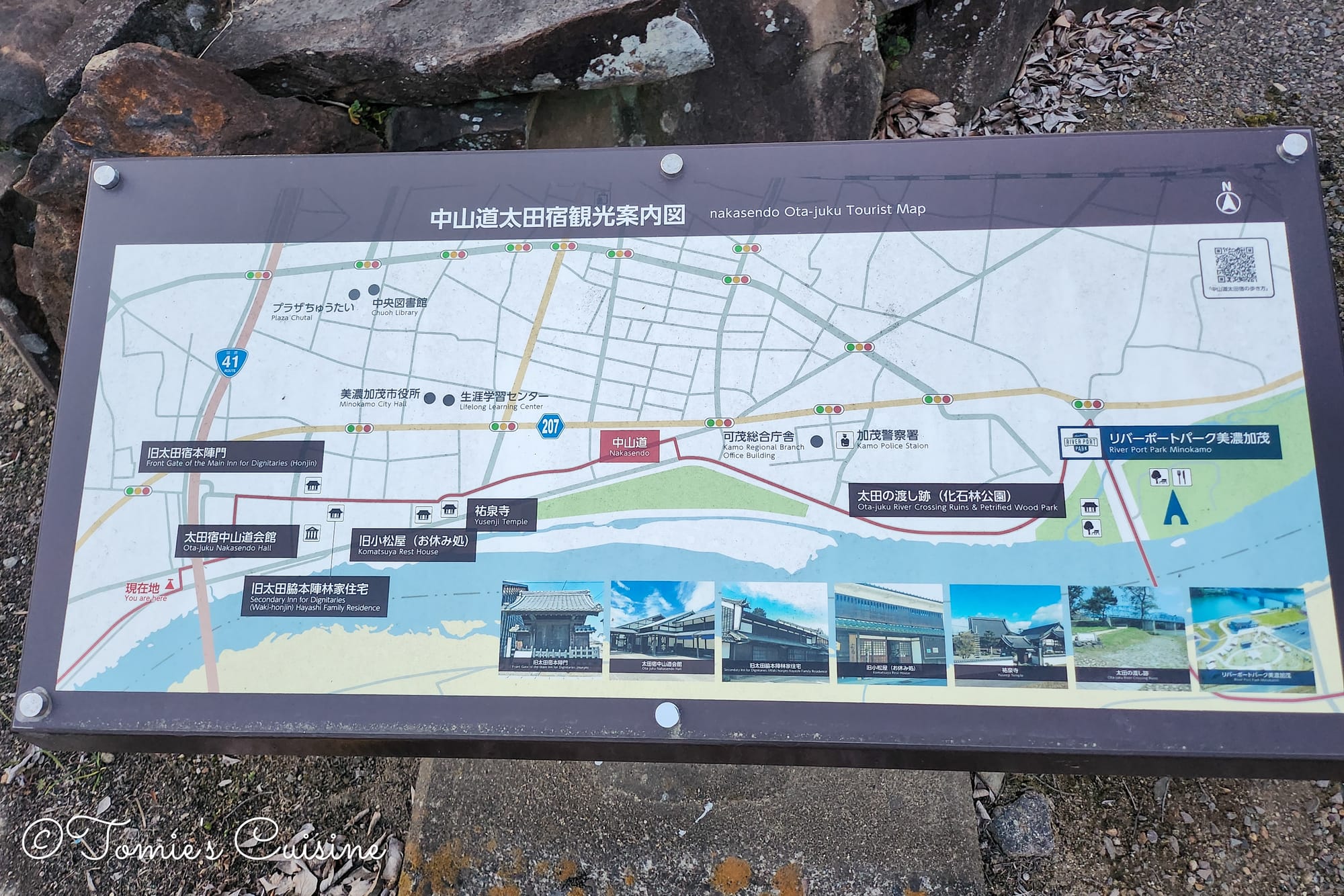
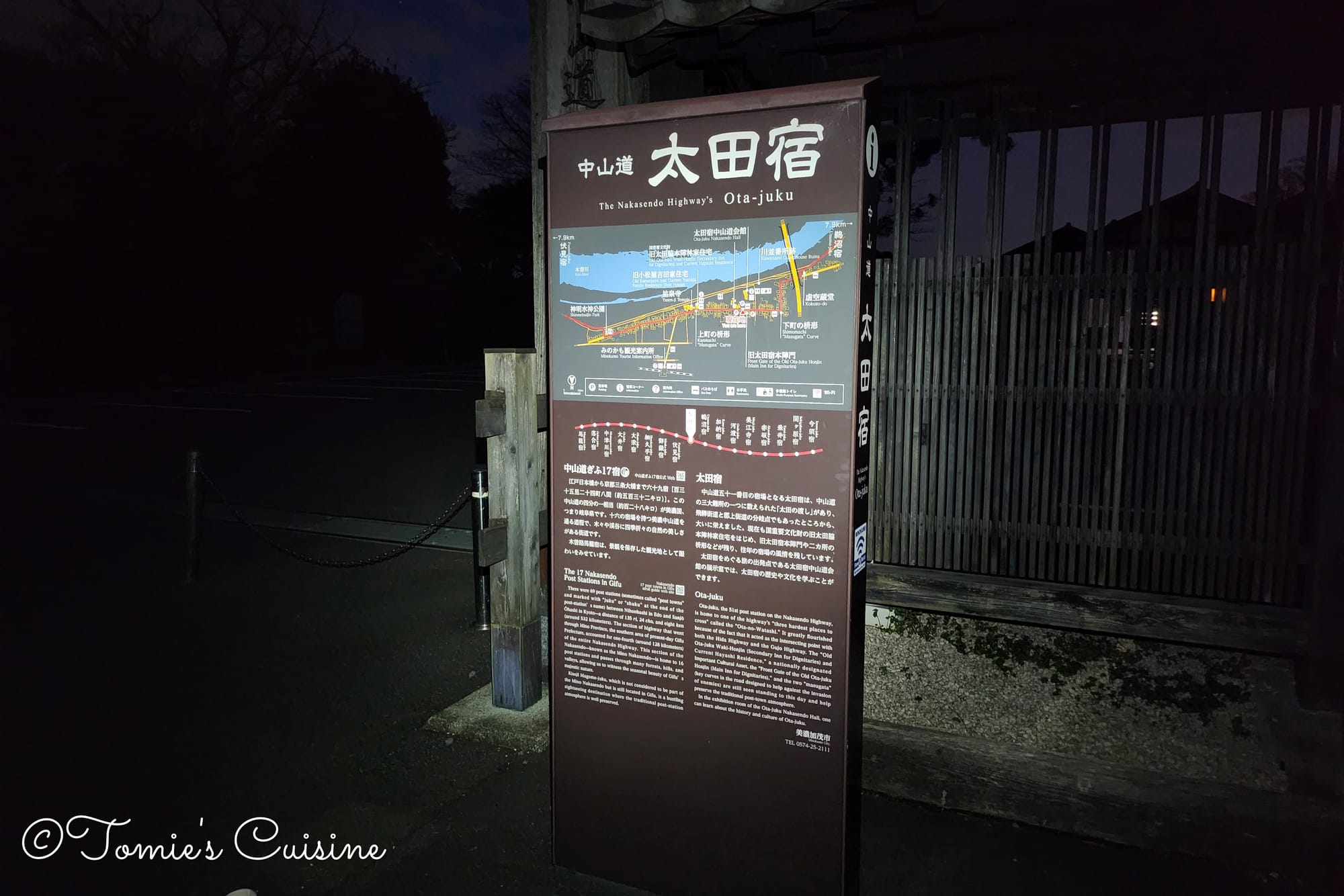
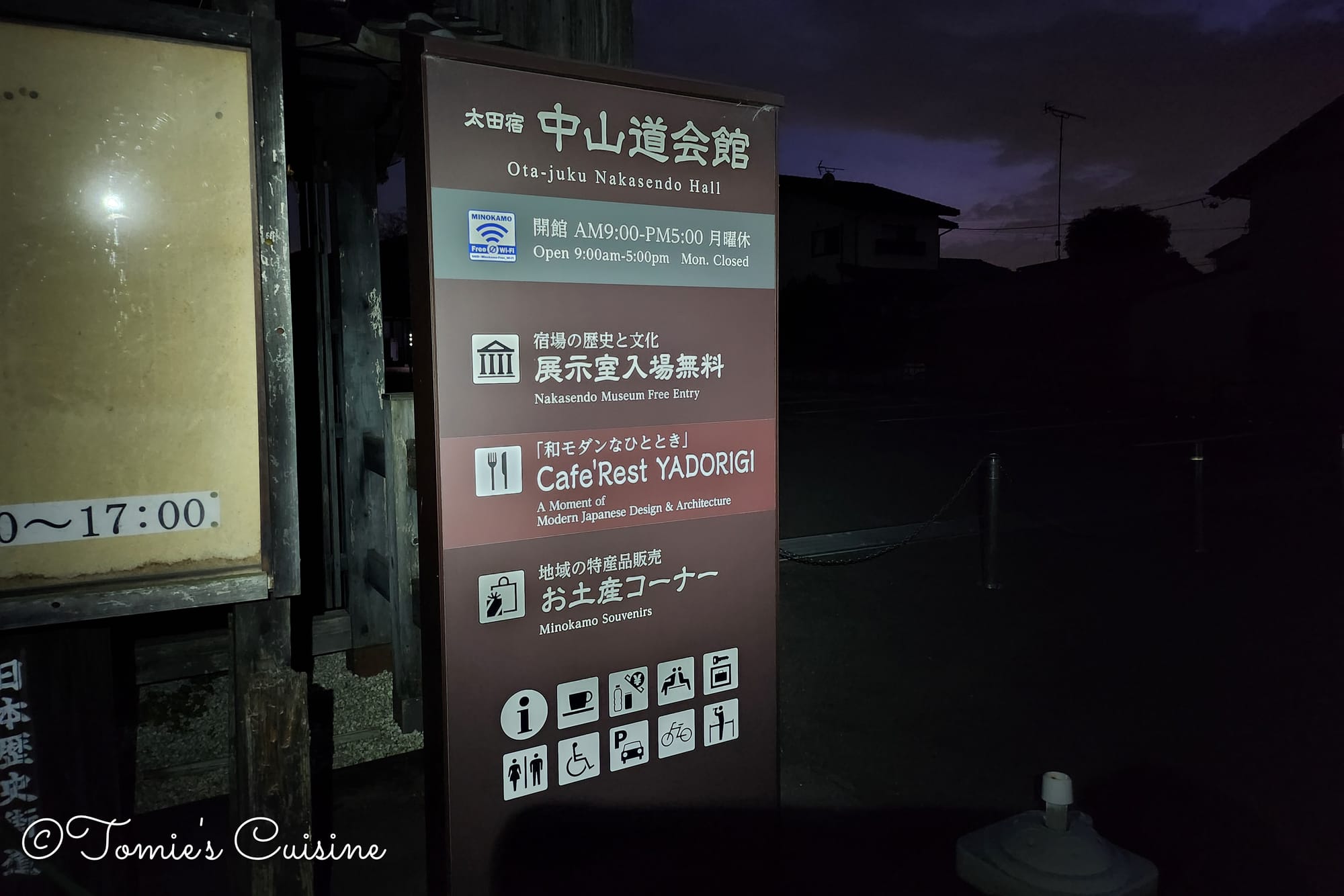
We started seeing some Ota Post Town-related signs.
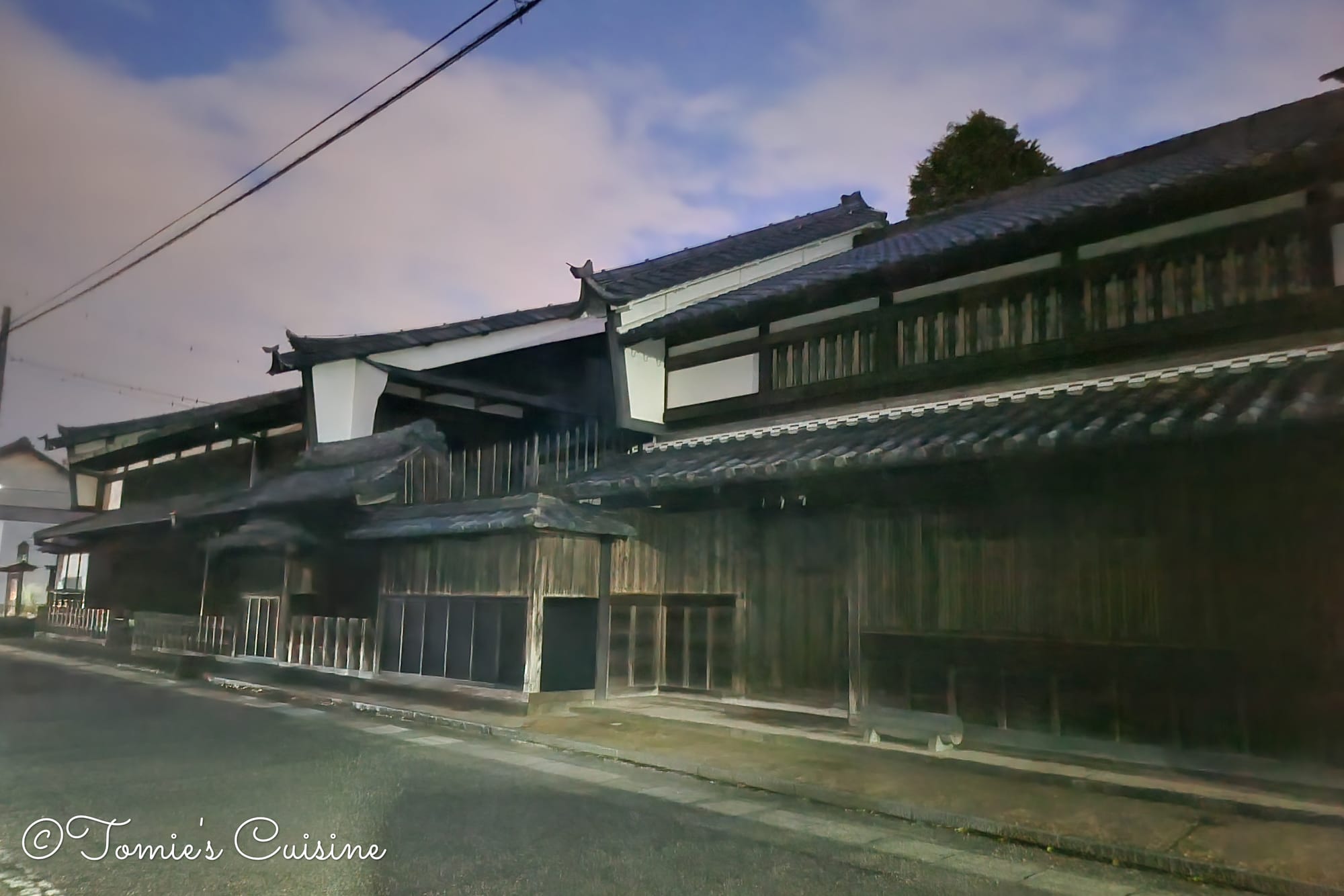
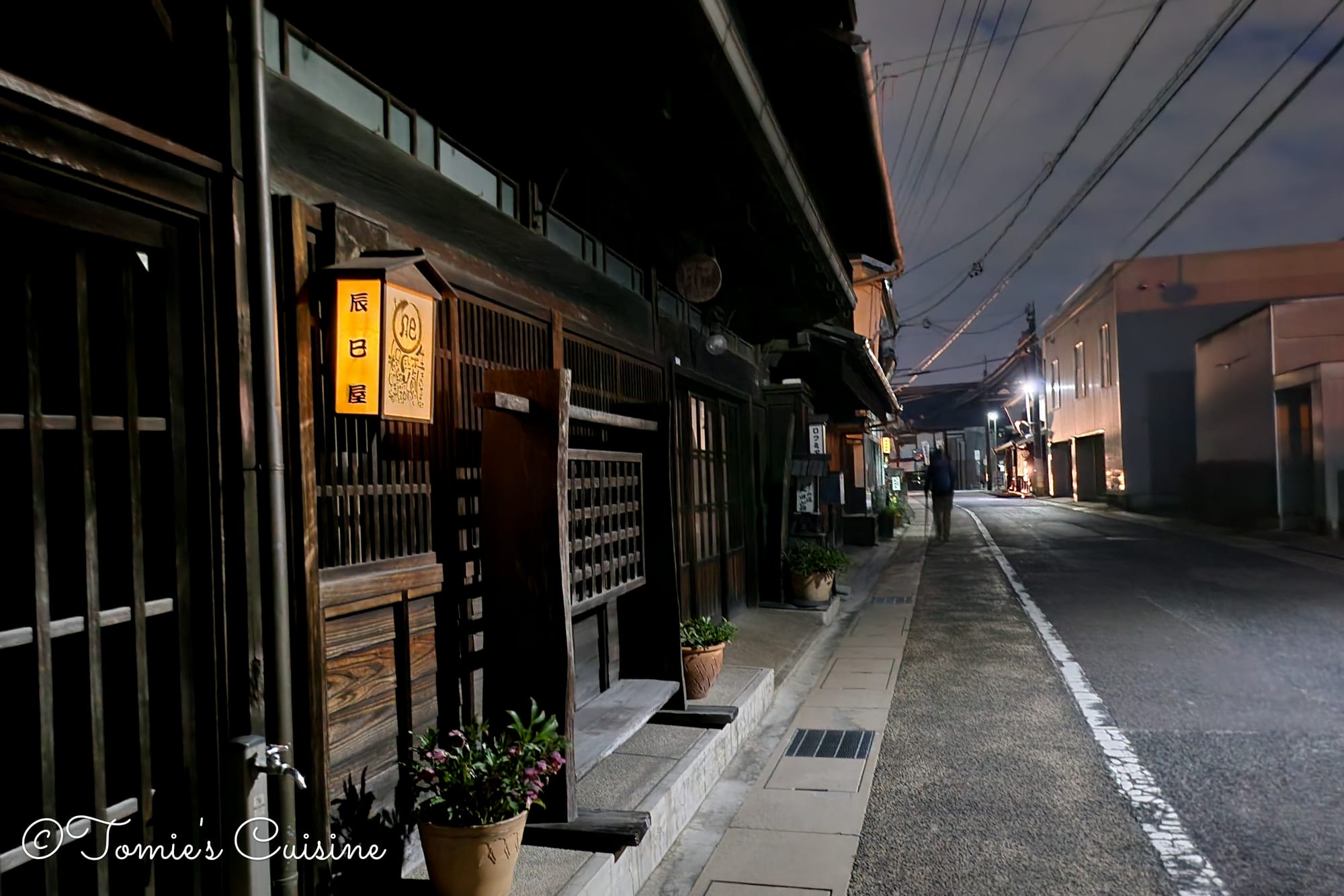
We arrived at Ota Post Town a bit too late, and it was quite dark. We turned on our torches and attached reflectors to our backpacks. We had heard from the local volunteer guide at Unuma Post Town about the historical Waki-honjin building from the Edo period, and we were eager to see it, but unfortunately, we missed our chance.
Despite the darkness, lanterns illuminated each house, creating a beautiful ambience.
As we mentioned earlier, we can reach Unuma post town by train, and we plan to return and take the shorter walking route between Unuma and Ota post town.
Since we couldn’t see much of it, let’s talk about Ota post town
Hiroshige, a renowned artist, depicted this crossing in his famous ukiyo-e series of the Nakasendo from 1835 to 1838. His artwork shows travellers waiting on the shore, a ferry mid-river, and a timber raft poling downstream. The view today features a bridge in place of the ferry.
Additionally, Princess Kazunomiya stopped here at the waki-honjin during her journey to Edo in 1861. This marked the second time her path intersected with ours, as she had passed through Kano-juku earlier that morning.
At the End of the Day
We smashed the day 6! We are staying at our second Hotel R9 in Minokamo city.
What a day! From the lucky frog of Hiyoshi Shrine to the long trudge along the busy Route 21, the beautifully preserved streets of Unuma post town felt like a well-earned reward. After a last-minute dash through the Utou Mountain Pass, we arrived at Ota post town in the dark, but those lantern-lit streets had already given us a good reason to come back!
On day 7, we are starting from here and have to reach Hosokute post town by 2 pm, so we are leaving early. You will see the reason why we need to arrive so early in the next article. We had a great surprise on the way to Hosokute as well, so subscribe to our free newsletter today. You’ll also unlock our free, offline track covering the entire Nakasendo for our subscribers, so you know exactly where to go if you visit Japan! If you have any questions or would like to see early photos of Nakasendo, feel free to visit our Instagram, Pinterest, or Facebook page. We’re happy to answer any inquiries!
This post is for subscribers only
Sign up now to read the post and get access to the full library of posts for subscribers only.