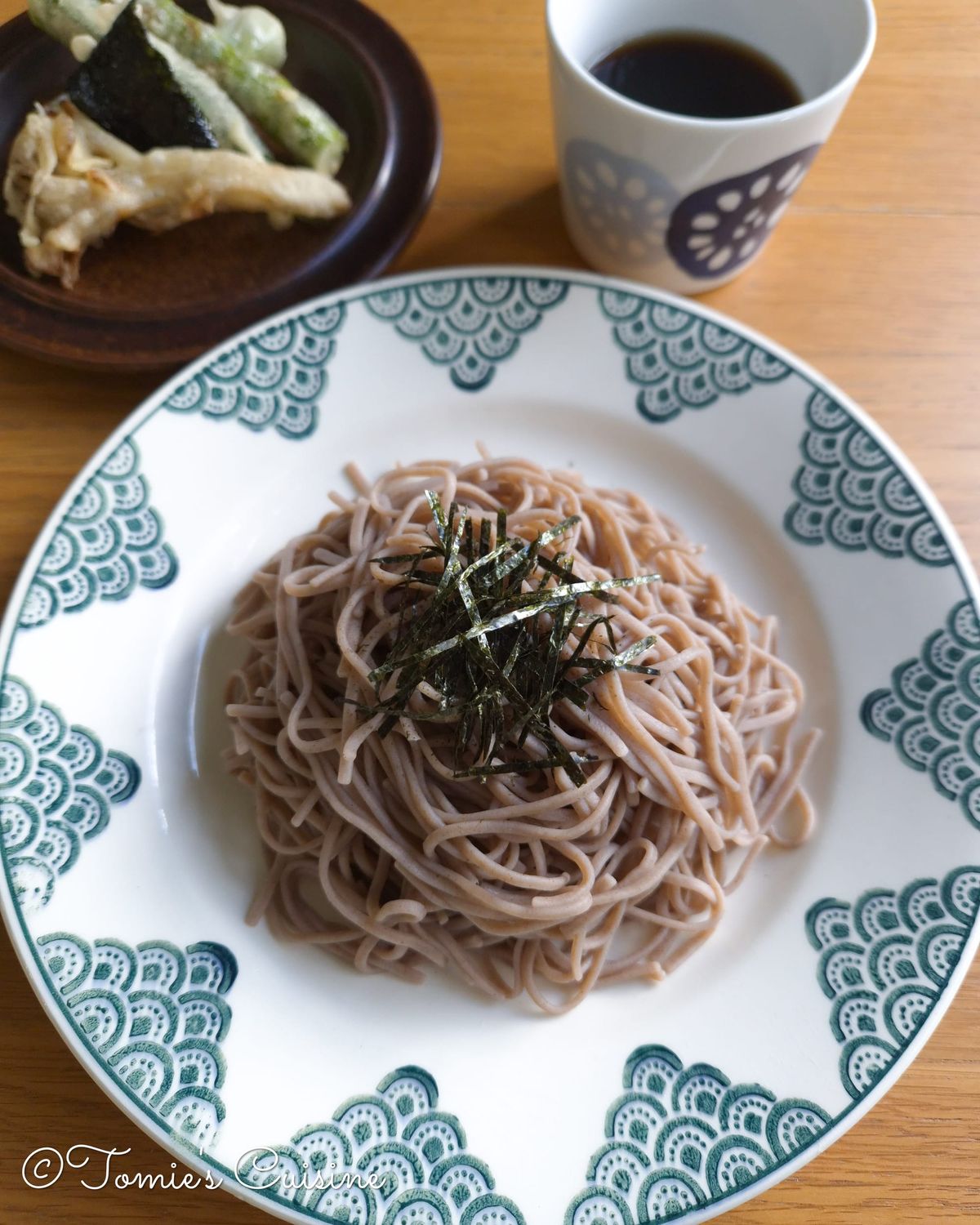
Zaru Soba (ざる蕎麦): The Cold Japanese Noodle You Need This Summer
When it's this hot, Zaru Soba is what we reach for. Cold buckwheat noodles ready in under 20 minutes, with a dipping sauce that takes five.
Today, we want to introduce our favourite Japanese noodle called "Soba". It's a different "Soba" from the instant noodle from Nissin that we can buy in major supermarkets in the UK. (We call it Yakisoba, though.) I recommend my go-to premade soba, which we can also buy in the UK, along with a sauce for the soba that we can make easily.
This time, we are preparing to enjoy it cold during this heatwave to help you chill a little.
Let's get started!
What is Soba noodle (蕎麦)?
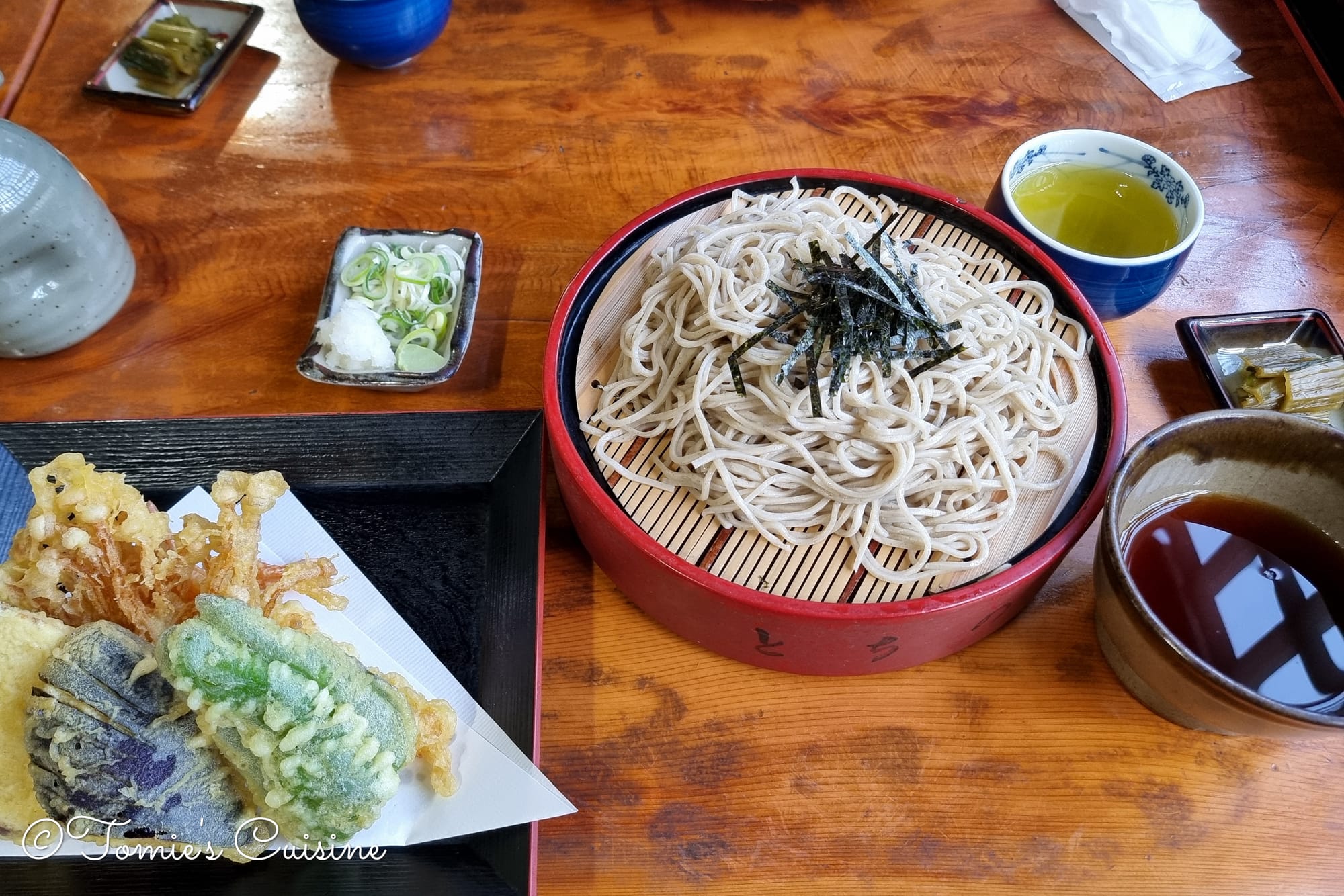
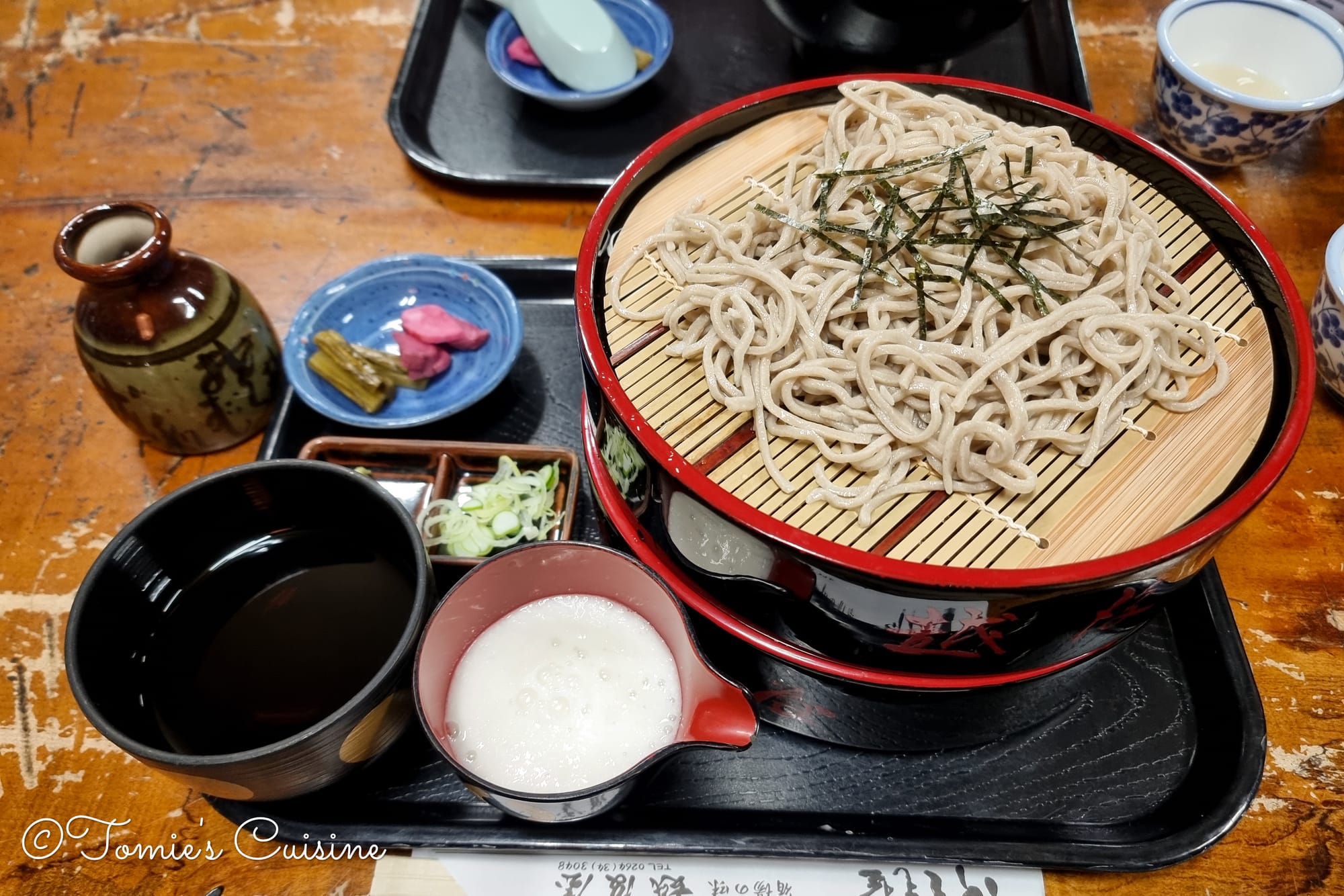
The Zaru soba from two different soba restaurants in Nagano prefecture, Japan, during our Nakasendo trip in 2025.
Soba noodles are a Japanese noodle made from buckwheat and are among the most popular in Japan. It's prepared hot or cold, depending on how you like it.
Soba has been part of my life since childhood, but Nagano's is something else. When we walked the Nakasendo trail, we stopped for it whenever we could.
Is Soba Gluten-Free? "Nihachi (二八)" vs "Juwari (十割)"
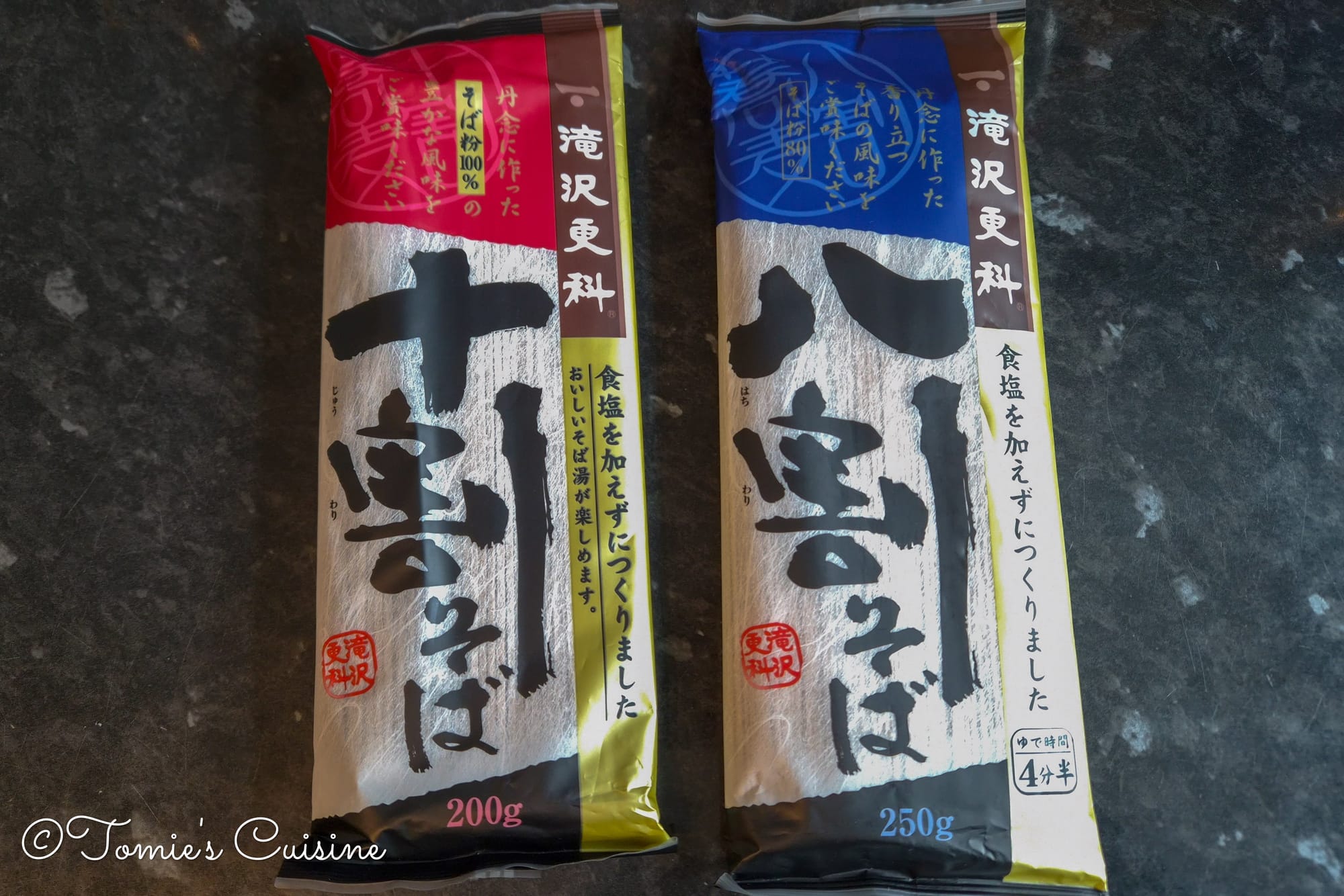
Soba is often made with different ratios of buckwheat flour and wheat flour. One is called Nihachi soba (二八蕎麦), which literally means "2:8 soba" and is made from 2 parts wheat flour and 8 parts buckwheat flour. The other one, my go-to, is called Juwari soba, which is made from 100% buckwheat flour; it's naturally gluten-free. (If you are coeliac or allergic to wheat flour, please check the package, or, if you are having soba at a restaurant, ask them whether it's gluten-free or whether they handle wheat flour in the kitchen.)
Why is Soba a healthy option?
Soba is considered a healthy food because it is a low-GI food that slows the absorption of carbohydrates. It's also rich in rutin (which strengthens blood vessels), B vitamins (which support recovery from fatigue), and dietary fibre for a healthy gut.
My favourite soba noodle that we can buy in the UK
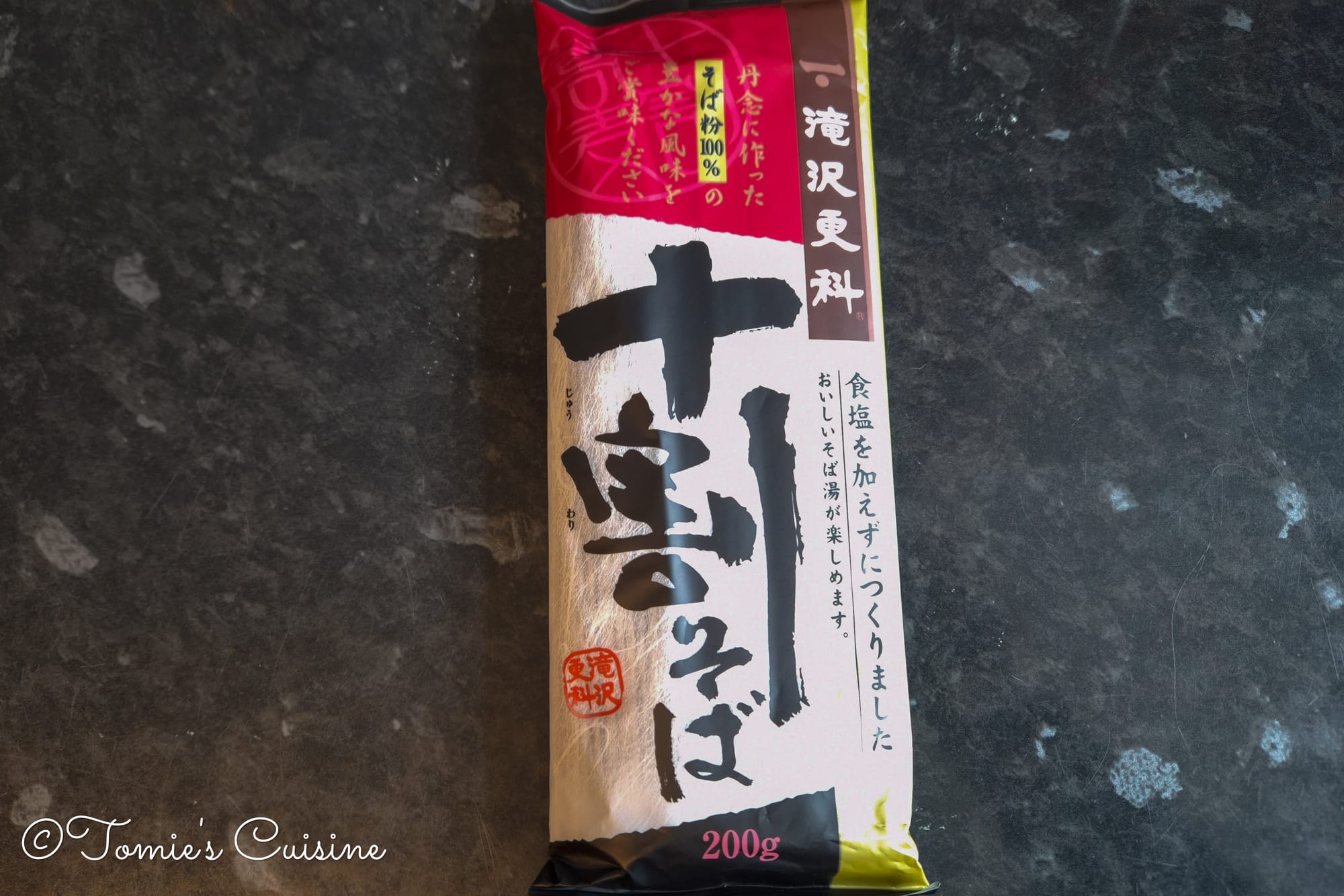
Our go-to Juwari soba is called "Takizawa Sarashina Juwari Soba (滝沢更科十割蕎麦)", which is made from 100% buckwheat.
We tried a few different Juwari soba packets, and so far, this is our favourite. We will explain how to cook the noodles by following the instructions on the back of the packaging. (Because they are usually written only in Japanese, or there is an English label for the ingredient list placed over the instructions, making them hard to read.)
Feel free to use our discount code a6k2gf for 15% off your first order with Waso. We'll earn a few points to spend on the site too, a nice bonus that helps us keep experimenting with new ingredients!
Since we live in the countryside, getting Japanese ingredients is not as easy as when we were living in London. We use Waso, the online Japanese grocery store, from time to time for big Japanese grocery shopping.
Step 1: How to cook soba noodles
Ingredients
- A packet of Takizawa Sarashina Juwari Soba (滝沢更科十割蕎麦)
Tools
Instructions
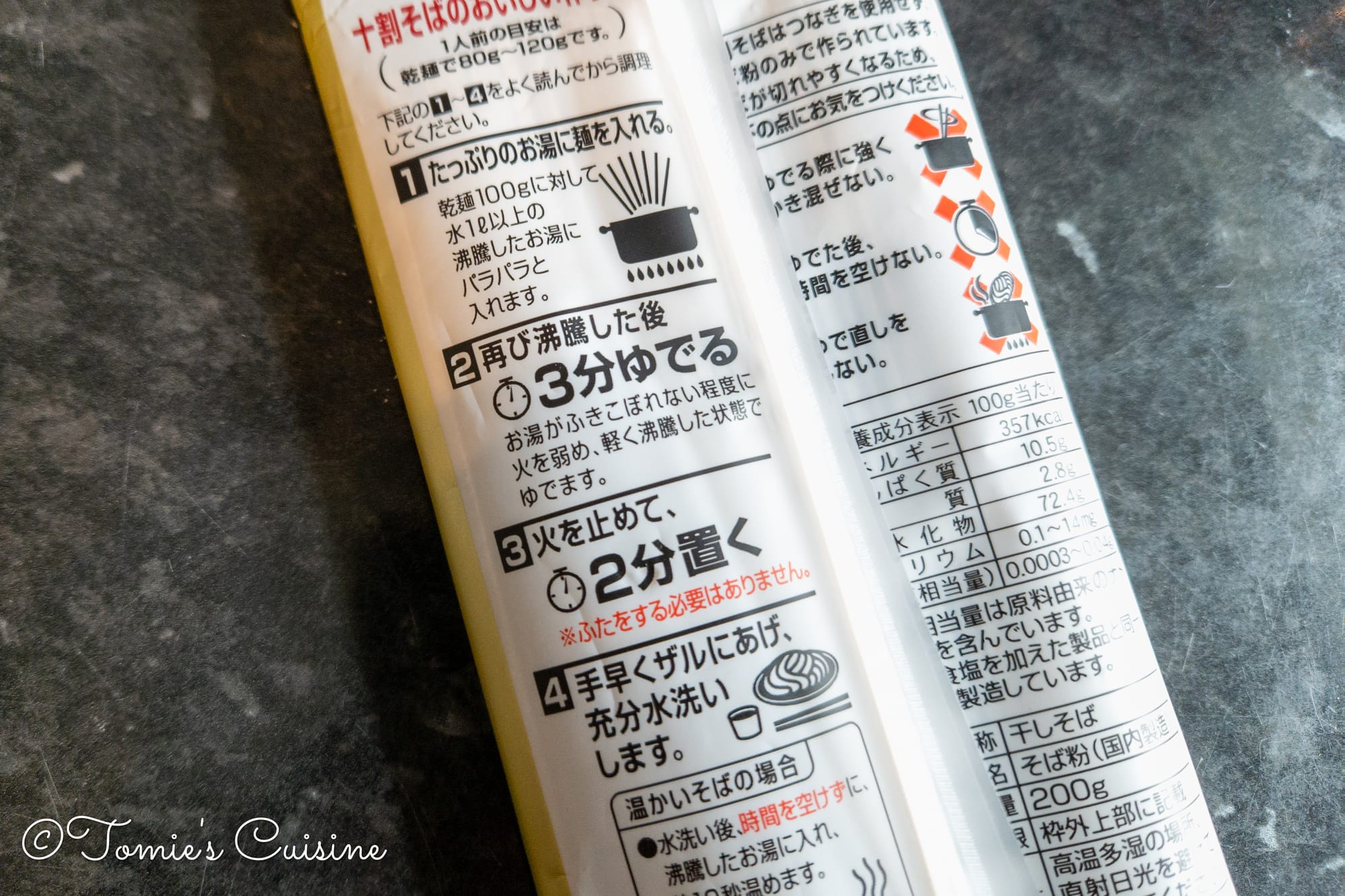
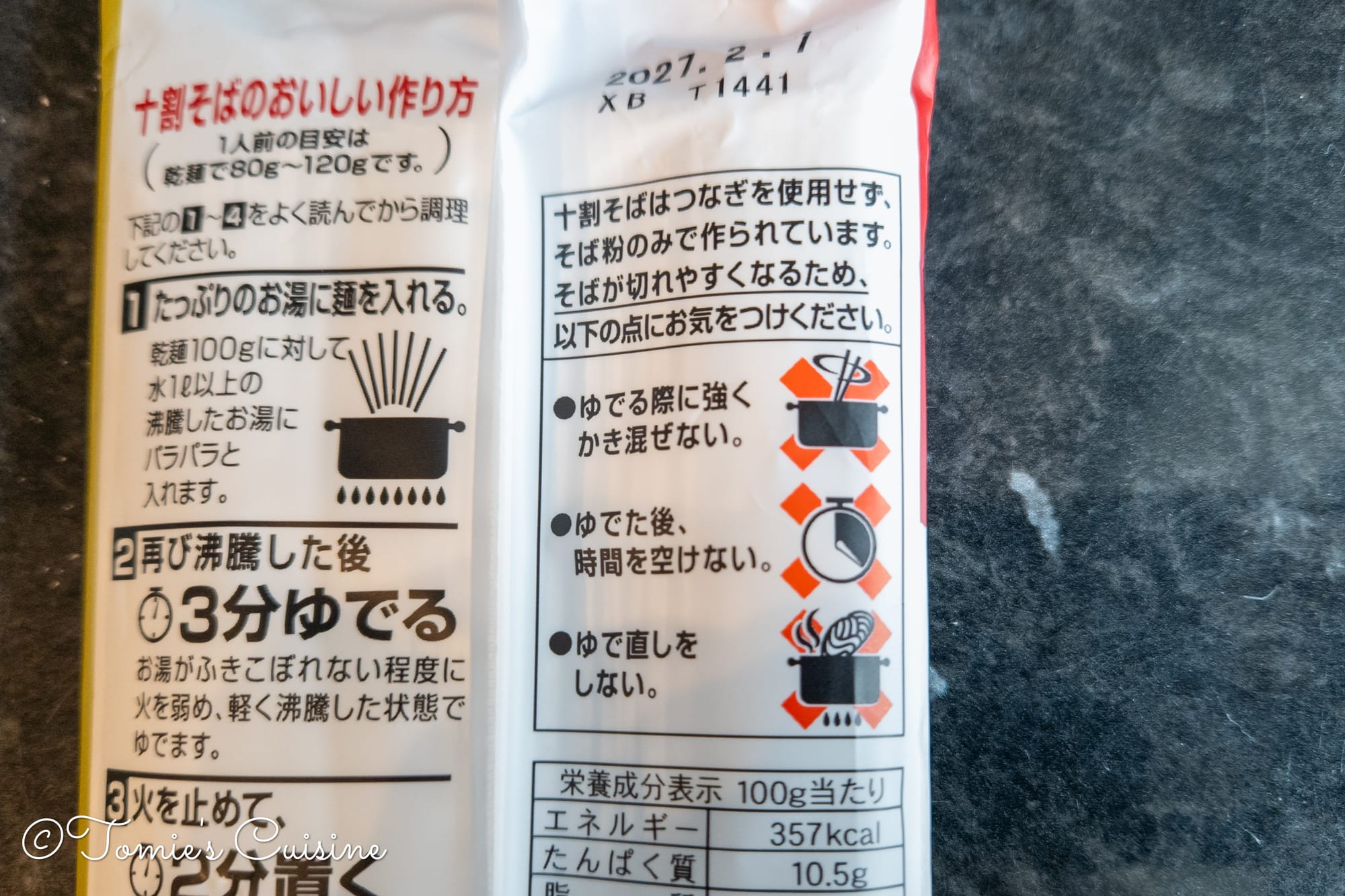
The cooking instructions in Japanese
- Boil plenty of water to cook the soba noodles. The instructions say you need 1 litre of boiling water per 100g of soba noodles (half the package), so prepare at least 2 litres of boiling water.
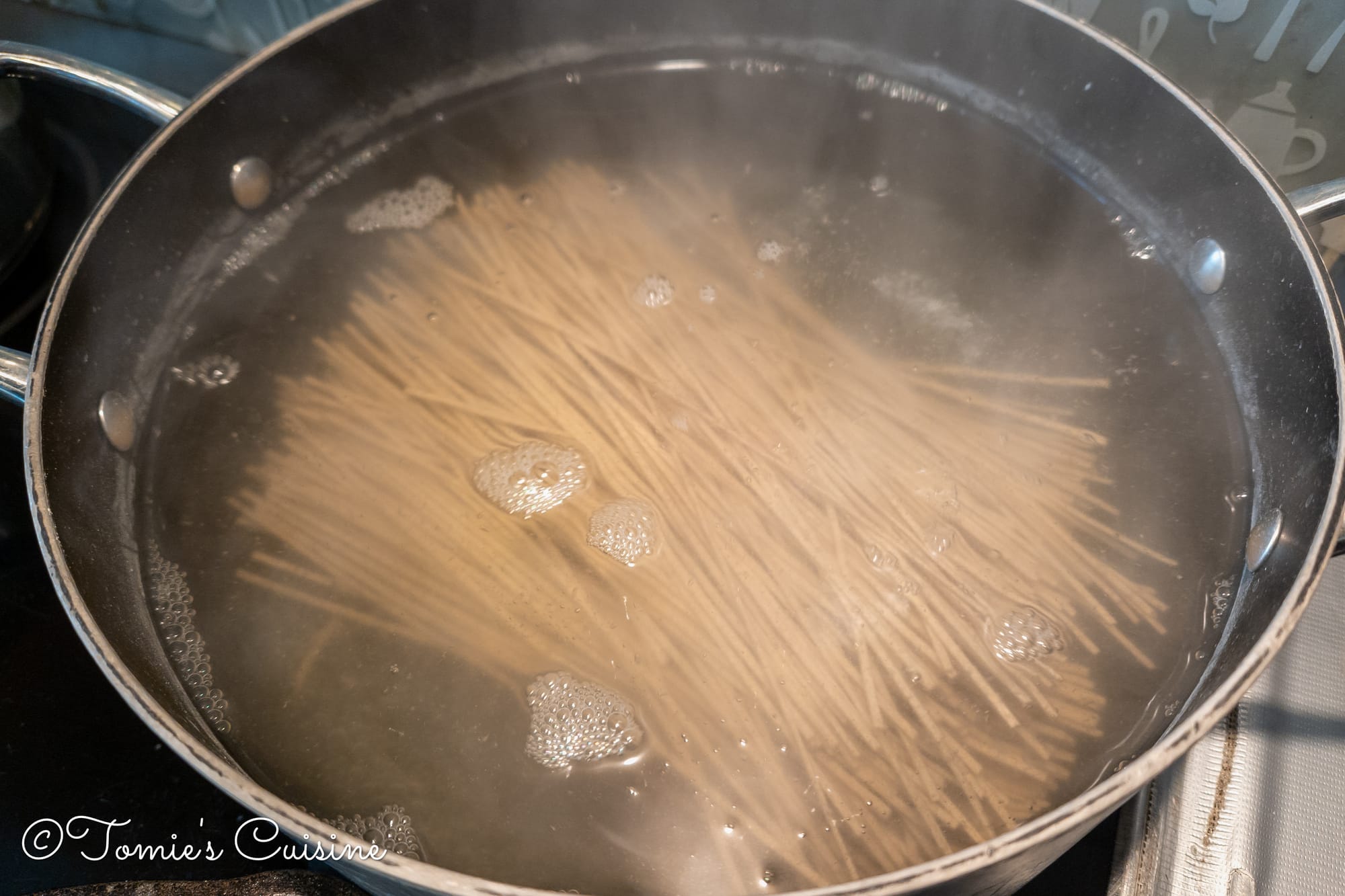
- Add the noodles gently, separating them with chopsticks or tong so they don't stick to each other in the boiling water. (The noodle is made of 100% buckwheat, so it’s more delicate than a noodle made from wheat.)
- Once the water is boiling again, cook for 3 minutes. At this point, lower the heat to medium heat or lower to keep it simmering and avoid overflow.
- Stir gently occasionally to ensure the noodles do not stick together.
After 3 minutes, turn off the heat and let it rest for 2 minutes.
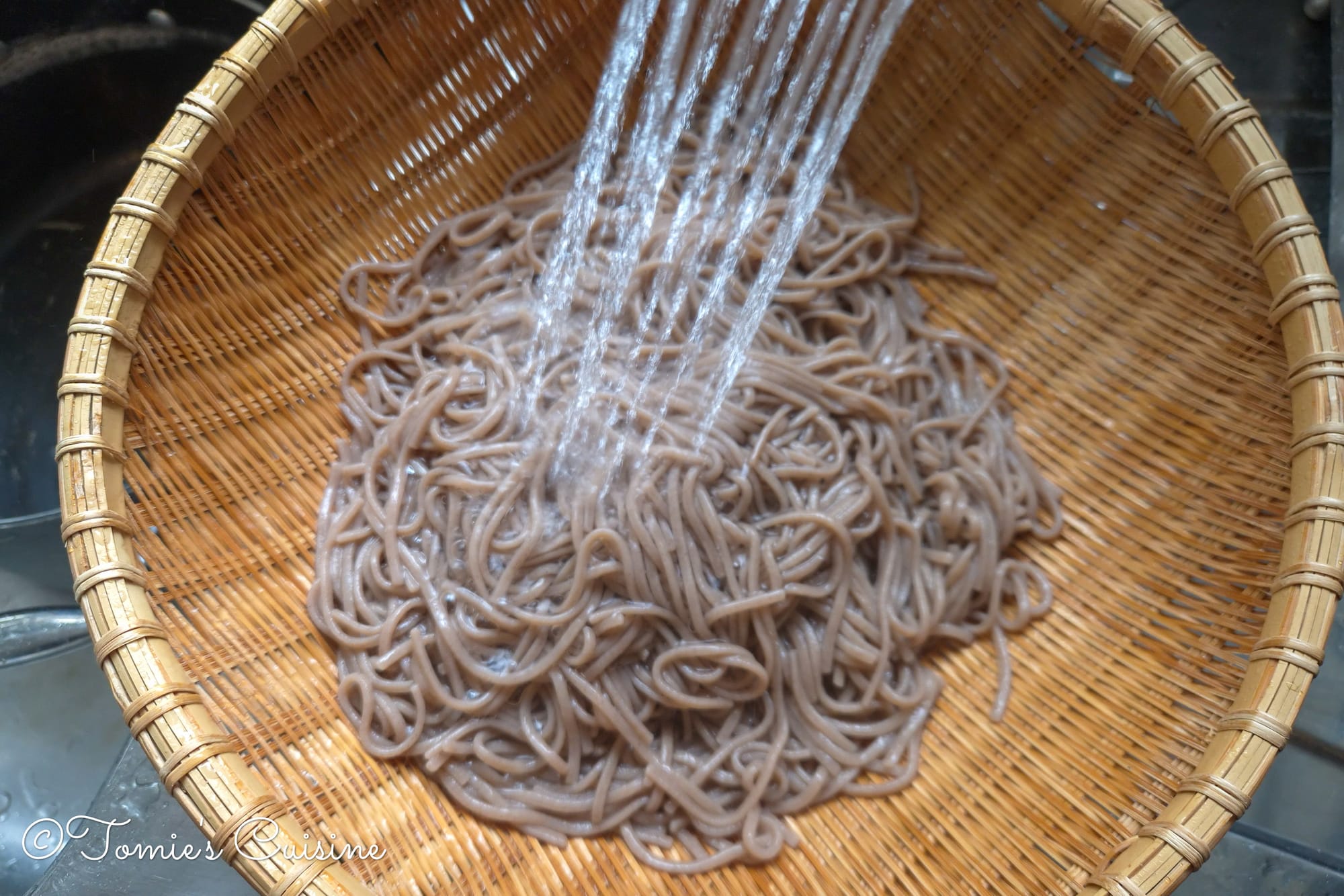
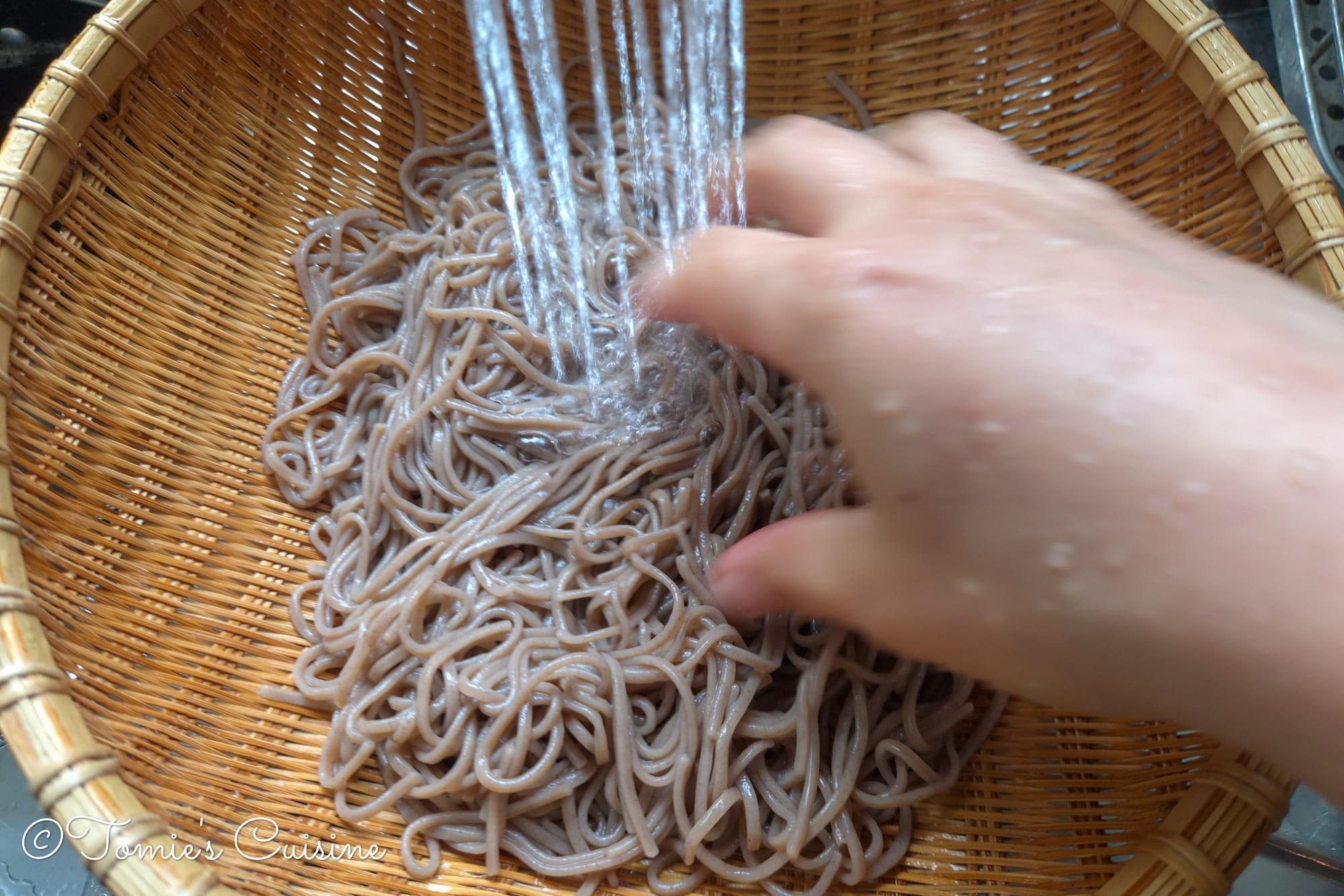
Be careful when you rinse the noodles, as they are hot at the beginning!
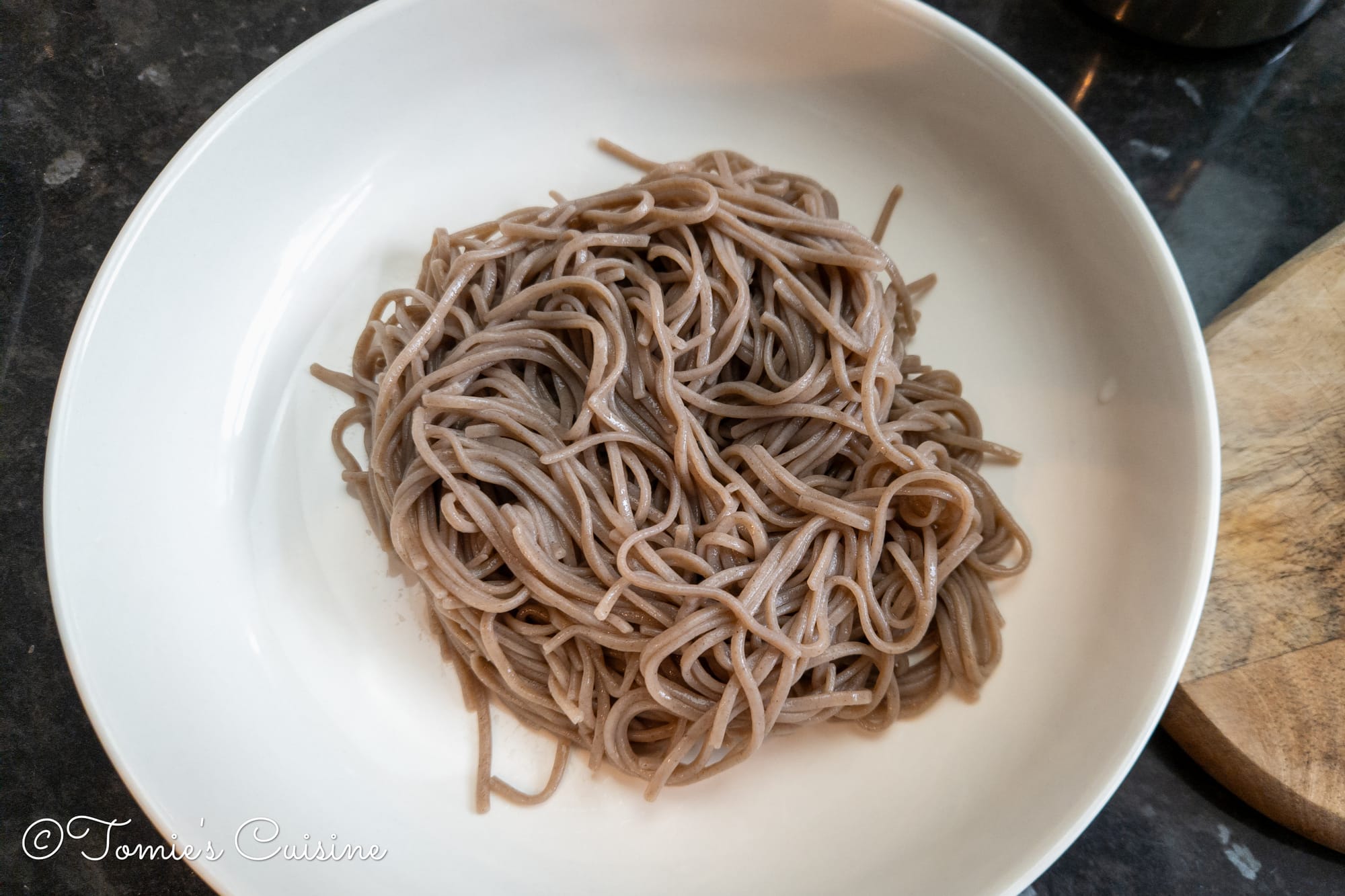
- Drain the noodles with a strainer and rinse them with cold water to remove the surface starch. This step improves the mouthfeel and stops the cooking process. Make sure you change the water from time to time to keep it cold.
Note: This soba noodle contains no salt and is rich in nutrients. In Japan, if you have soba at a professional soba restaurant, you will be given a small pot of the cooking water (called Soba yu (蕎麦湯)) to dilute the dipping sauce at the end. You can also use it to make soup.
Step 2: How to make Soba tsuyu (the dipping sauce for Zaru soba) without mirin
We first made this dipping sauce on New Year's Eve in Brittany, cooking Toshikoshi soba (a Japanese tradition of eating soba before welcoming the new year) for the whole family with what we had in the kitchen: no mirin, no sake. It worked beautifully.
After a bit of experimenting, this is the ratio we keep coming back to.
Ingredients
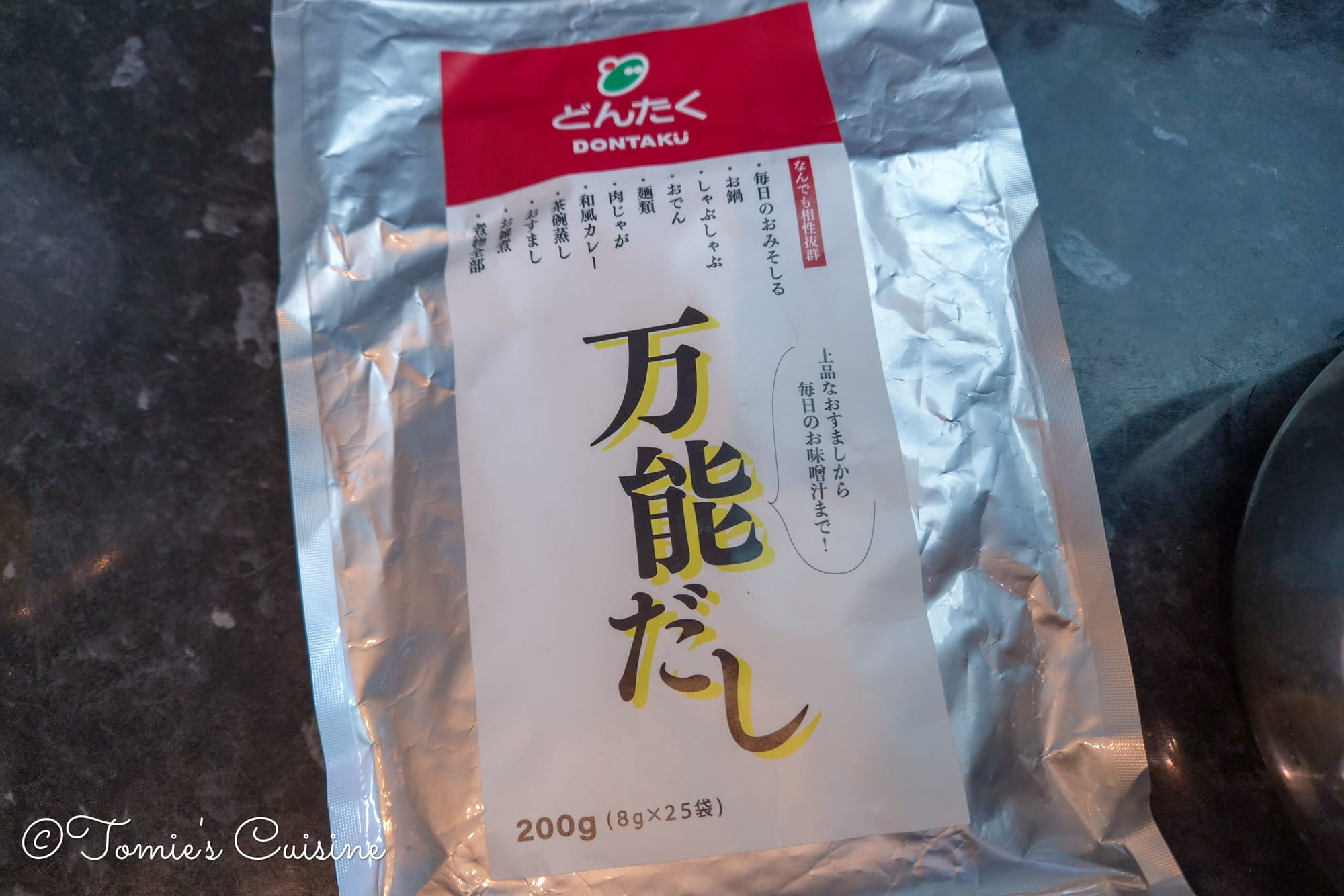
- 1 dashi stock pack (You can easily make dashi stock with it. It's great for your daily miso soup, too)
- 500ml water
- 200ml soy sauce (mine is reduced salt and gluten-free)
- 50g sugar
- Half a teaspoon of salt
Tools
Instructions
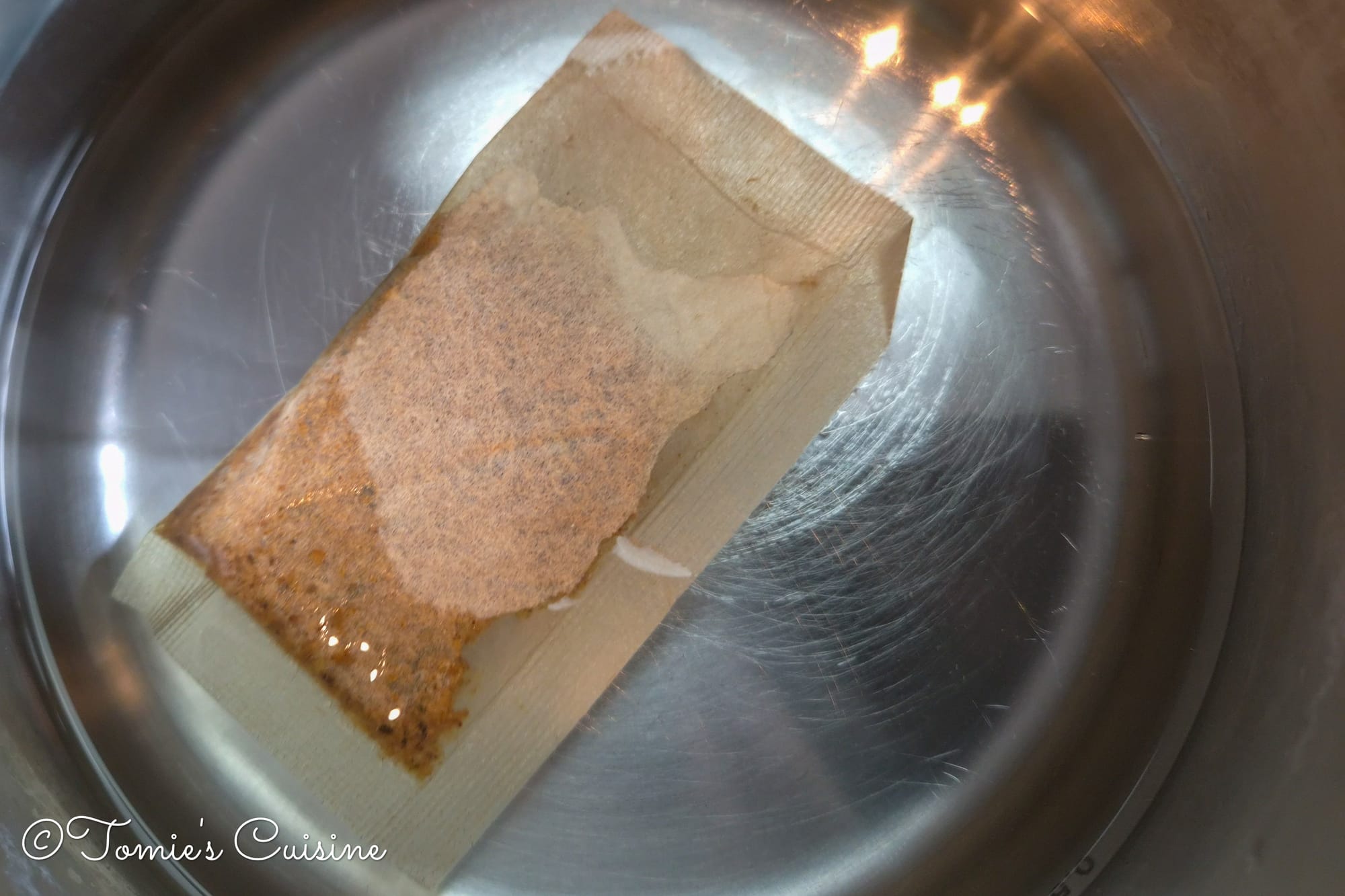
- Place the water and the dashi stock sachet in a saucepan, then heat over medium-high until it comes to a boil.
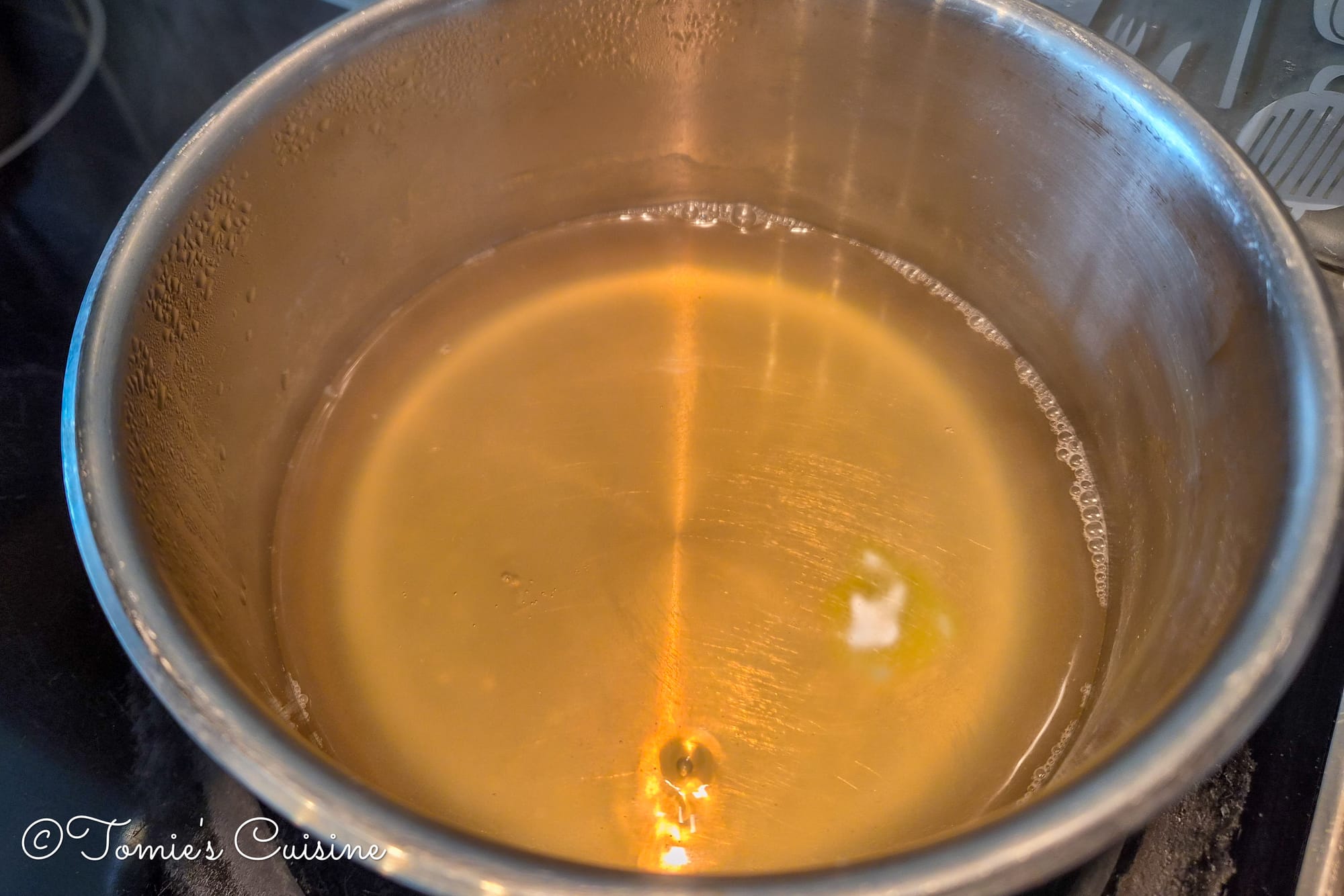
- Once boiling, lower the heat and simmer for another 3 to 5 minutes.
- Turn off the heat and add the remaining ingredients. Mix well to dissolve the sugar and salt.
- Chill before serving and dilute with water to taste. I usually dilute at a 2:1 ratio (2 parts sauce to 1 part water) or add ice.
- Keep the remaining sauce in the fridge and use it within a week.
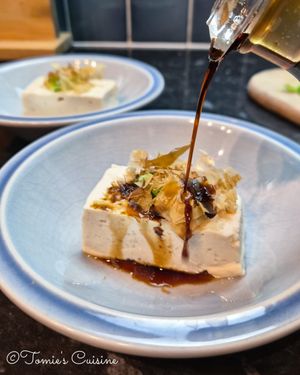
You can also use the sauce with fresh tofu. Or, if you prefer, you can use this dipping sauce for udon noodles. This sauce is useful for seasoning other Japanese dishes as a soy sauce substitute, as the dashi stock adds a lovely depth of umami flavour.
Step 3: Our favourite ways to serve Zaru soba
The traditional way
If you want to serve more authentically, I found this pretty serving set for two!
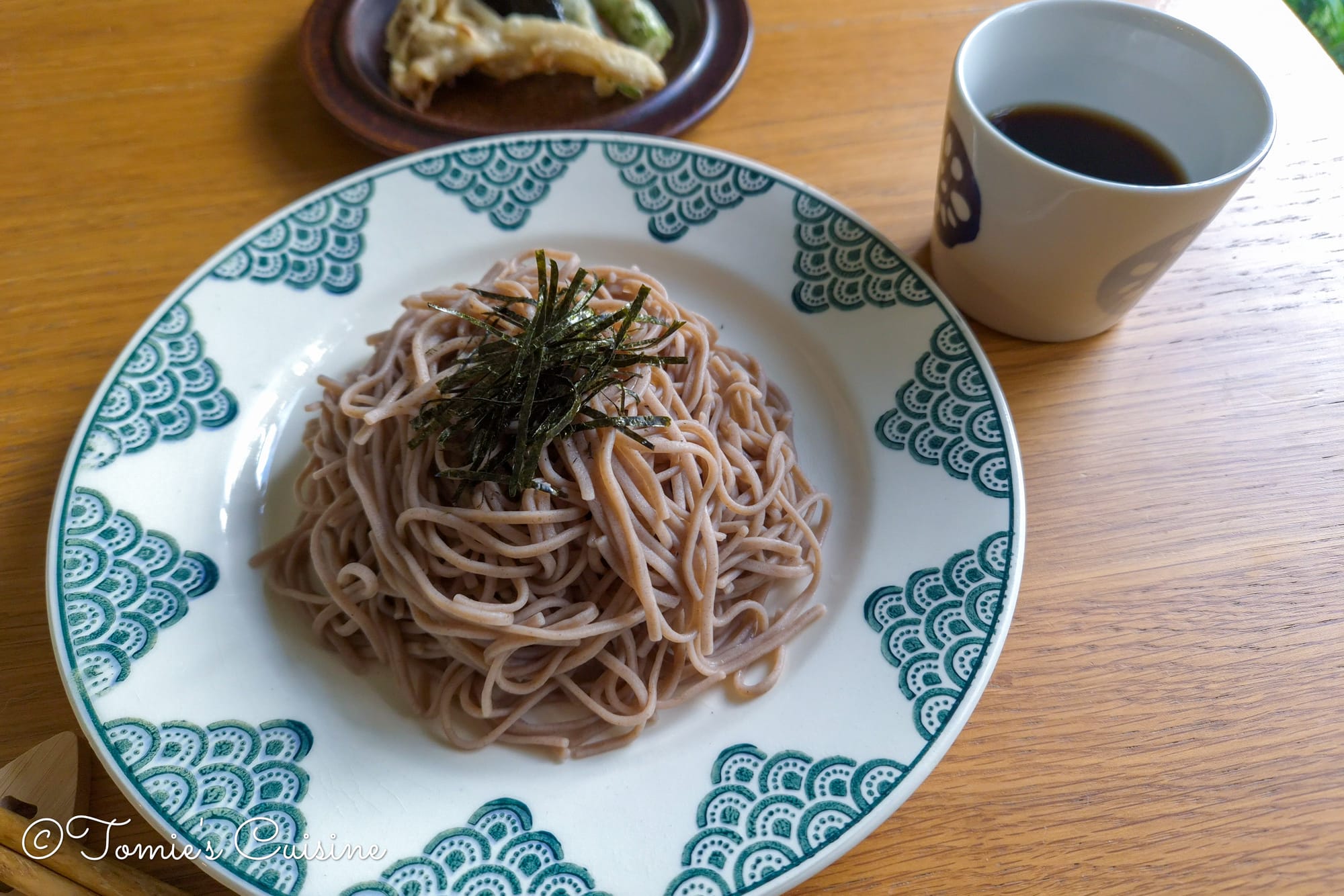
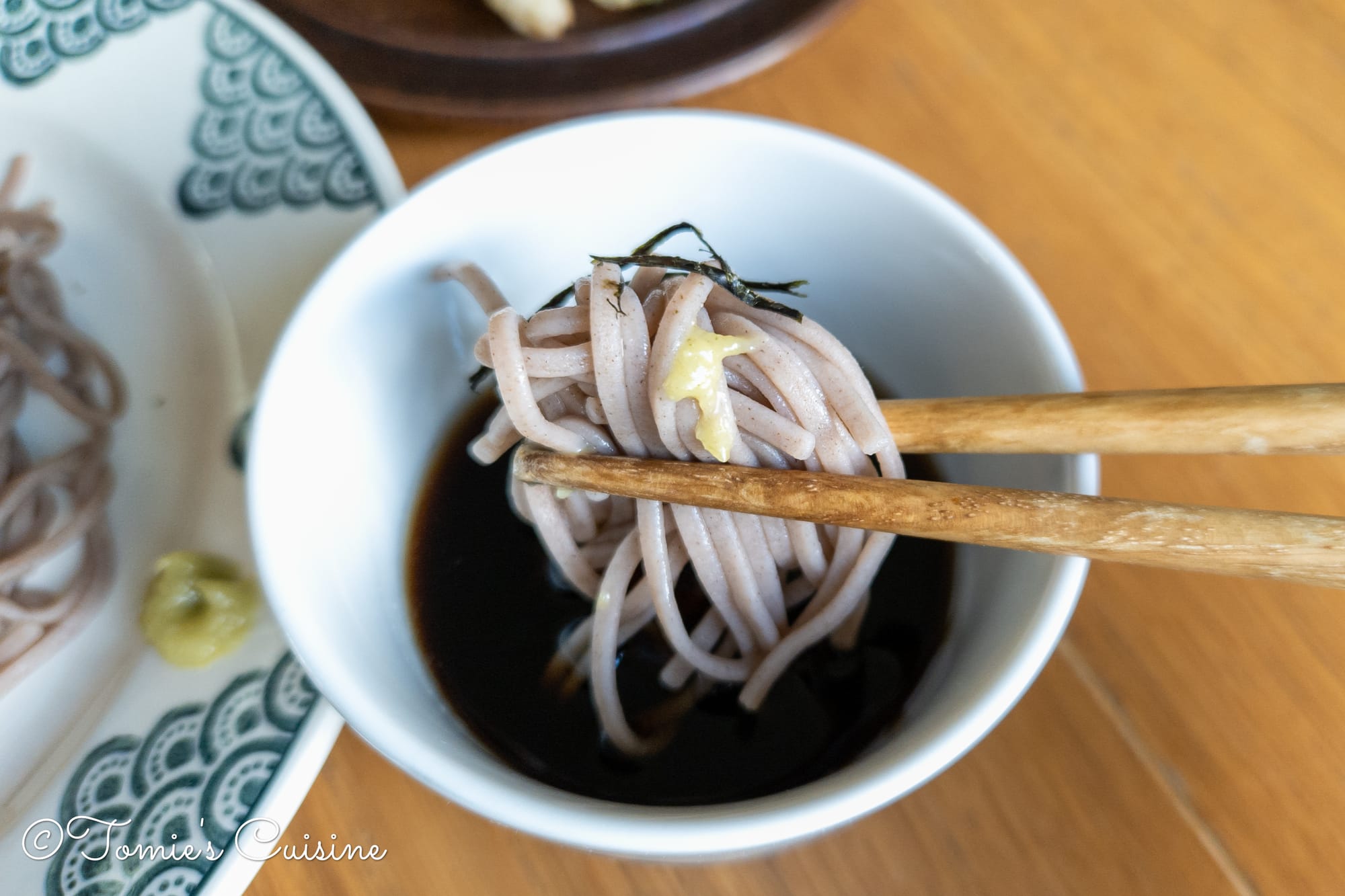
Served with the dipping sauce in a small cup, with chopped spring onions and wasabi on the side. Dip the noodles halfway, not entirely, to enjoy the soba's natural flavour, adding spring onions and wasabi to taste.
One bowl, full of nutrients
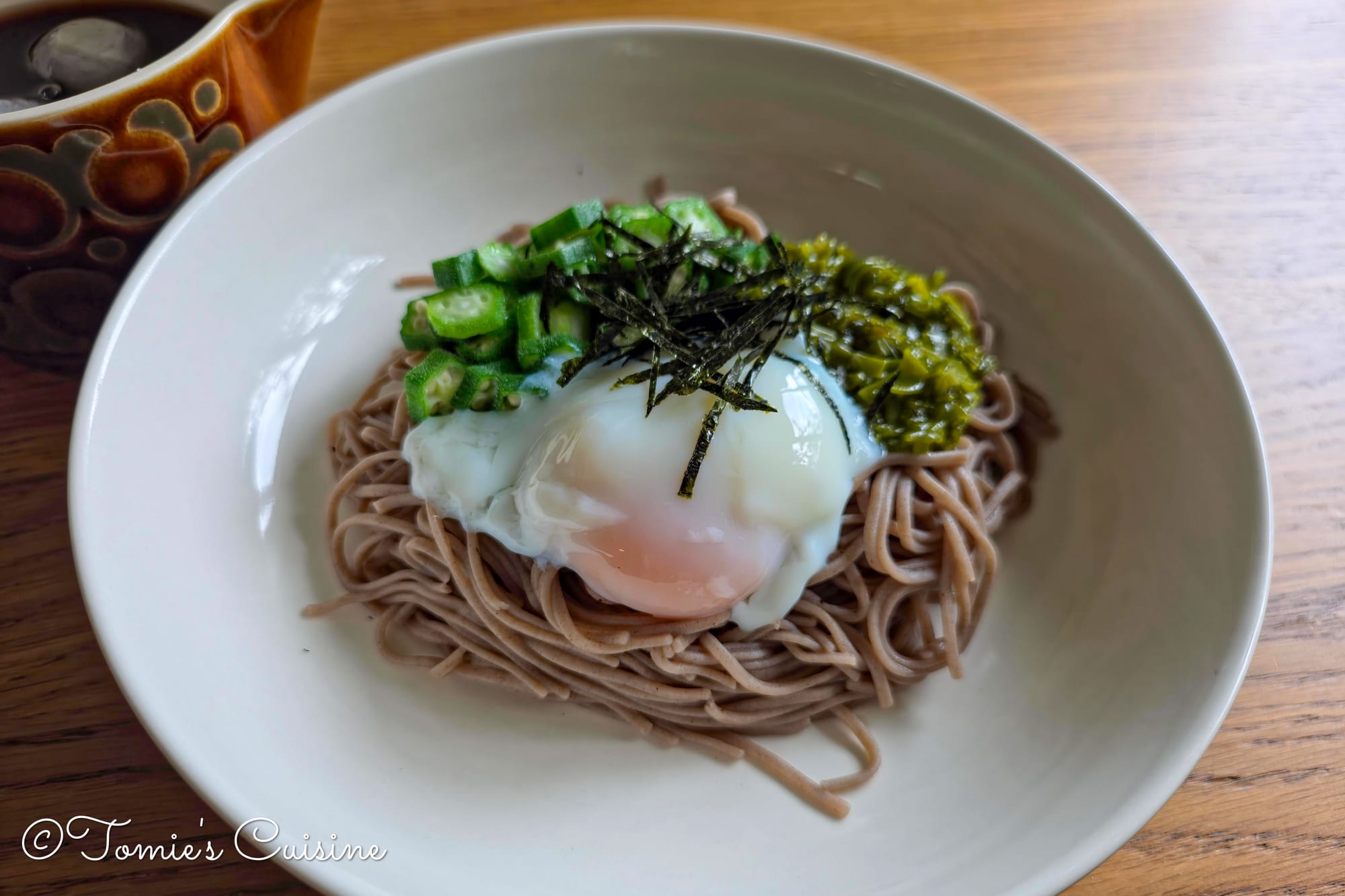
I often serve soba in a pasta bowl, topped with:
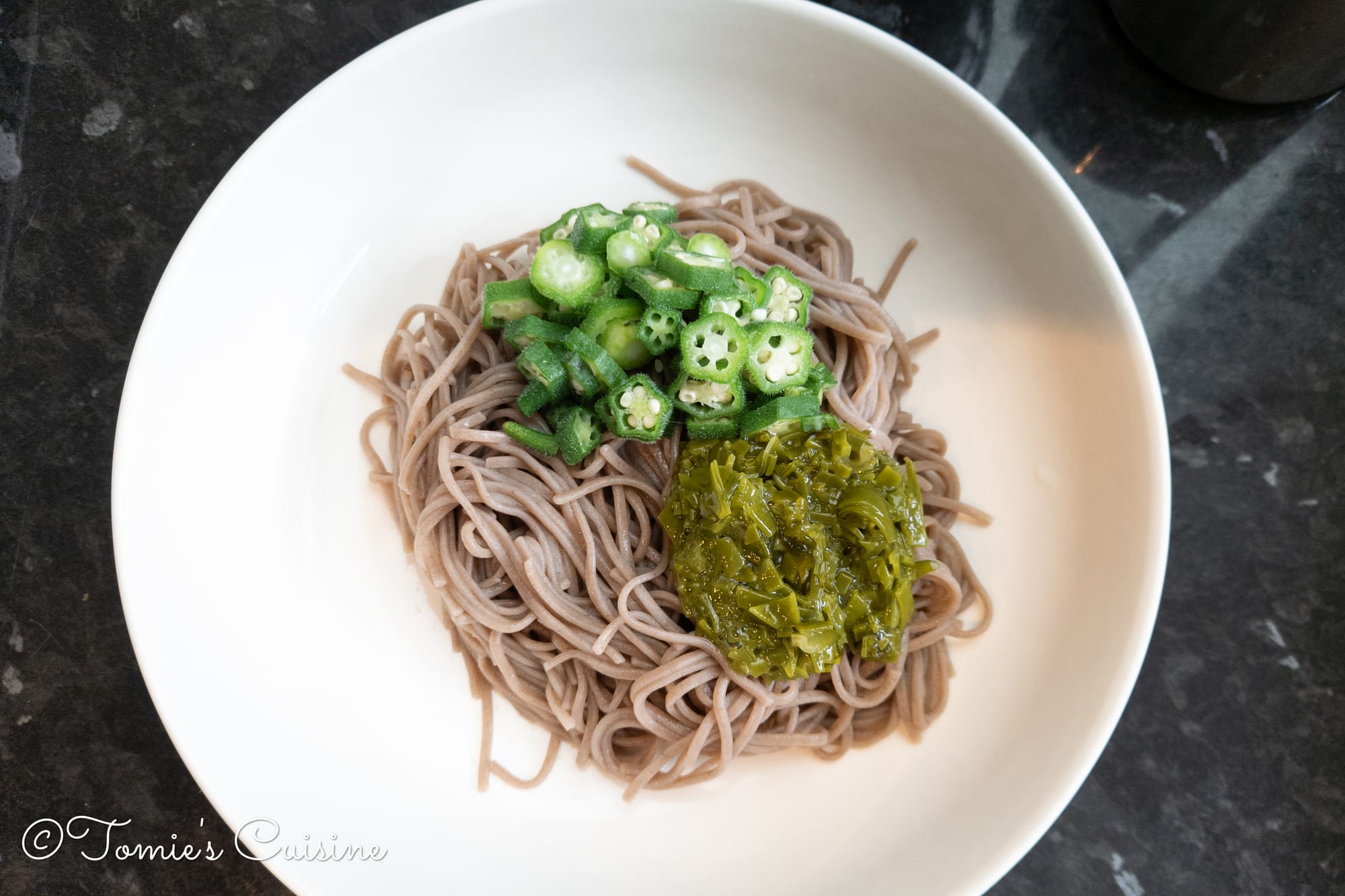
- Seaweed (I love using Mekabu seaweed)
- Natto (fermented soy beans)
- Cooked and chopped okra
- Onsen tamago (slow-cooked egg, which I make with a sous vide machine)
- Chopped spring onions
- Grated Nagaimo (Chinese yam)
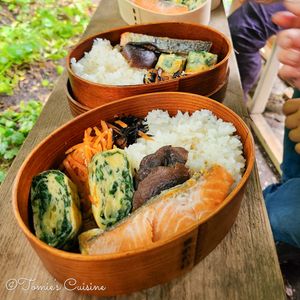
Pour the dipping sauce over the noodles, and it's done! I used to bring this for lunch, with the sauce on the side. It was a perfect summer meal!
👩🍳 We share new recipes and seasonal tips every few weeks. Subscribe so you don't miss them.
The sliminess is the key
There are quite a few sticky/slimy texture ingredients like okra, mekabu seaweed and natto; this is the secret of the healthy soba bowl. The soluble dietary fibre found in okra and mekabu (the root part of wakame seaweed), which gives them their slimy texture, absorbs moisture in the intestines, forming a gel that softens stools and promotes smooth bowel movements. It also serves as food for beneficial gut bacteria, supporting a healthy gut environment.
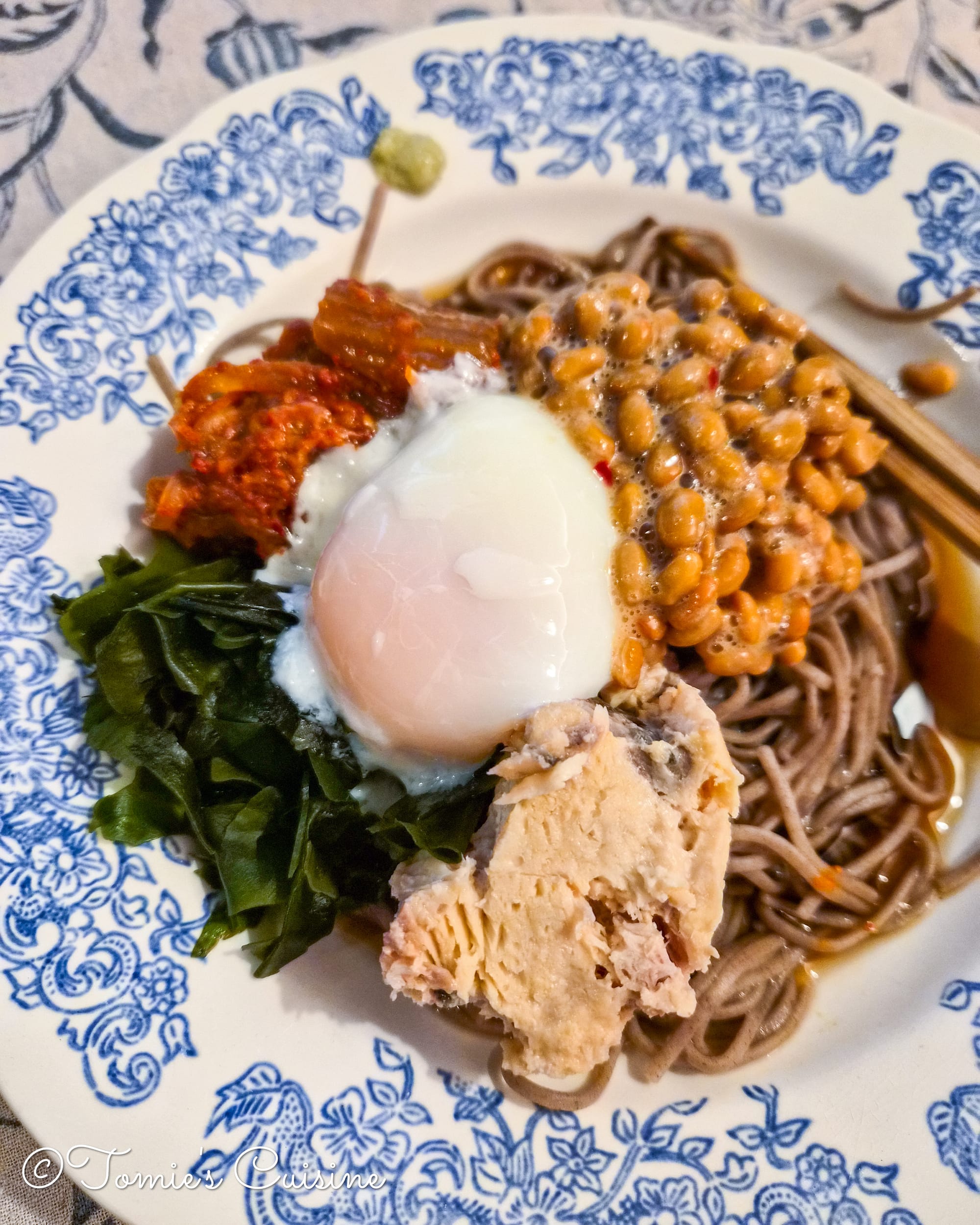
If you can’t stand the texture, simply add some other vegetables and proteins, like;
- Avocado
- Cucumber
- Edamame
- Wakame seaweed
- Either tofu, steamed chicken breast or mini fillet
With gluten-free tempura
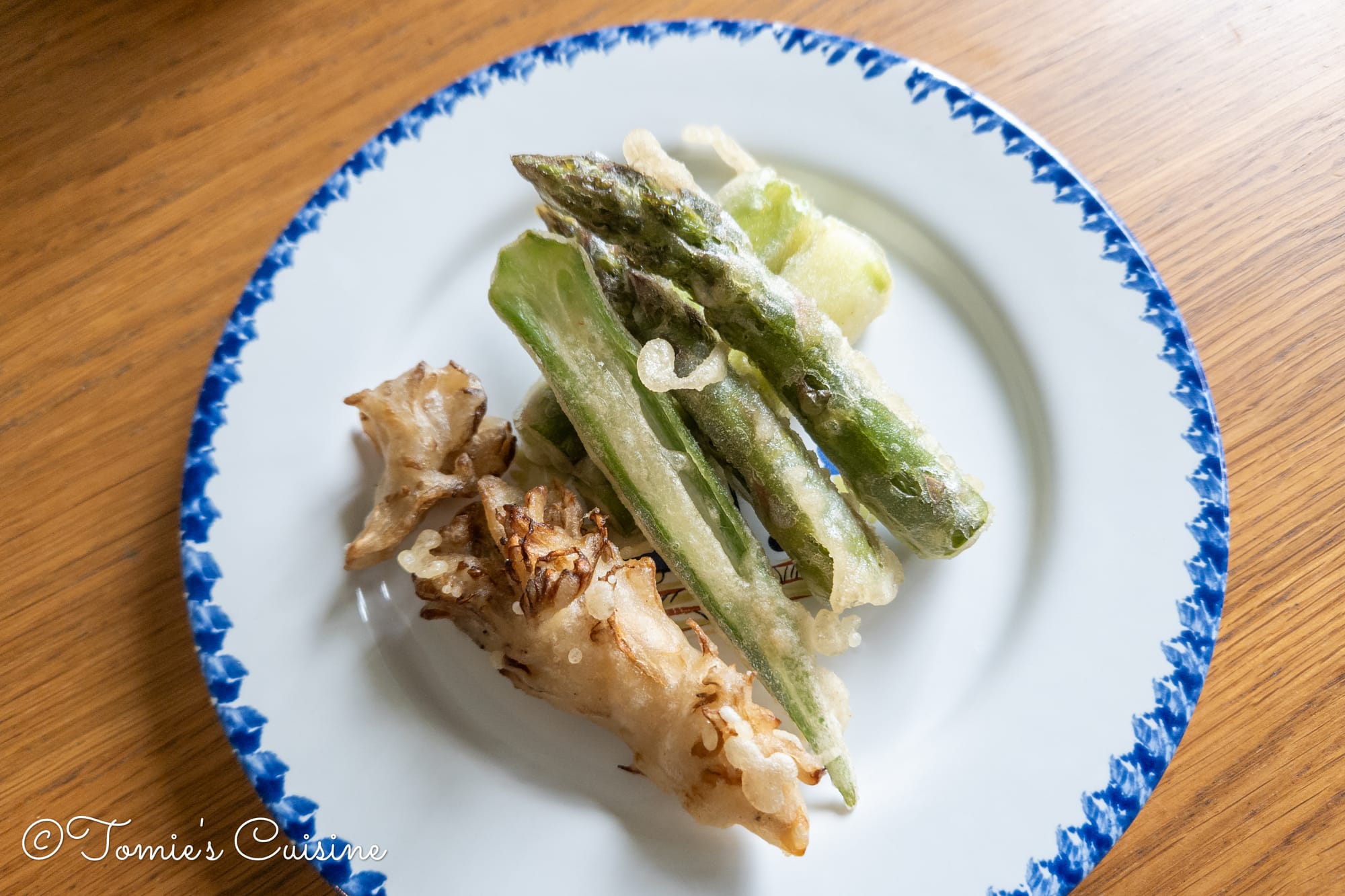
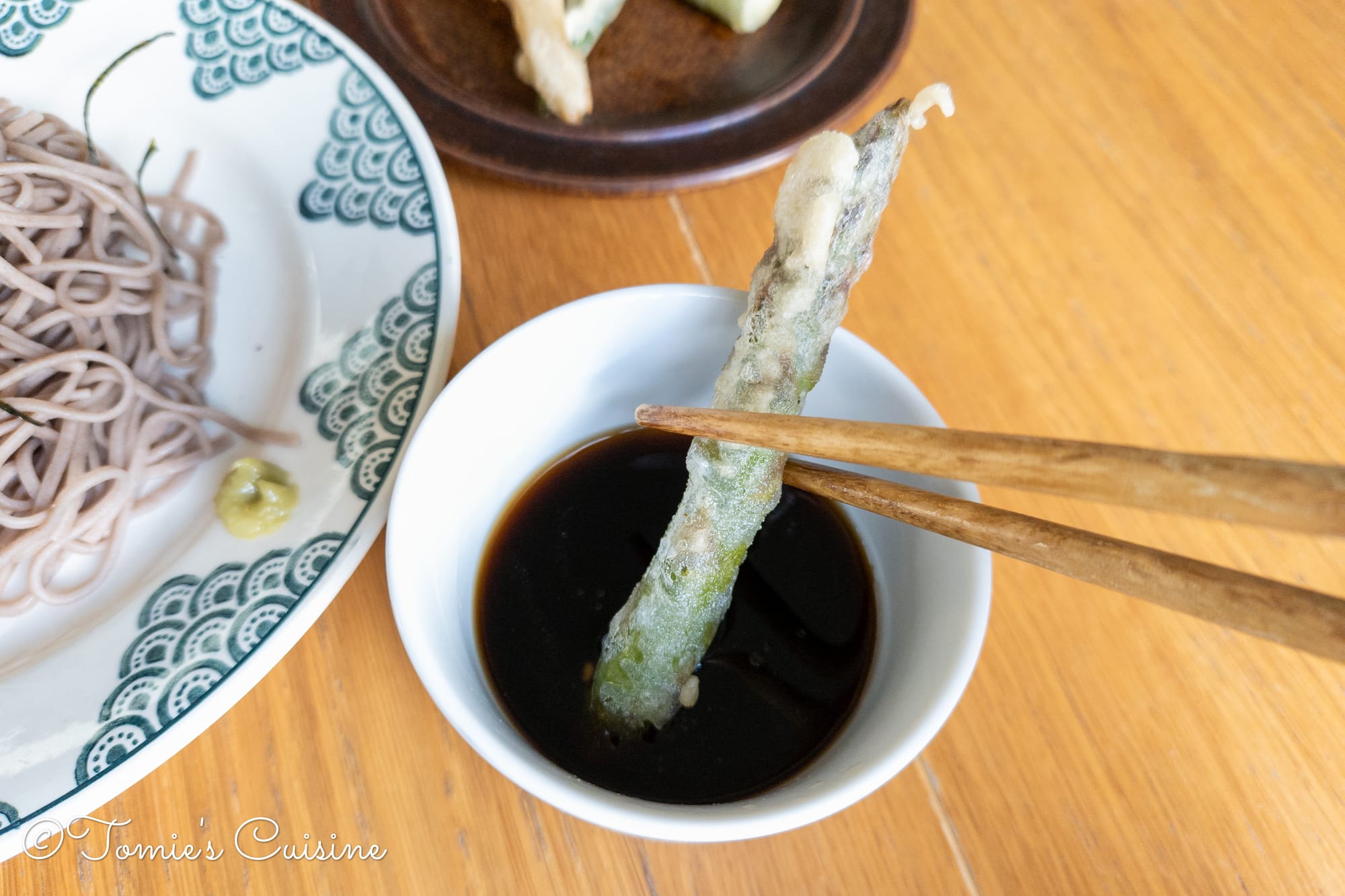
The gluten-free tempura I made with asparagus, okra and maitake mushrooms.
Making tempura in hot weather is always a little tough, but the result is absolutely worth it. It's great with just salt, or even matcha salt, but dipping it into the sauce and having it alongside the noodles is one of the best combinations. I usually make tempura with gluten-free flour and soda water. Nothing else. It works really well and is completely gluten-free! I plan to show you the technique when the weather cools down a little.
👩🍳 Subscribe to be notified when we post the tempura recipe.
Closing words
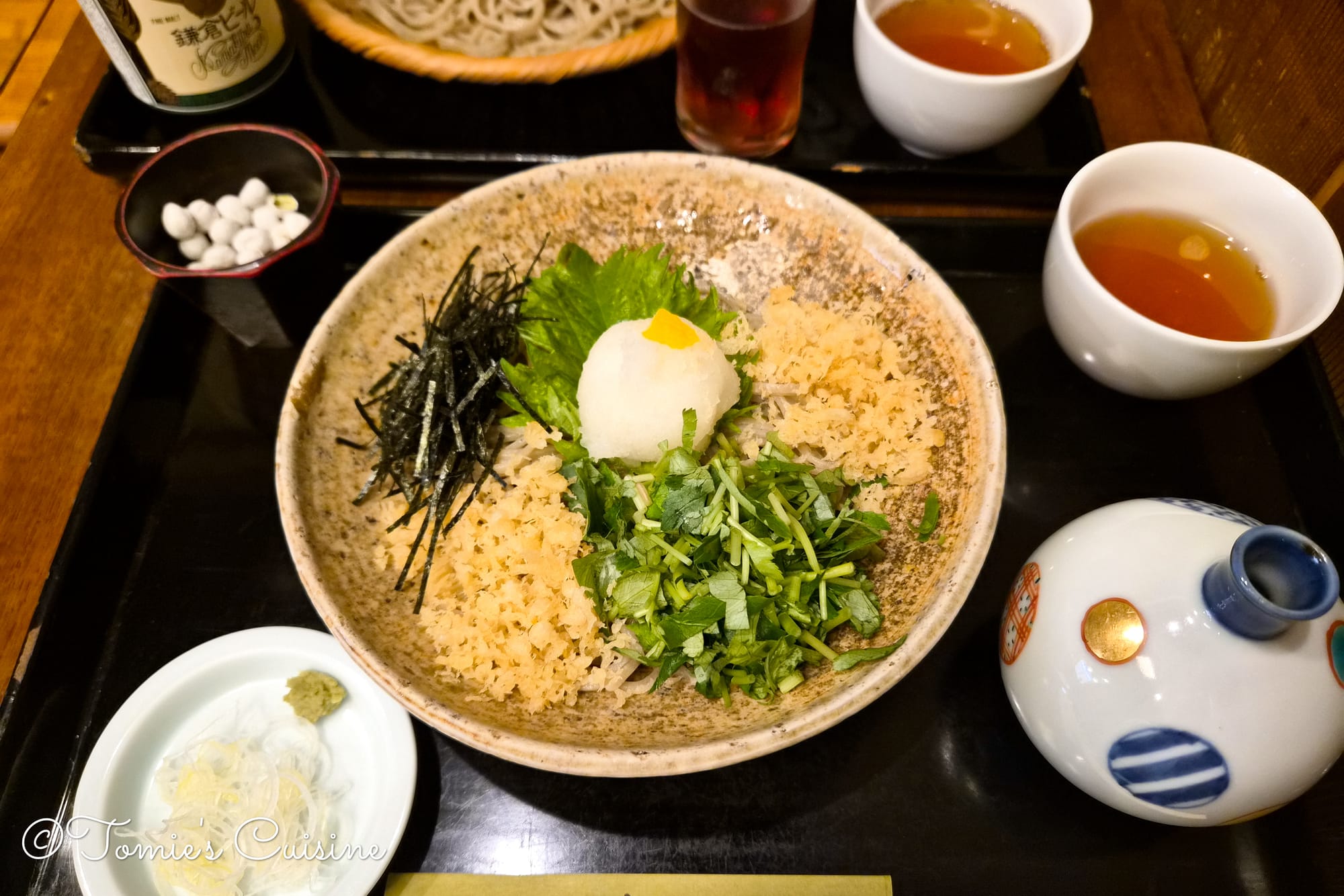
And there we have it, our favourite summer lunch! I hope this helps you cool down a little. Make sure you stay hydrated and enjoy these short, hot summer days.
If you’re ordering with Waso, feel free to use our 15% discount code a6k2gf on your first order!
We're always experimenting with new toppings, so if you find a combination you love, we'd love to hear about it! Tag us on Instagram @tomiescuisine.
Follow us on Instagram, Pinterest, and Facebook, and be sure to subscribe to our newsletter so you don’t miss any of our future blog posts!