Nakasendo Day 7/19: Ota to Hosokute through Gifu Mountains
Snow in mid-March, bear warning signs, and one of the best breakfasts so far. Day 7 takes us from Ota through three post towns into the mountains. This is where the Nakasendo gets wild. No trains, no shops, just forest paths, stone pavements, and the hunt for a bear bell.
As an Amazon Associate we earn from qualifying purchases.
Trip overview
On day 7, we left the hotel earlier than usual to catch a local taxi that we had reserved from Hosokute post town to Mizunami city centre, so we arrived at the hotel we booked at 2 pm. (There is a traditional inn in Hosokute post town, which I think would be the best option.)
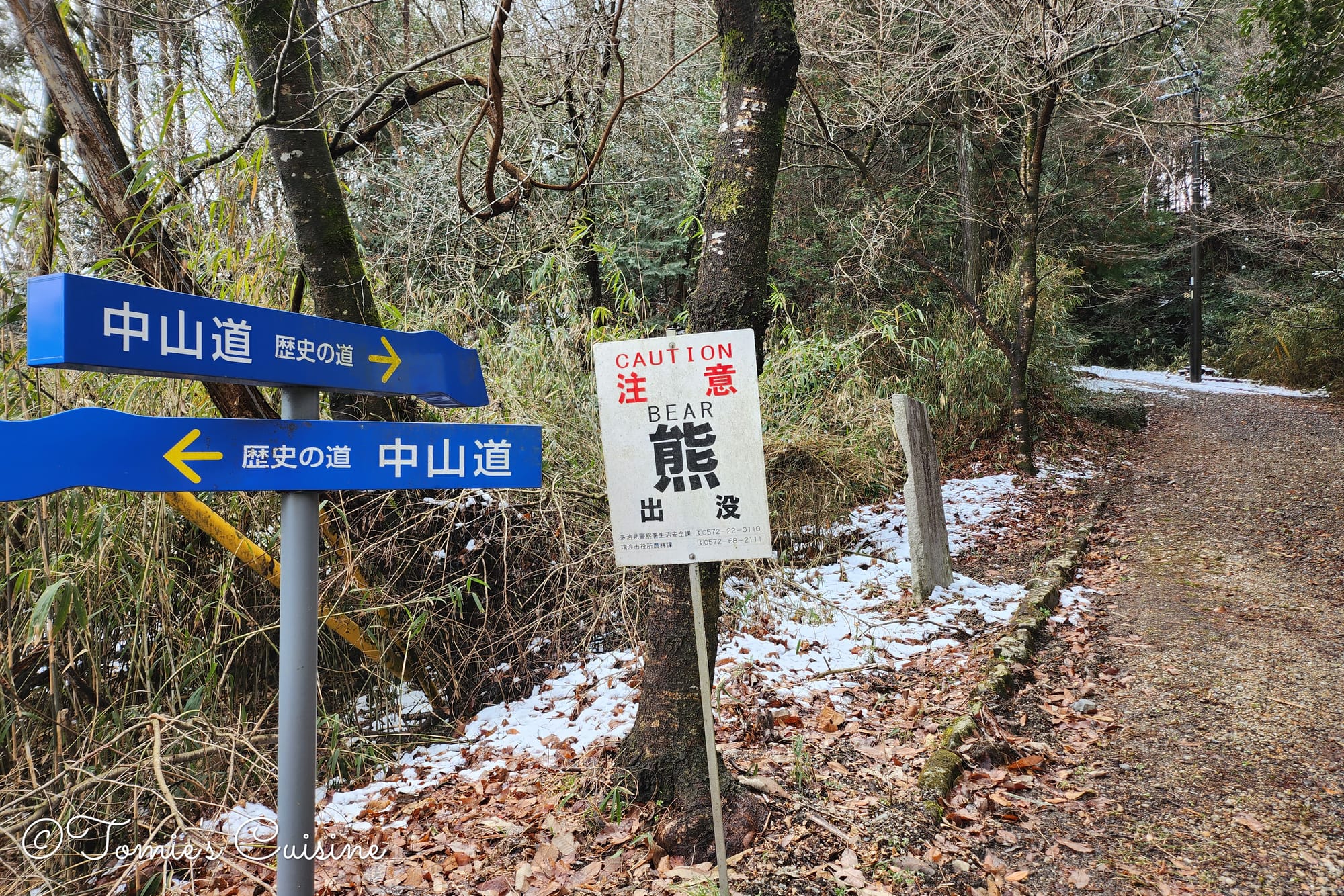
We will be taking a route through nature, and there is no transport available from Mitake post town. This trip will be different from the ones we have taken so far on the Nakasendo Hike, as we will be in bear habitat! We have an exciting surprise in store! Let’s find out what it is!
Post towns covered: Ota (太田宿) → Fushimi (伏見宿) → Mitake (御嶽宿) → Hosokute (細久手宿)
6:30 am Leaving the hotel
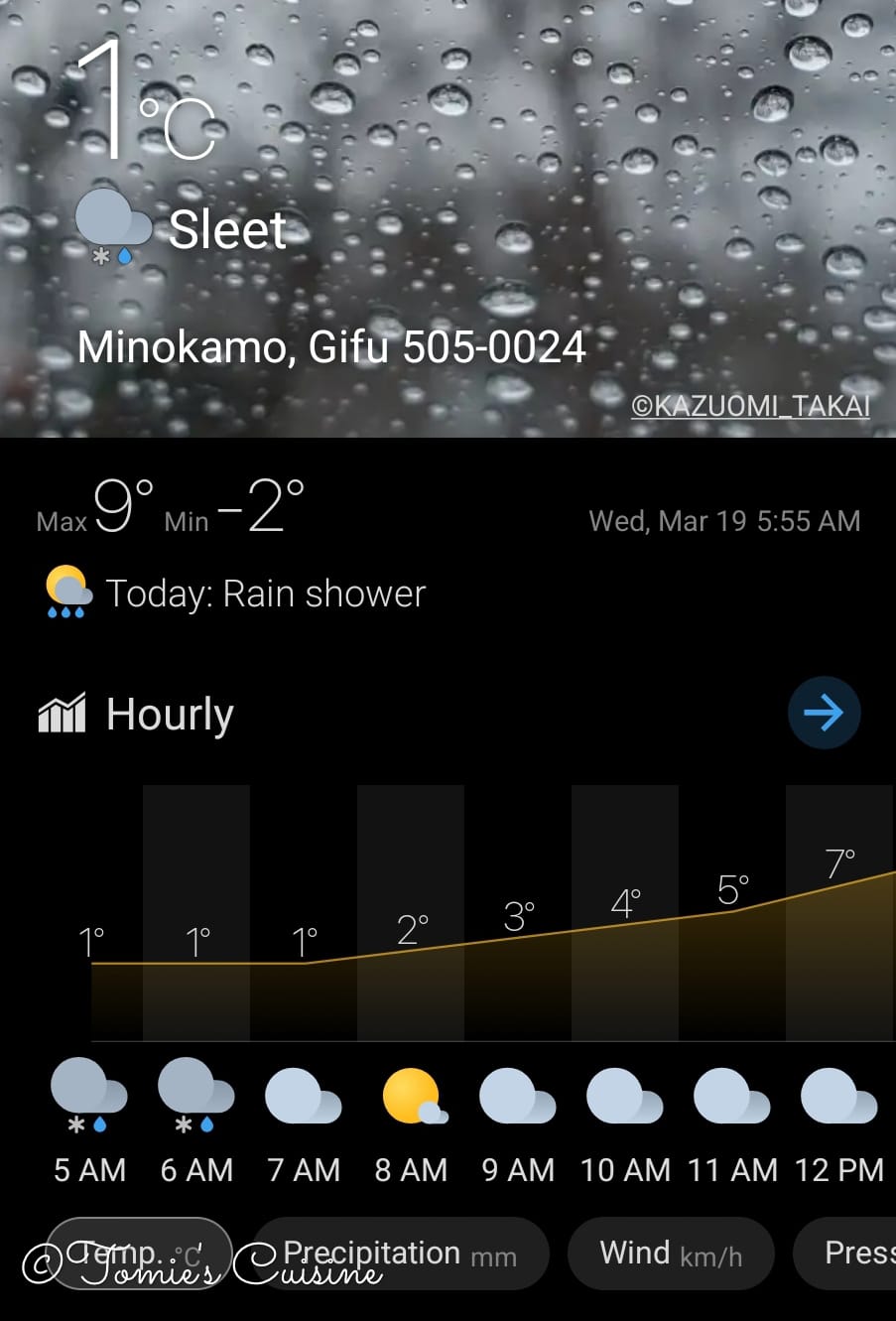
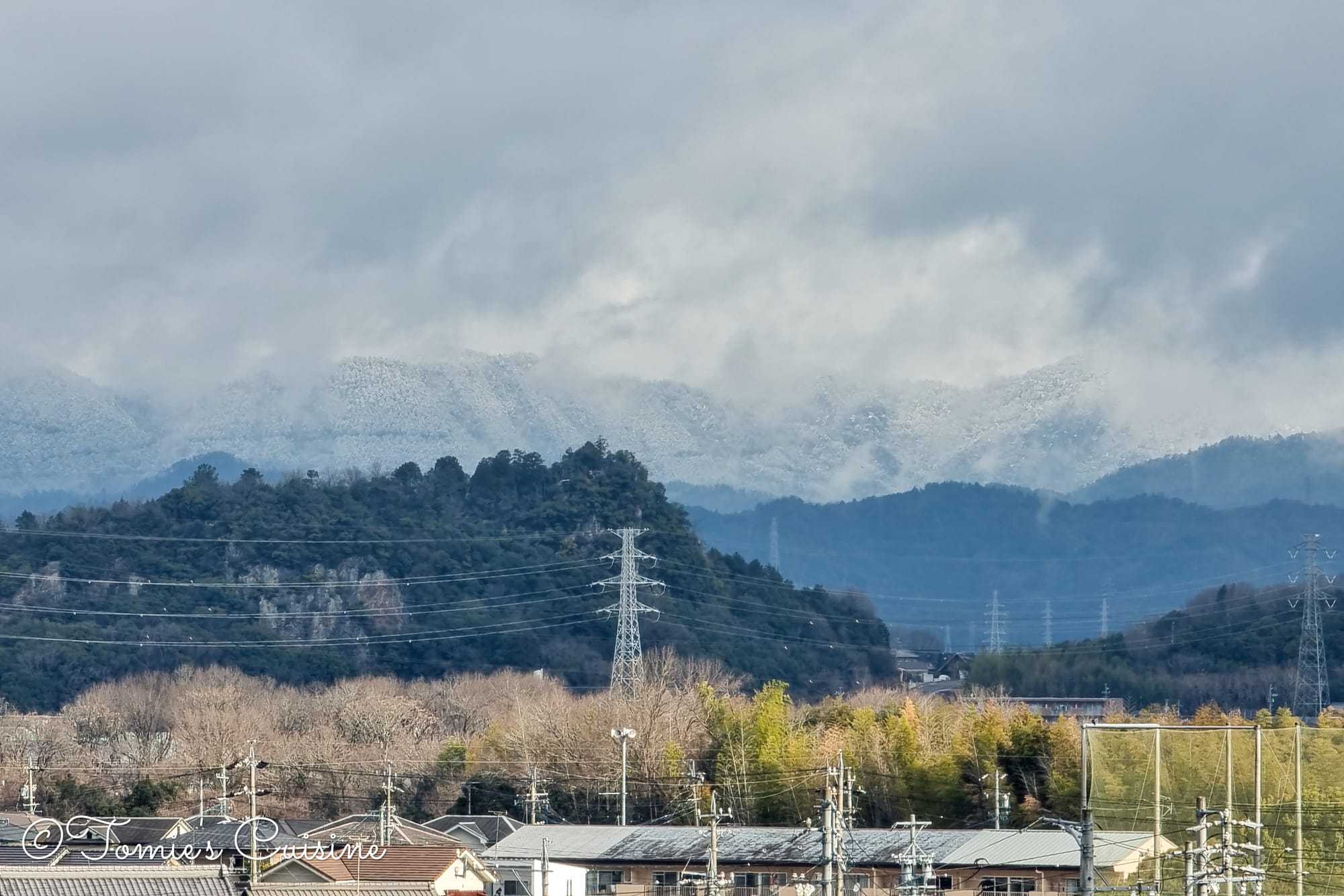
We stepped out of the hotel into a grey Gifu morning, the temperature barely above freezing, and realised the overnight rain had turned to snow. Three layers, a scarf, and gloves, and we still weren't entirely warm until we started walking. Day 7 starts early because somewhere ahead in the mountains is a taxi we can't miss.
Let's cross the bridge and look for a place to have breakfast!
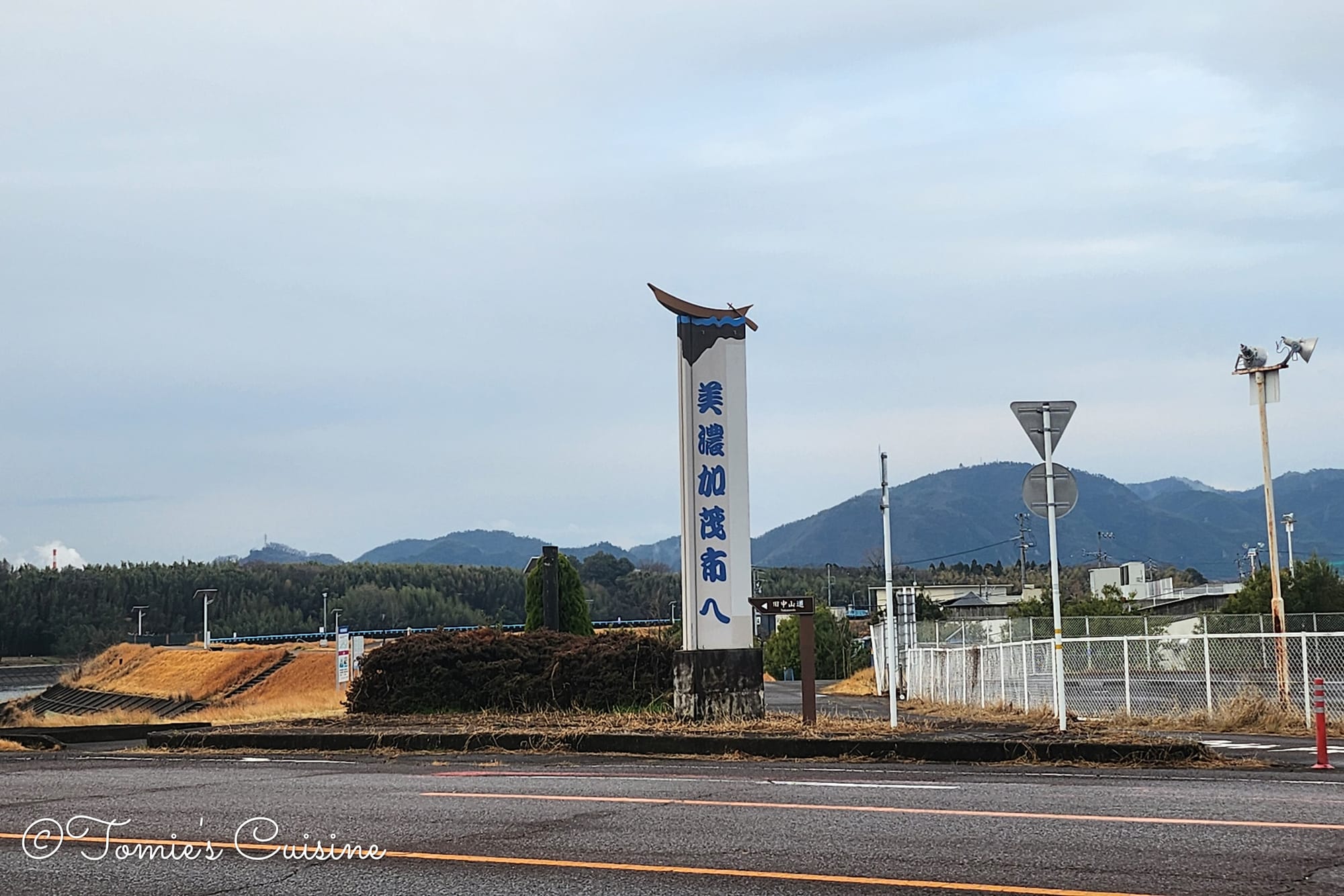
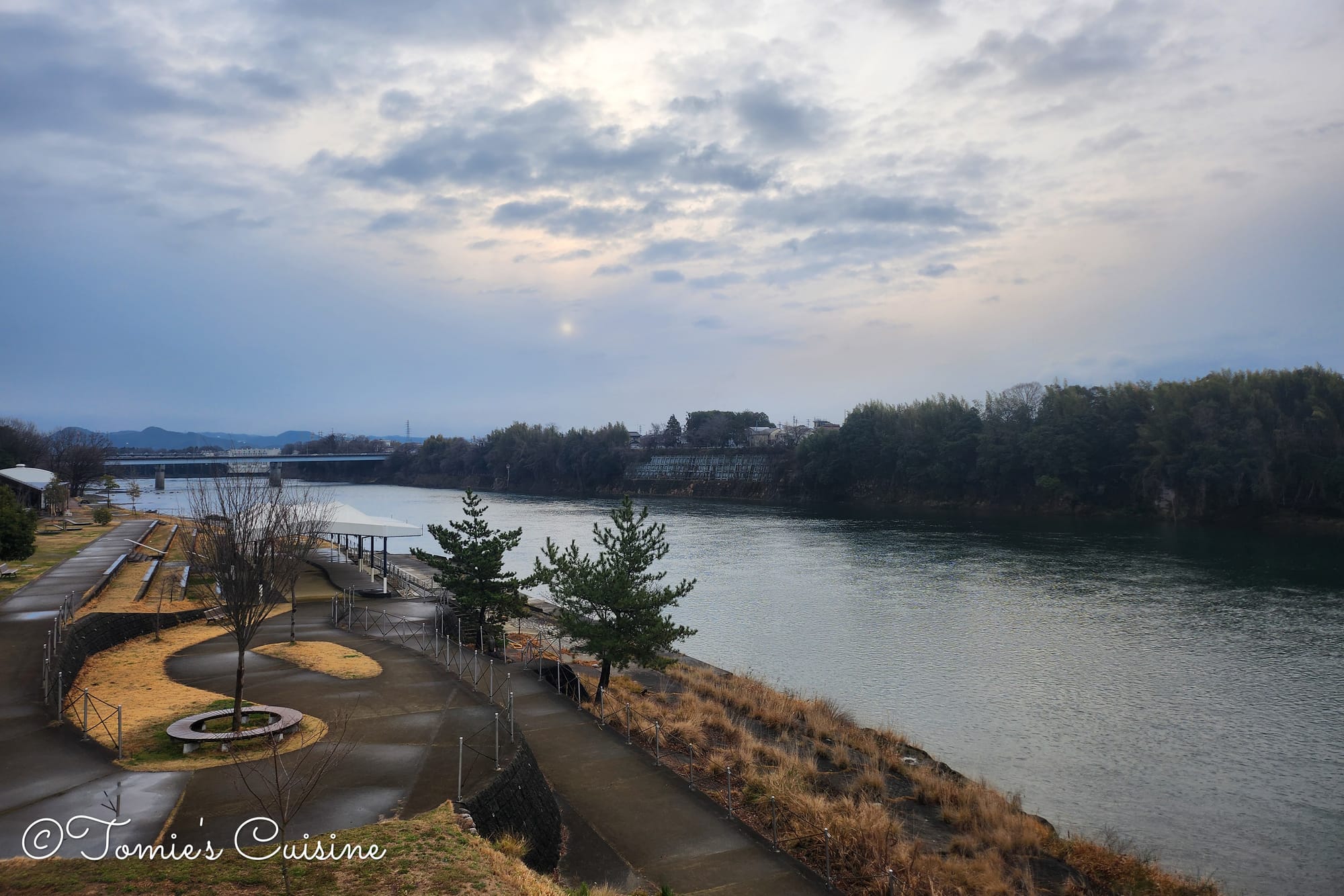
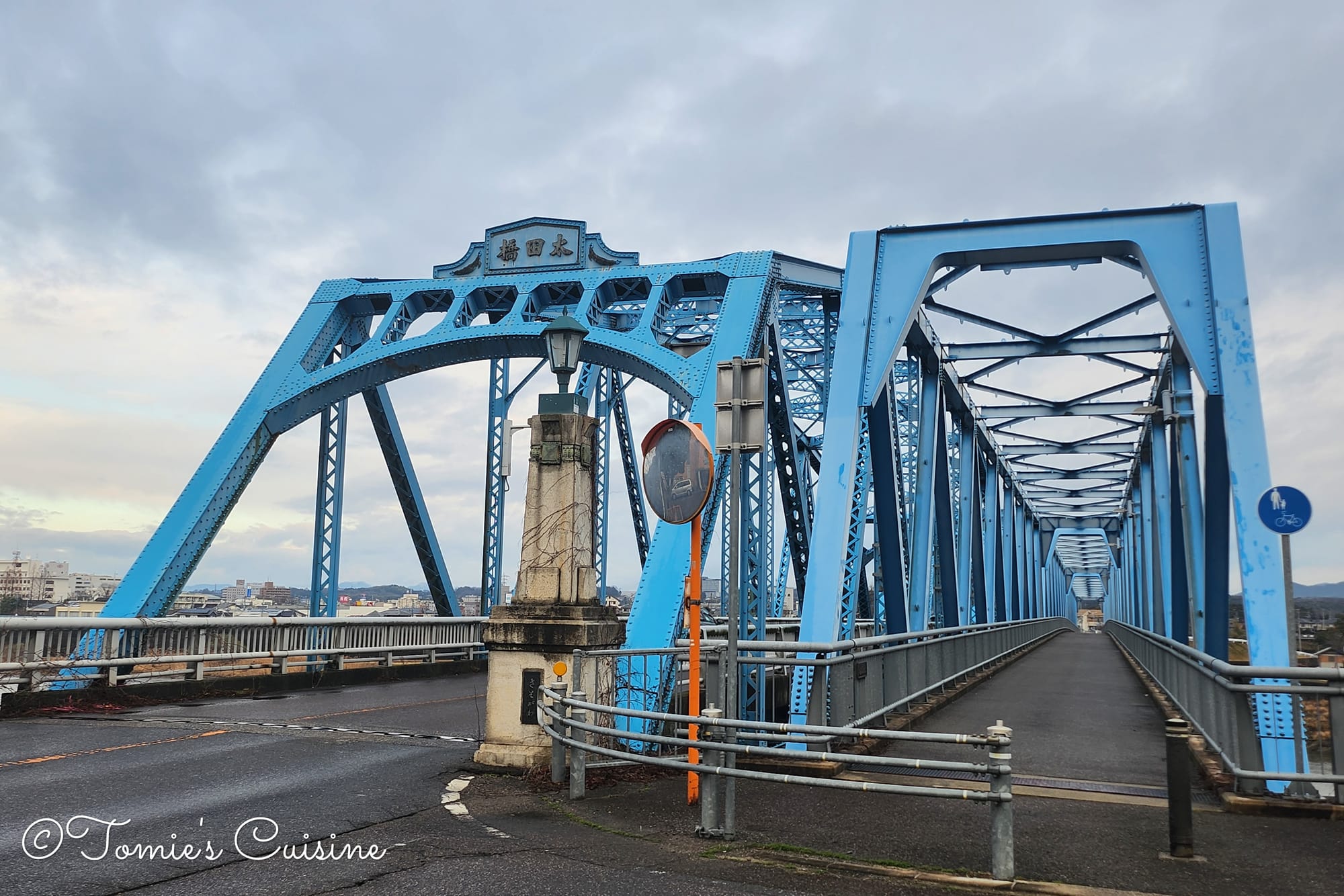
See you again, Minokamo City!It seems like we had some snow overnight…Good morning, Kiso River.
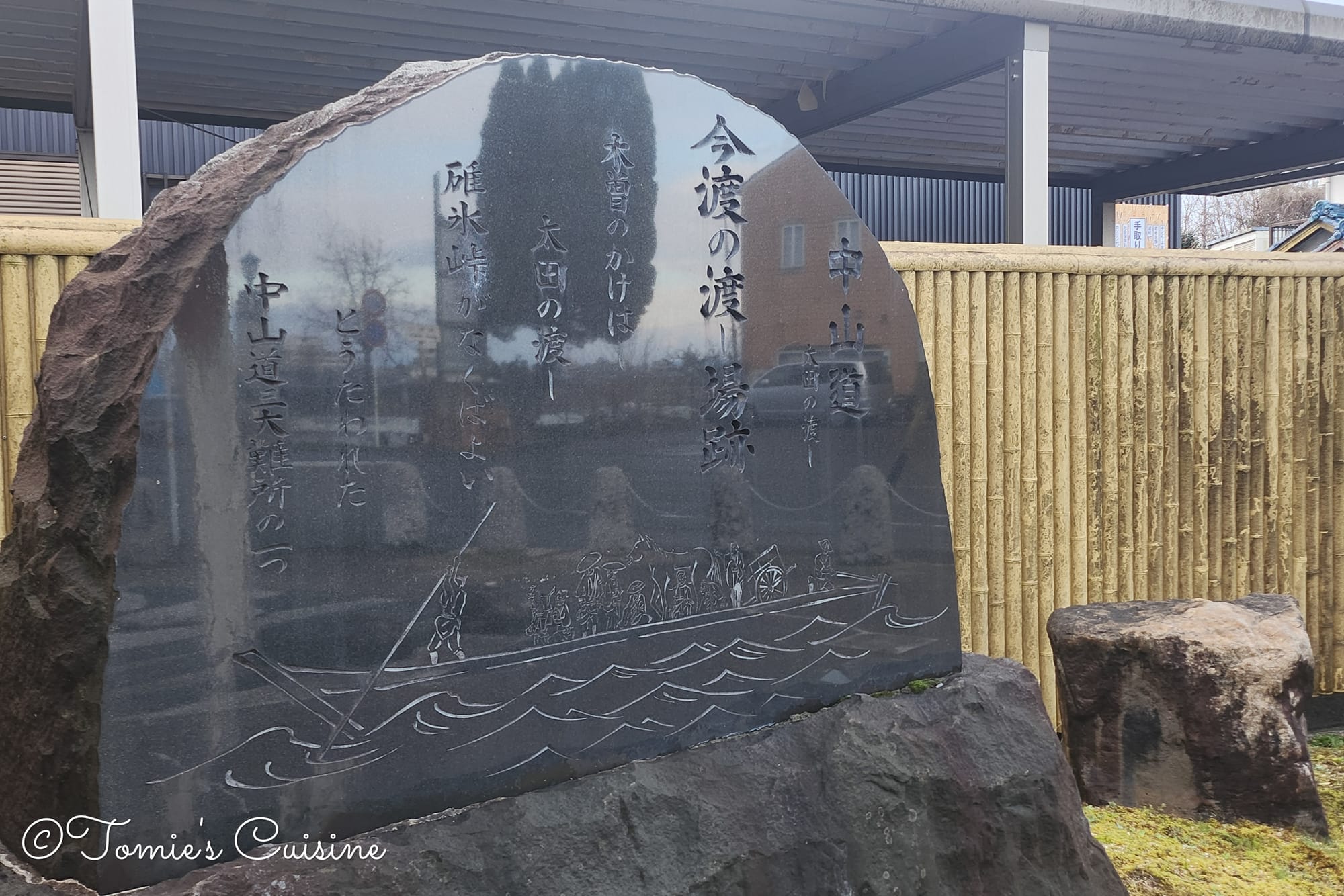
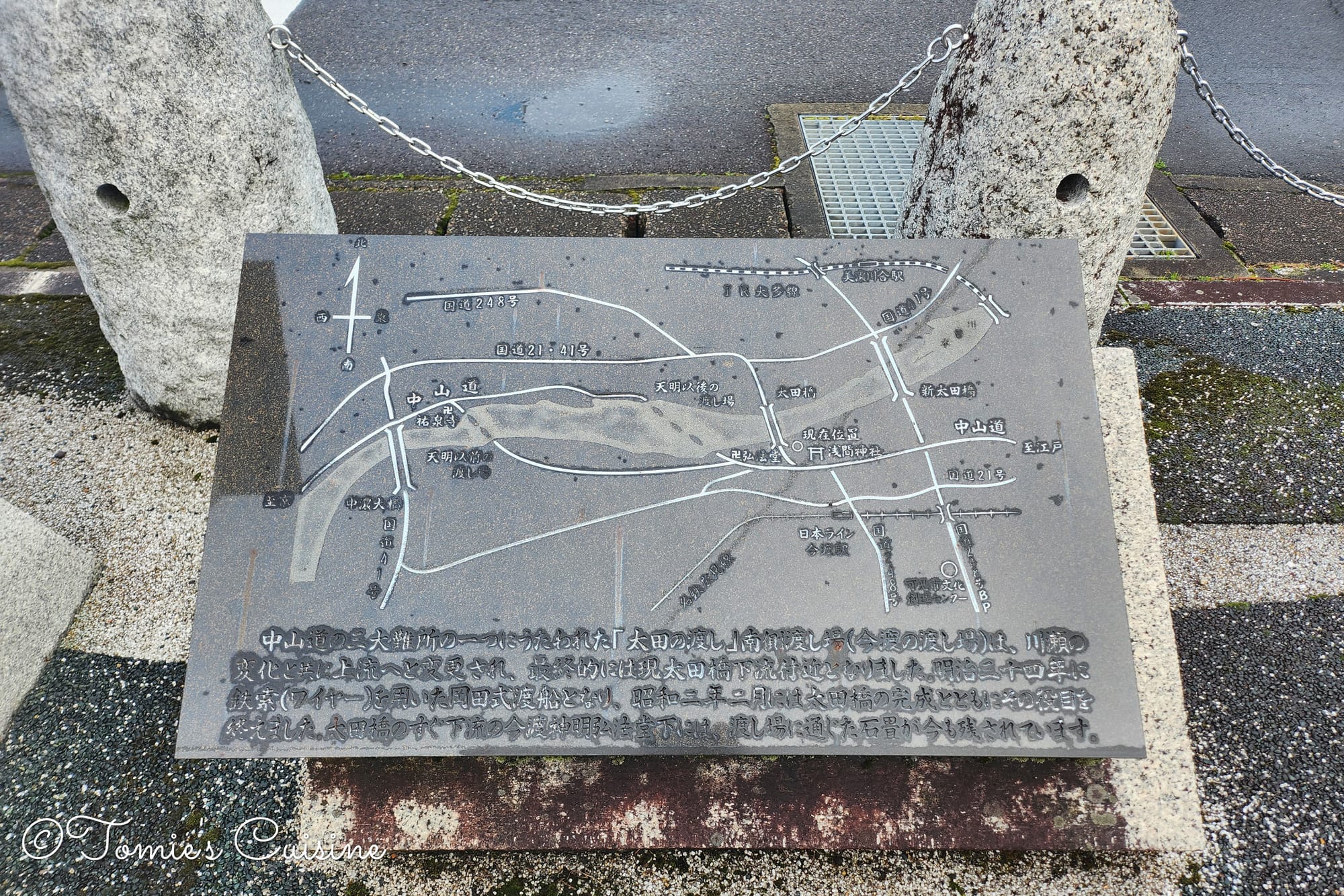
We saw those after crossing the Ota bridge. On the other side of the Ota ferry crossing, it's called the "Imawatari” ferry crossing.
This place used to be a ferry port across the Kiso River and was known as one of the “annoying places” among Nakasendo travellers, along with the Kiso Bridge and the Usui Pass. People used this ferry port until 1927, the year that the Ota bridge was completed.
7:30 am Breakfast at a retro cafe
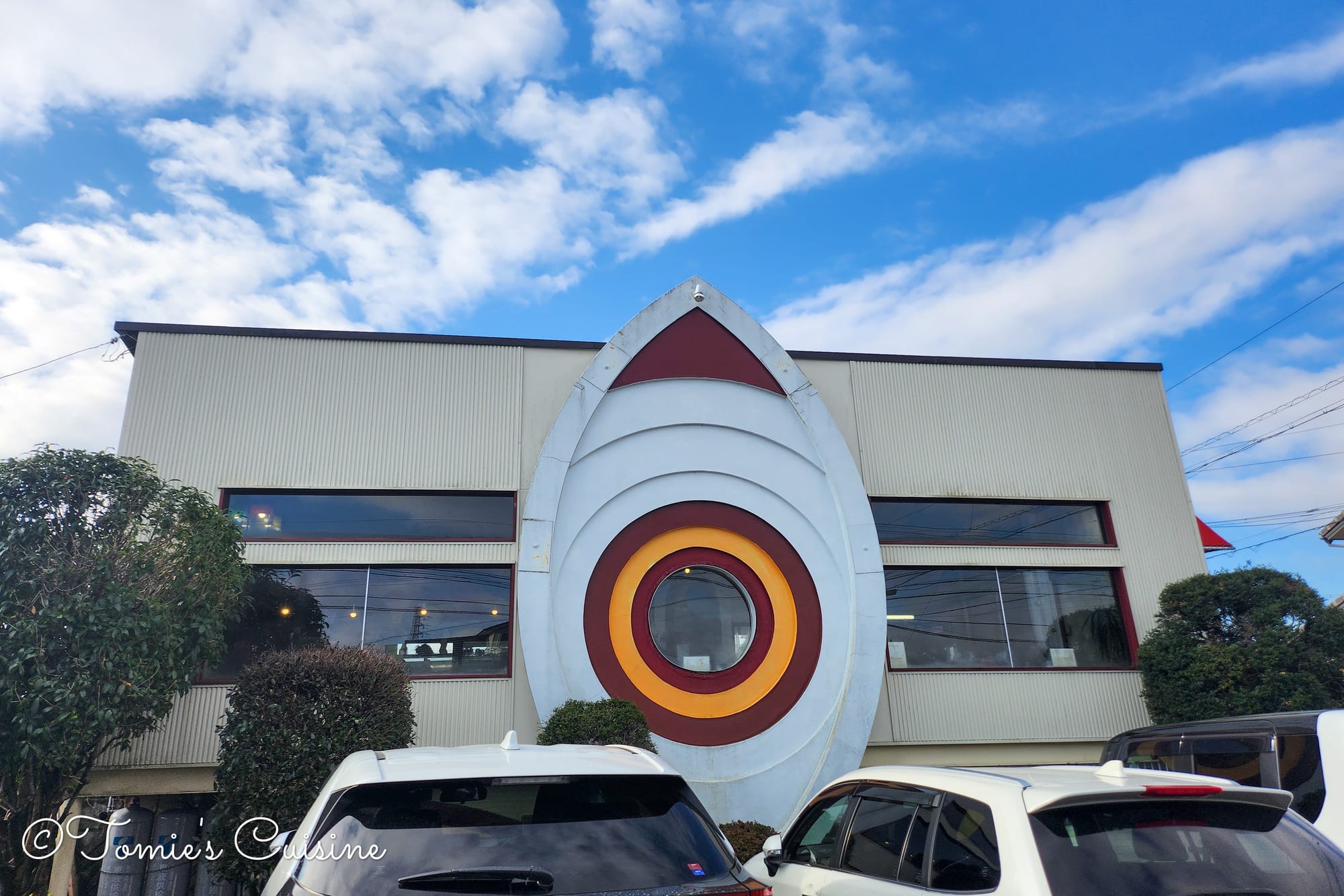
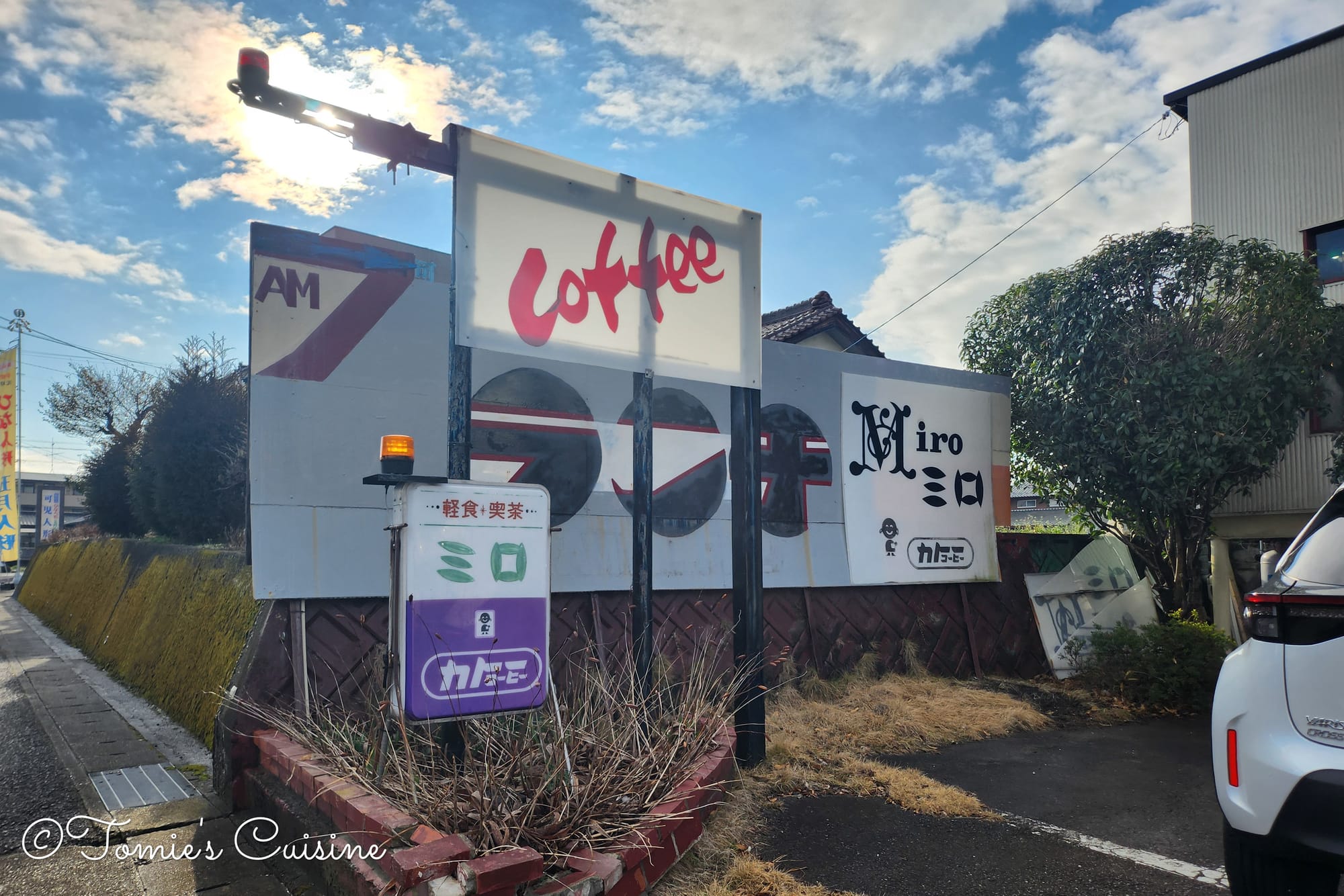
Exterior of the Café MIRO, a vintage retro café in Minokamo
After about an hour of walking from the bridge, we found this charming vintage café called MIRO. When we arrived, some locals were already enjoying breakfast.
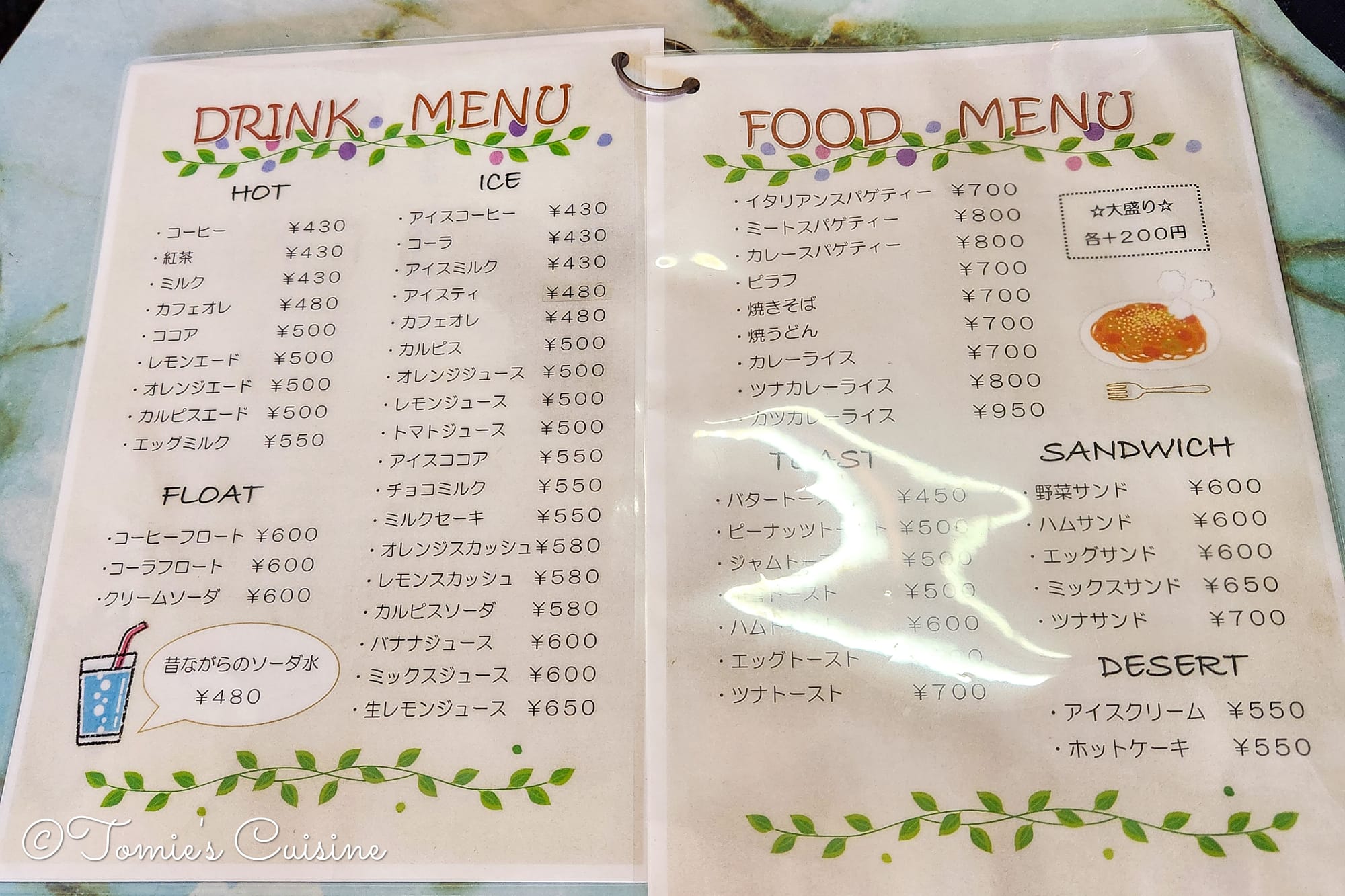
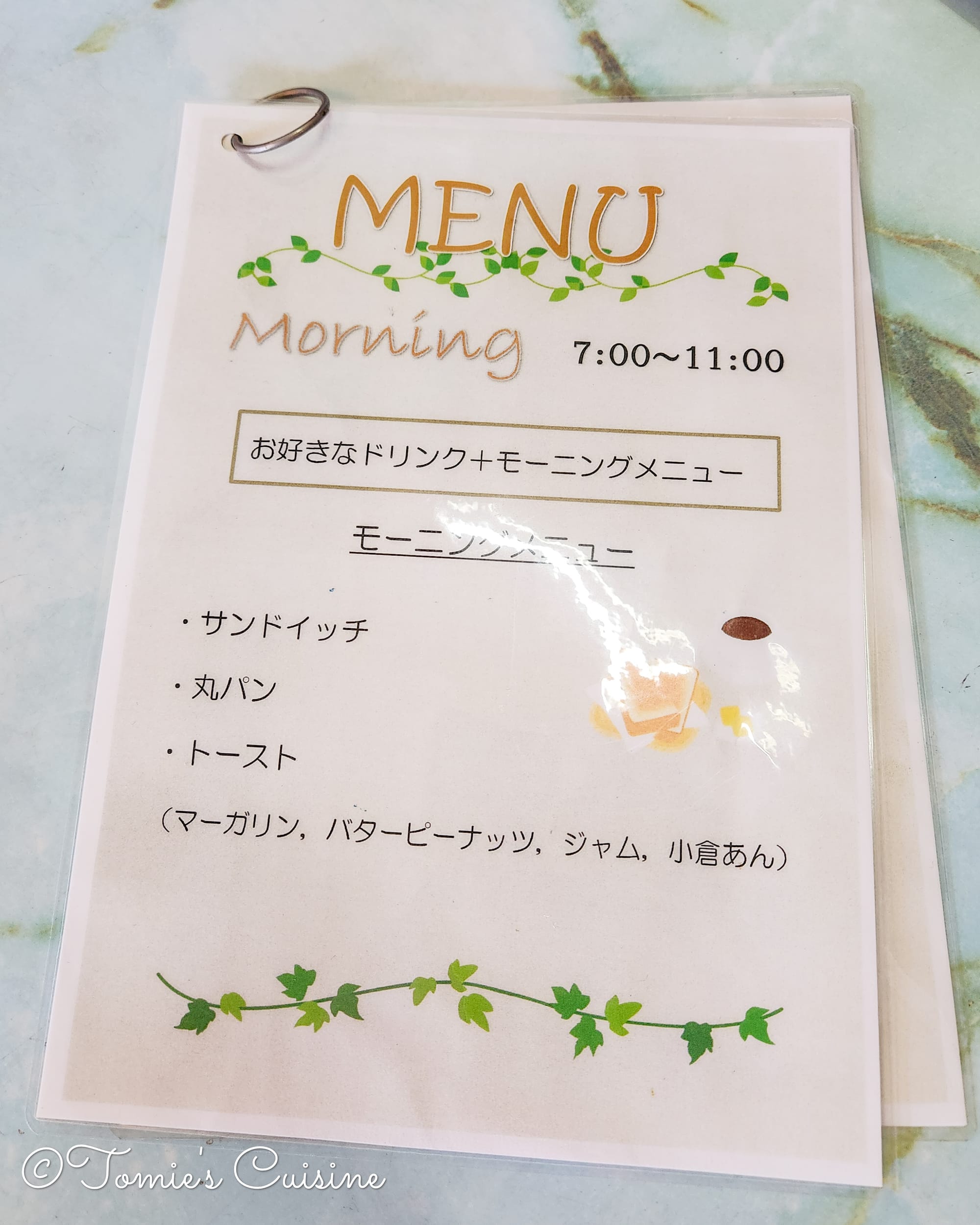
Drink and Food menu and "Morning" menu.
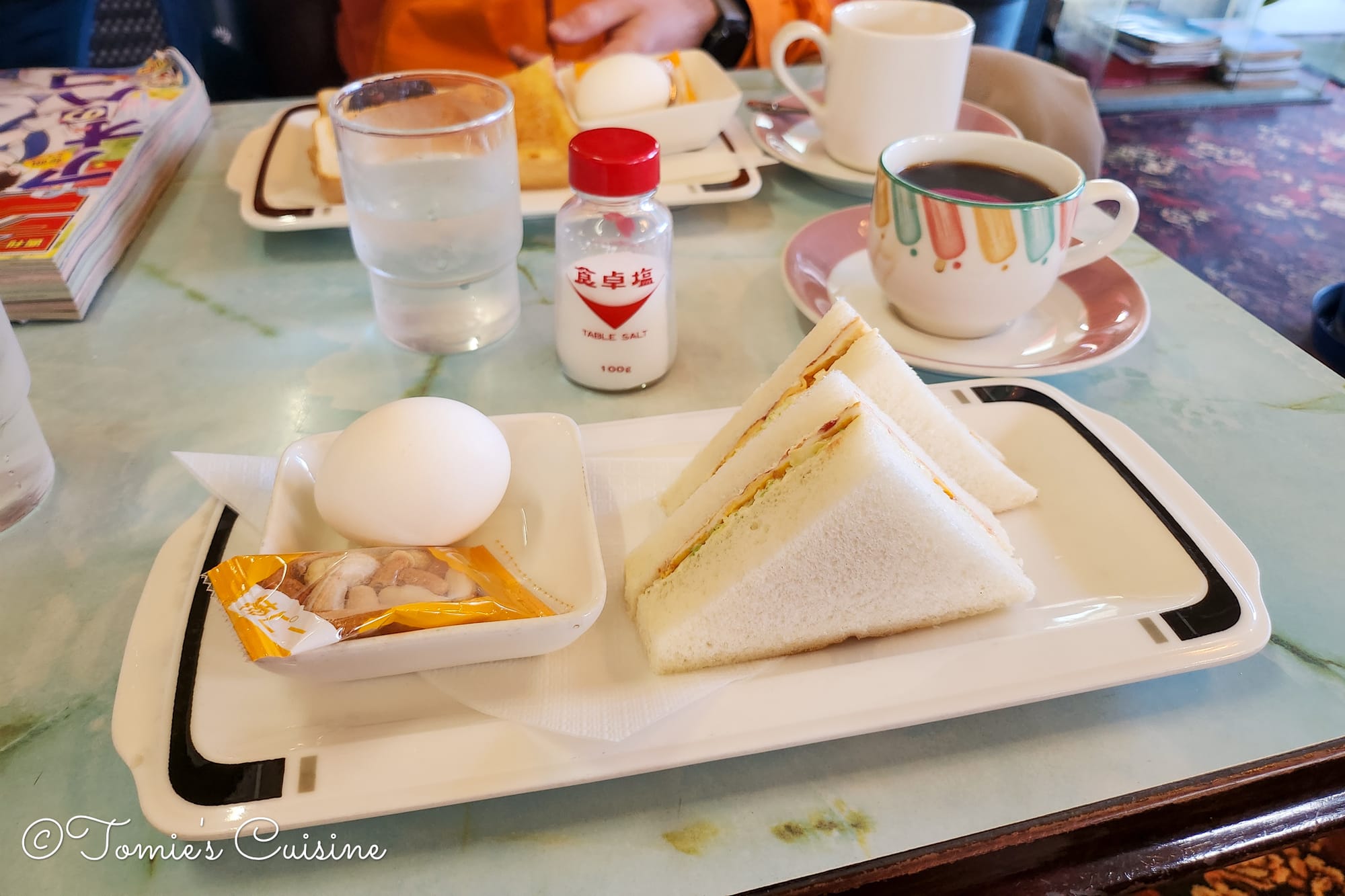
In Japan, there's a breakfast deal called "Morning" where you order a drink and receive a sandwich, toast, and a boiled egg. This café was serving the Morning with your choice of sandwich, round bread, or toast, with a selection of condiments. I chose the sandwich, and my husband chose the toast with sweet red bean paste.
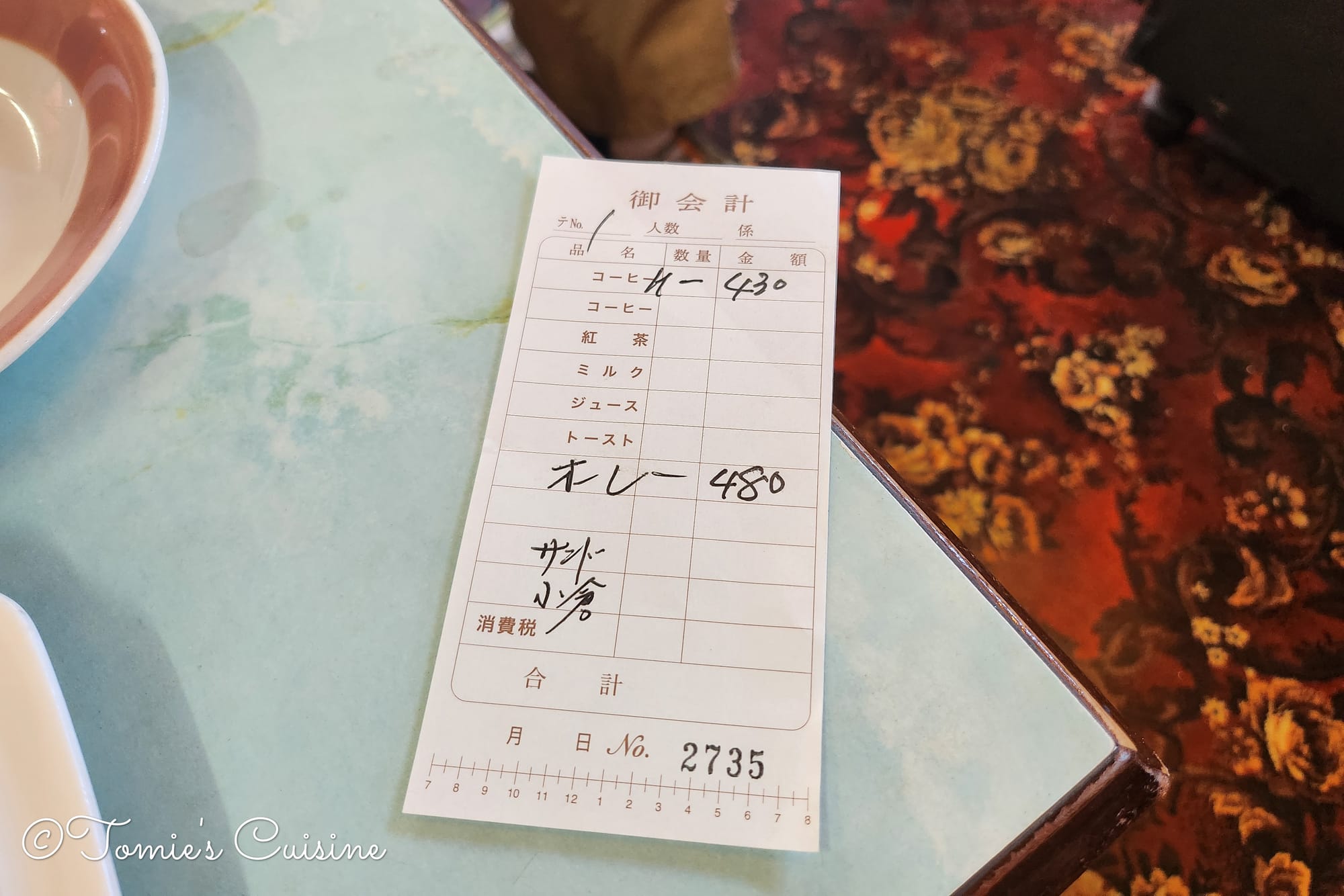
I really like this handwritten bill from MIRO!
An older gentleman runs the café, and a young lady came to us after we paid. It seems like they only speak Japanese, so I'd recommend using a translation app if you want to chat. Cash only, which is worth knowing before you sit down.
The sandwich “Morning” that I ordered. It was so good! I should have ordered more!
My sandwich came on soft, fluffy white bread with a thin egg omelette and coleslaw. It was so good that I made my husband try it too. He agreed.
My only regret is that I didn't order an extra to take with us! We will definitely be back.
8 am It's time to leave the cafe
We wanted to stay longer, but we have to go. We bid farewell to the owner and headed to Fushimi post town!
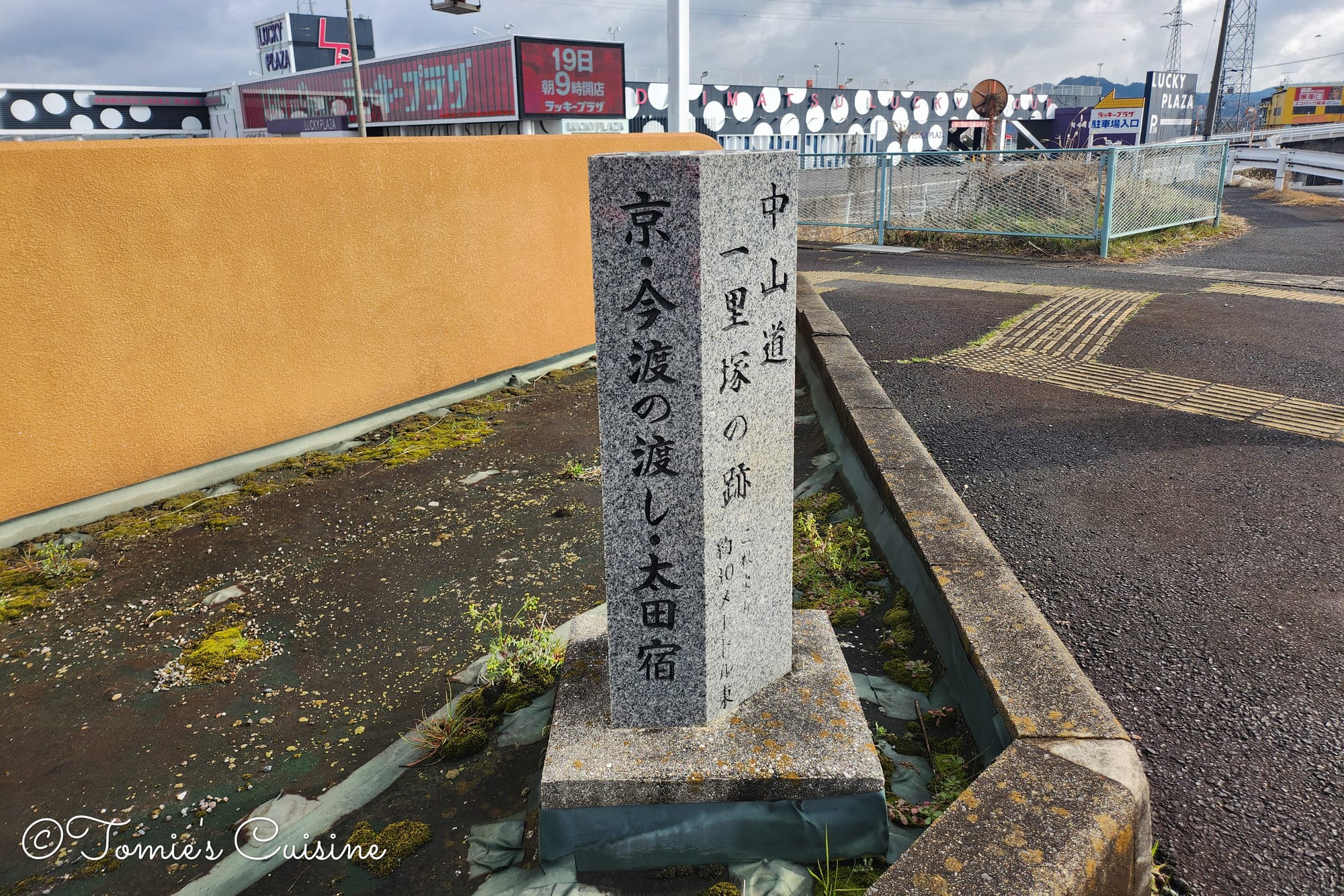
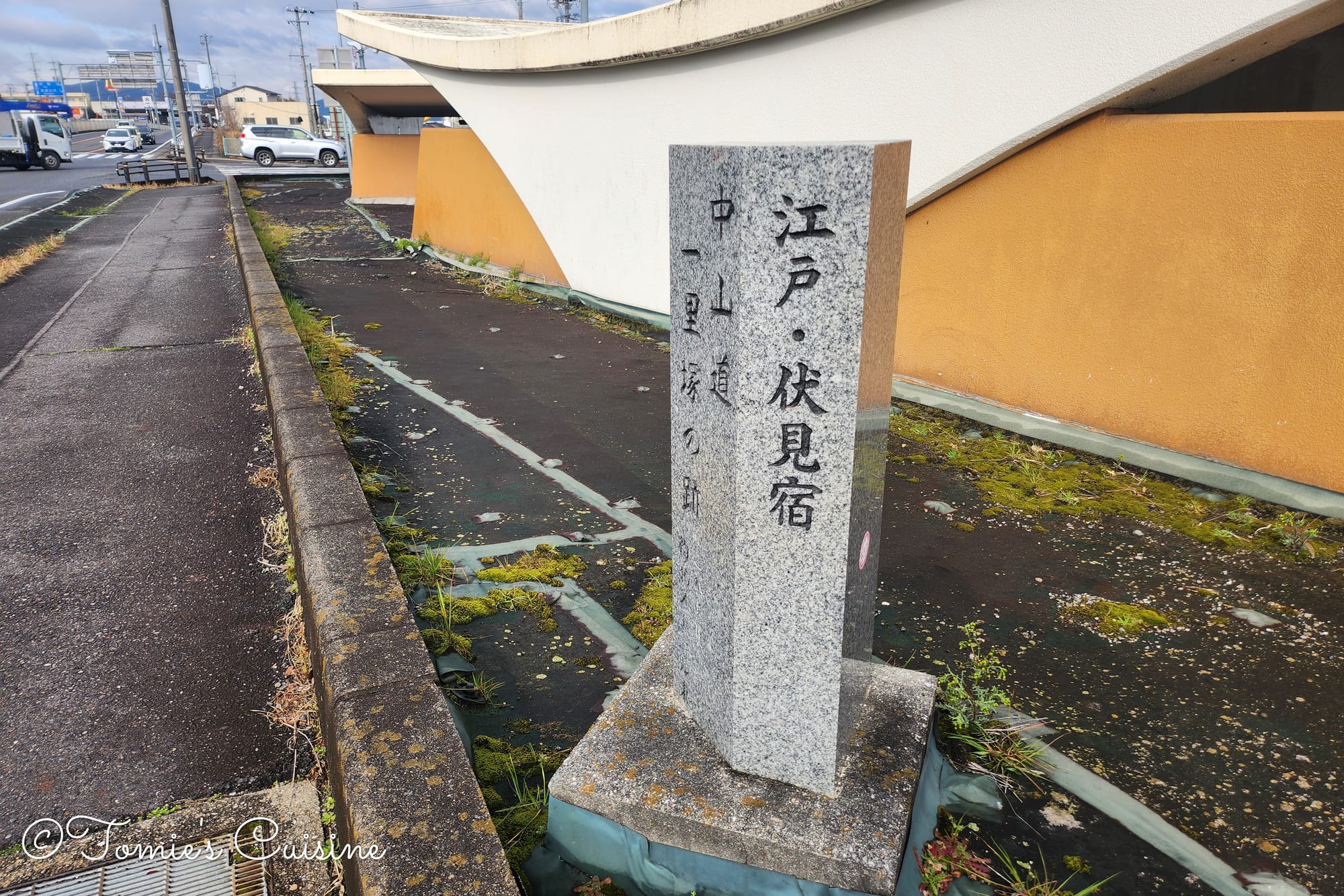
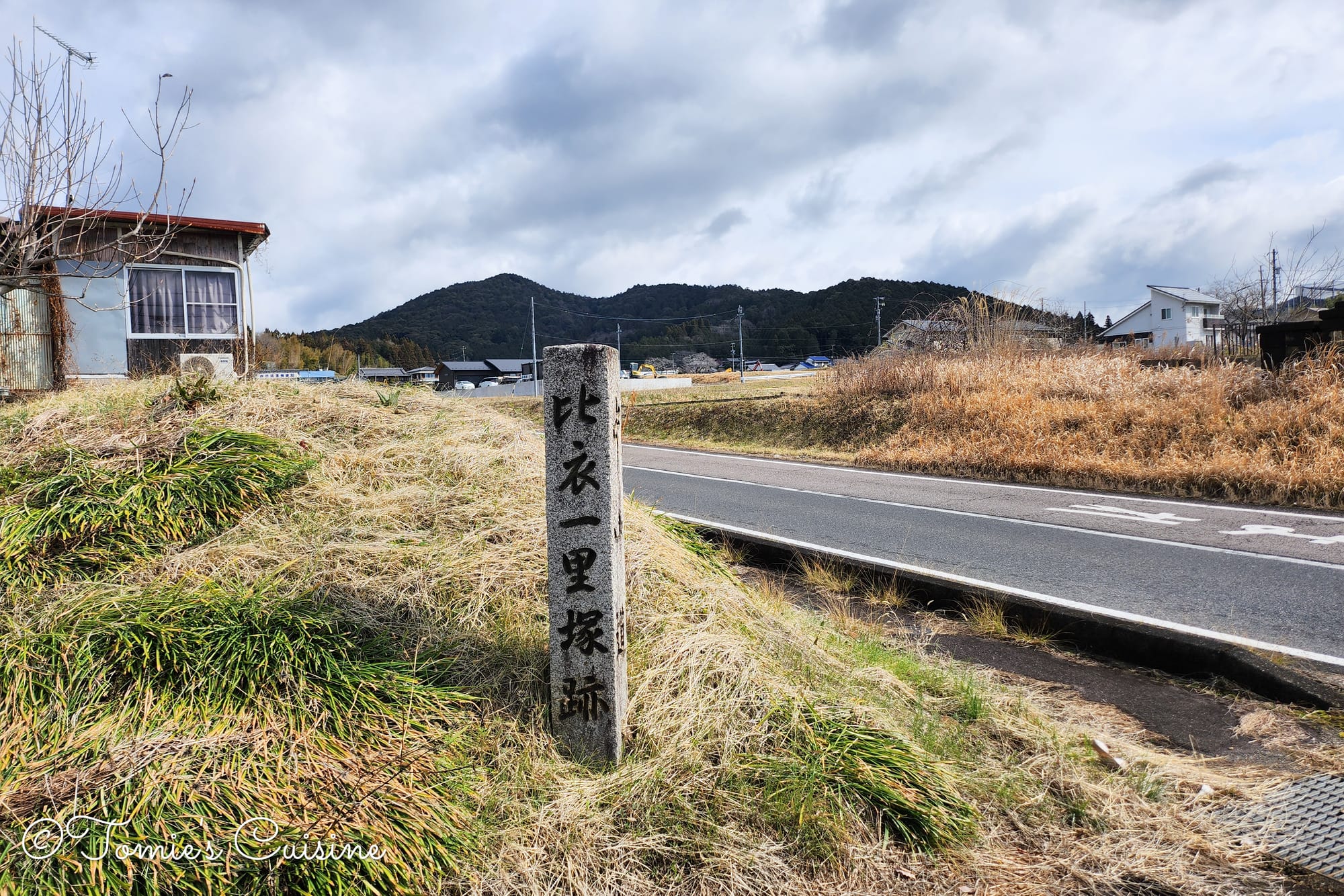
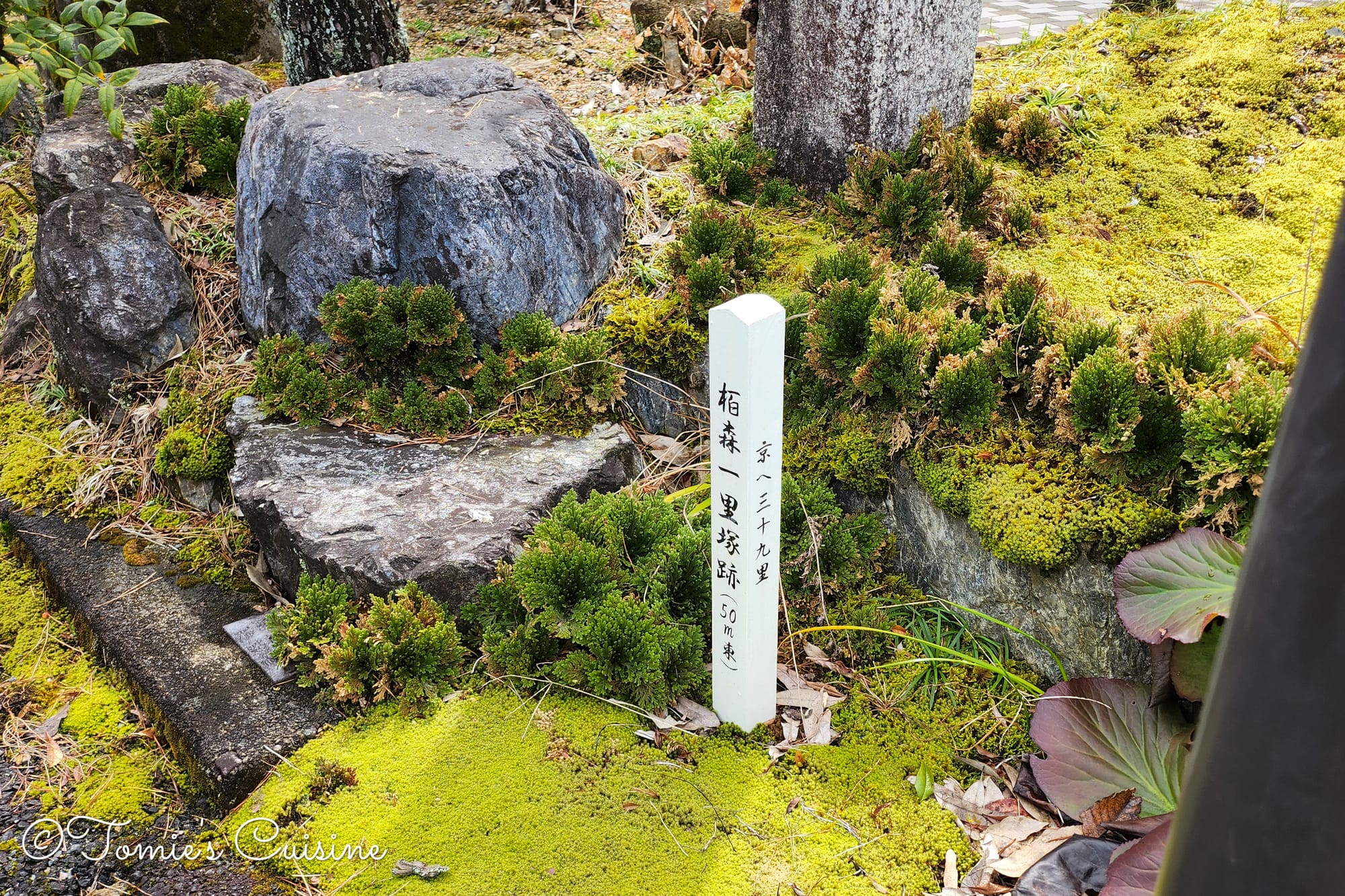
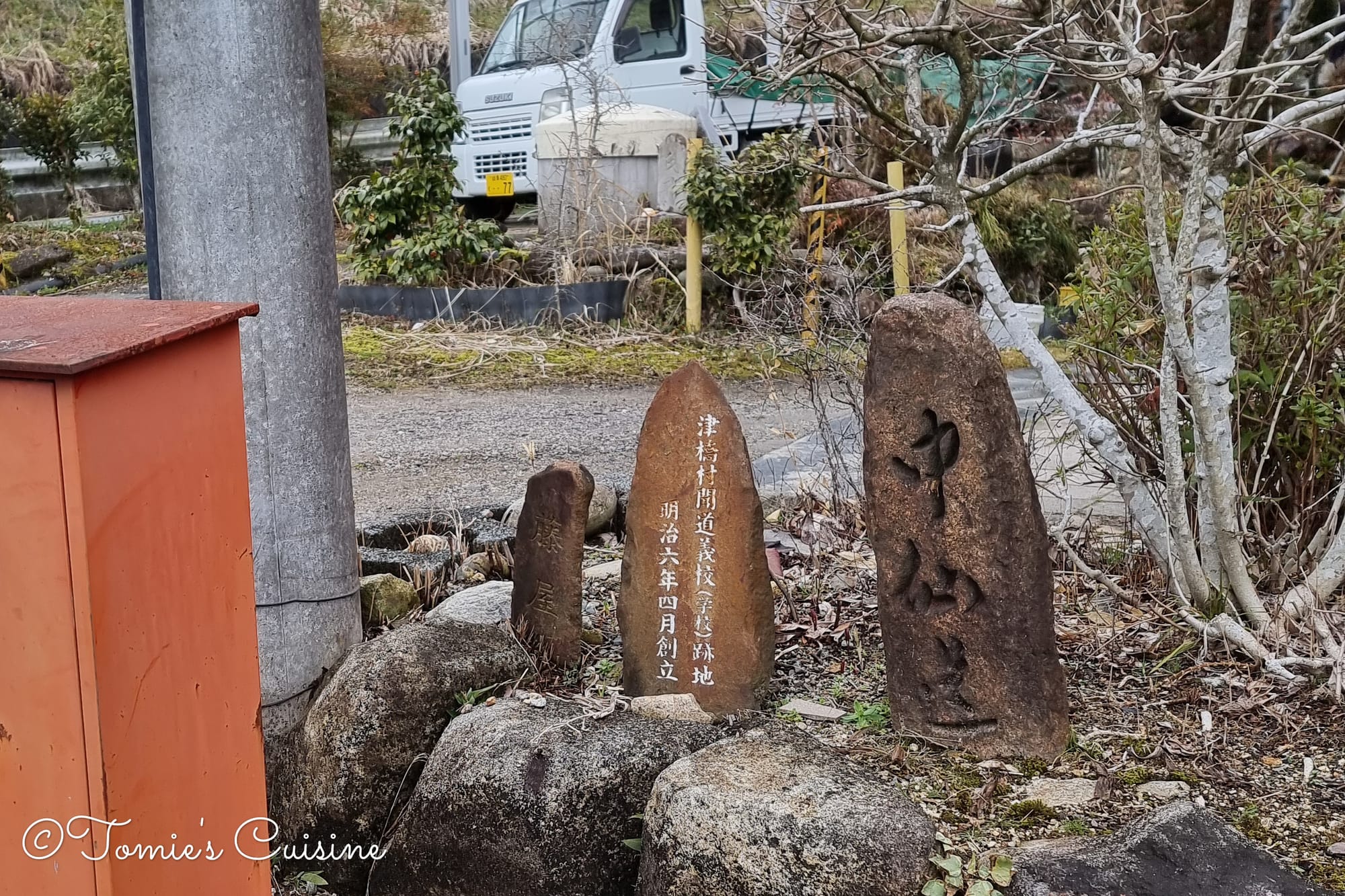
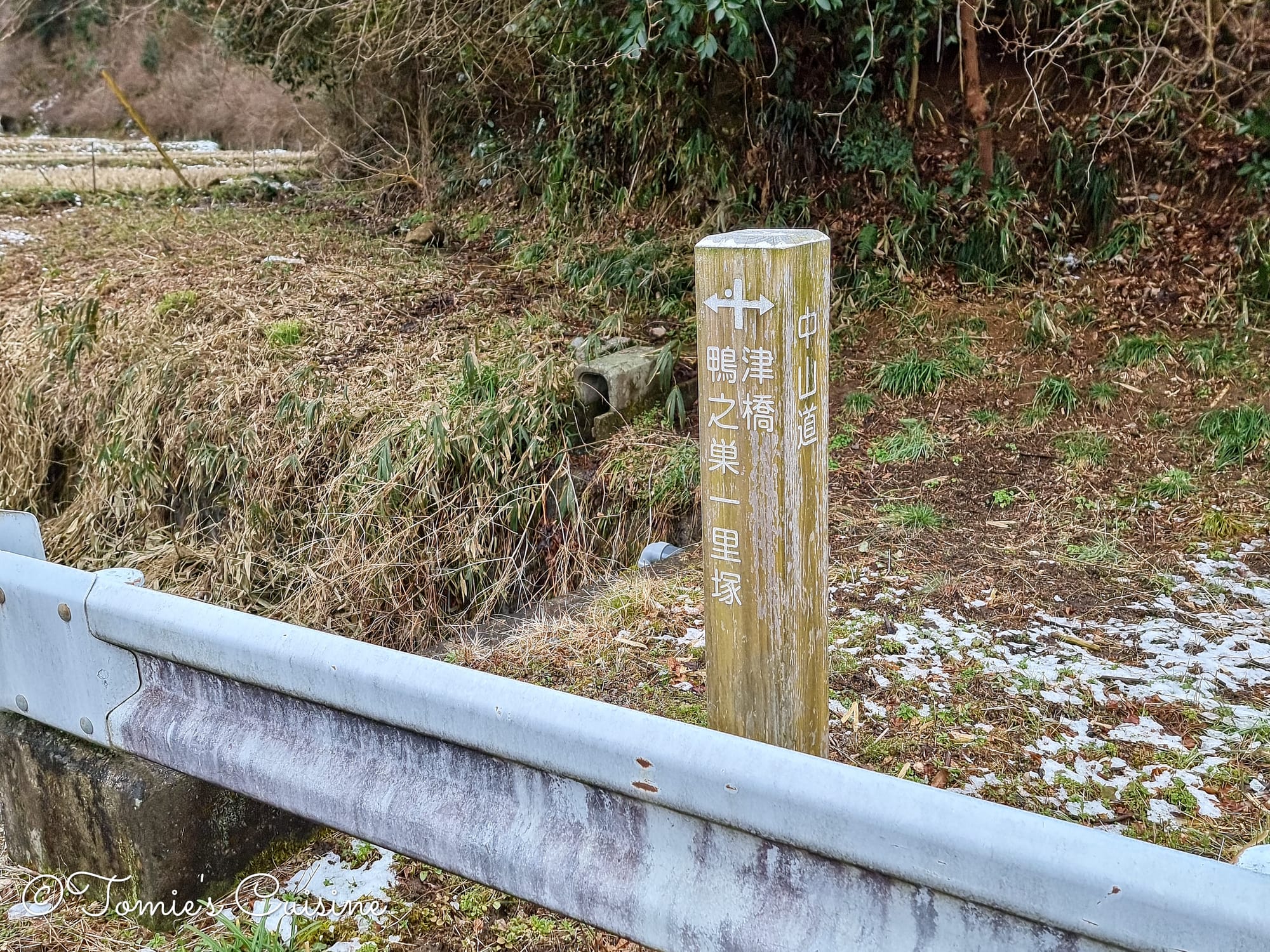
The sign for the Ichirizuka Milestone ruin is also showing the direction towards Kyoto (towards Ota post town) and Tokyo (towards Fushimi post town).
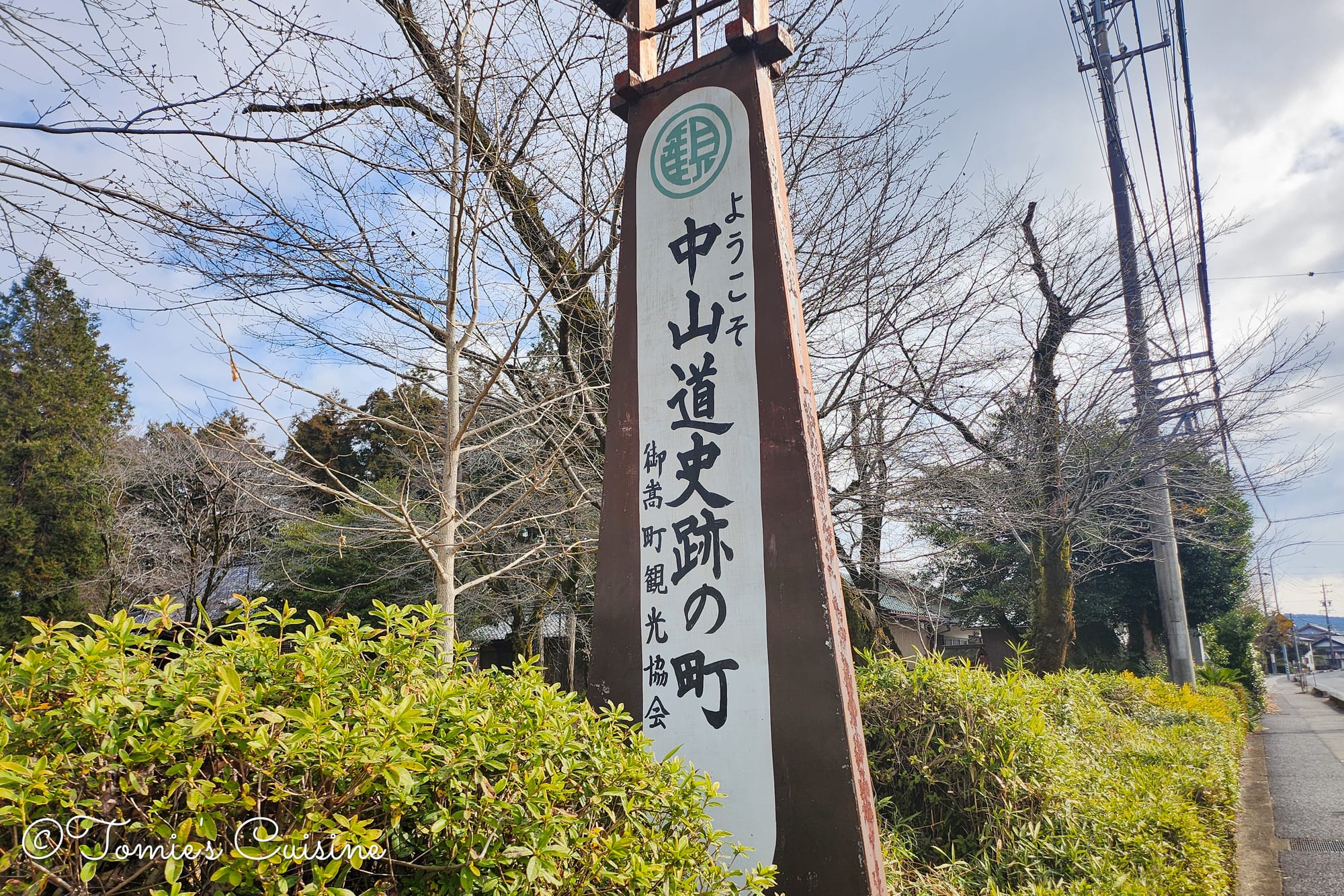
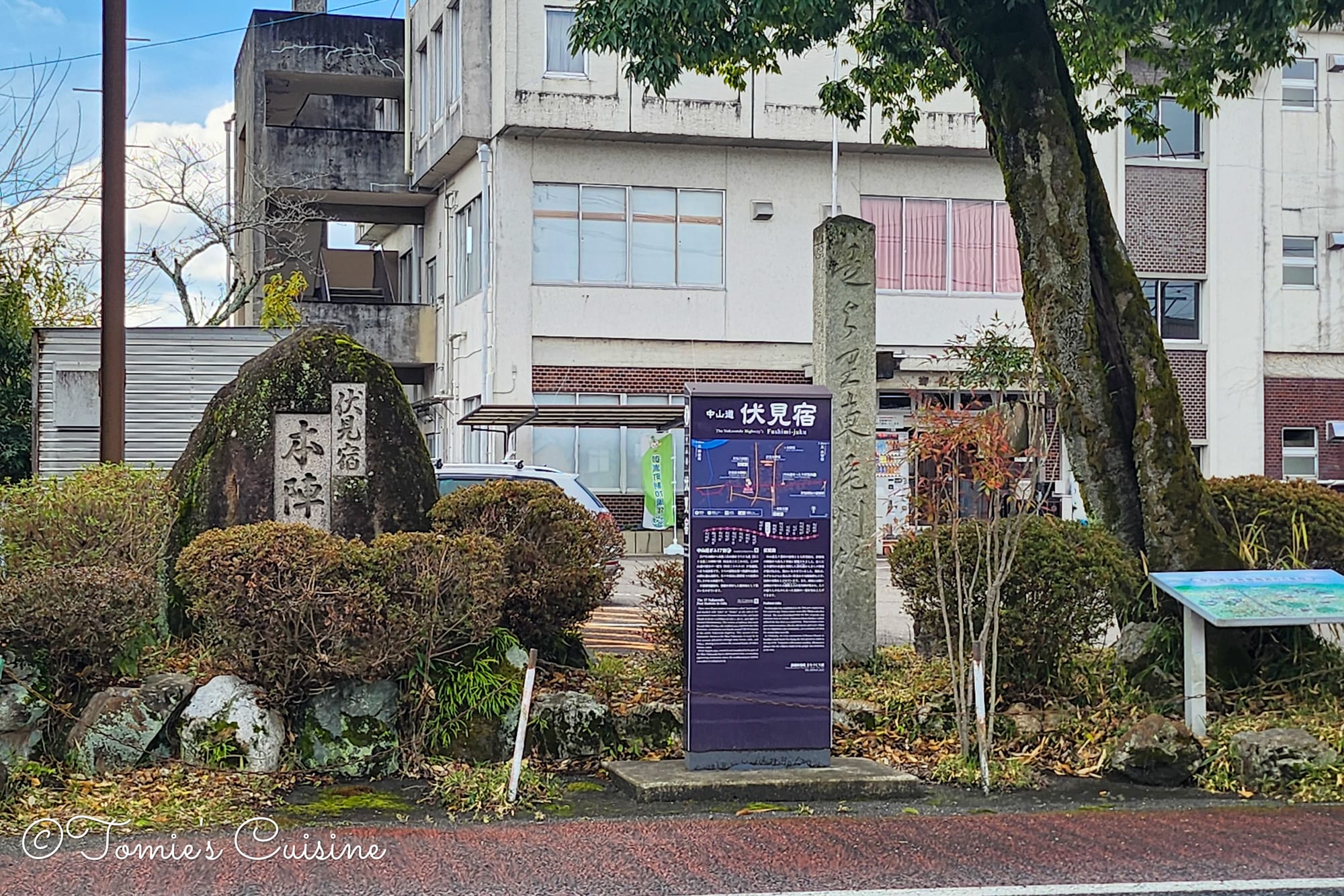
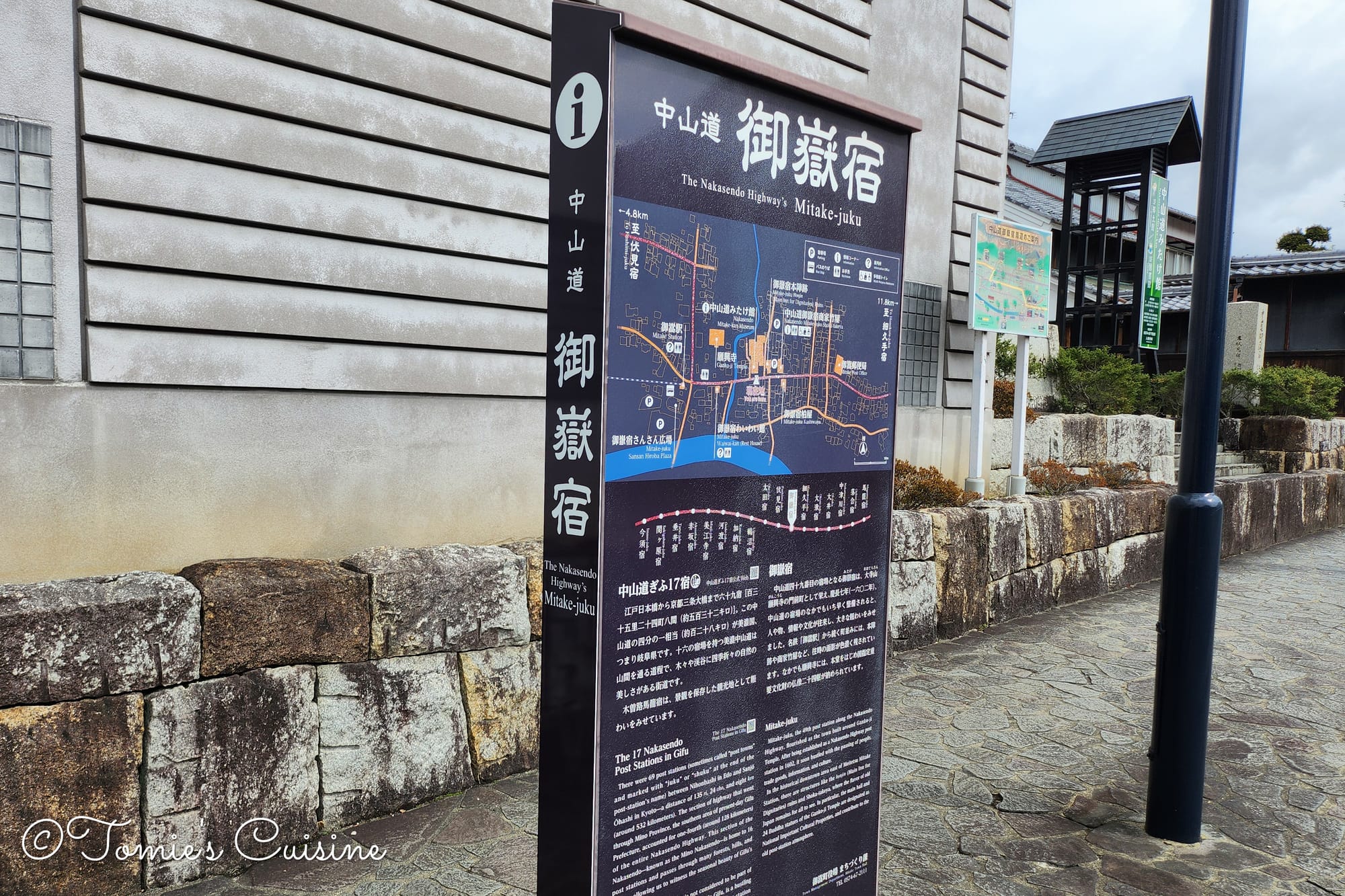
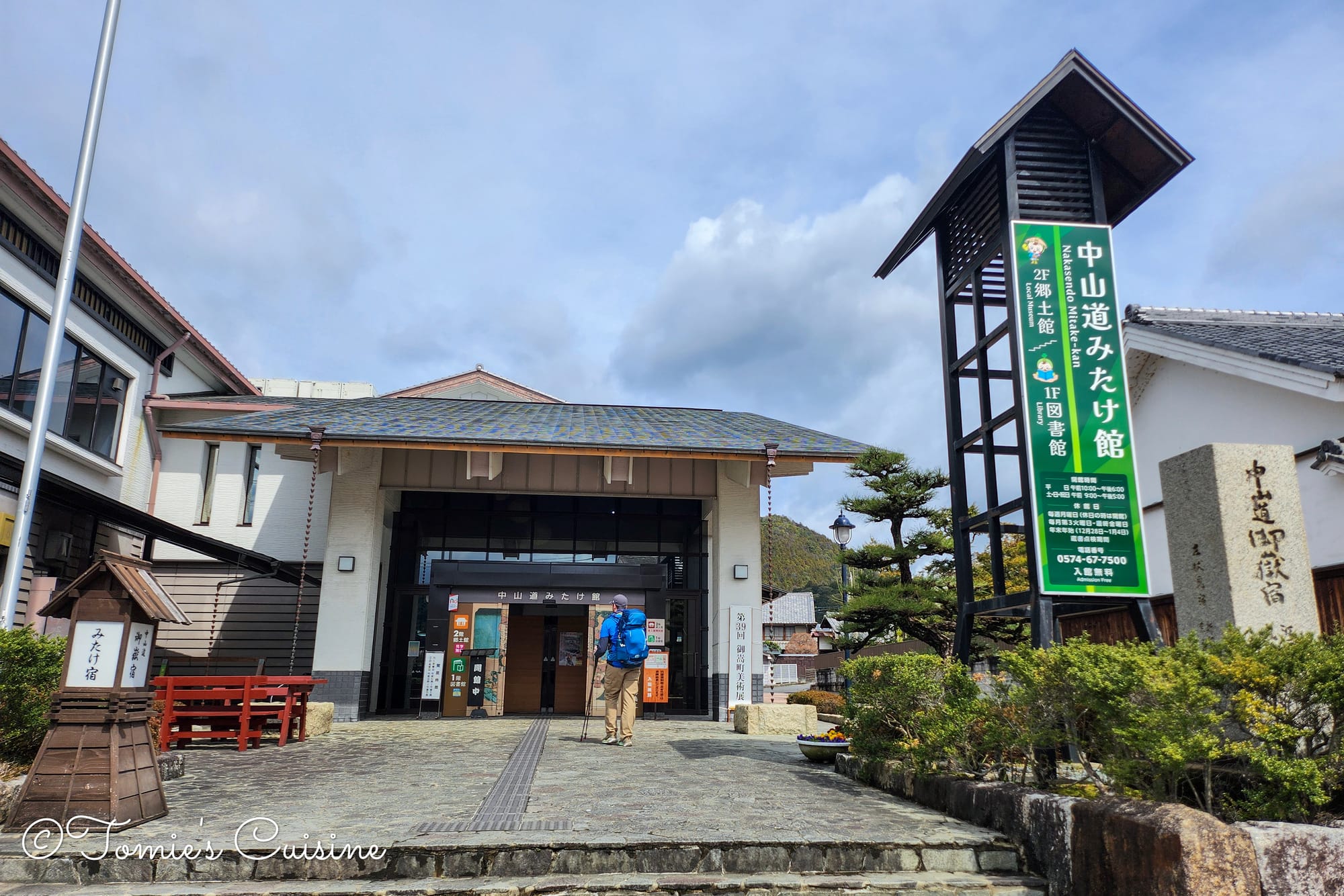
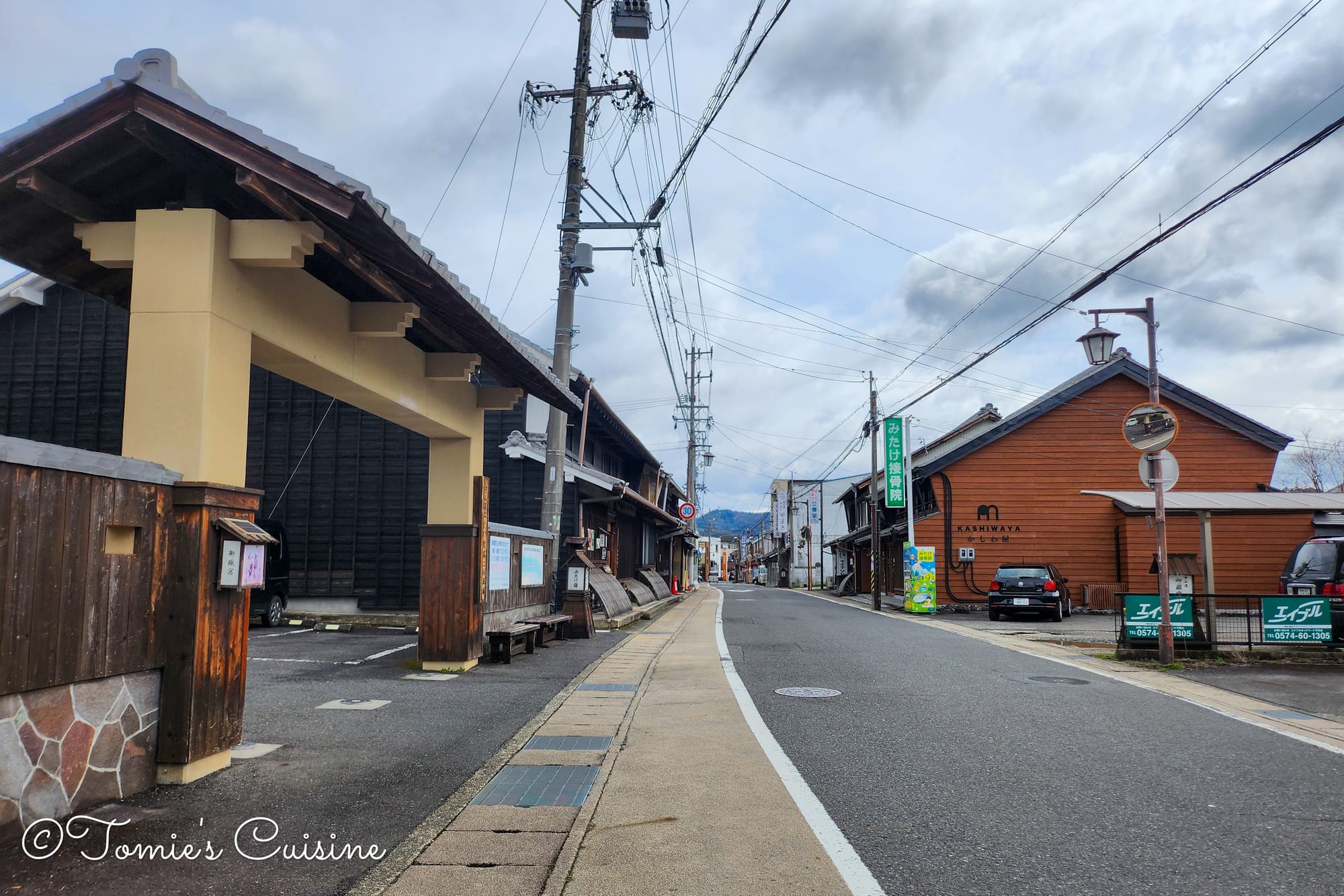
"Welcome to the Nakasendo historic town" in Mitake town.
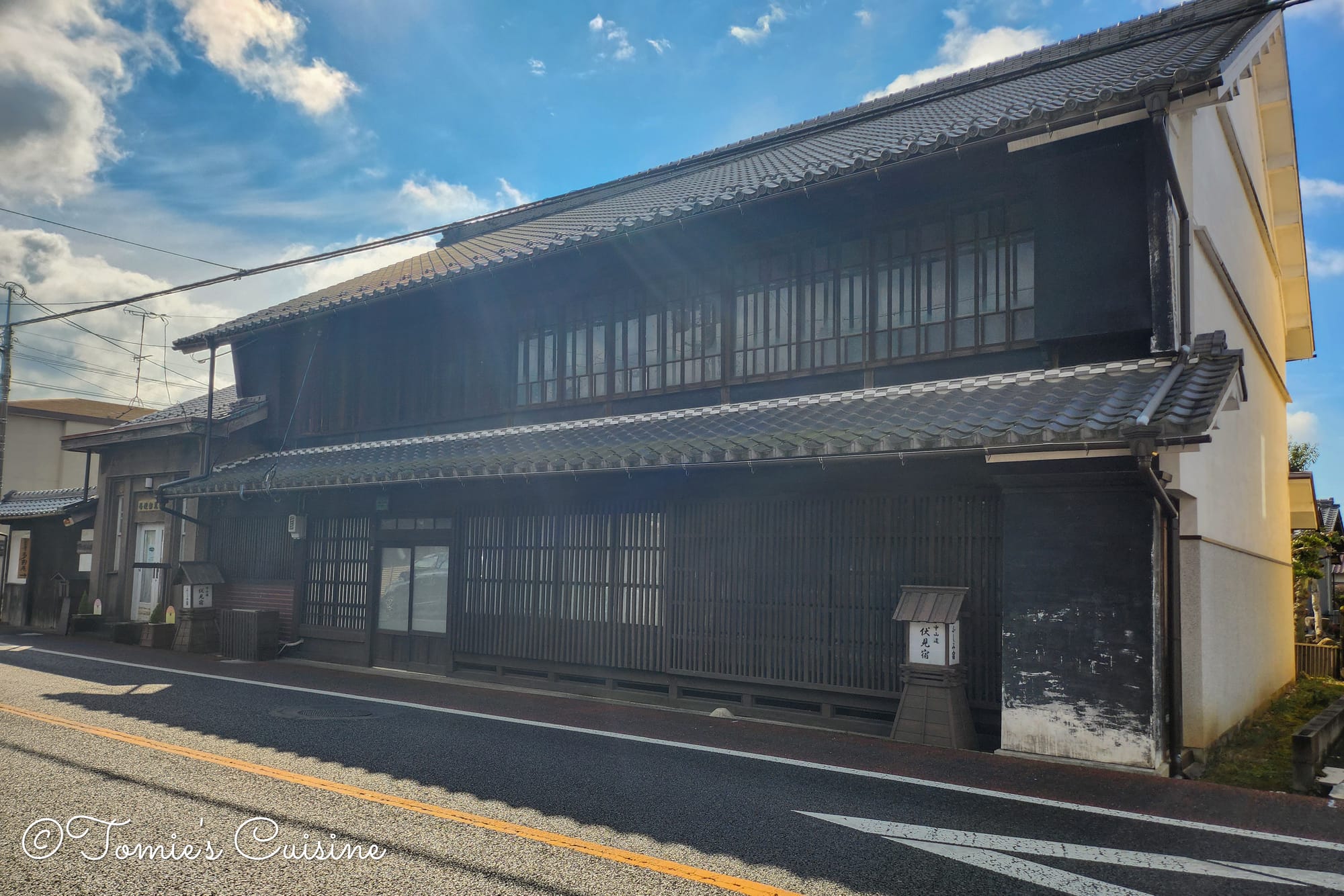
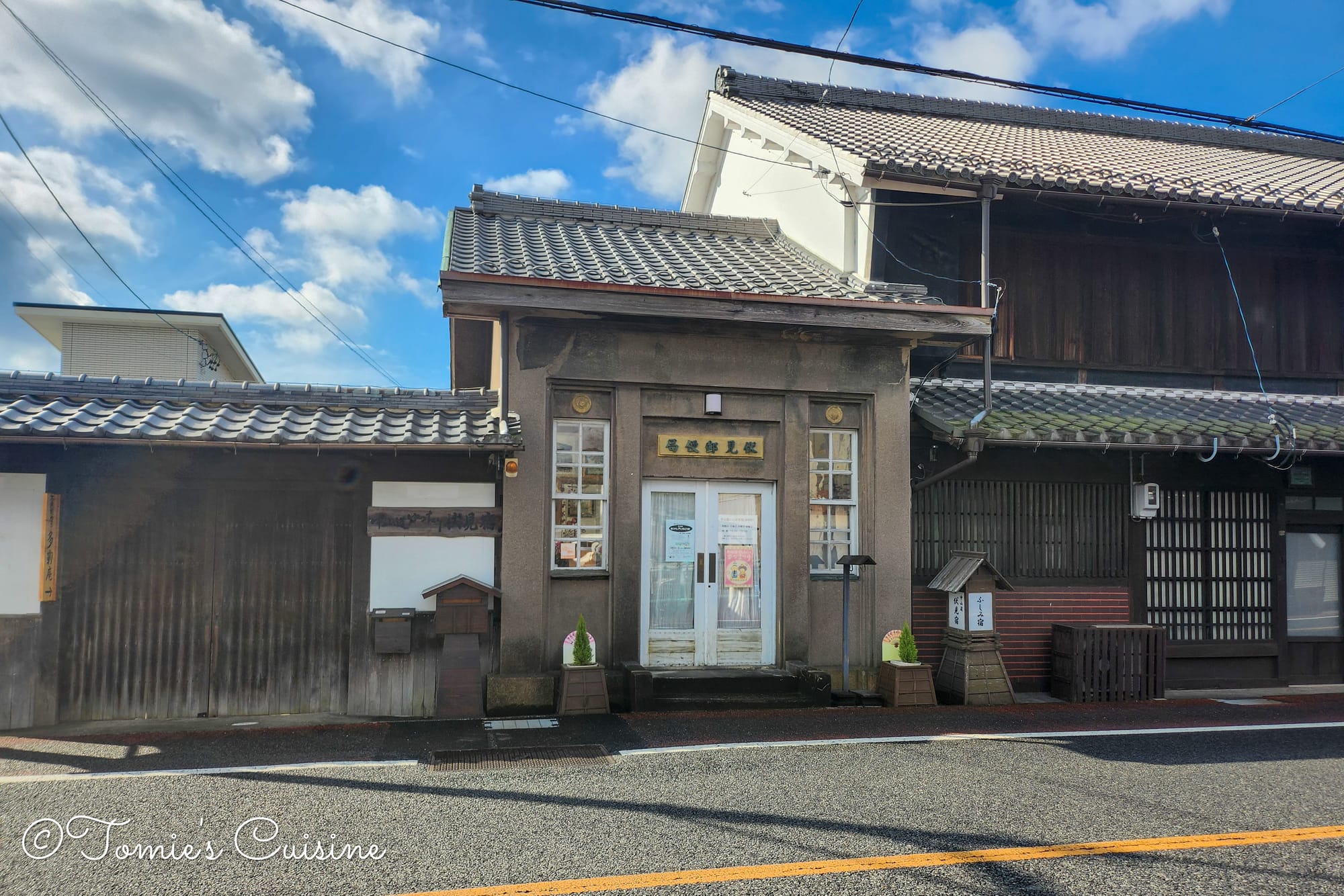
Matsuya Yamada's traditional family house, built in 1897, and the old post office, added next to the house in 1933, are now used as the tourist information centre.
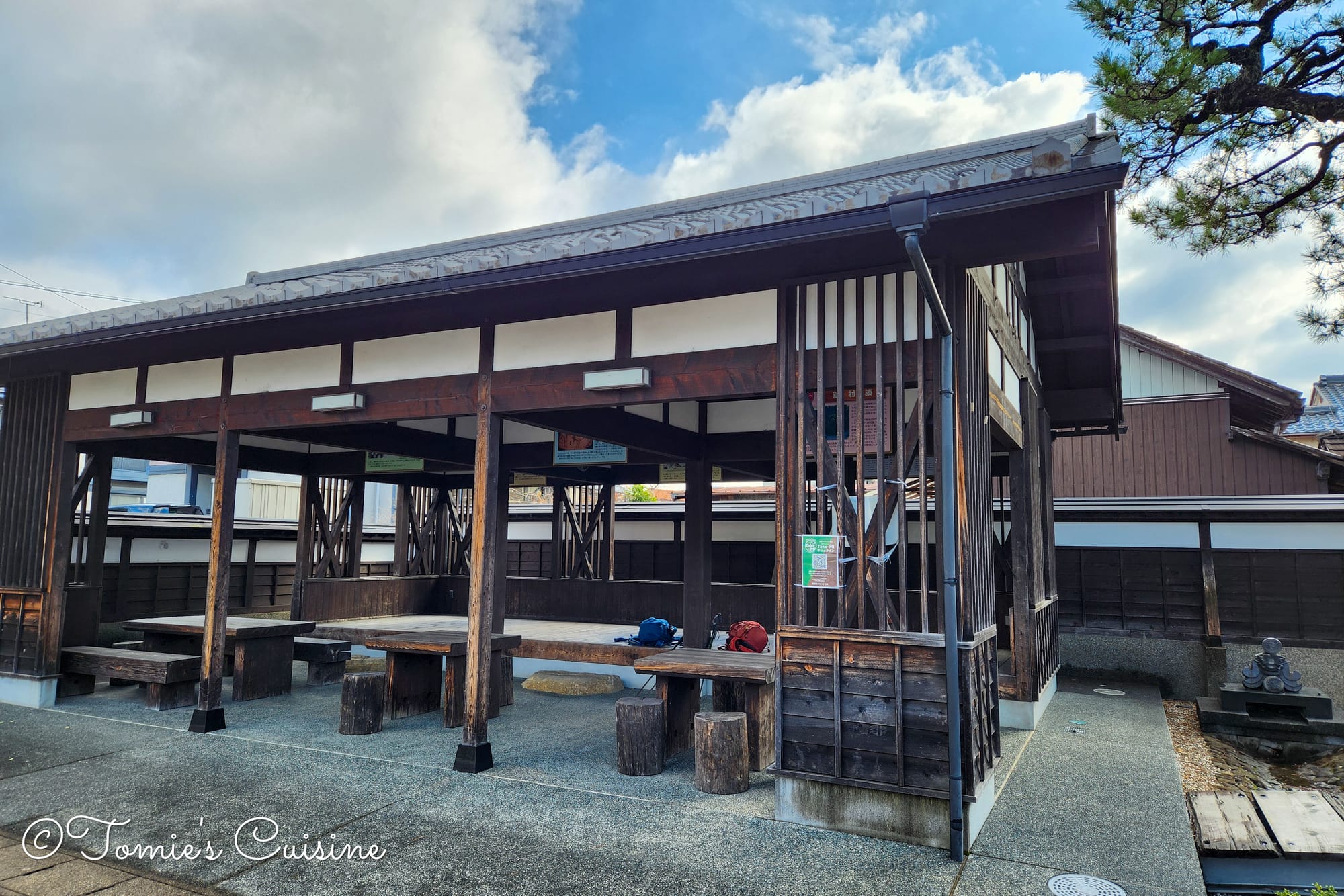
The stunning rest area in Fushimi post town.
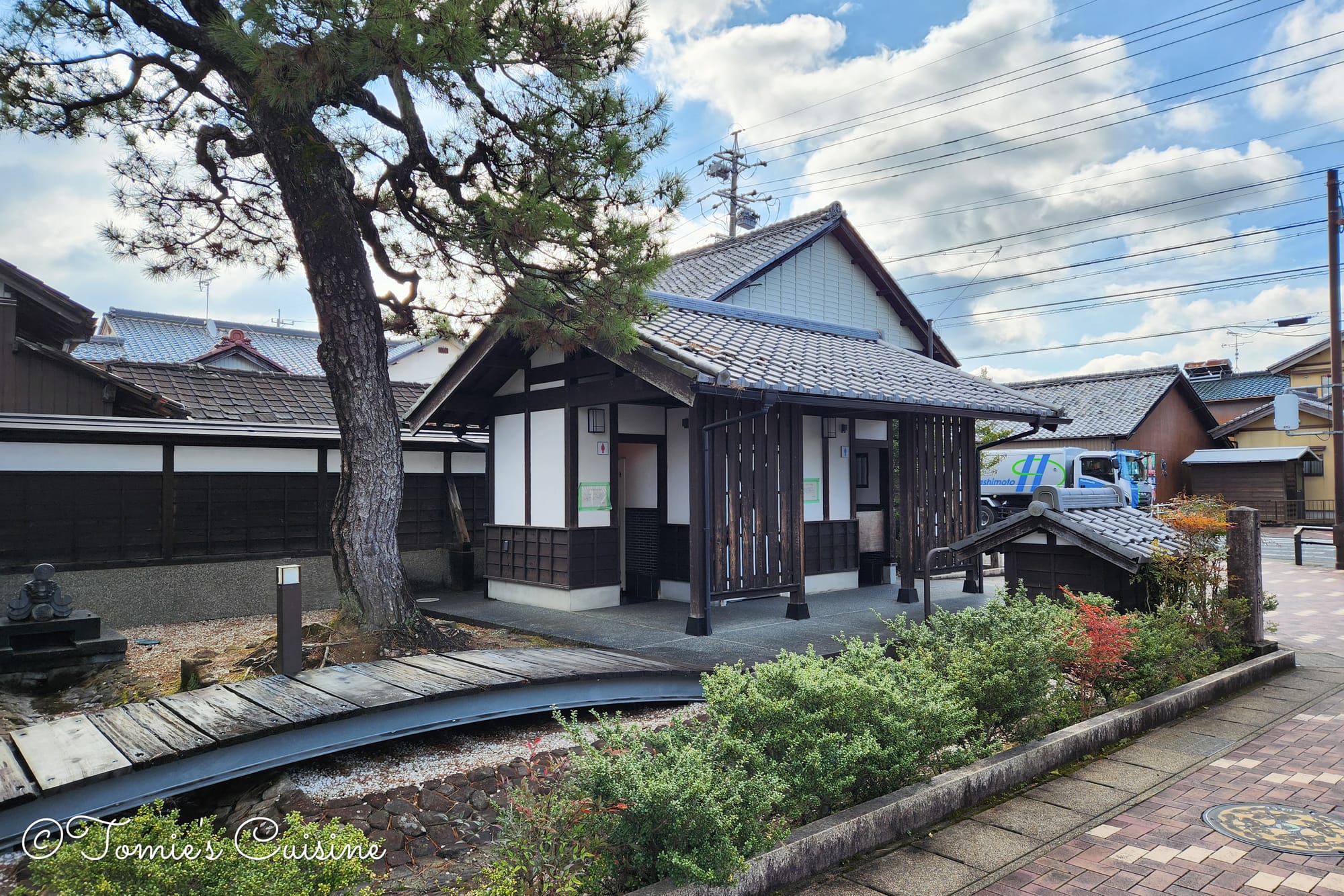
At the centre of Fushimi post town, there was a clean toilet and a place to rest with a roof and a tatami mat.
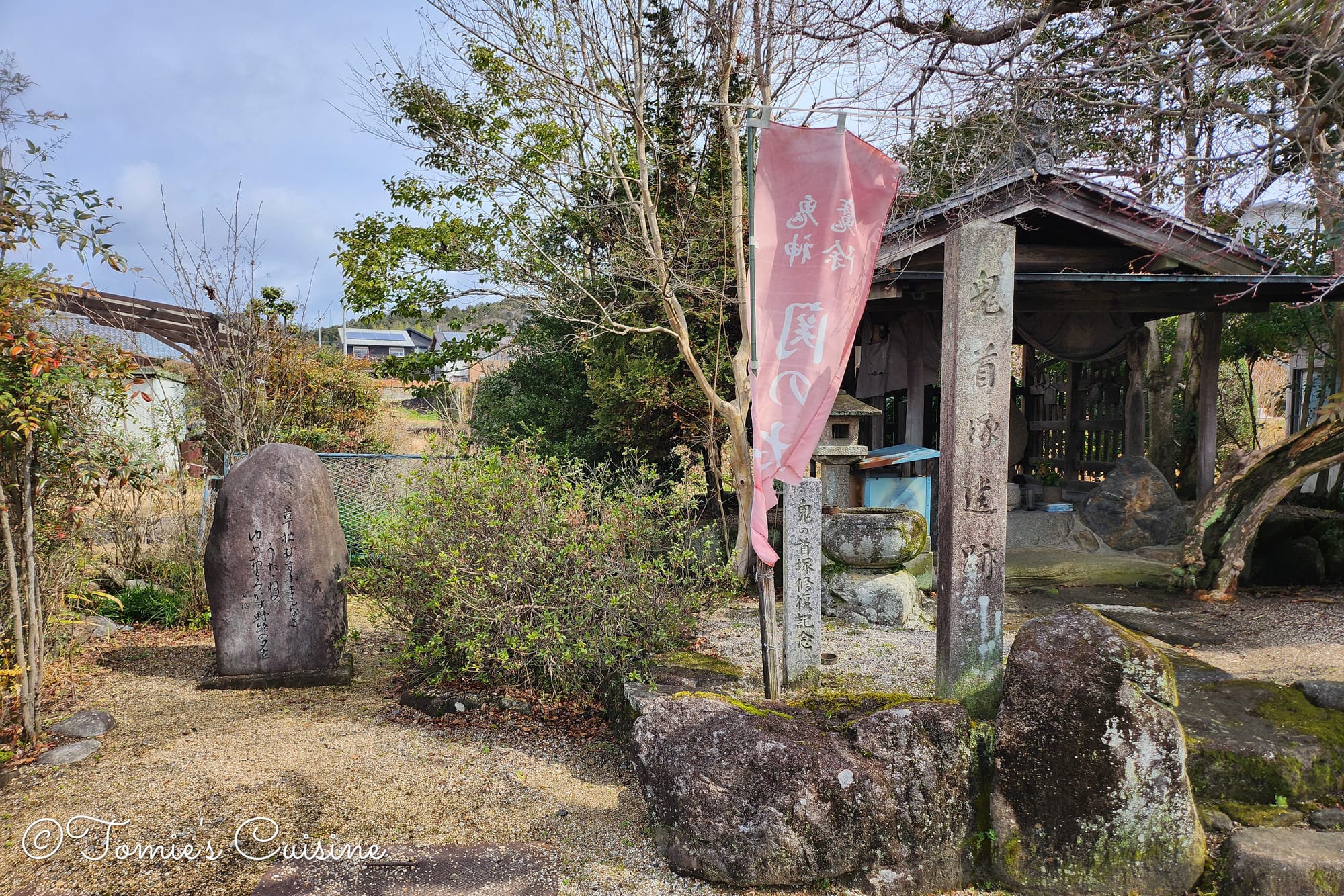
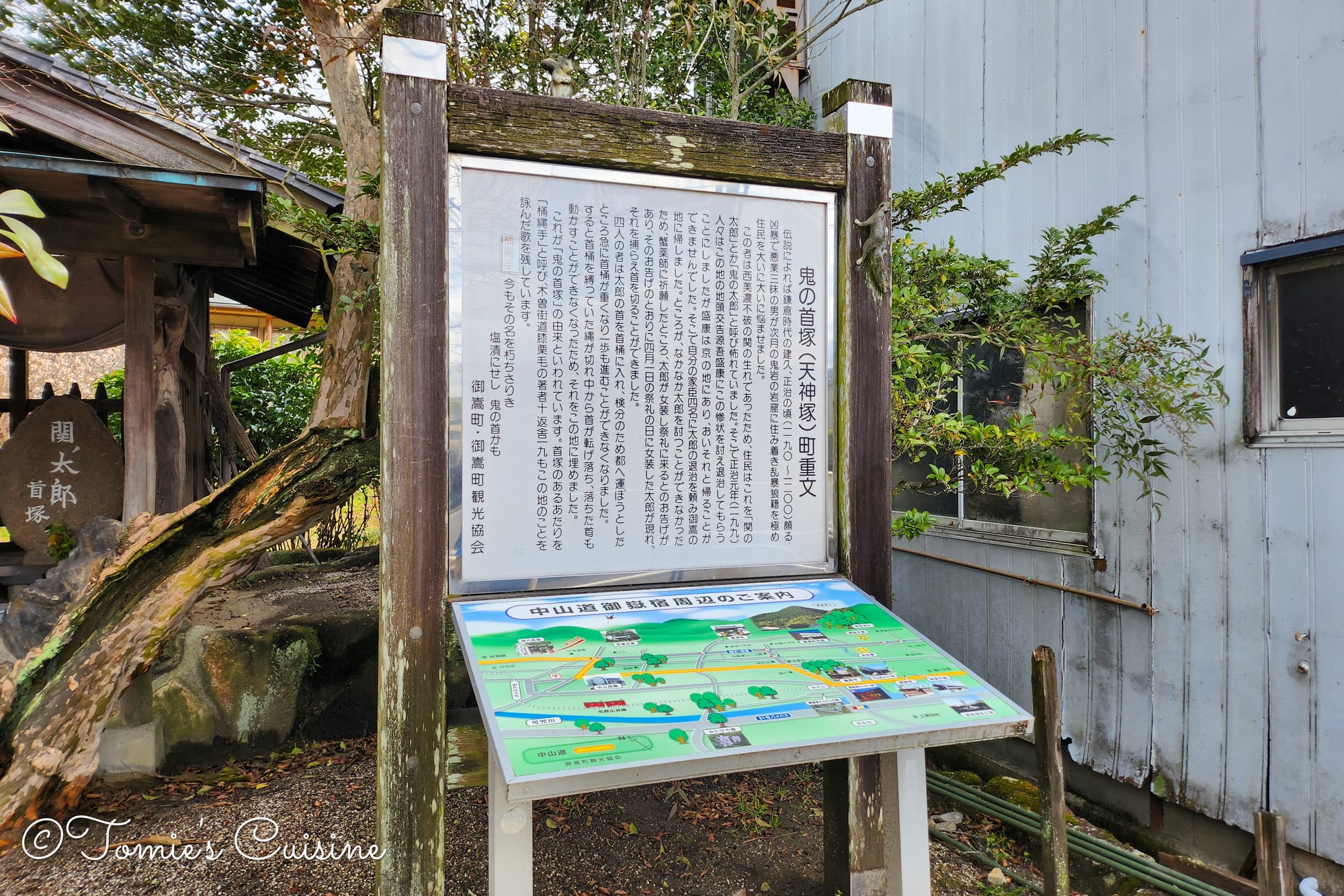
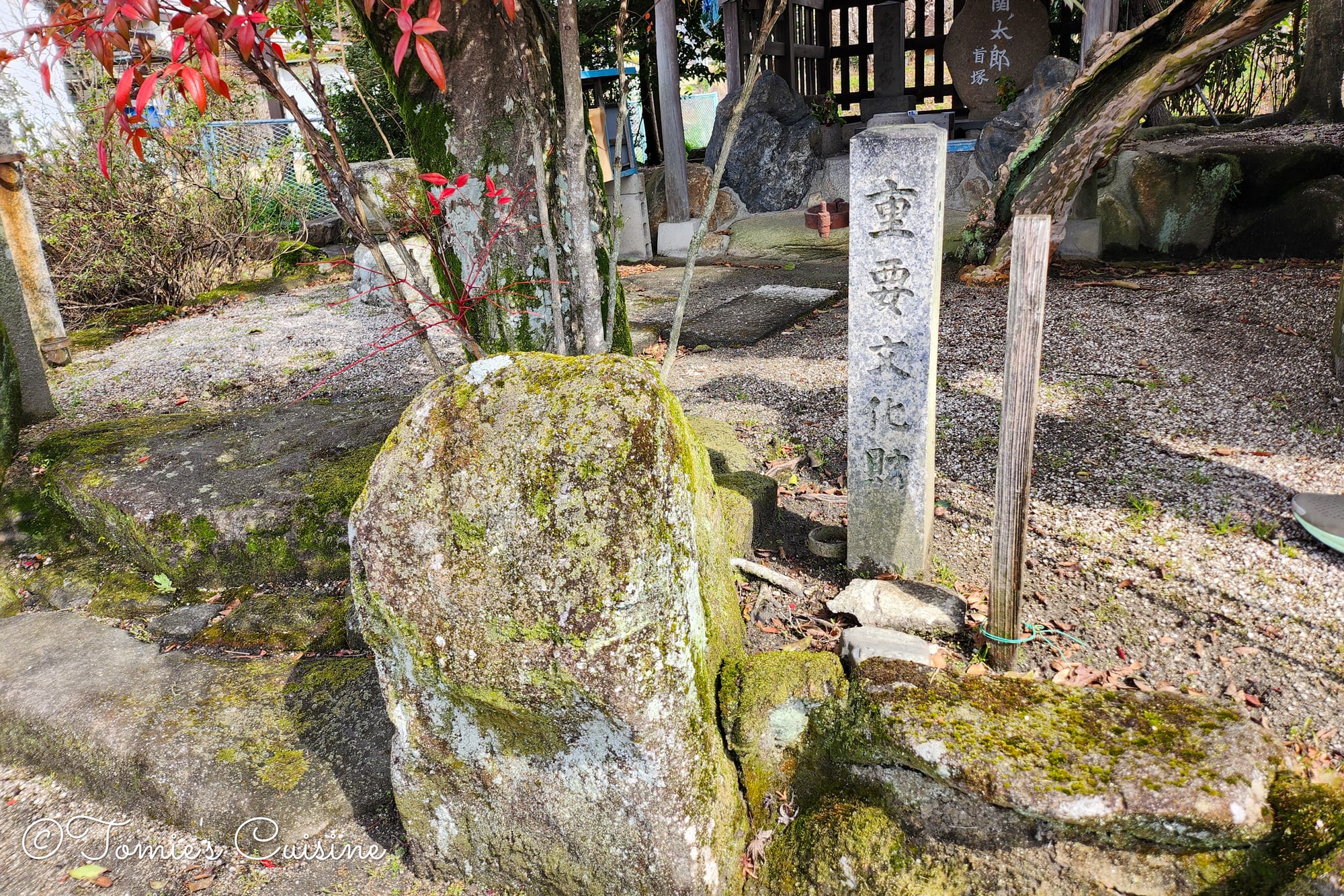
Oni no Kubizuka (鬼首塚): demon's head burial mound on the Nakasendo
Just off the road, we came across this stone marker, the burial site of a demon's head!
According to legend, about 800 years ago, a demon called Seki no Tarō lived in a cave in what is now Oniiwa Park. He was causing serious trouble for the locals, as demons do, violent, destructive, the kind of neighbour nobody wanted. Eventually, the local lord Koketsu Gengo Moriyasu captured him and cut off his head. He set off to carry it to Kyoto, but somewhere along this road, the head simply stopped moving and wouldn't go any further. So he buried it here on the spot.
What I love about this place is what happened next. Rather than treating the demon as something to be feared, the locals came to see him differently over time. Demons in Japanese folklore are often bringers of both fortune and trouble, and every year around Setsubun, a festival called the Fuku Oni Festival is held here. Instead of the usual chant of "Oni wa soto!" (Demons out!), they say "Oni wa uchi, Fuku wa uchi", which translates to: Demons in, good fortune in. Both are welcome!
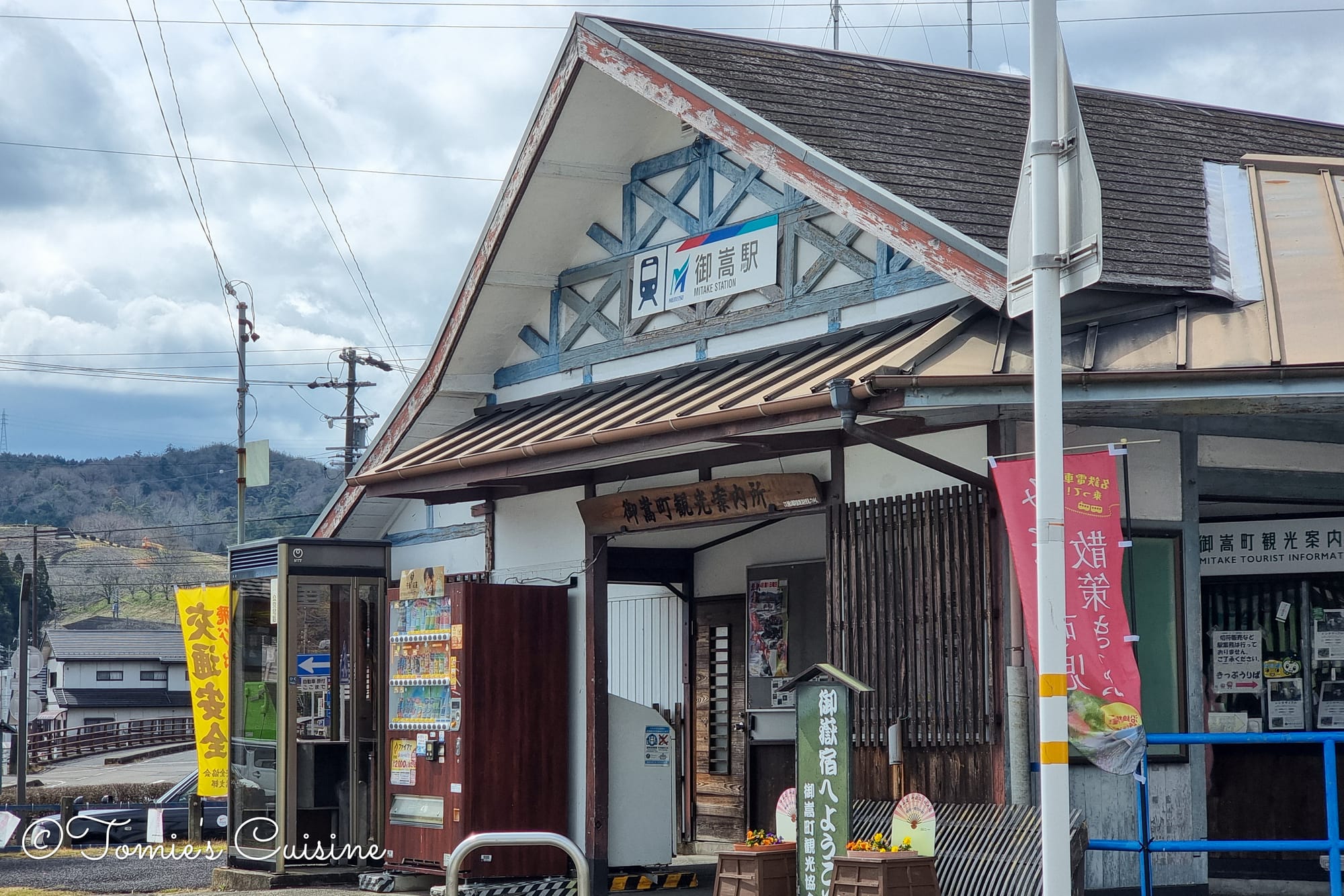
At the end of the Meitetsu line, there are no railways connecting Mitake to the Ooi post town.
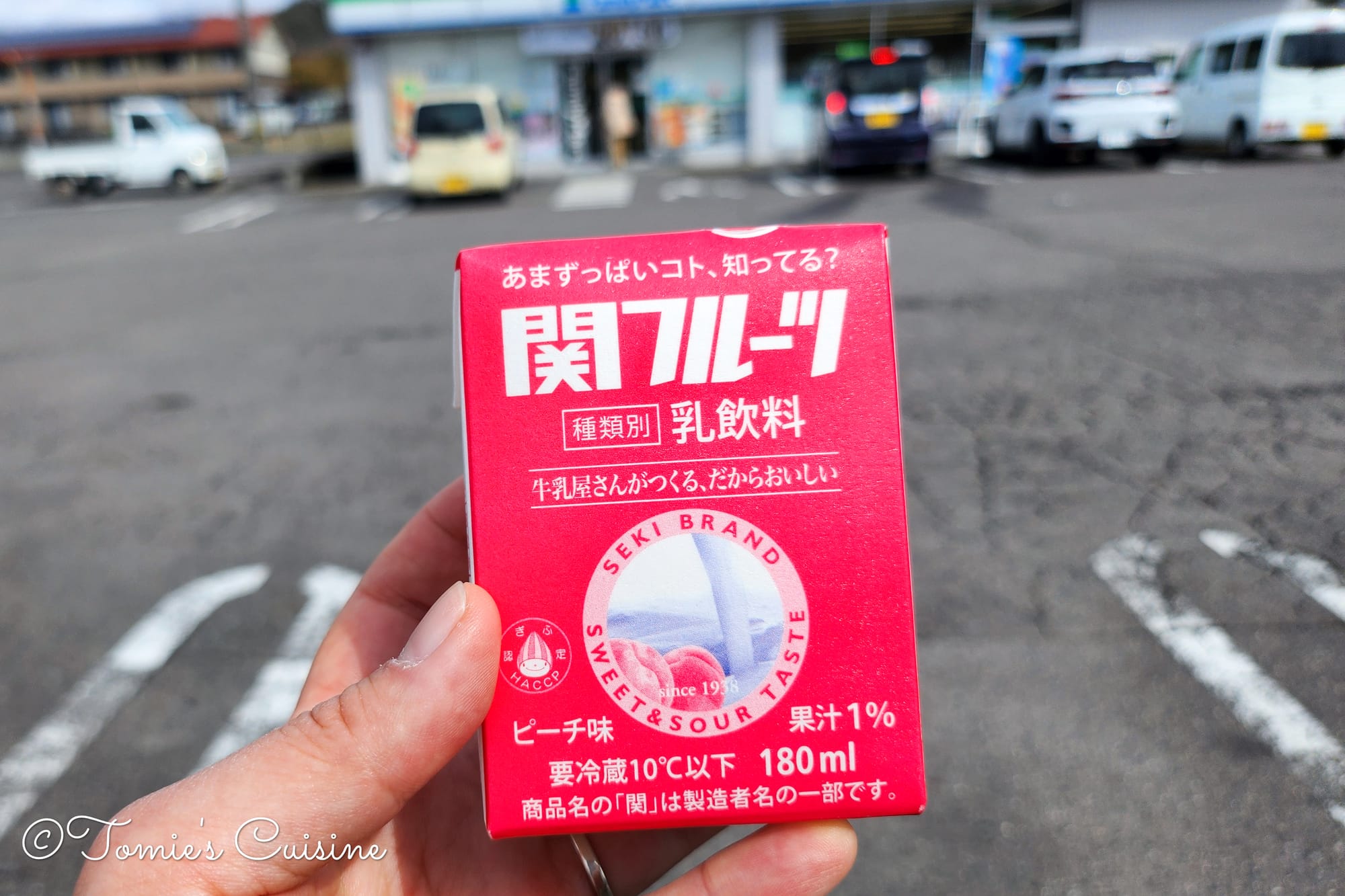
We checked some shops at the train station for bear bells, but unfortunately, we had no luck again. However, we met several locals who said they hadn't heard of any bear sightings on the way to Hosokute post town. That said, it might have changed since numerous bear-related incidents happened in previously safe areas across Japan.
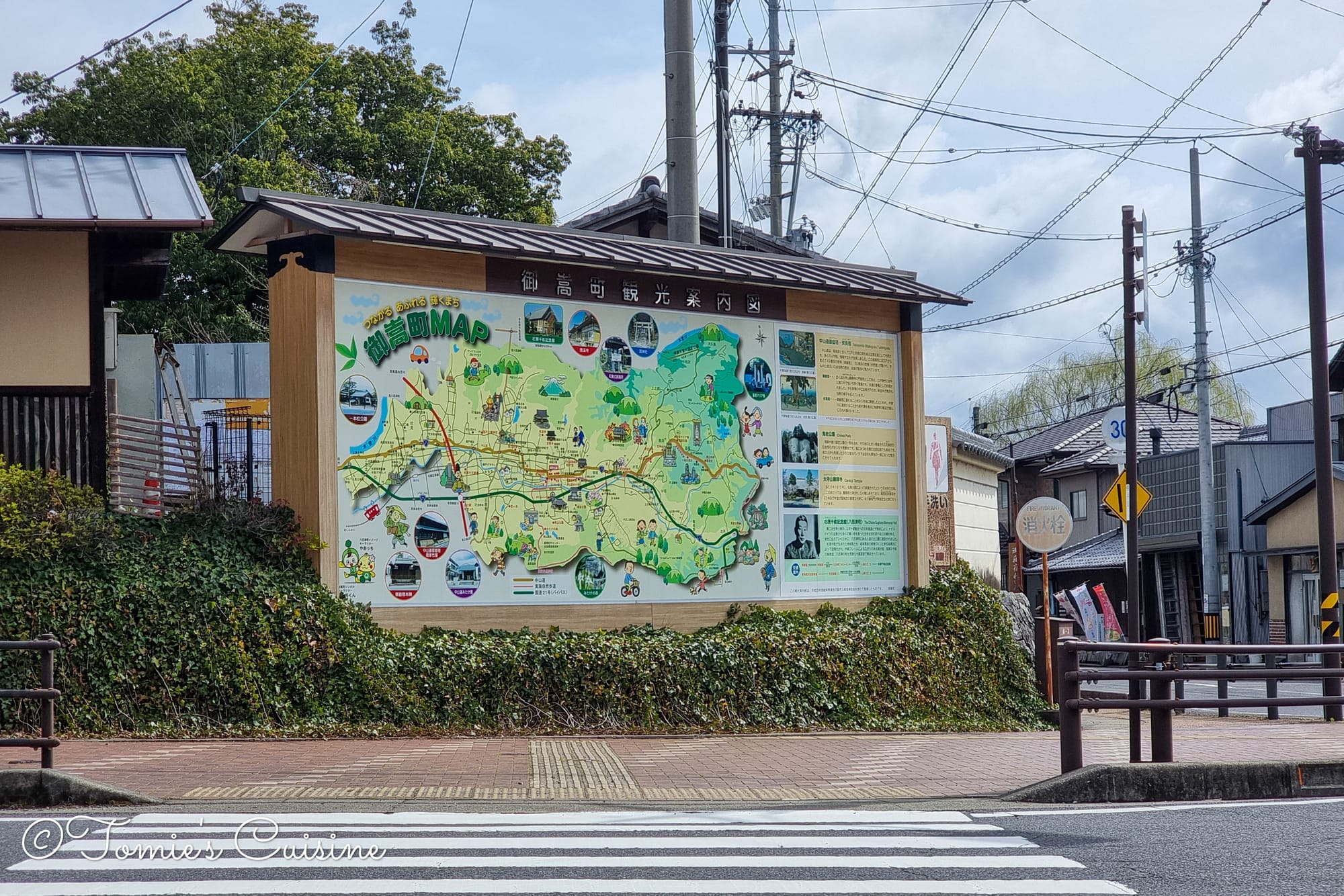
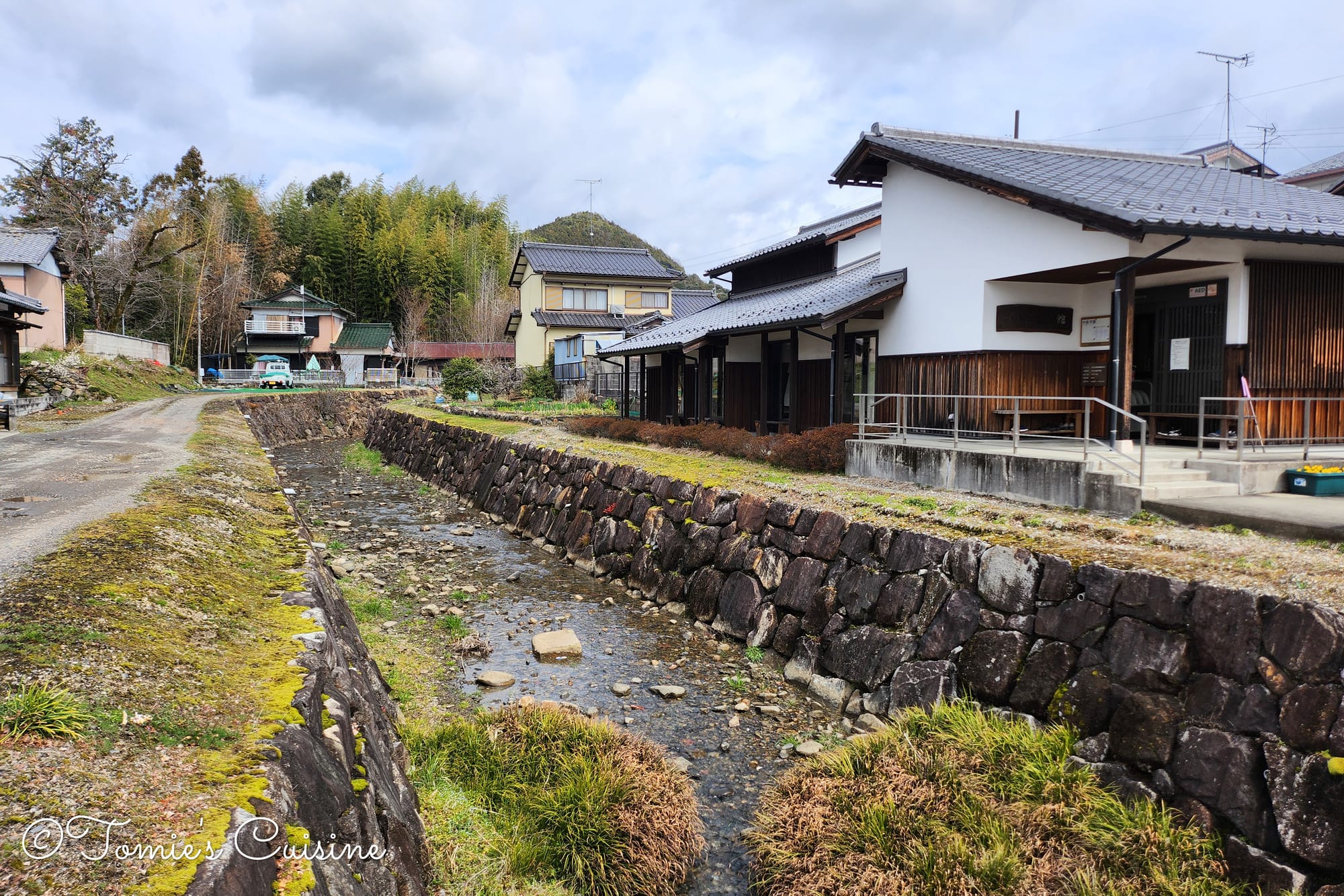
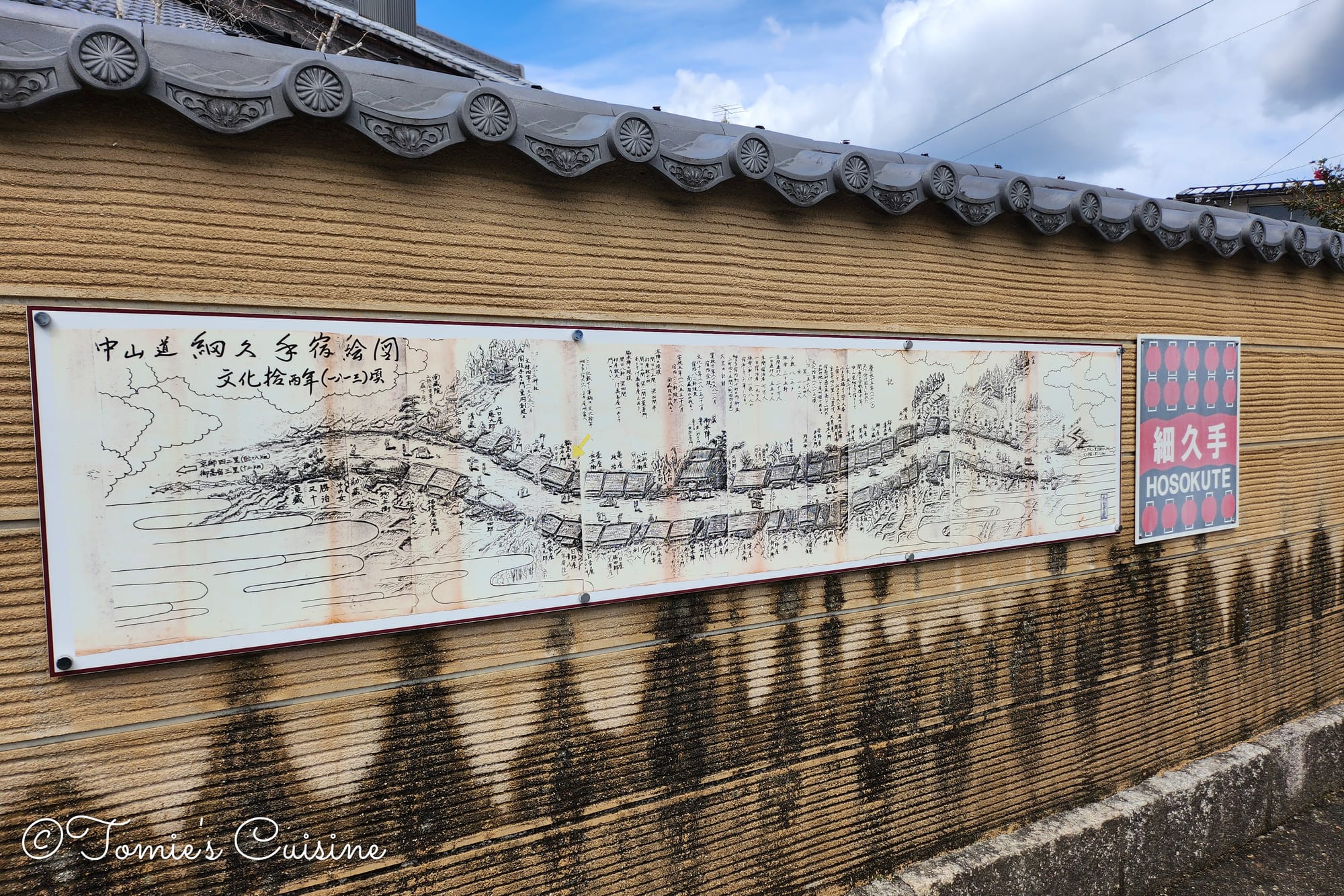
The area map (left) and a small river crossing the post town (right).
If you plan to hike in Japan's wilderness, please remember to take safety precautions against bears. With that said, we could have purchased a bear bell at Montbell in Kyoto when I got my hiking trousers there. 🤫
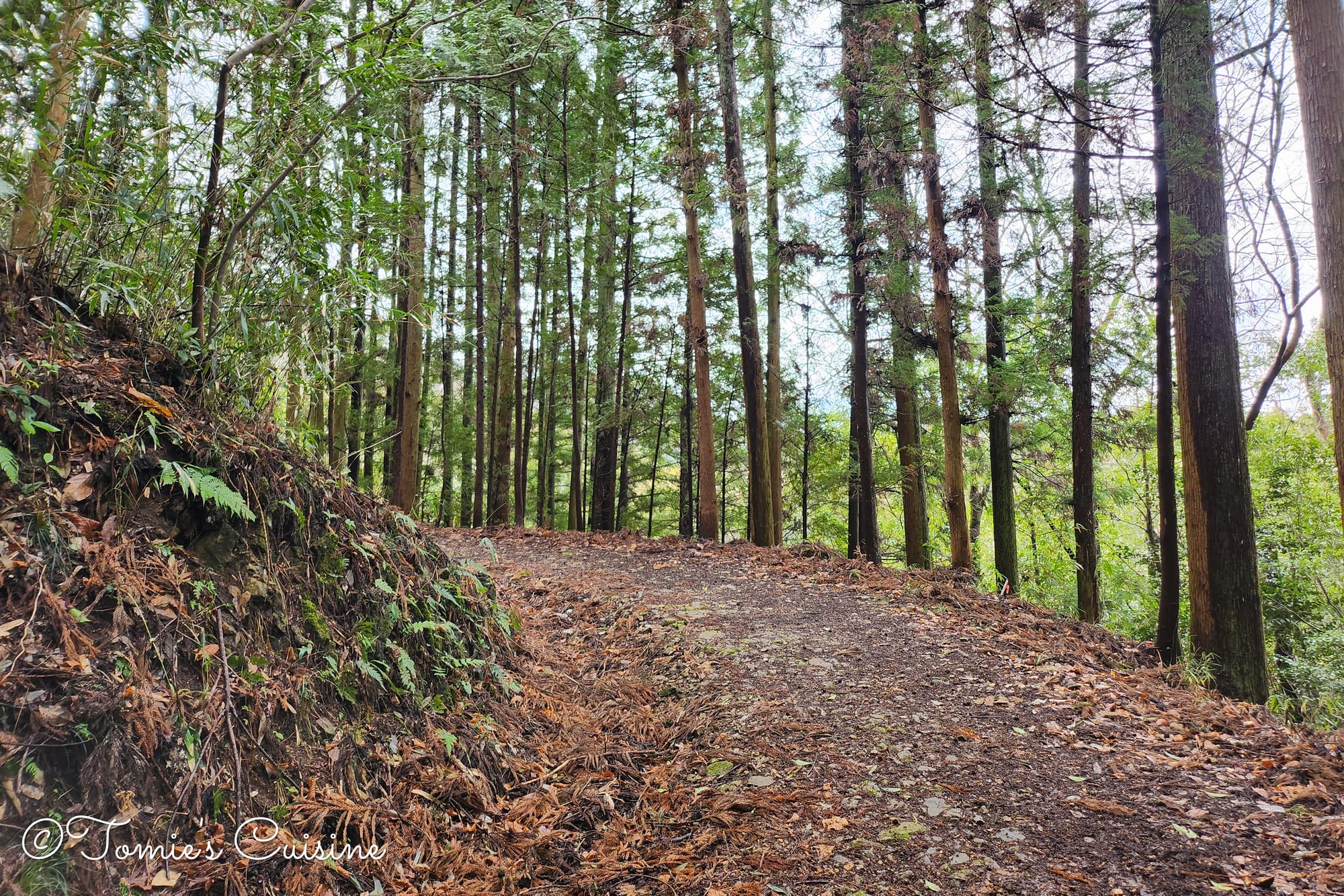
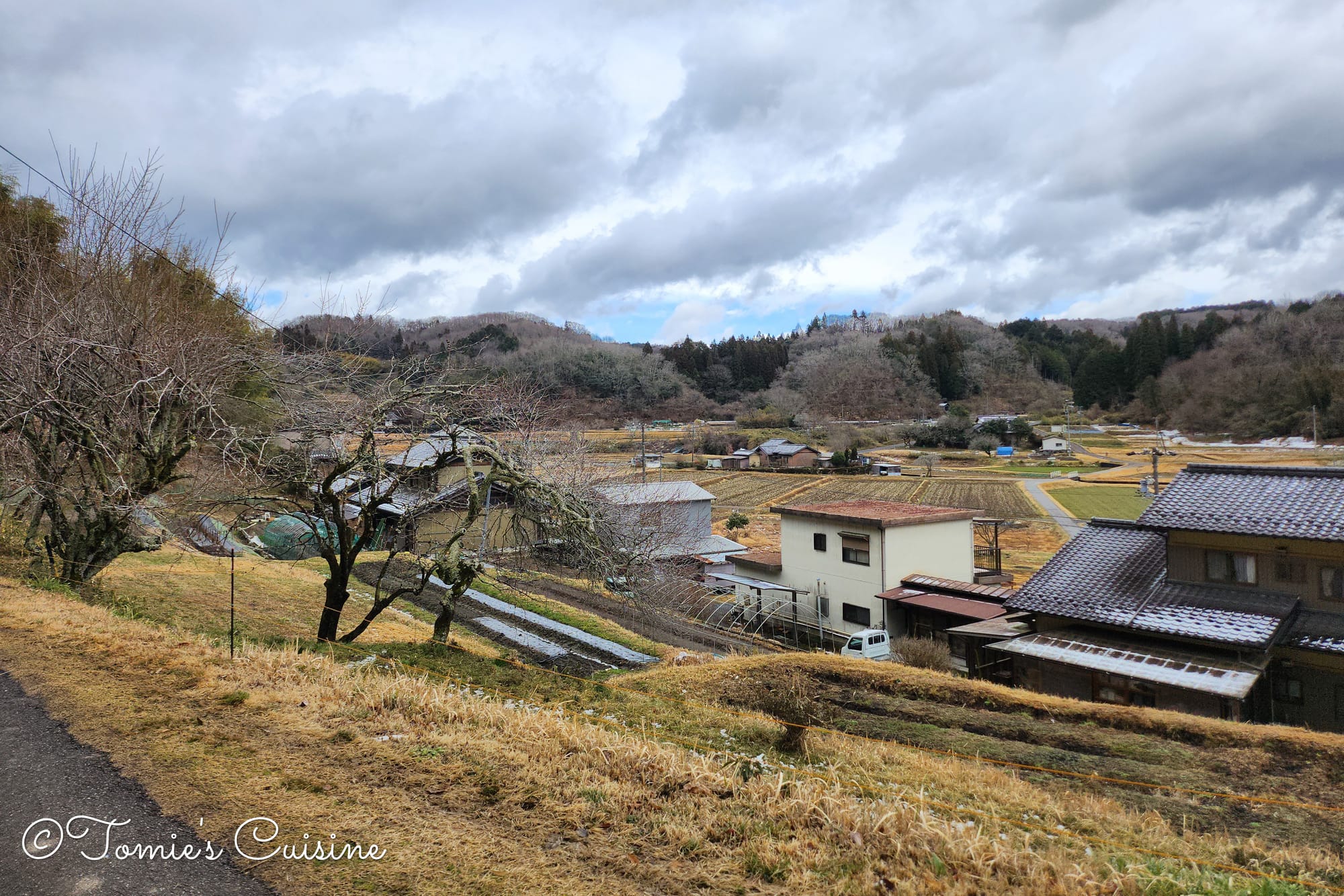
From here, we will be walking through the forest, and the trail climbs steadily. We gained most of the day's 350m of elevation in this final stretch, which, combined with the cold and the rain, made it feel considerably longer than 22km.
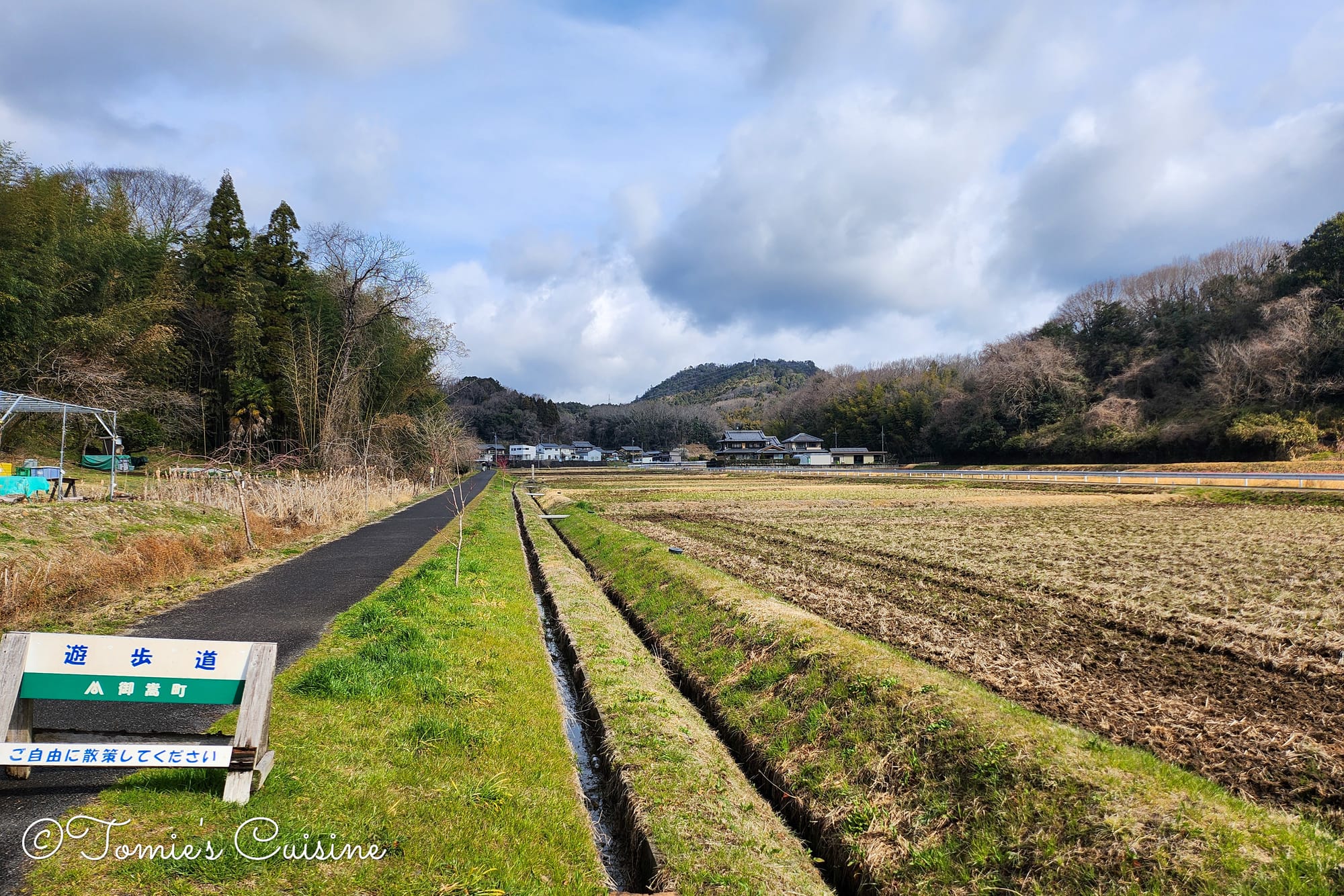
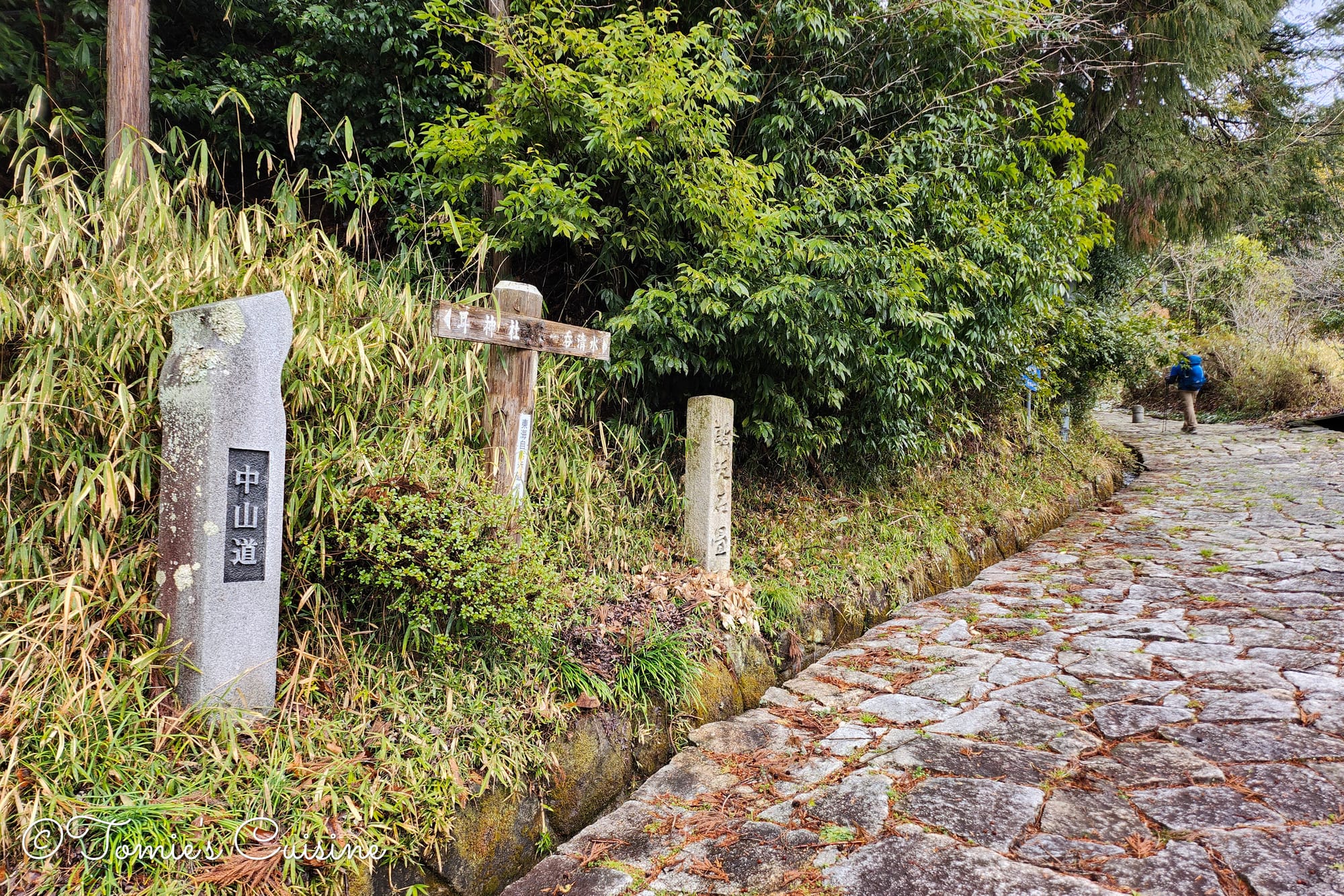
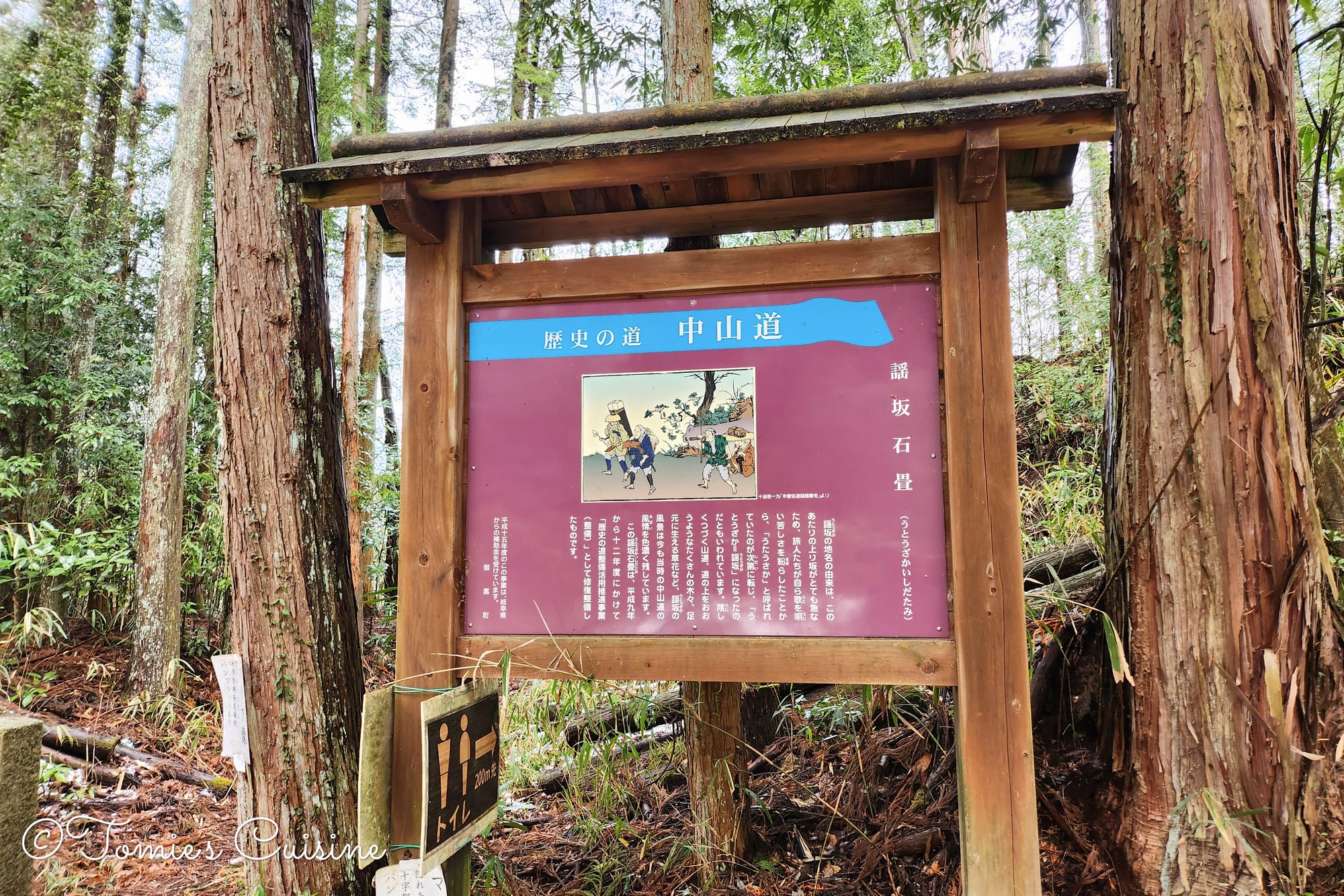
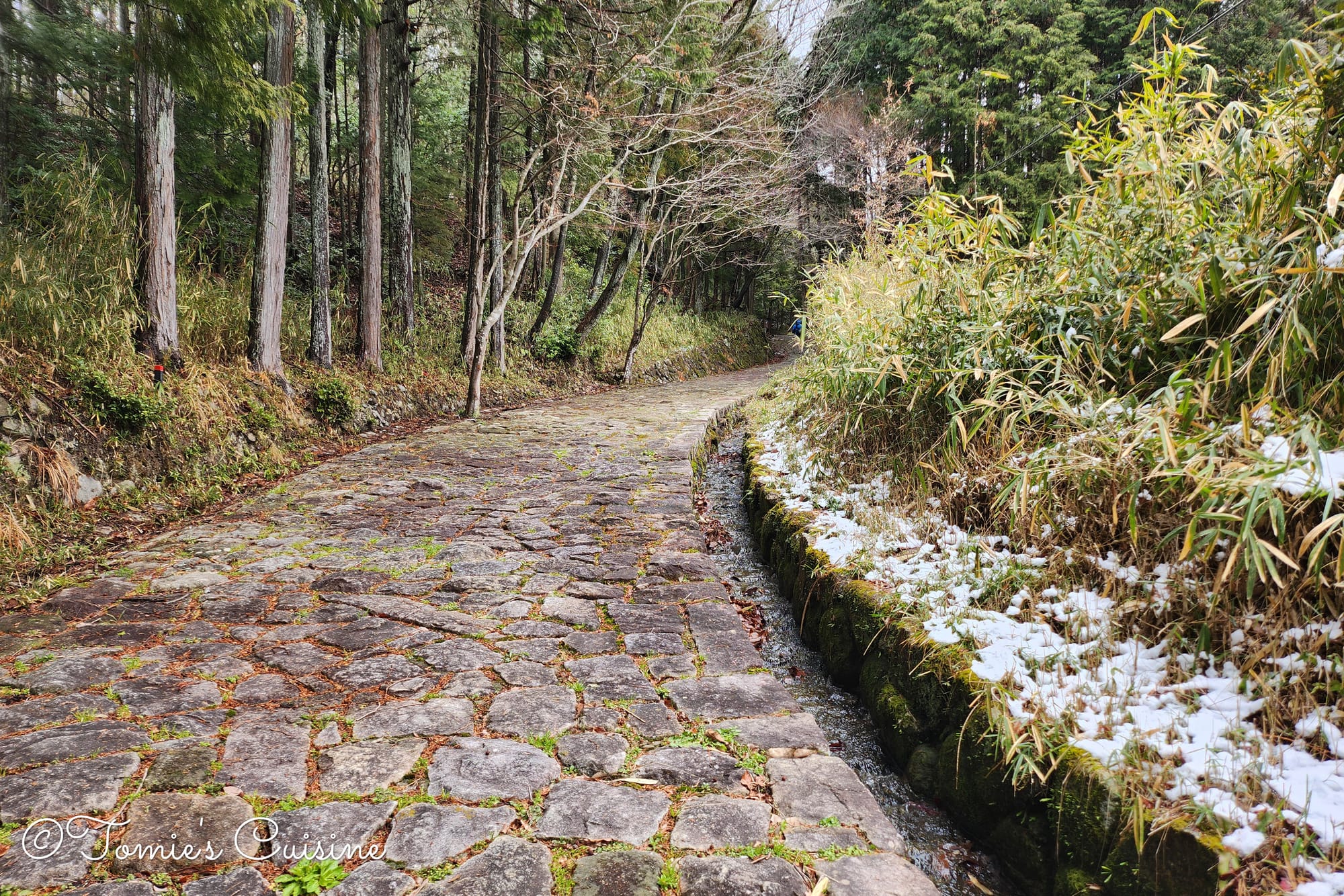
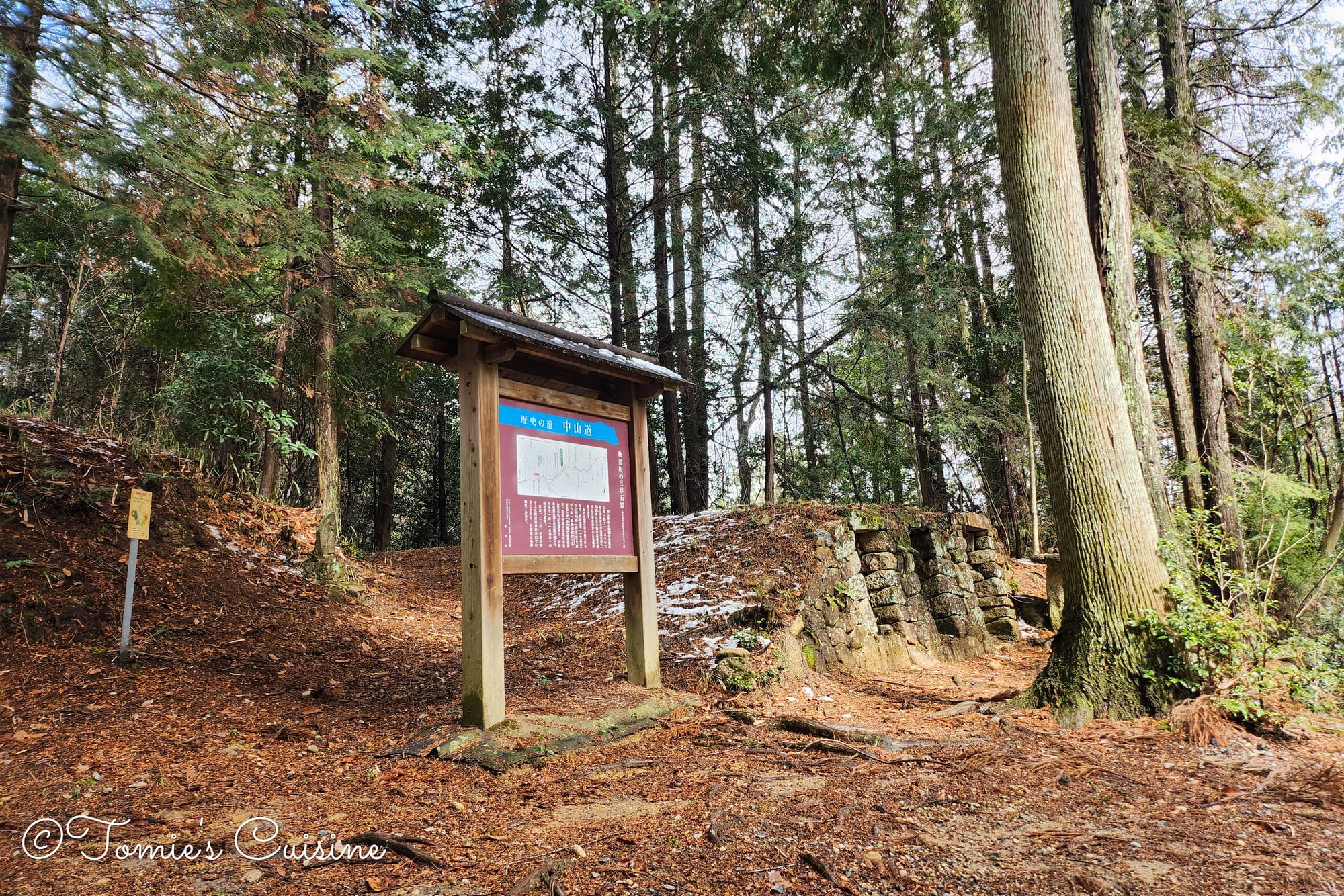
However, it's a feast for the eyes; most of the trail is lined with old stone pavement and dotted with a few houses.
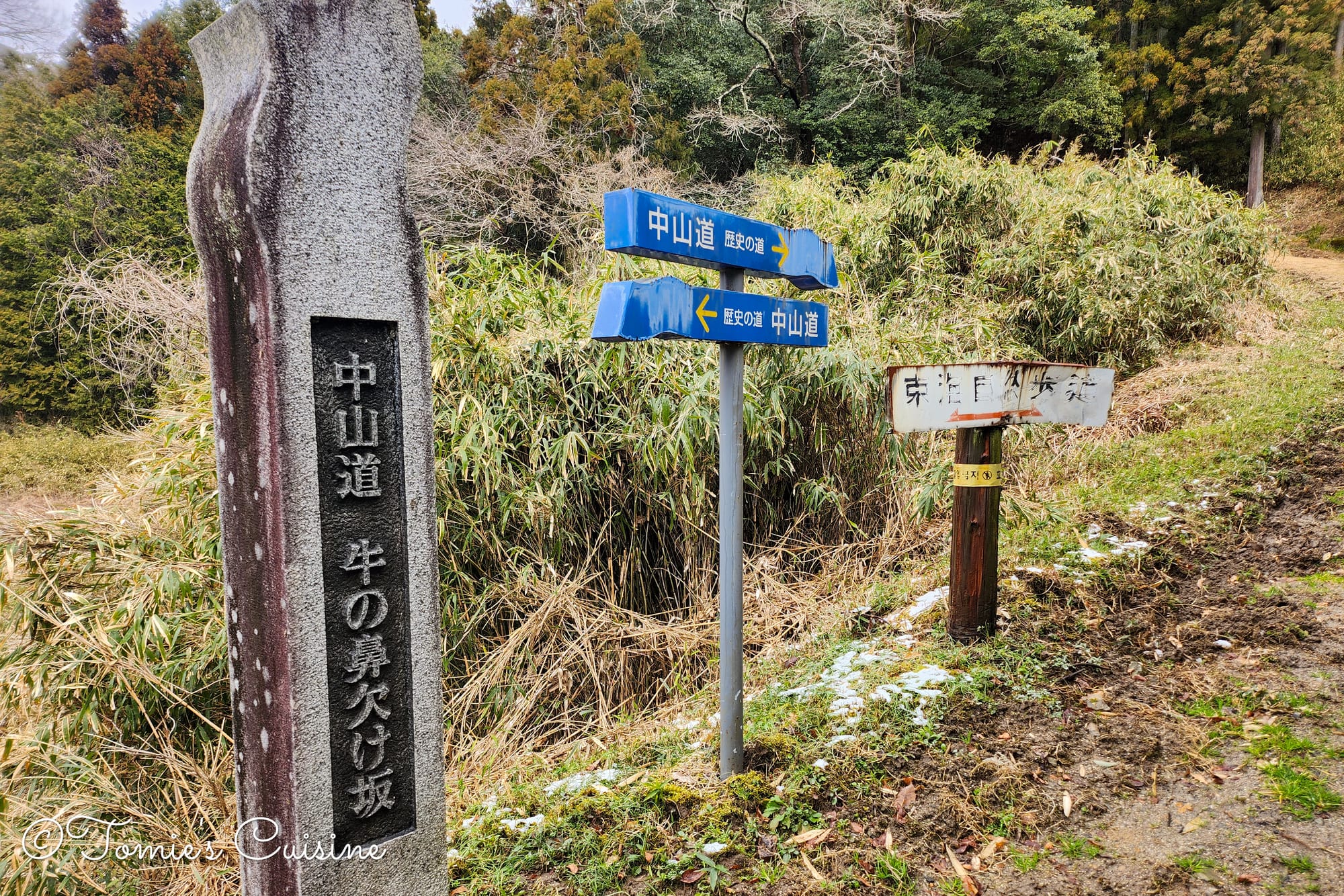
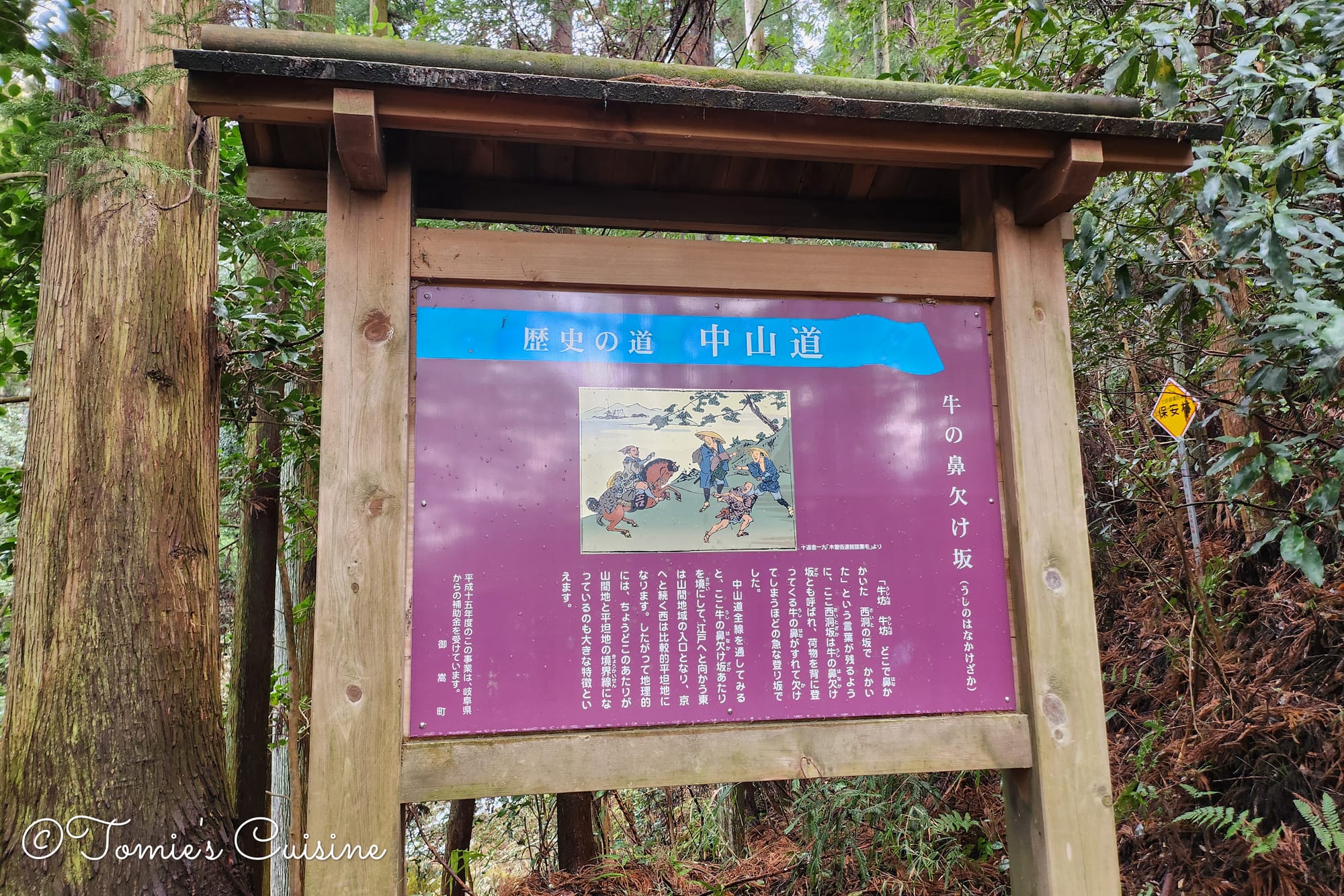
The term "Ushino hanakake zaka" translates to "The slope that scrapes a cow's nose", steep enough, they said, that a cow climbing it would drag its muzzle along the ground
Despite the humorous name, this slope isn't particularly steep. However, it is a lovely image to keep in mind as you climb the slope, imagining what it was like back then.
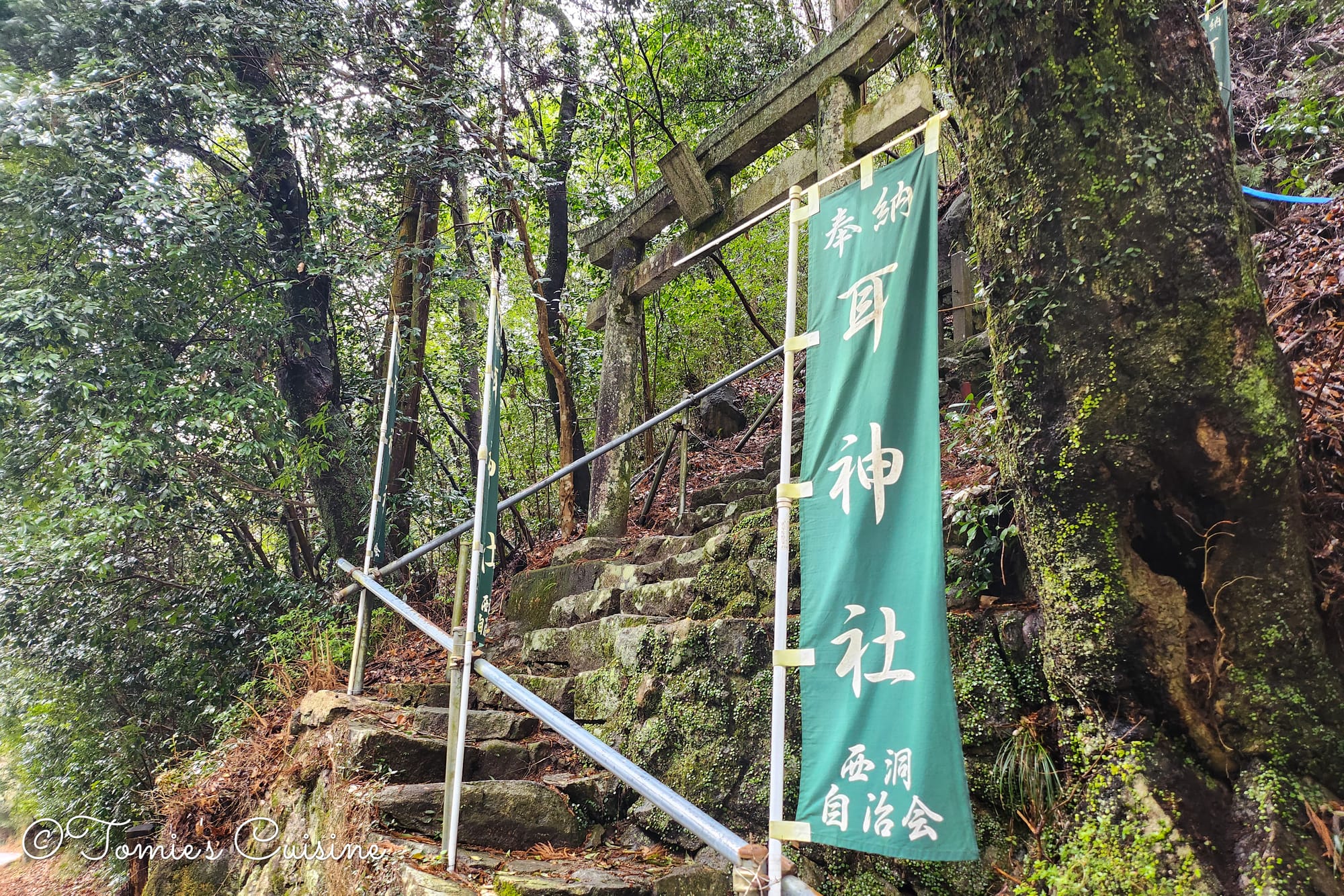
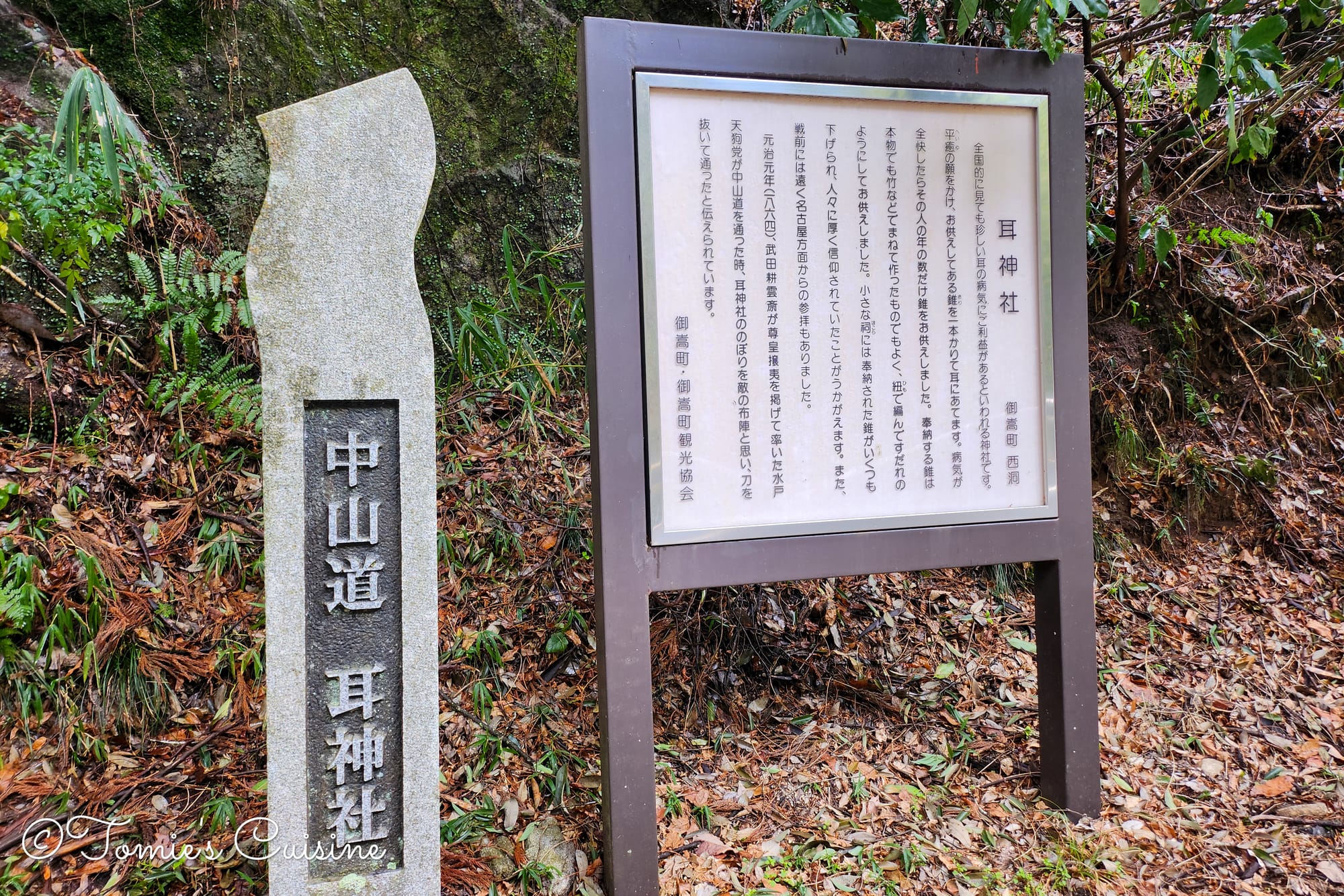
Mimi (ear) Shrine is the place to beg for a blessing for ear-related problems.
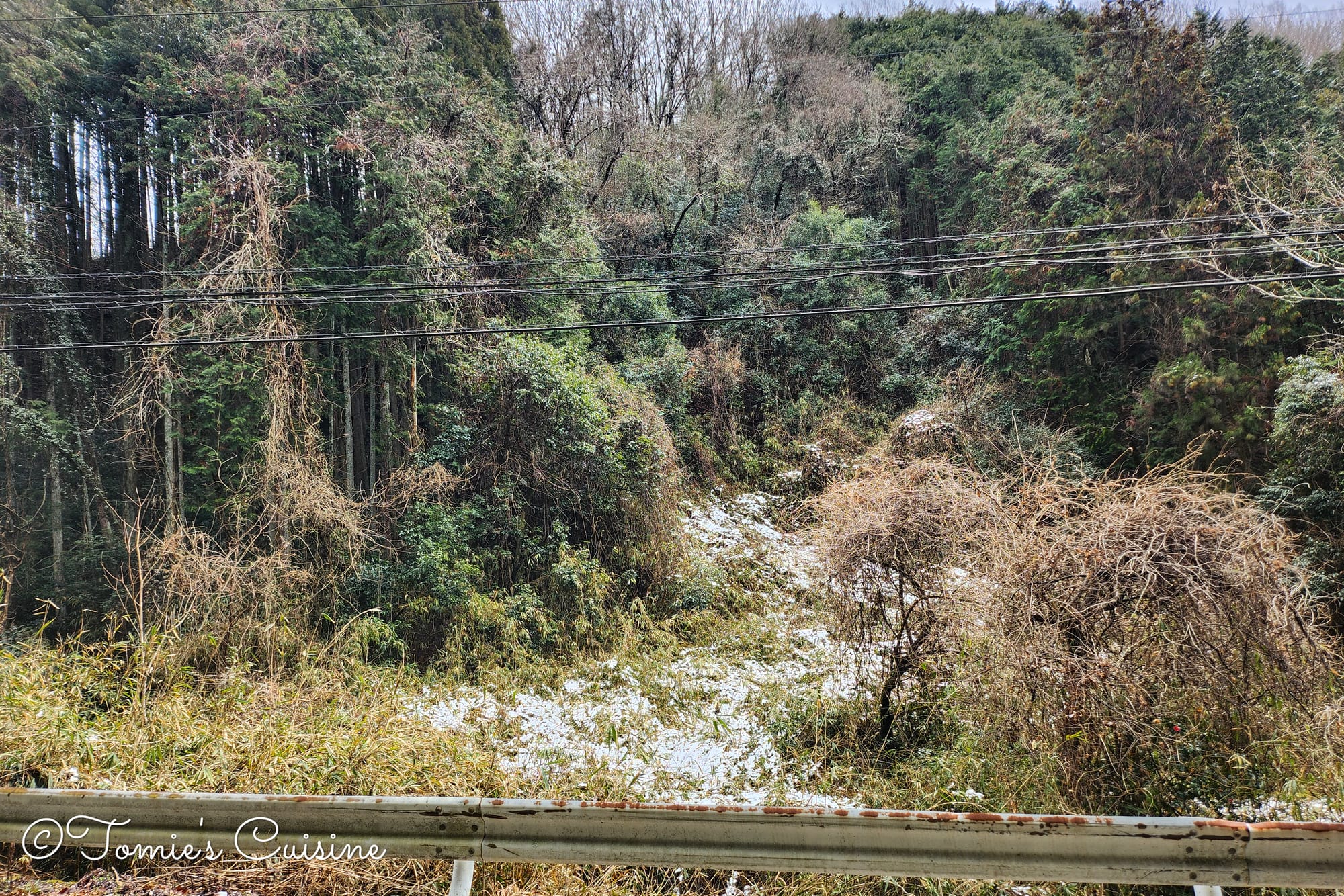
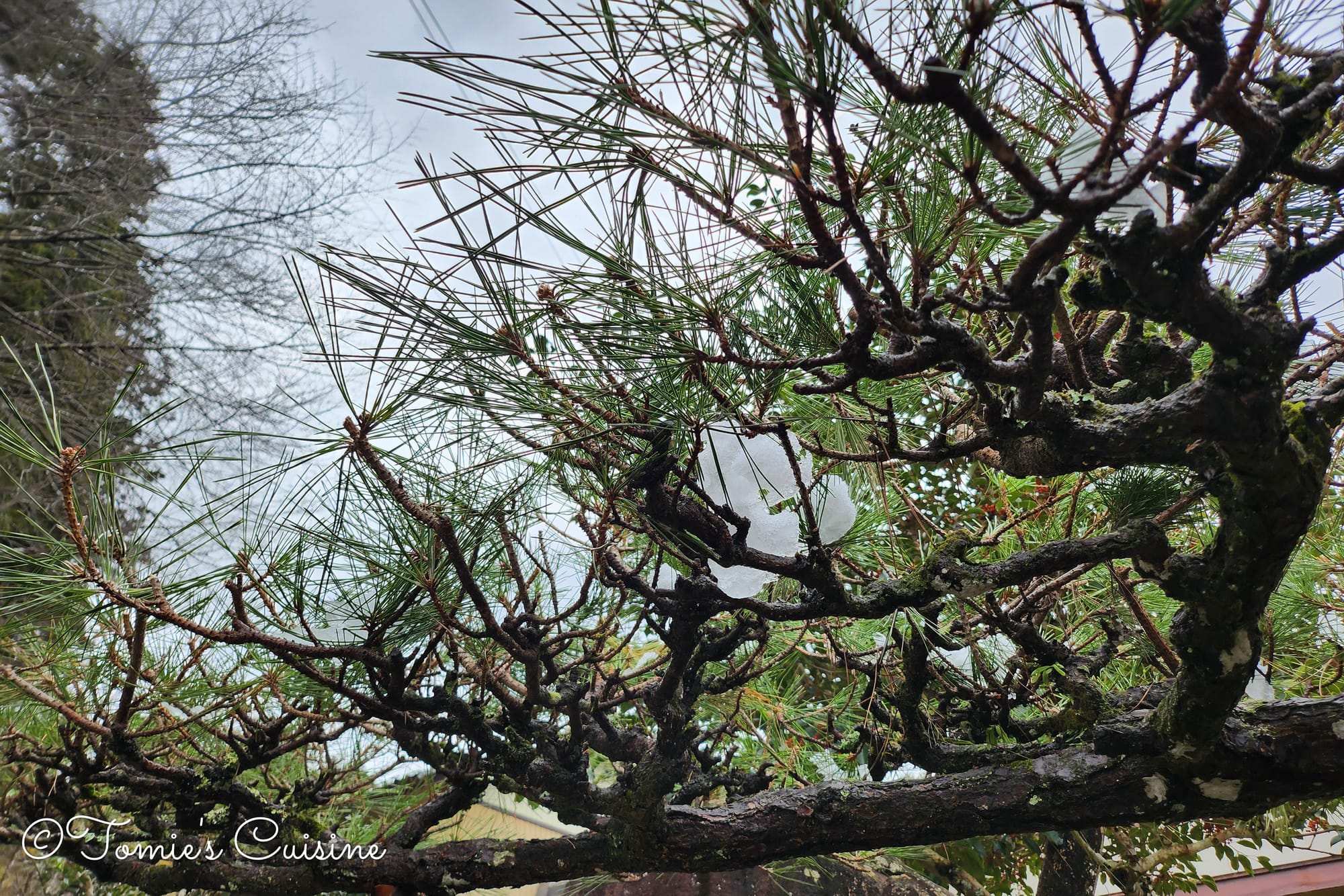
A thin layer of snow covered everything. On the right, you can see a bunch of snow remaining on the pine tree.
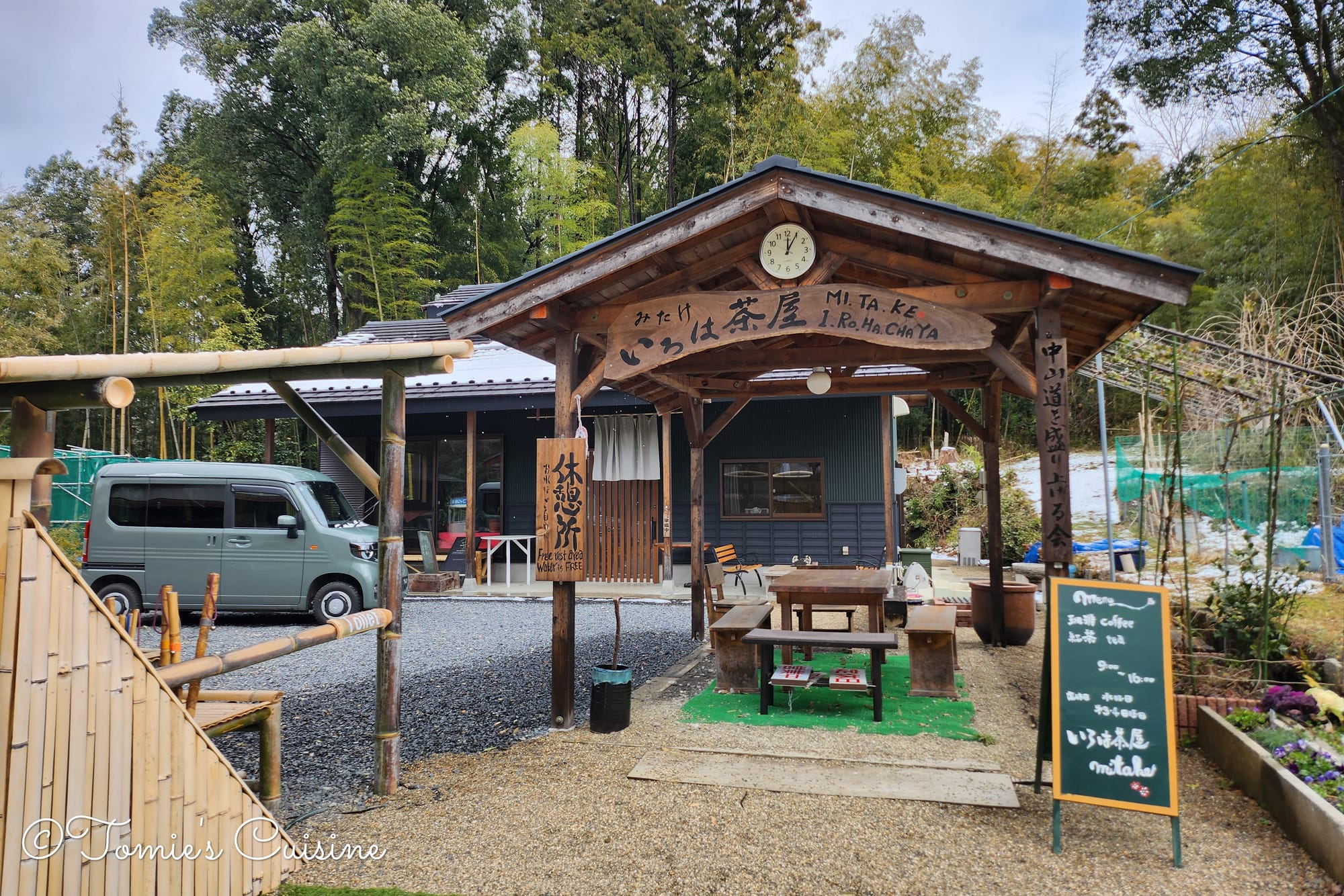
While travelling through the mountains, we stumbled upon a restaurant in the middle of nowhere, which was quite convenient. However, it was Wednesday, and the Iroha Chaya (いろは茶屋) is closed every Wednesday, so we couldn’t stop by. To make this situation even more fascinating, the cafe is located at a site featured in Utagawa Hiroshige’s drawing of the Nakasendo Mitake post town.
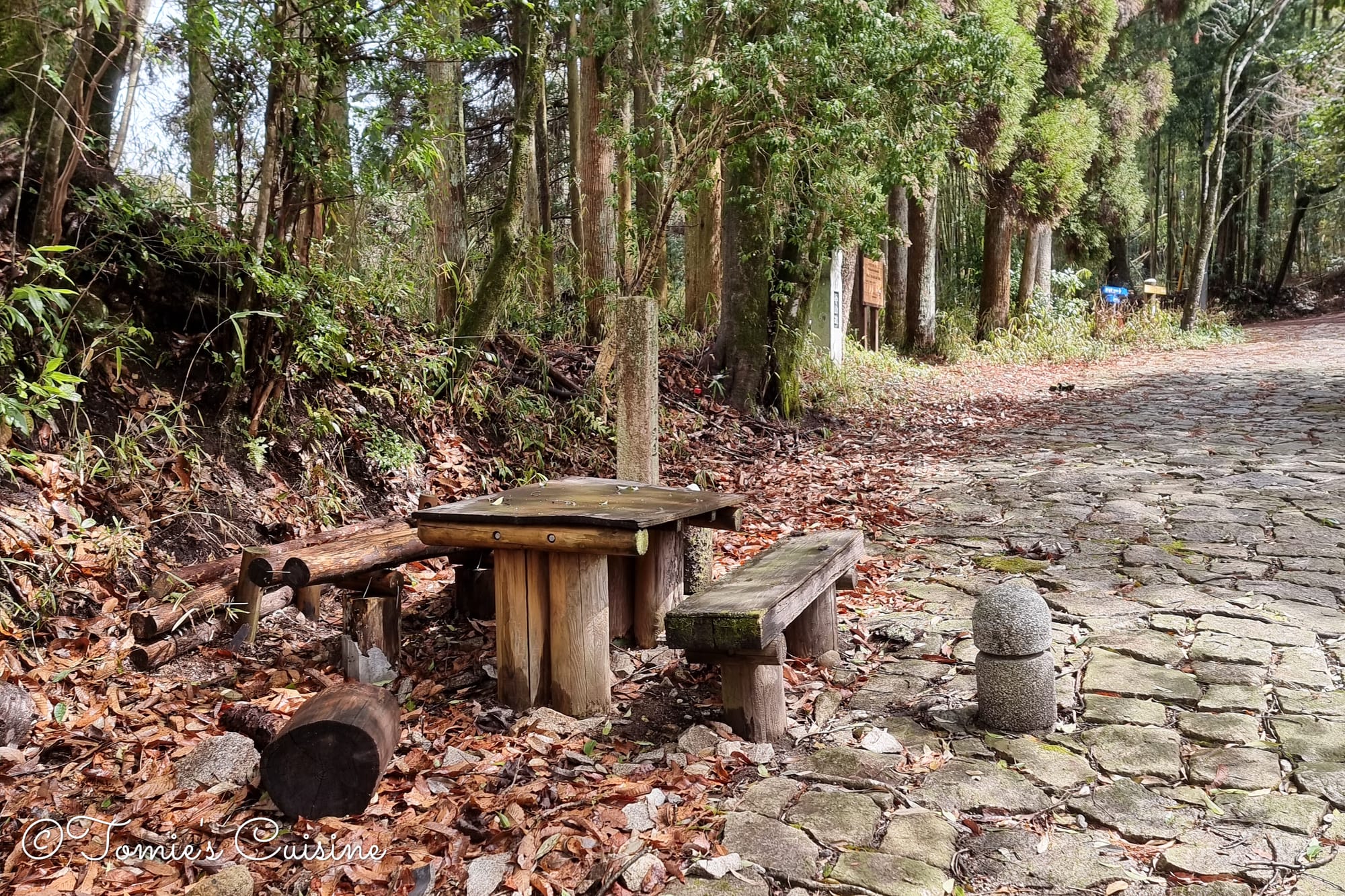
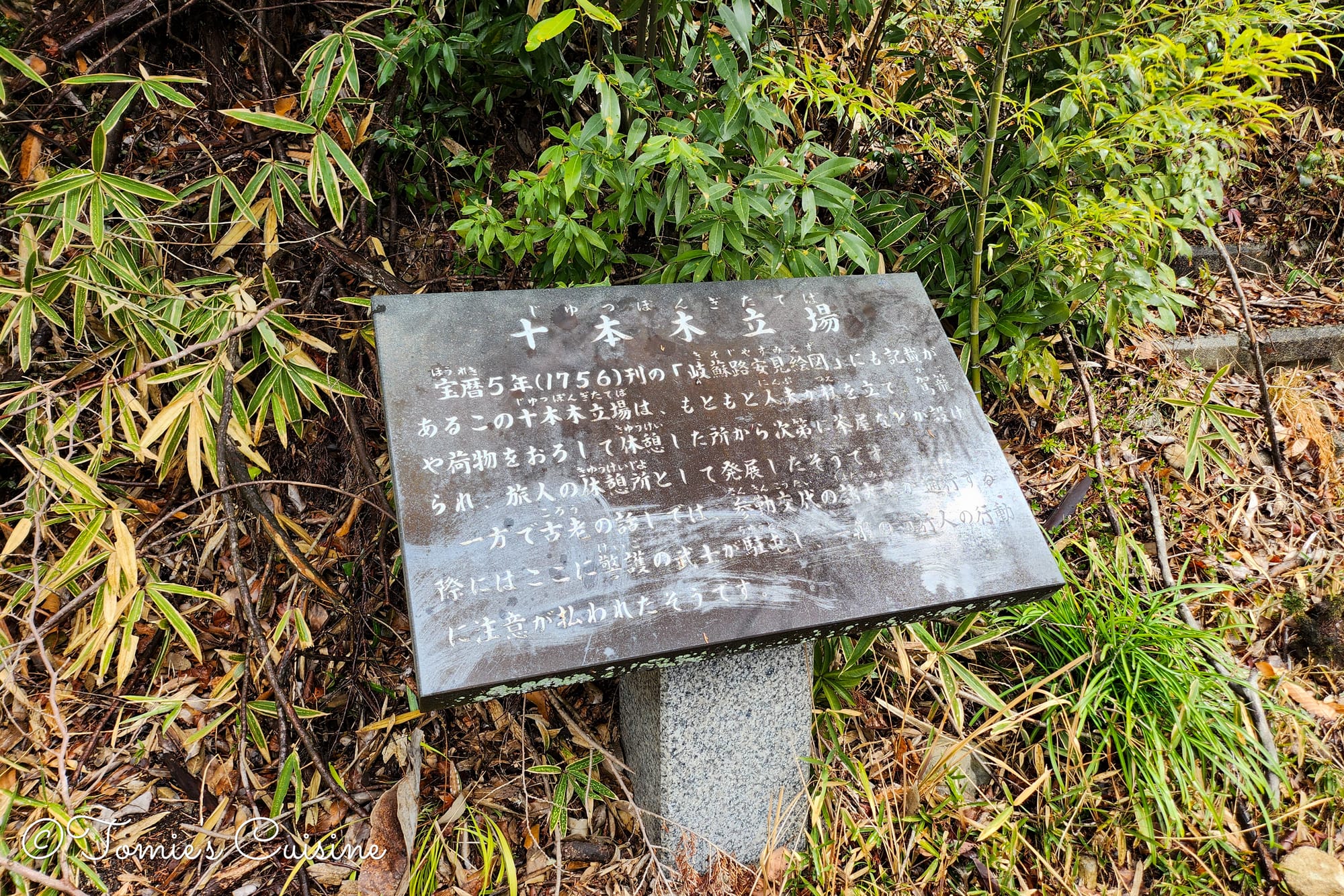
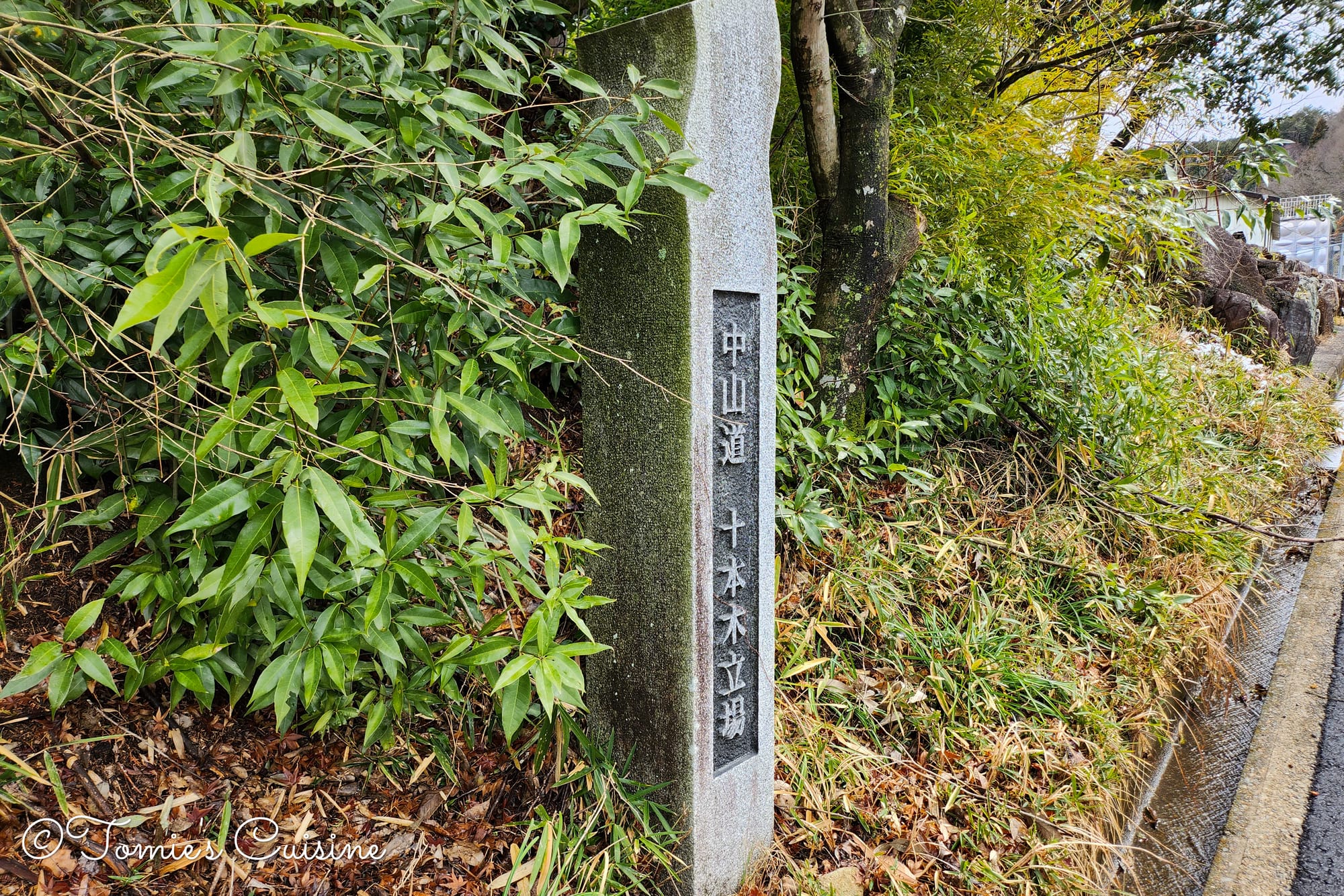
Juppongi tateba (十本木立場) was an area where people could rest. There were some tea houses as well.
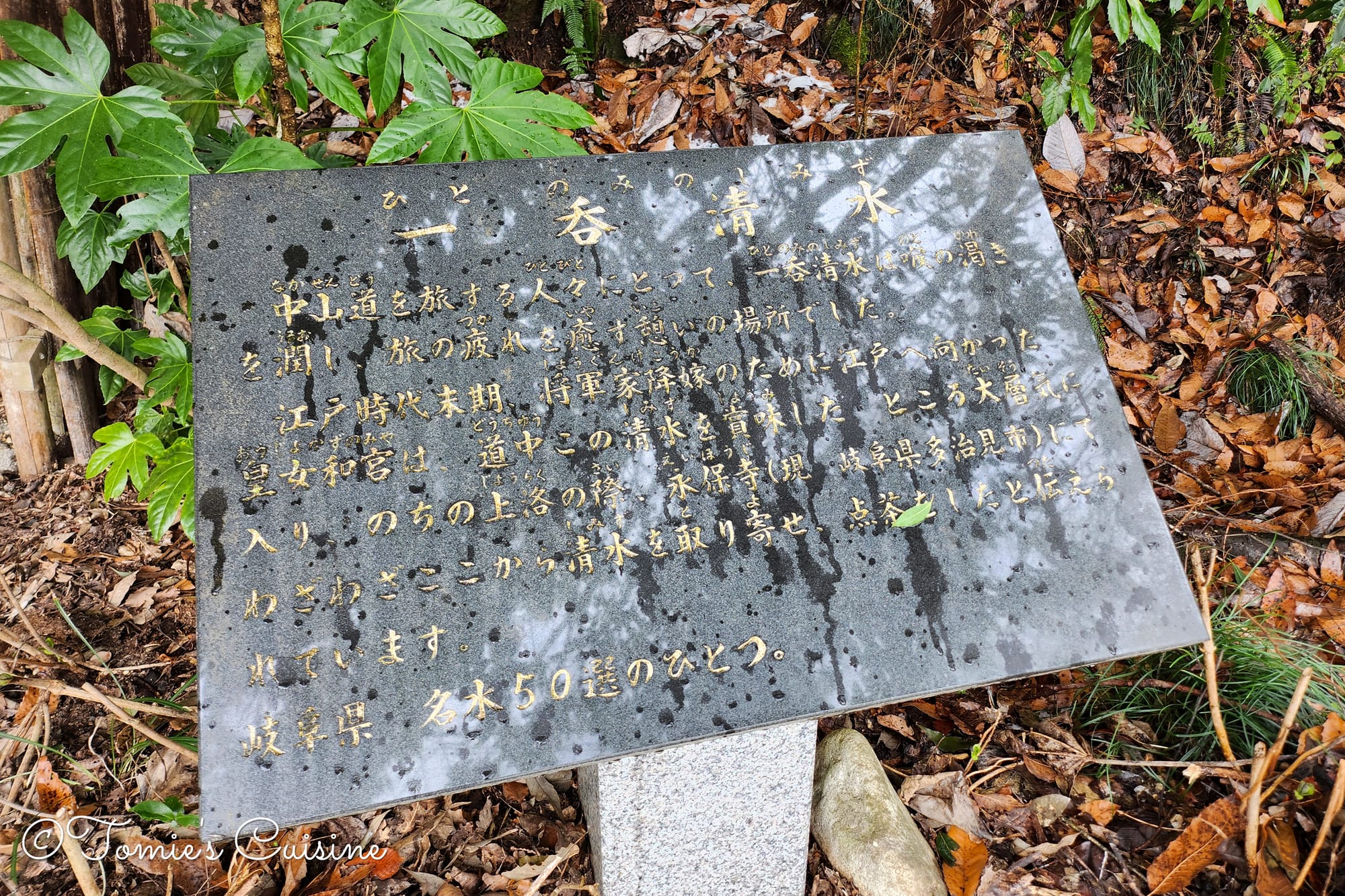
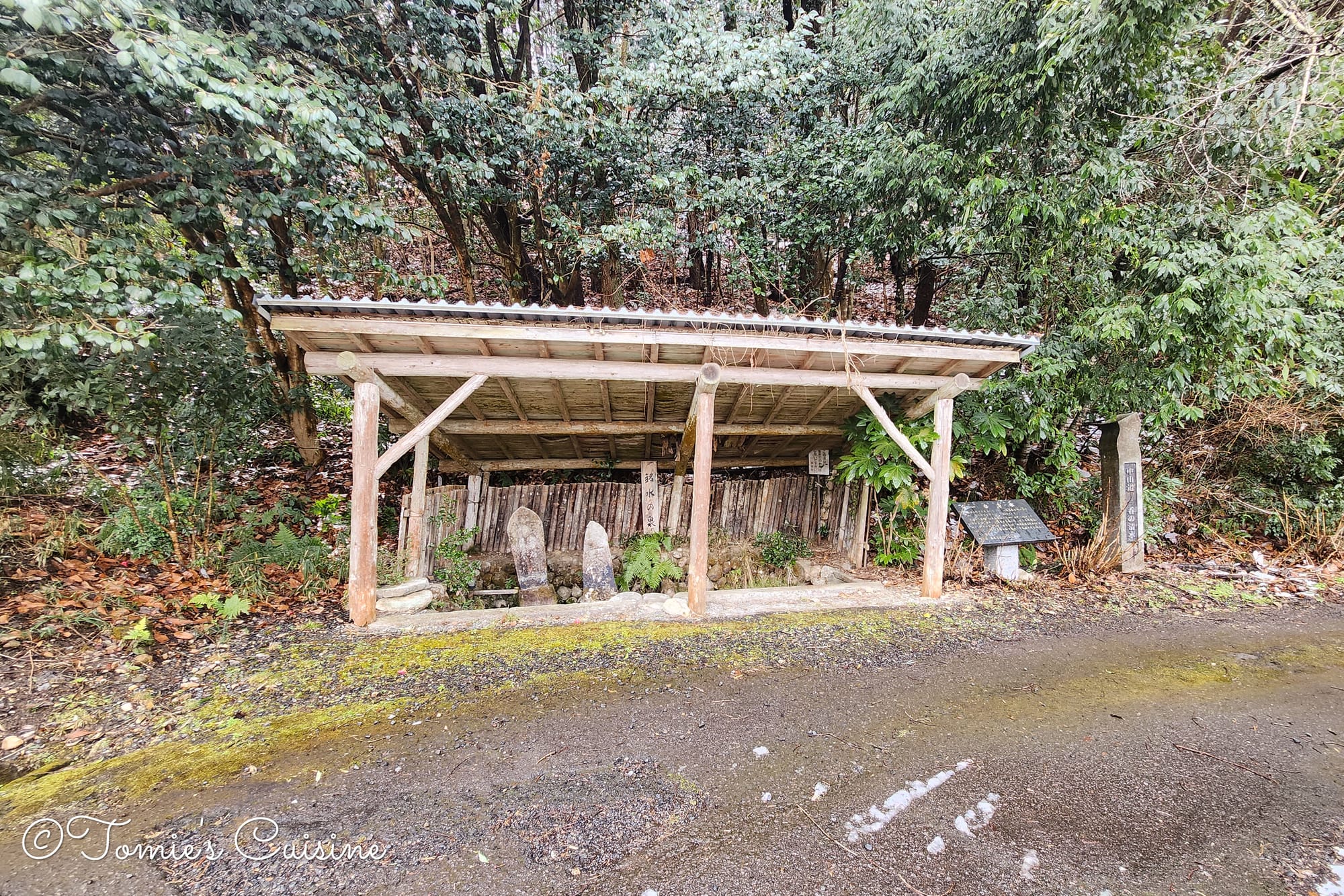
Hitonomi no Shimizu (一呑の清水) is a spring that once quenched the thirst of travellers. Princess Kazu also enjoyed drinking this water. Now, however, it isn't potable anymore.
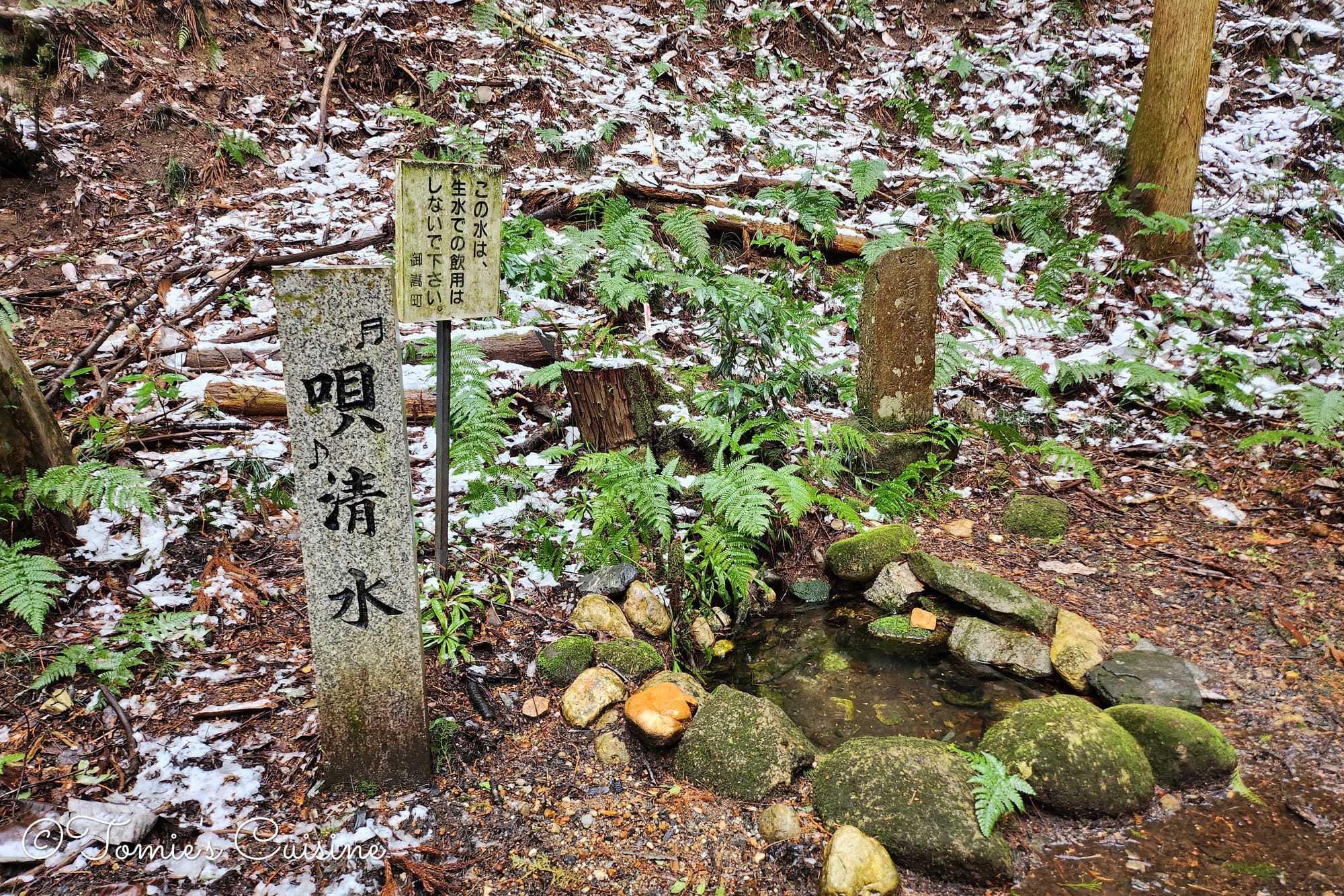
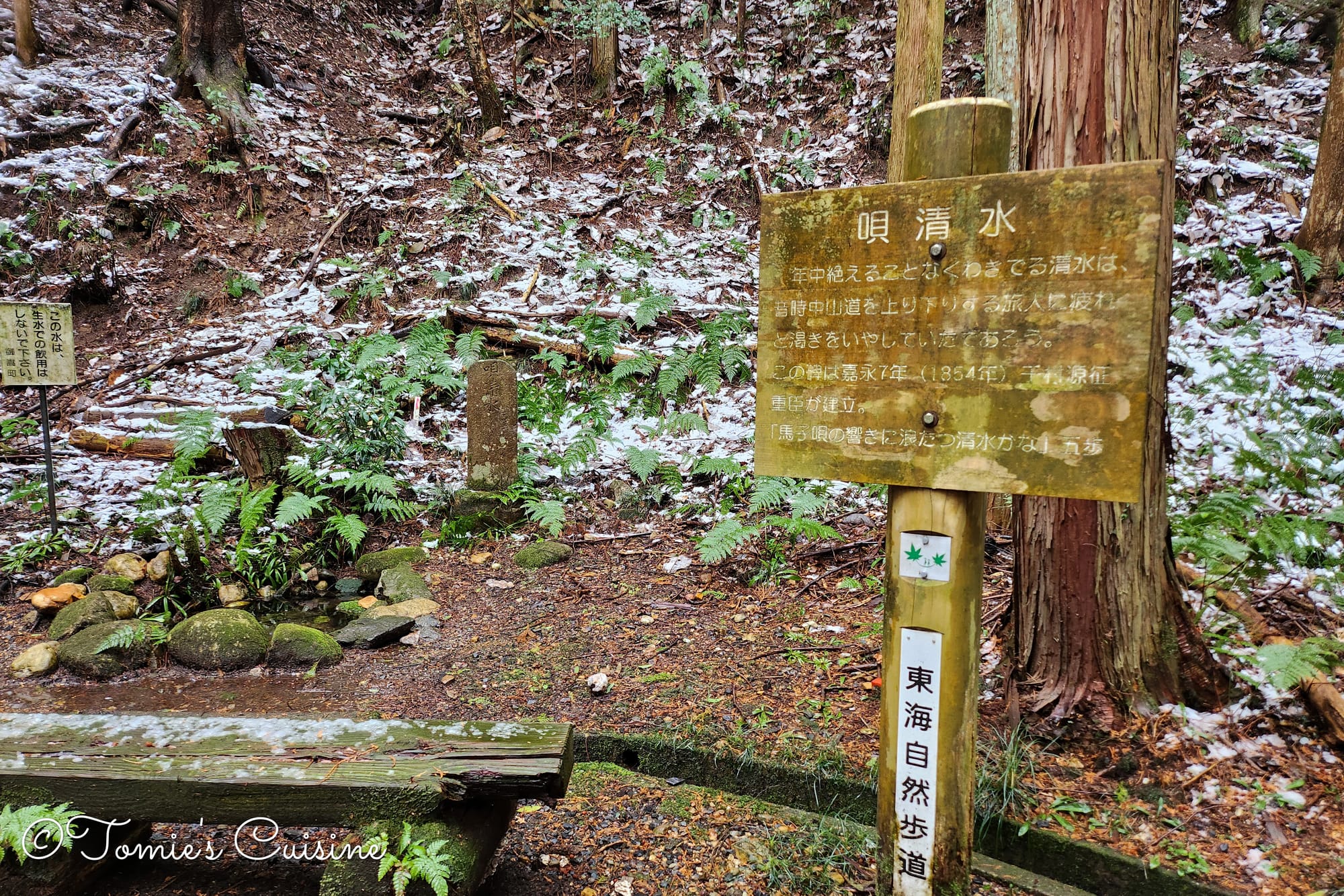
There is another water spring known as Utai Shimizu (唄清水). Unfortunately, this spring is also not suitable for drinking.
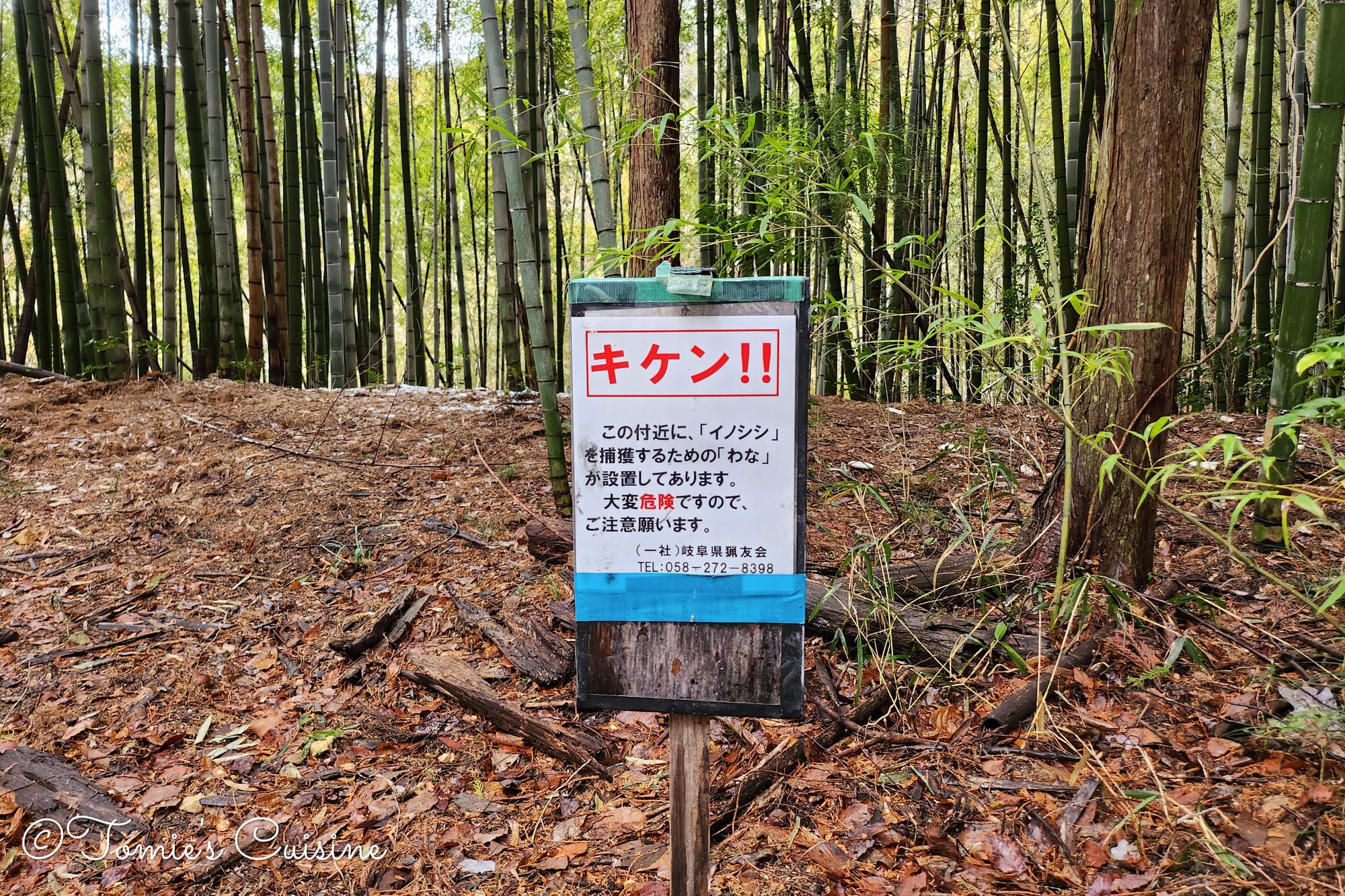
This particular sign warns about wild boar traps.
⚠️
危険/キケン (pronounced "kiken") means danger/caution. So if you see these signs, take a moment to pull out your phone and translate the message.
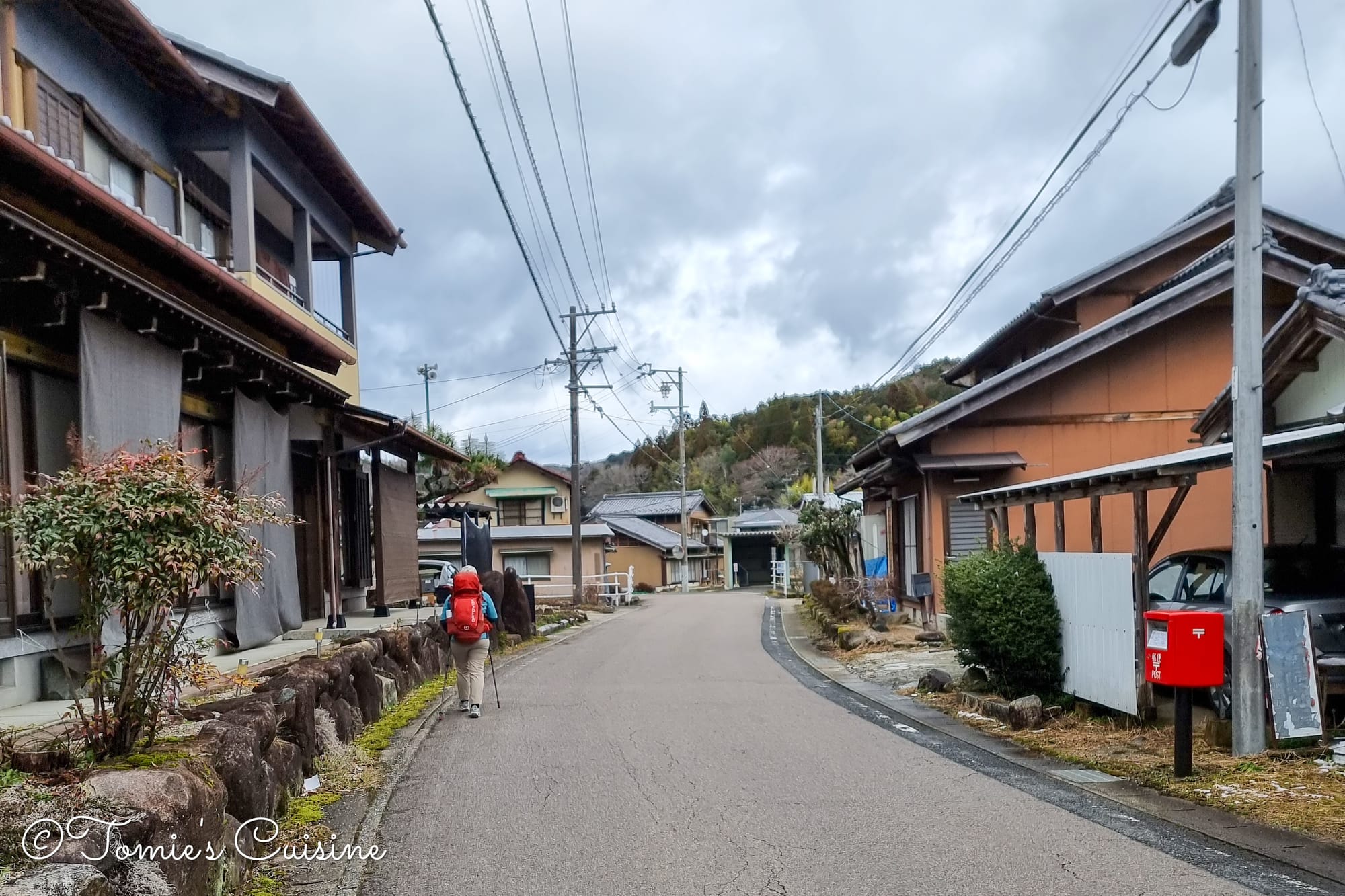
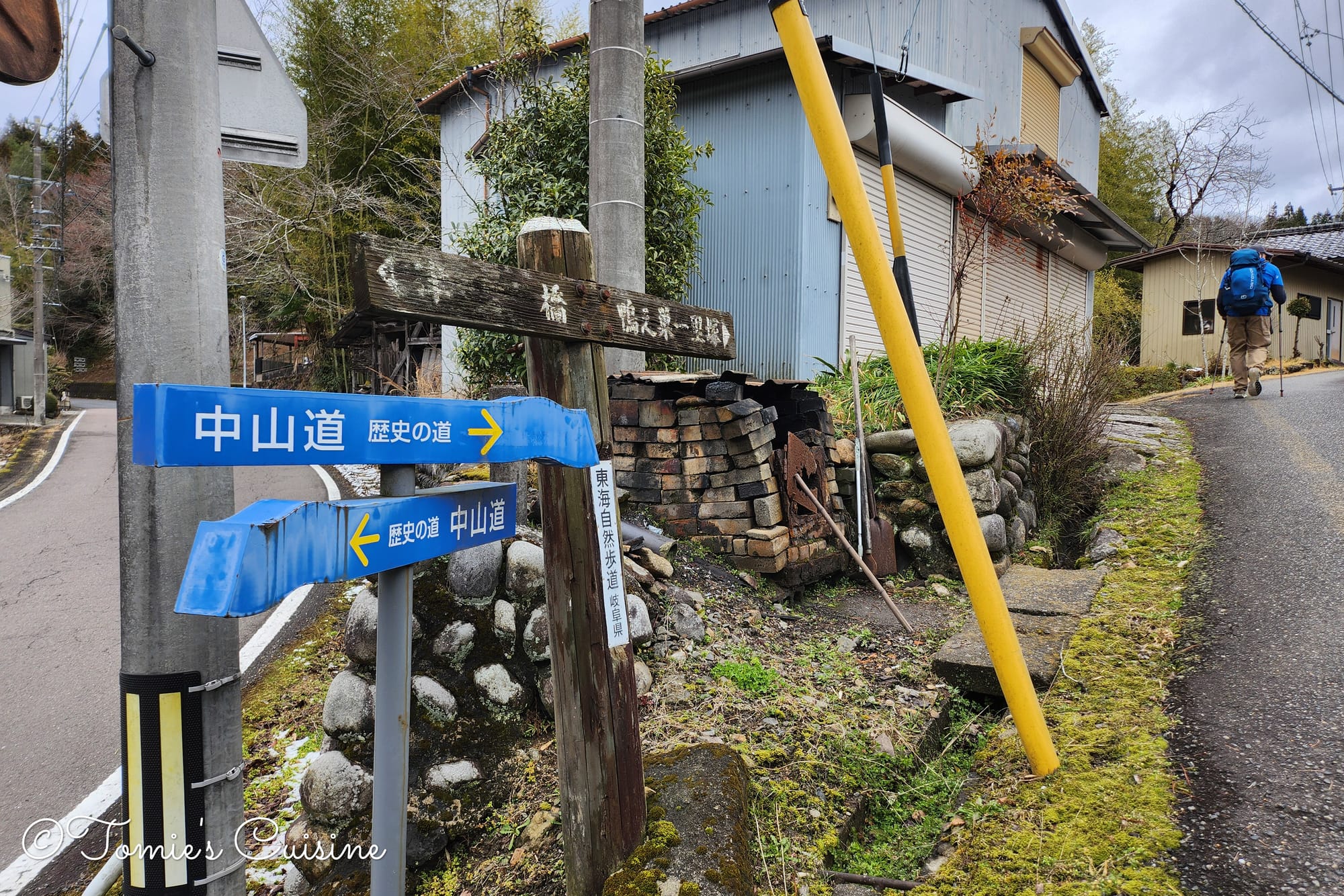
Going through the Tsubashi (津橋) residential area.
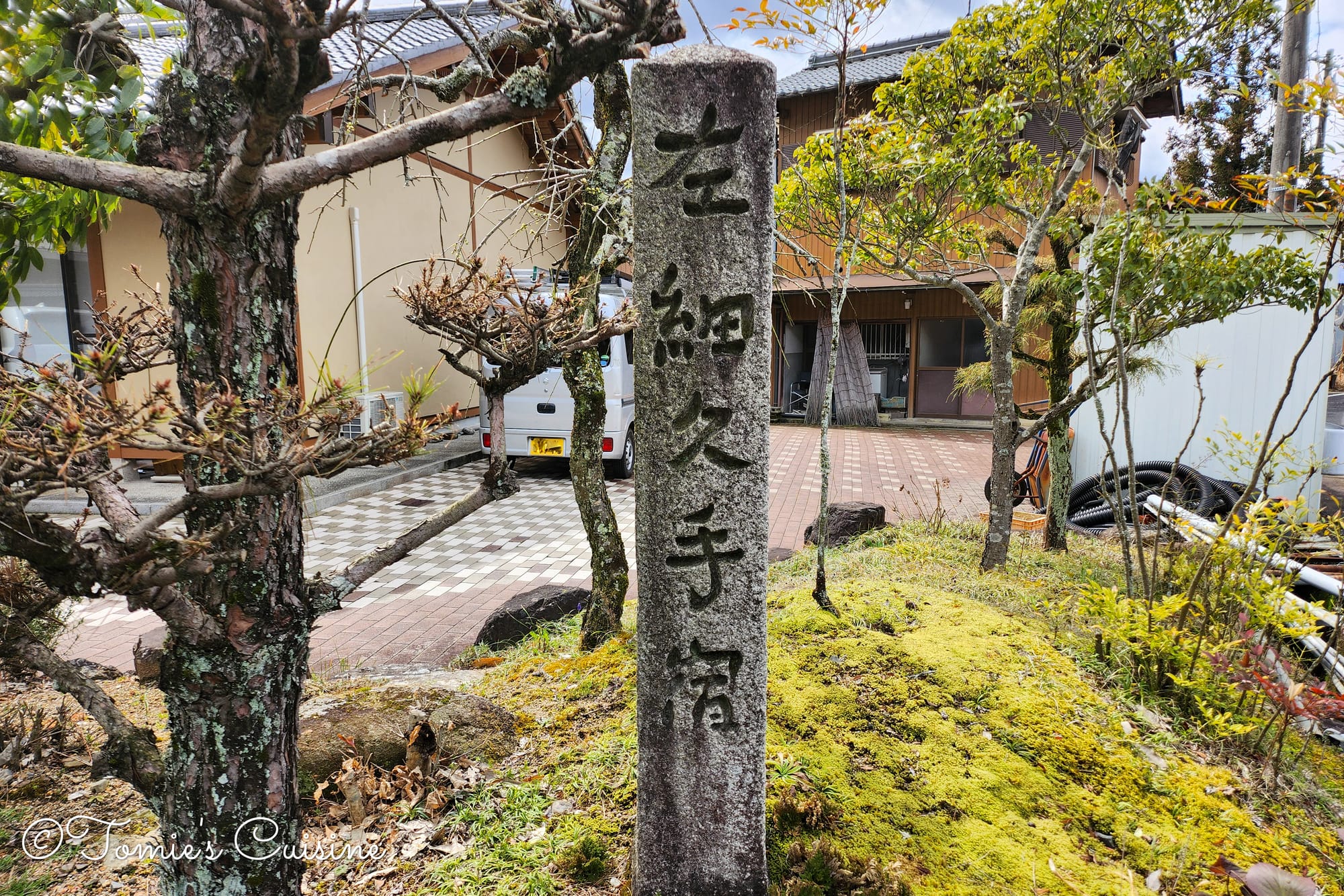
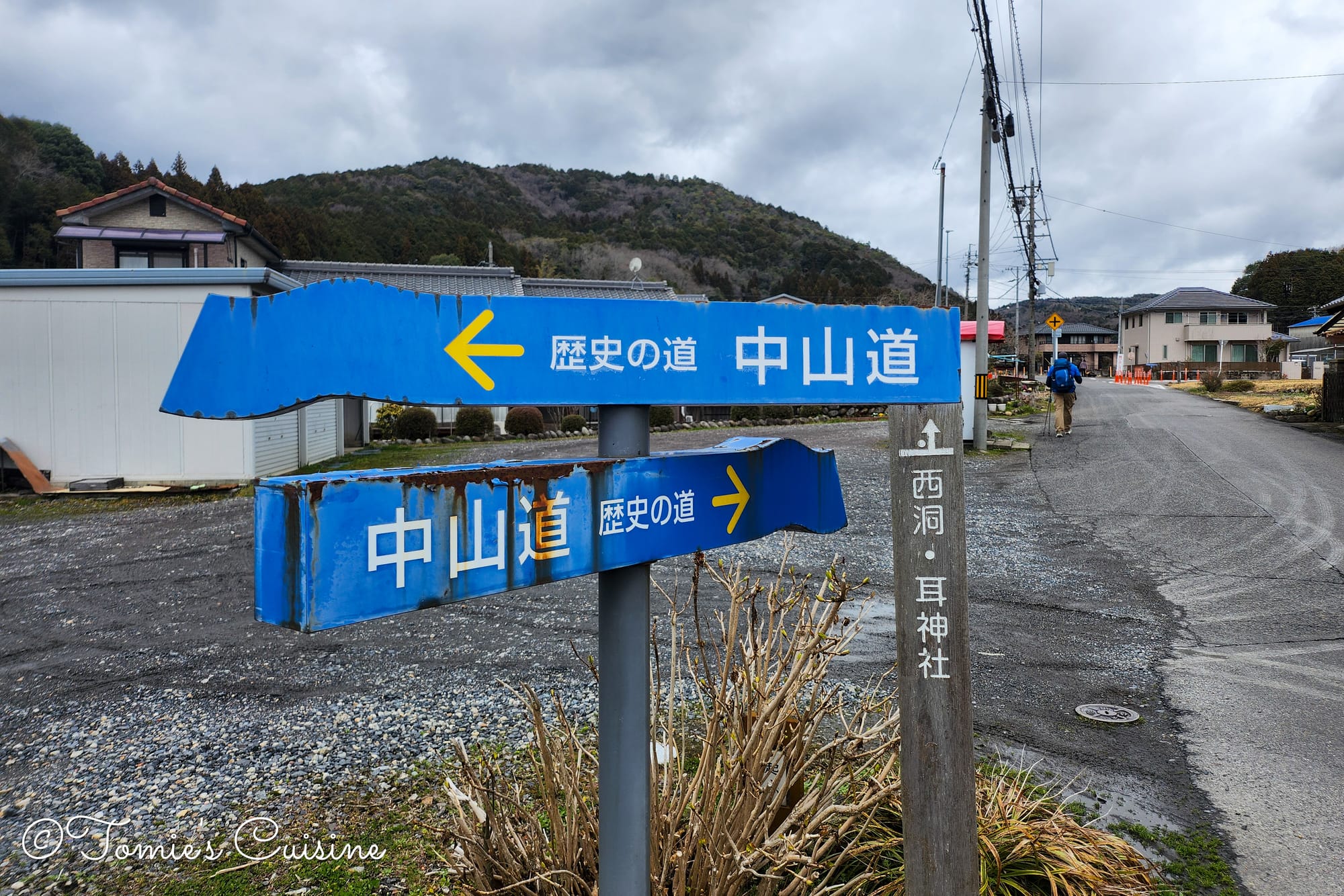
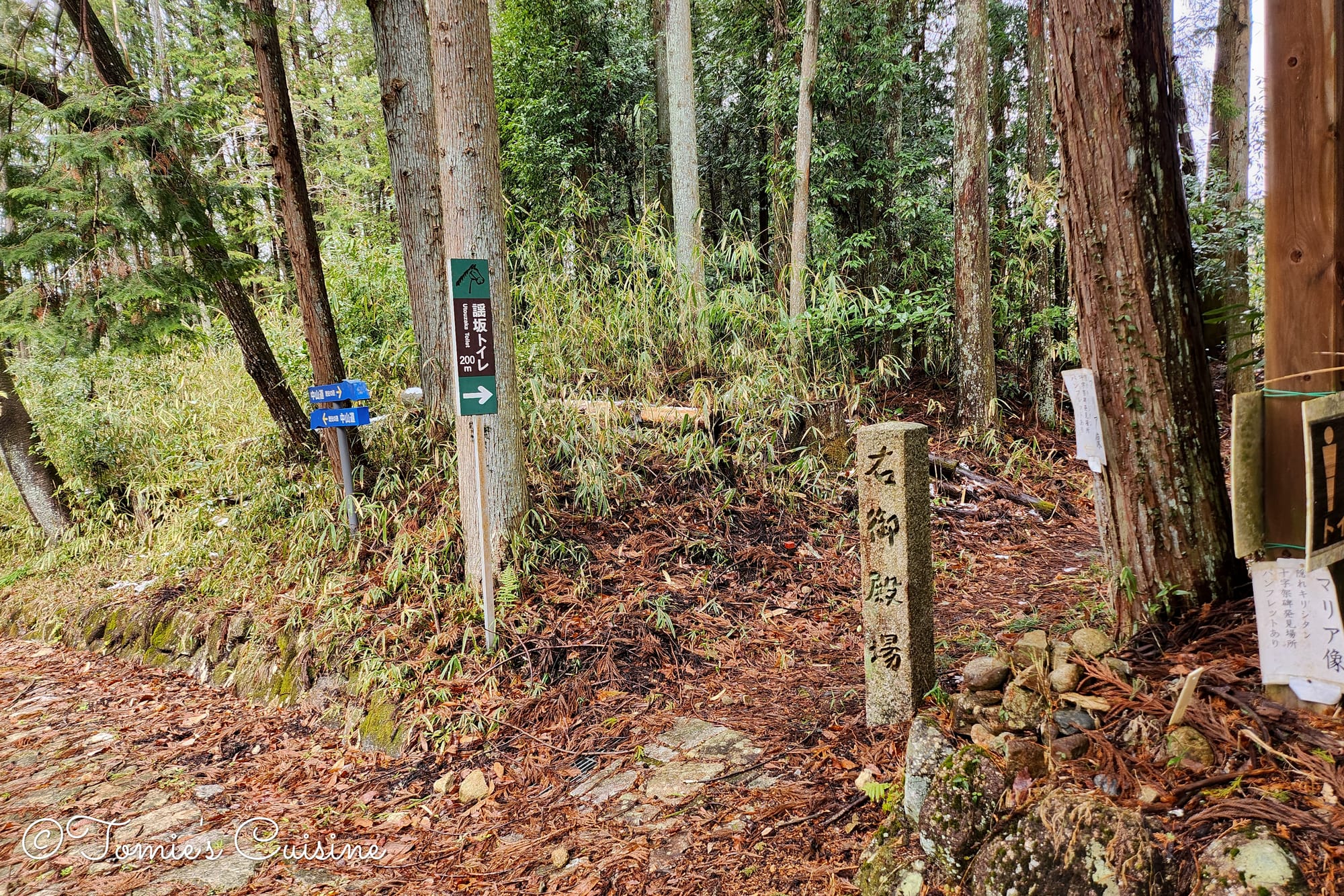
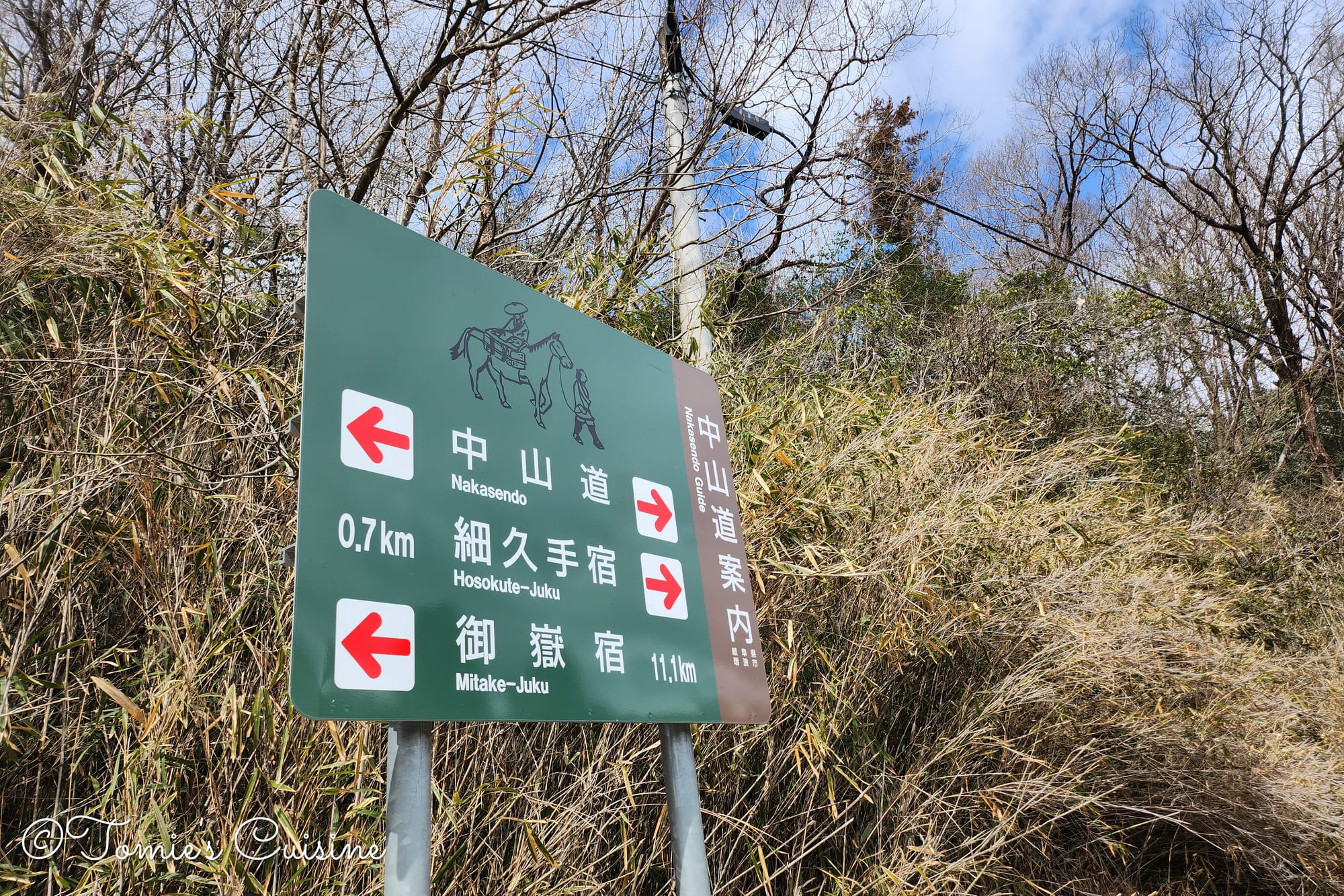
Those Nakasendo signs help ensure we are on the correct path.
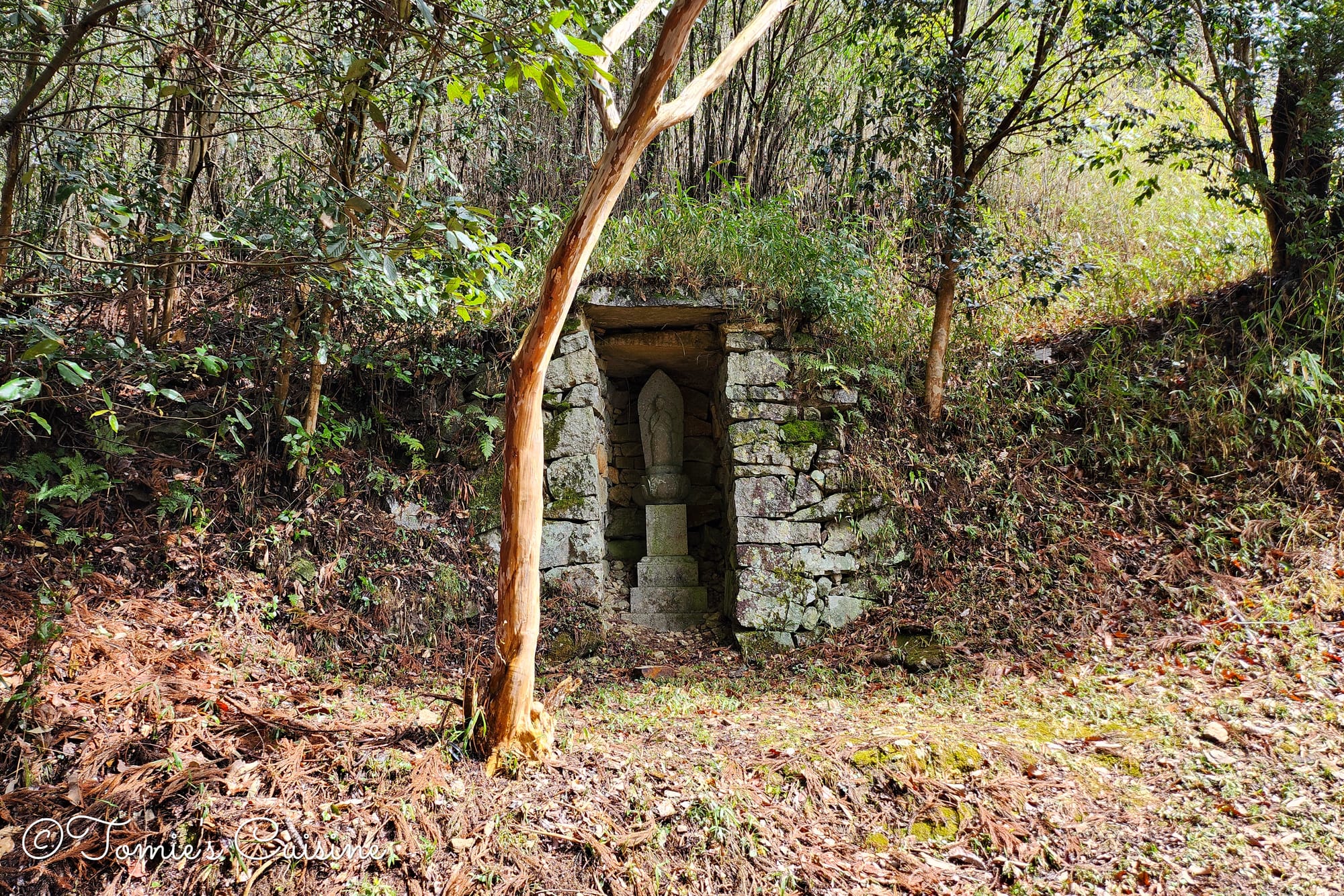
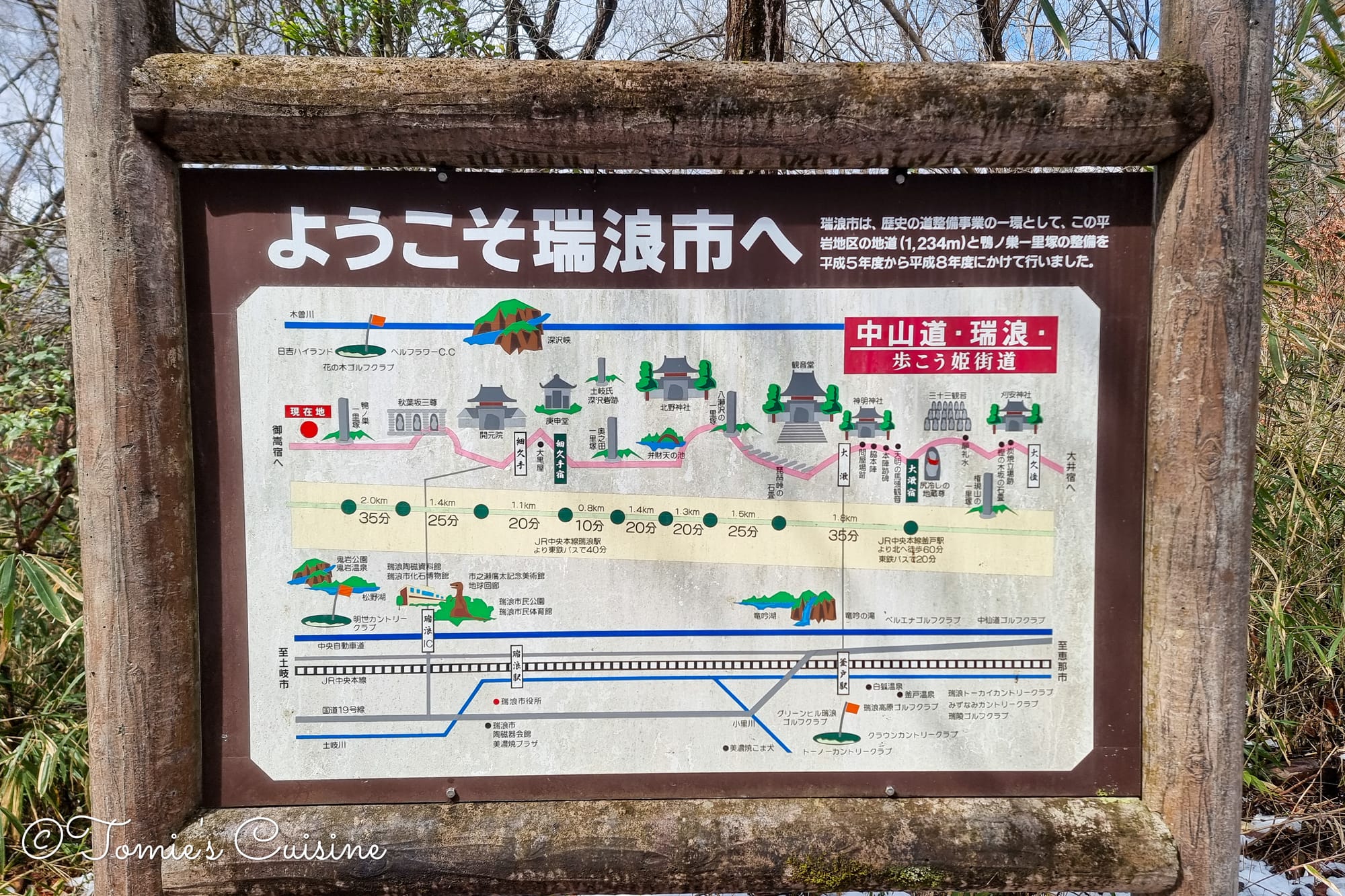
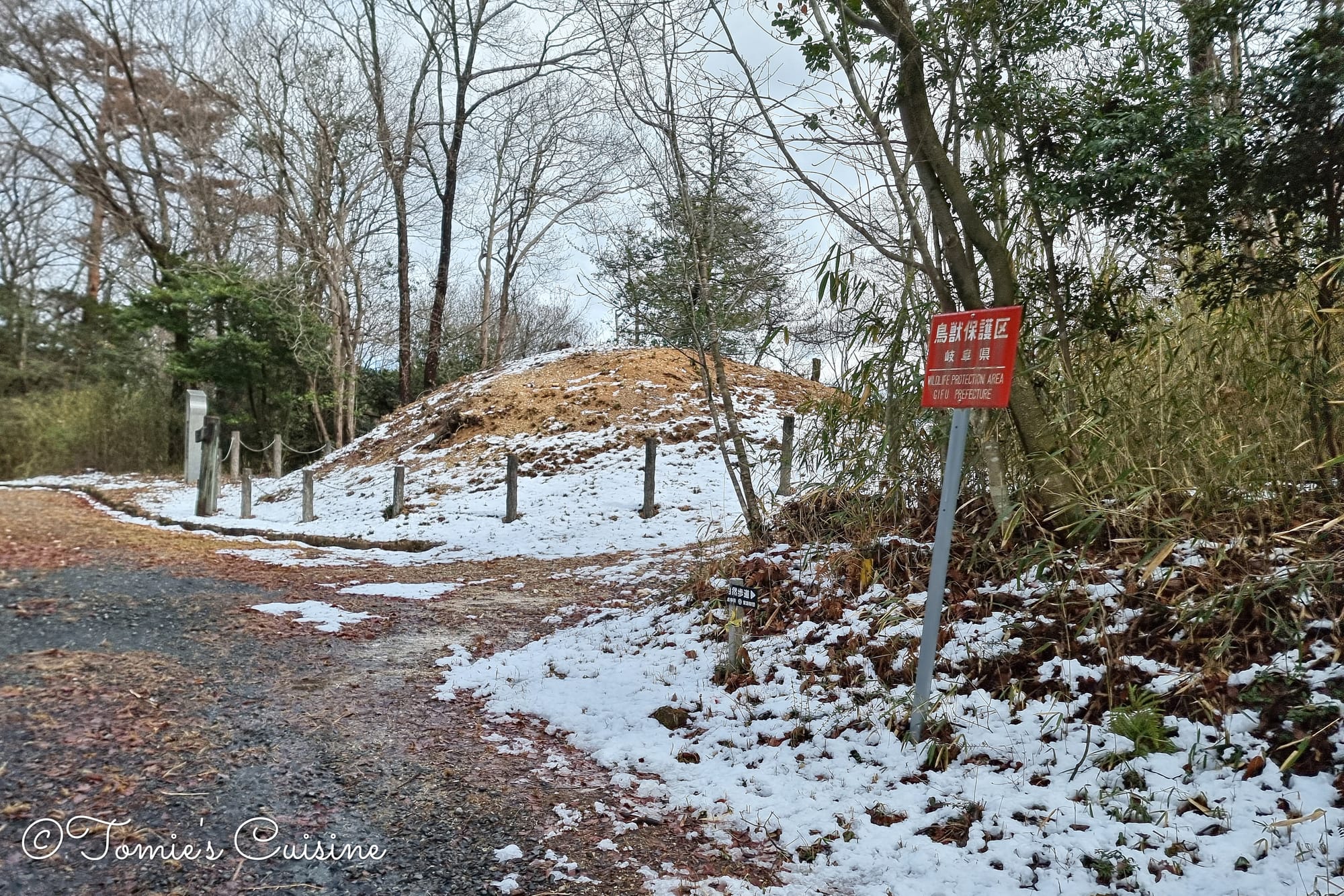
We arrived in Mizunami city! (left) Kamonosu Ichirizuka (鴨之巣一里塚) Milestone (middle) and the Buddha triad in the rock caves (right).
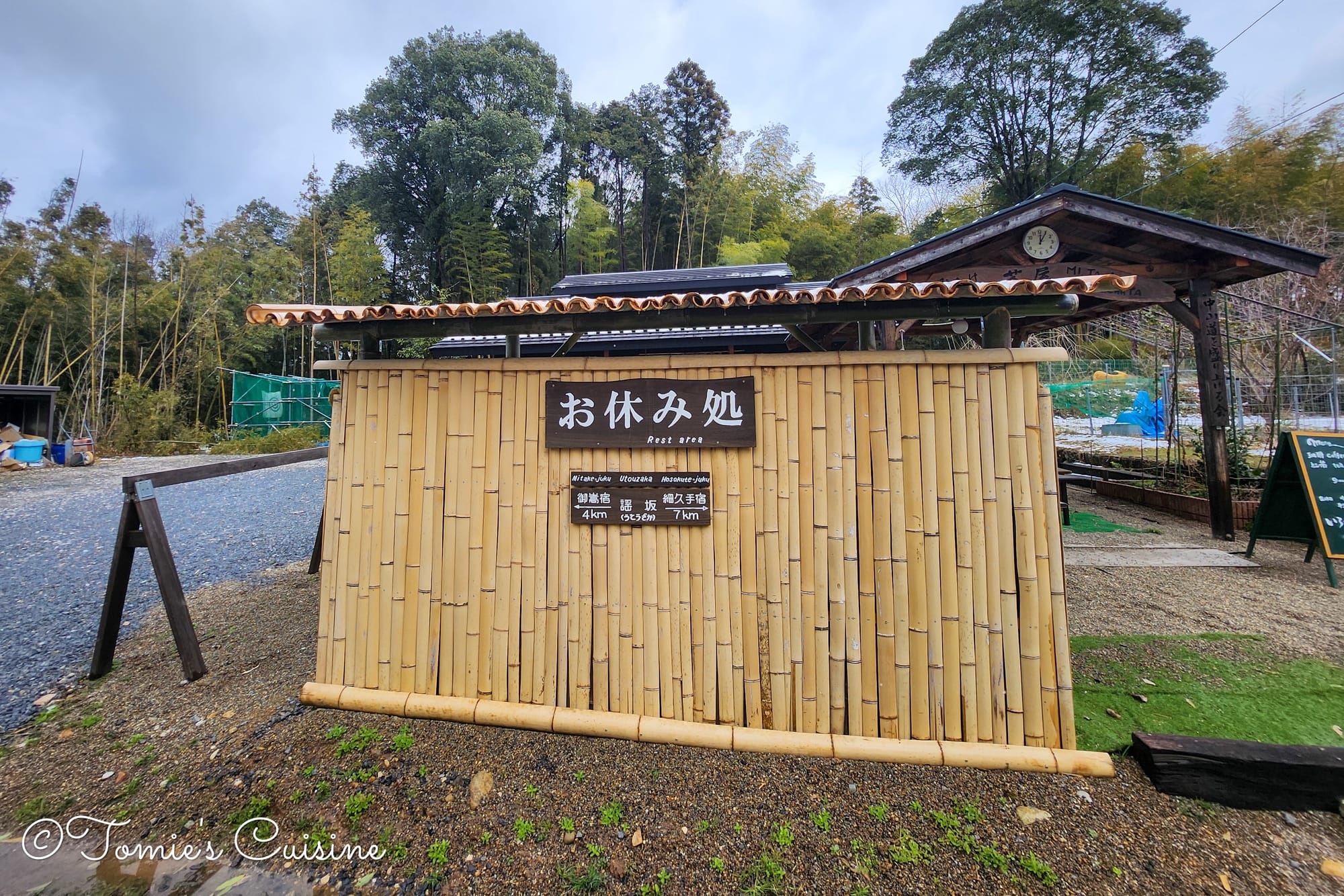
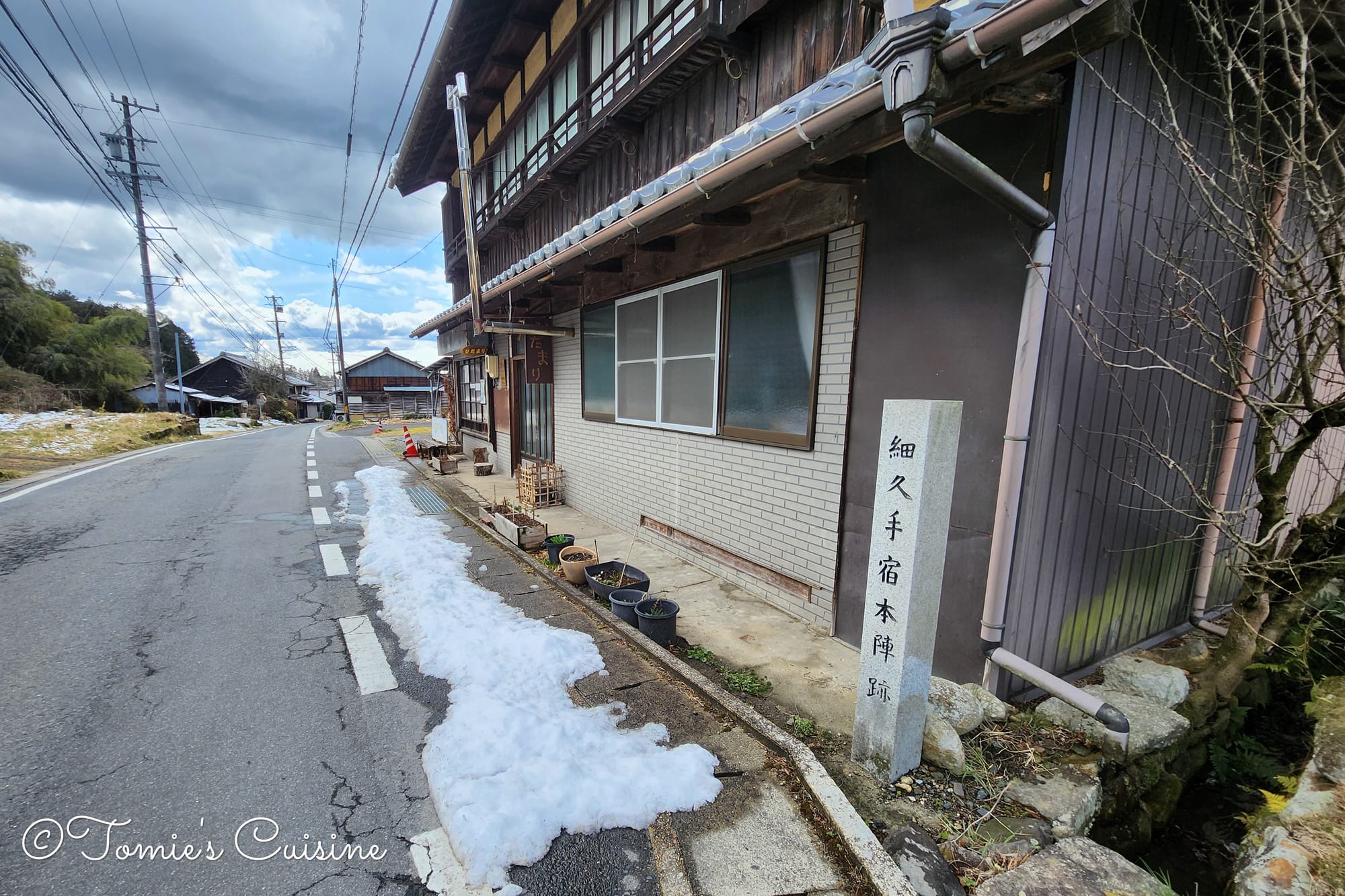
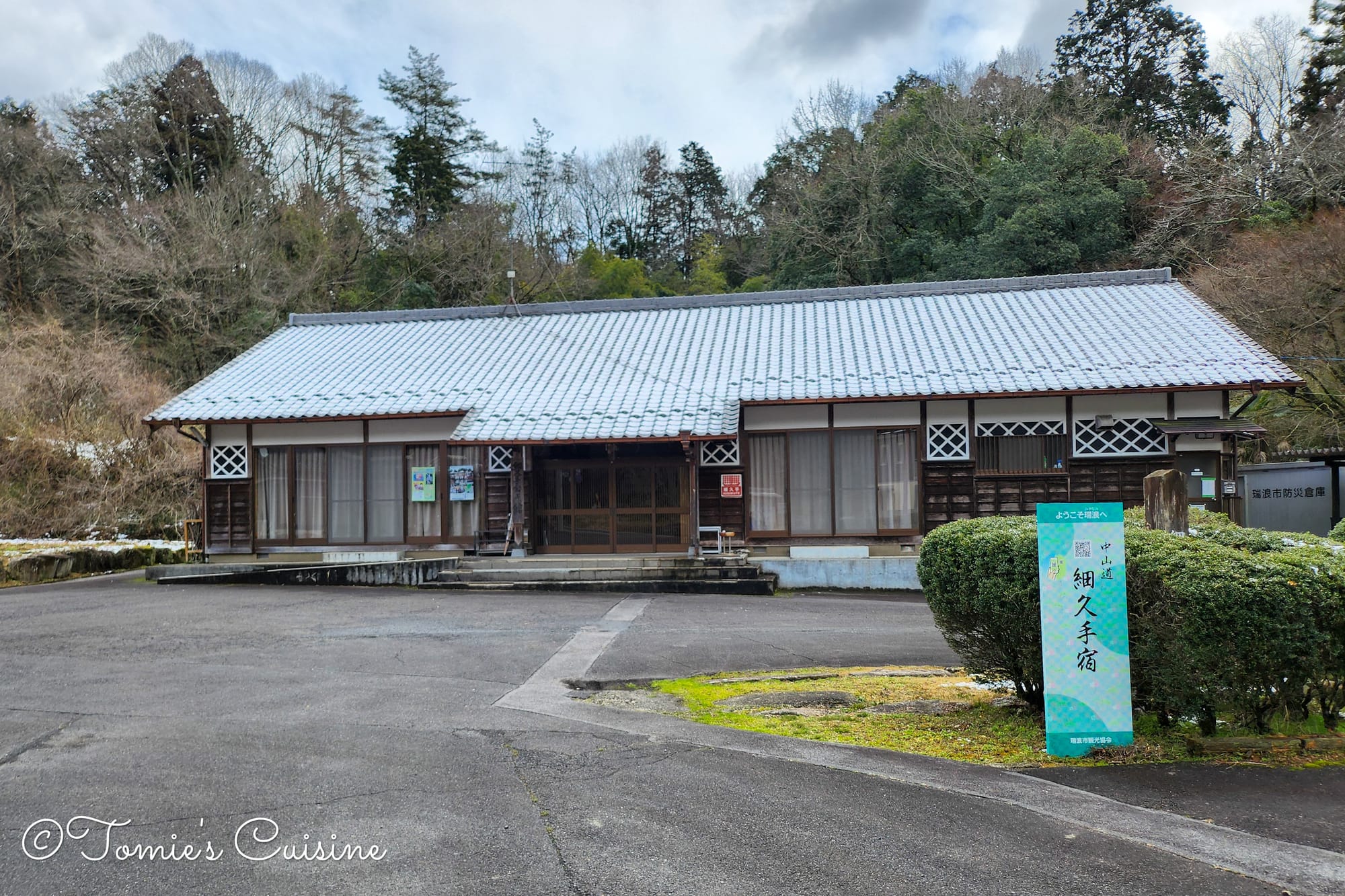
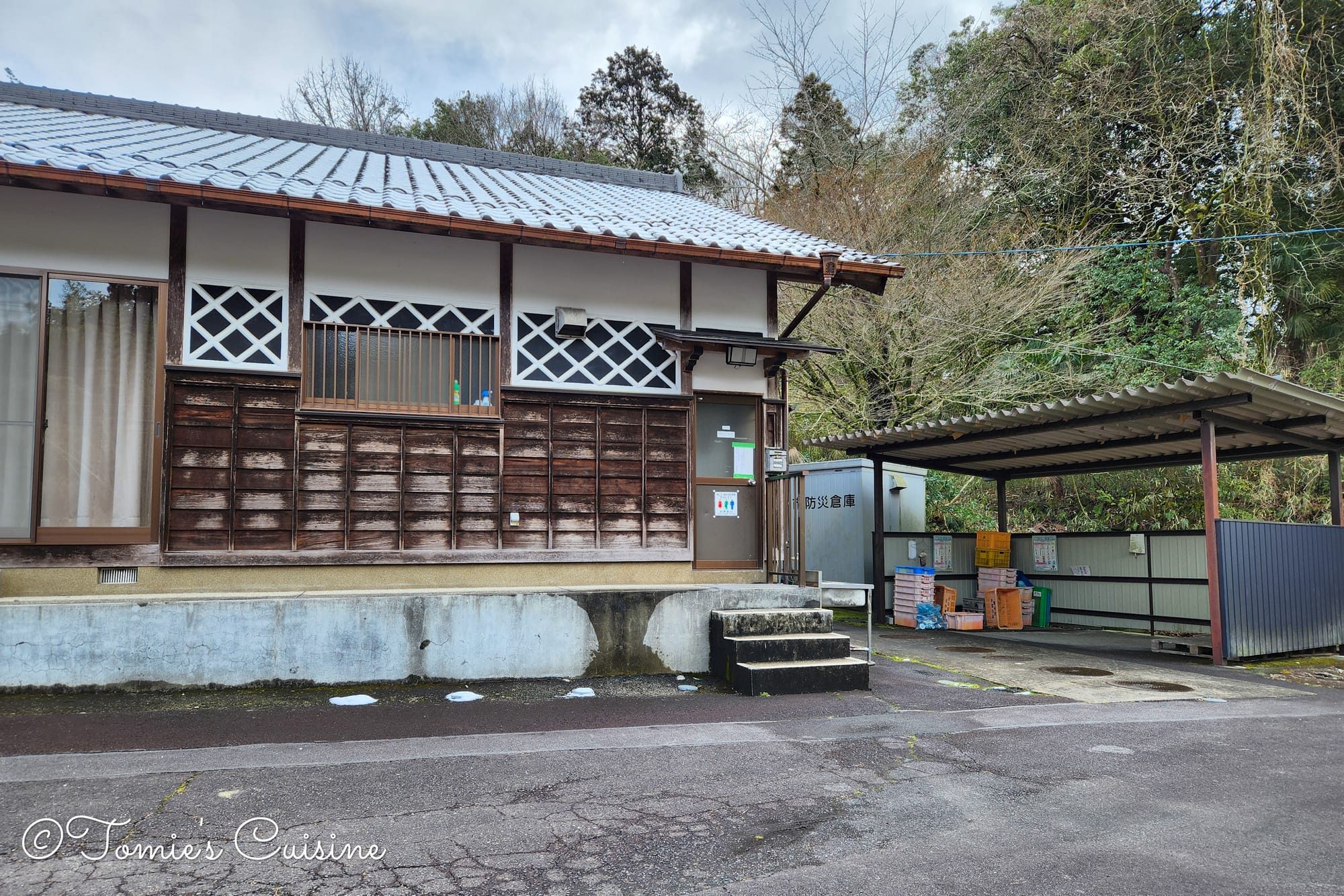
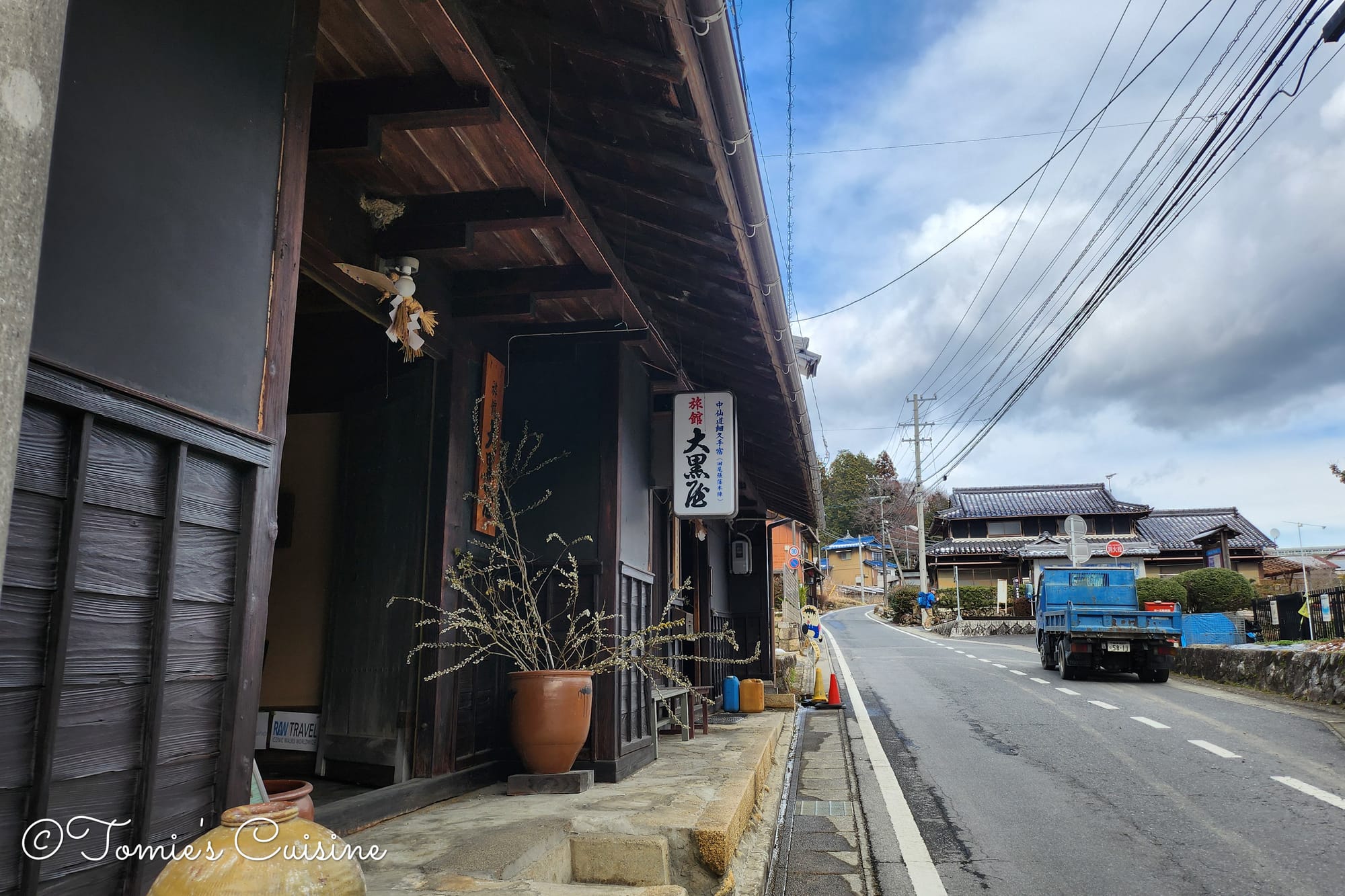
The traditional inn, Daikokuya Ryokan (大黒屋旅館), is the only place to stay in the Hosokute post town. We didn't stay here this time, but it is on our list!
When we were looking for transportation between Hosokute post town and Mizunami station, there were only two options.
Option 1: The local bus, but it only comes in the morning.
When I saw the timetable, I noticed that the bus is for local people going down to the city to shop or do administrative things, which means there are only a few in the morning. So we had to give up on it.
Option 2: The reservation required a community shared taxi with a limited timetable
We discovered a shared taxi reservation system called “Ikocar (いこCar)” which is available for both locals and tourists, offering a single fare of just 500 JPY per person. When I checked the estimated taxi cost from Hosokute to Mizunami, it was roughly 5000 JPY, making Ikocar a much cheaper option. They have three options available from Hosokute to Mizunami station: 10 am, 11:40 am, and 2 pm.
However, there are a few important details to note. I recommend it only to people who are fluent in Japanese, as you can book this service only over the phone and need a local phone number. You can book up to a week in advance. So, while we were in Kyoto, I asked the hotel if I could use their phone to make the call, and they kindly allowed it. When I contacted Ikocar, they requested a local phone number, which I didn’t have, so I asked my mum if I could use hers. A few days later, she received a confirmation call.
If you aren't fluent in Japanese and don't have a local phone number, you can ask the hotel you are staying at for their local number as an alternative, and have them book on your behalf.
It’s also worth noting that Ikocar does not operate during weekends, national holidays, and the New Year.
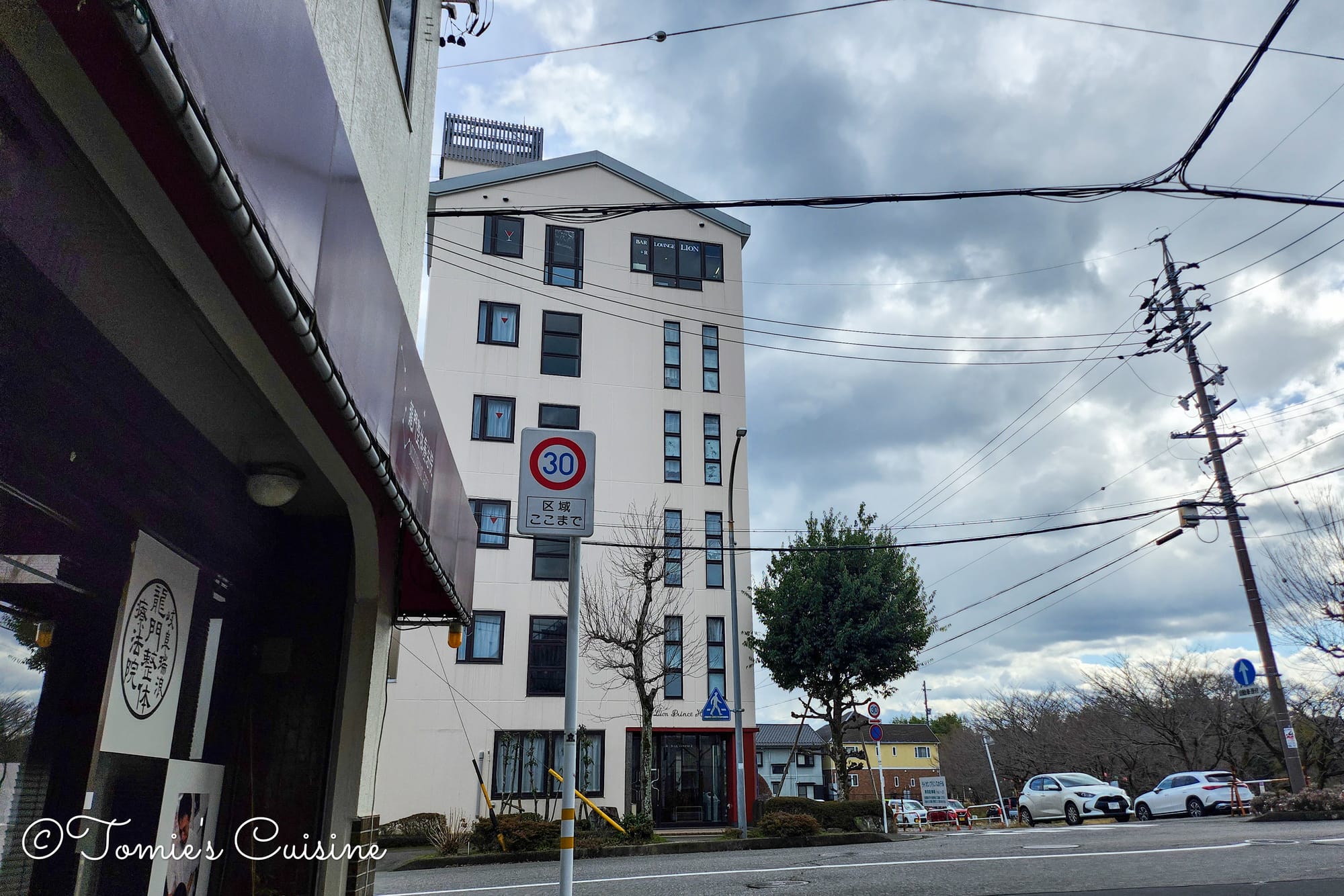
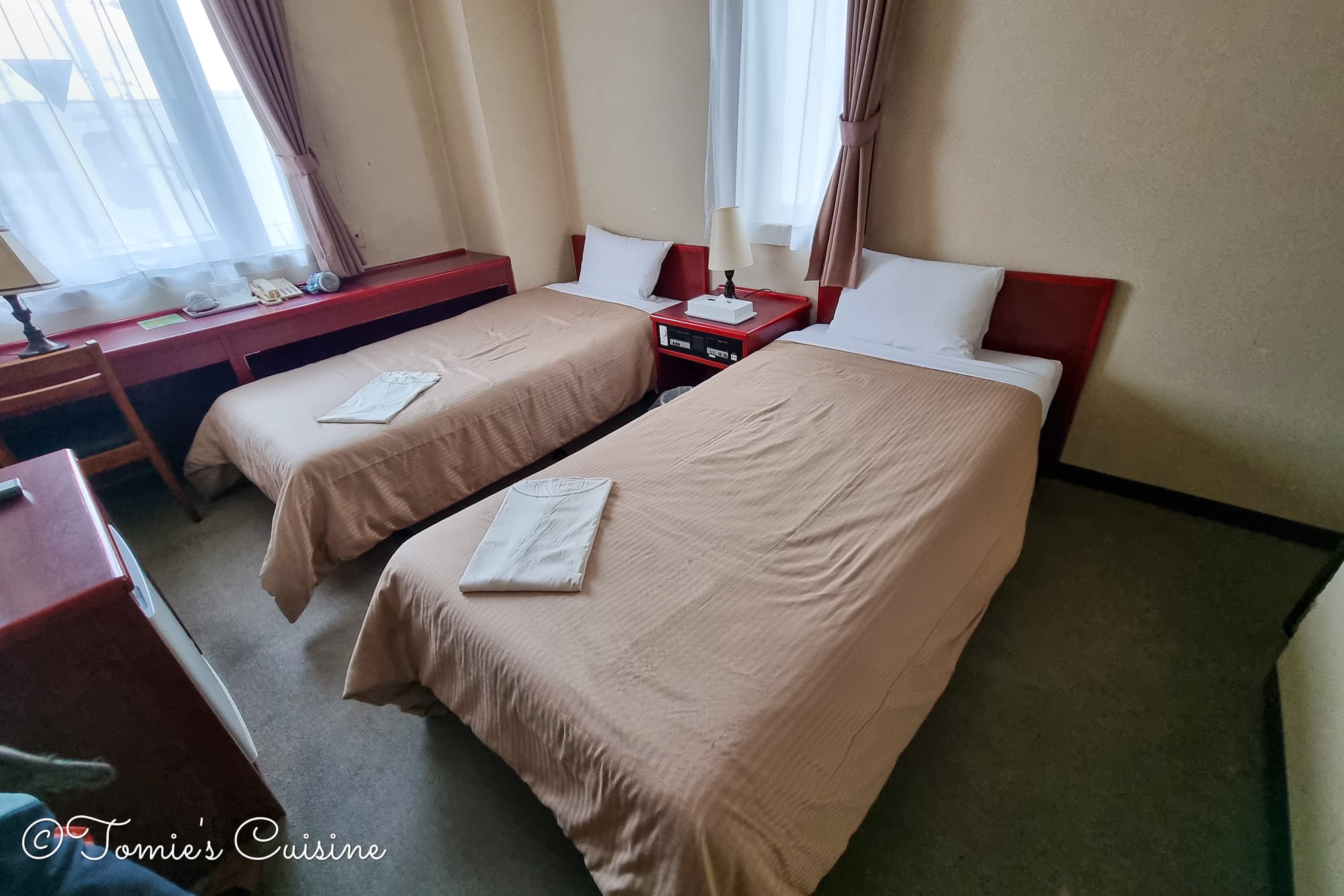
This hotel is one of my husband’s favourites among those we visited during our Nakasendo trip. While the hotel has a slightly dated and vintage ambience, it is very clean throughout.
The twin bedroom we stayed in was surprisingly spacious. They offer a complimentary instant cup of noodles for each stay, and we had a variety of options to choose from, along with a copious free breakfast.
Let's go out to the supermarket.
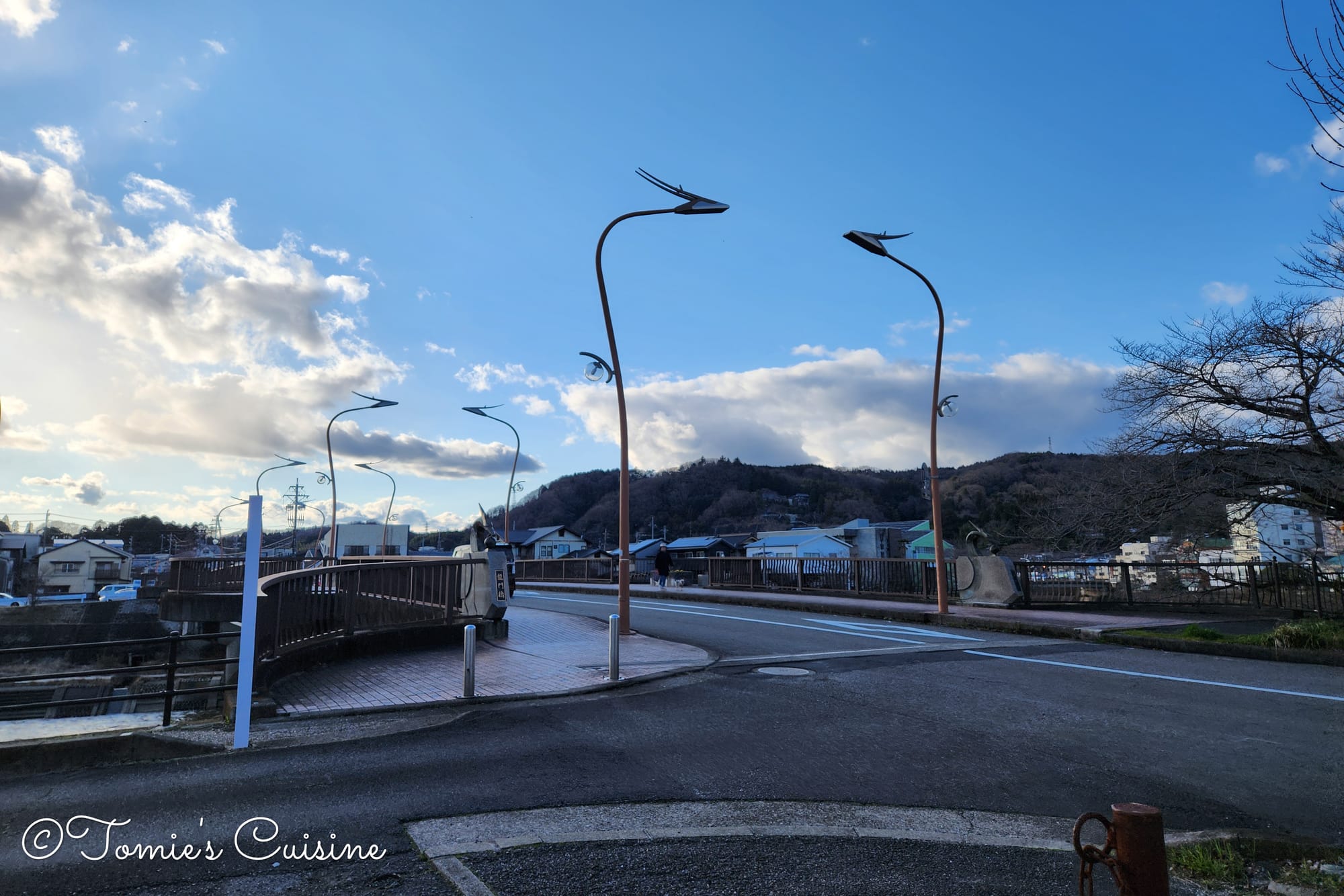
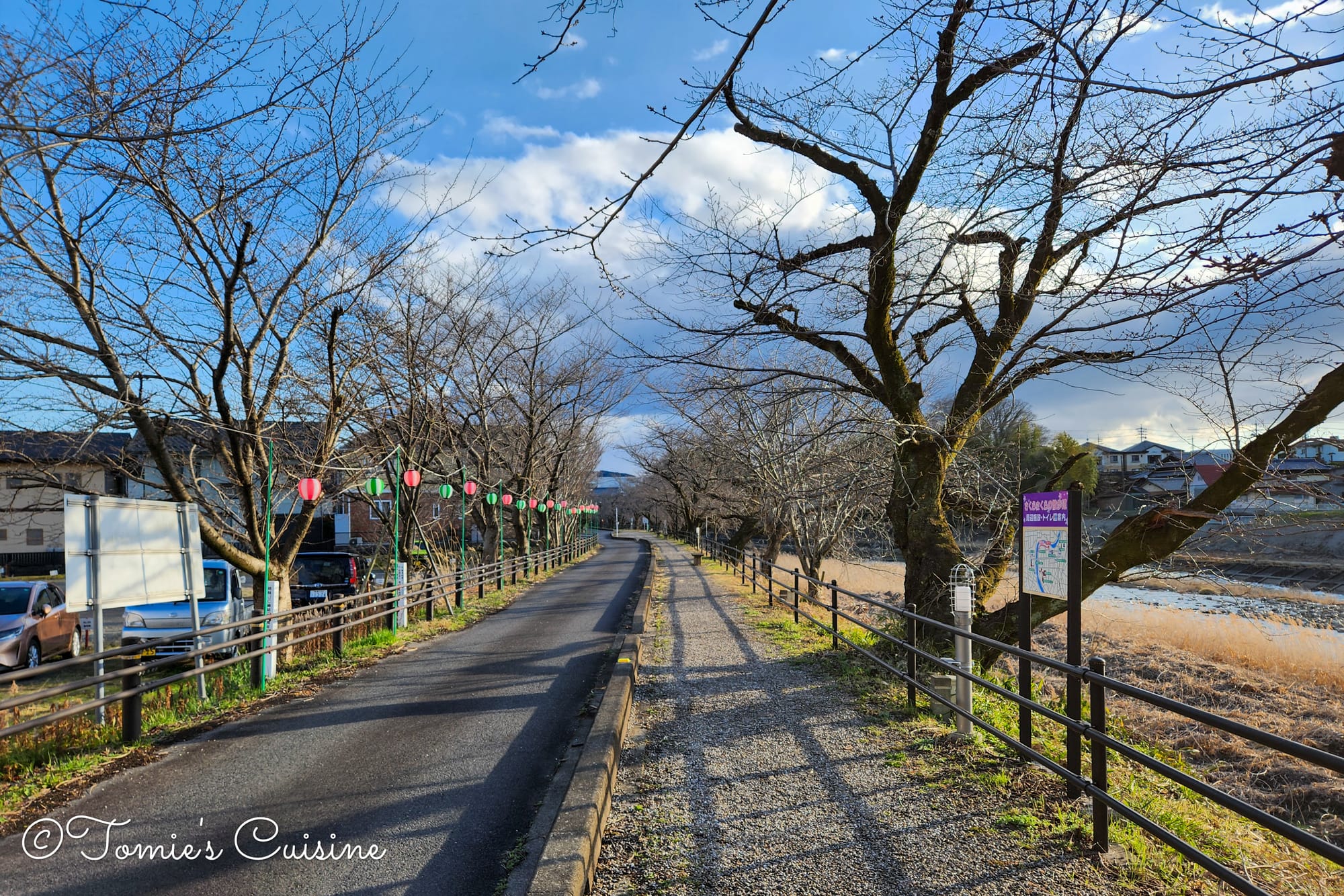
Shops around the Lion Prince Hotel, Mizunami
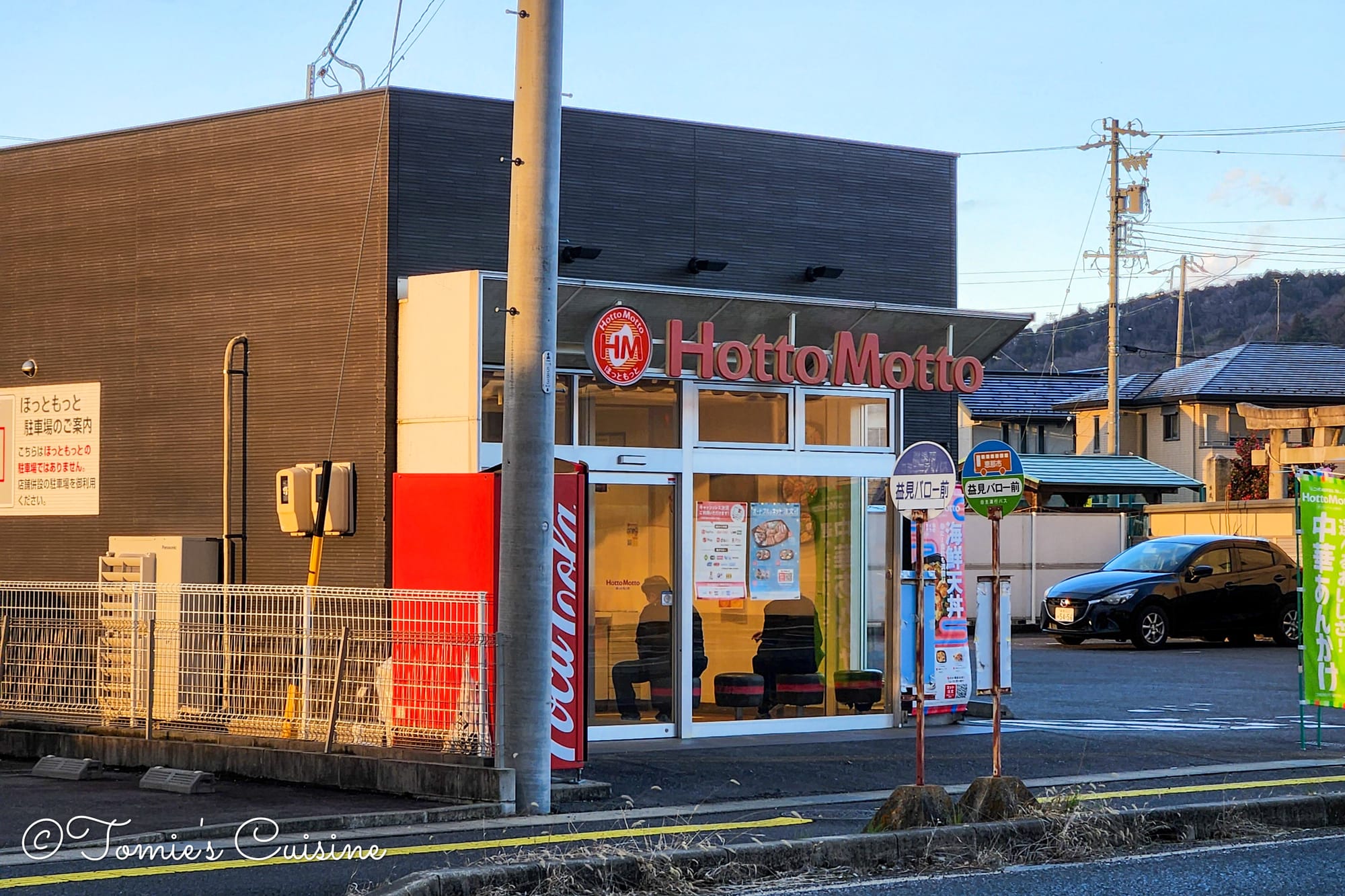
The Hotto Motto chain bento shop.
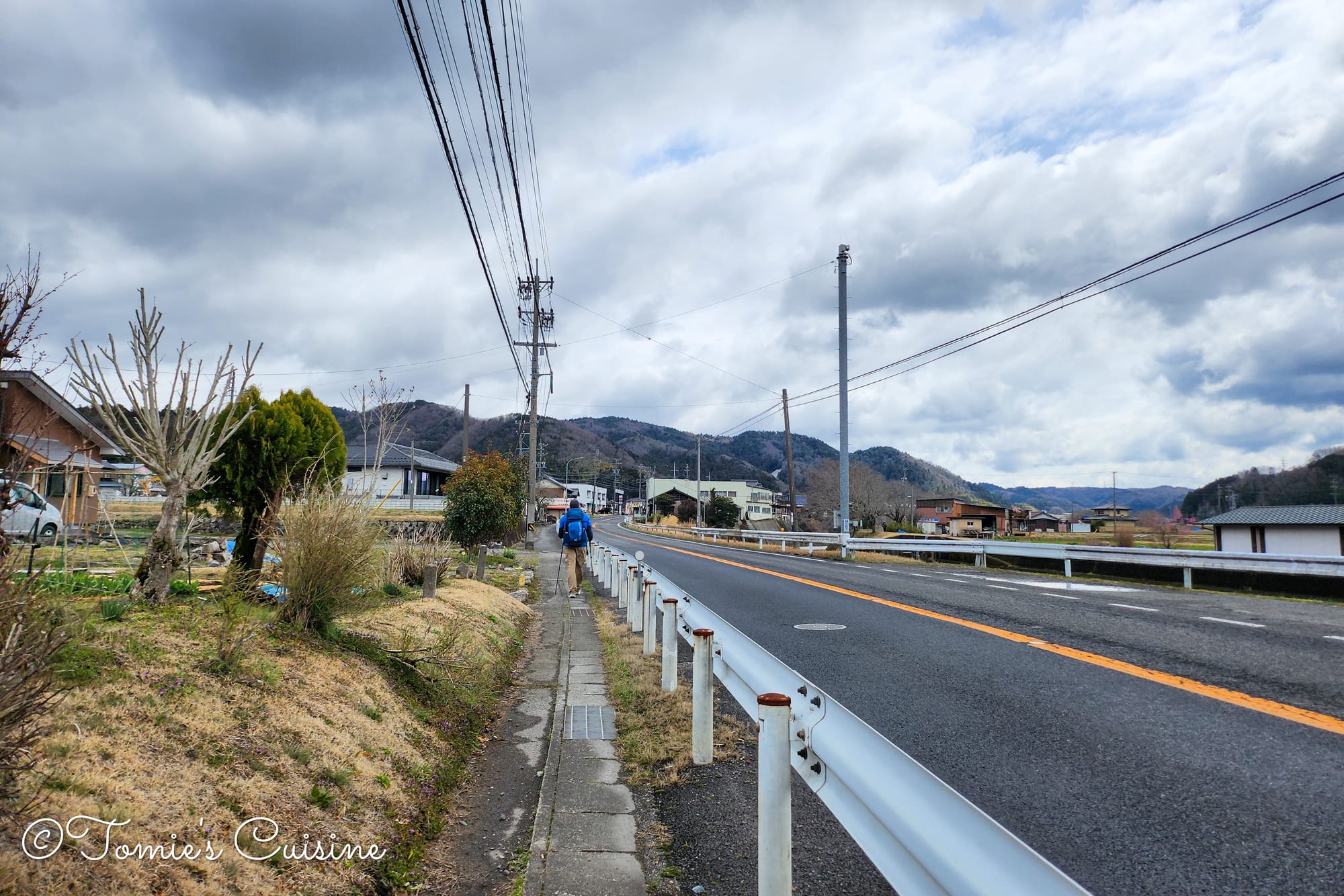
We walk for about 15 minutes to reach the part of town with a supermarket, hardware store, bento shop, convenience store, and a few other restaurants. There are some restaurants around Mizunami Station closer to the hotel, too.
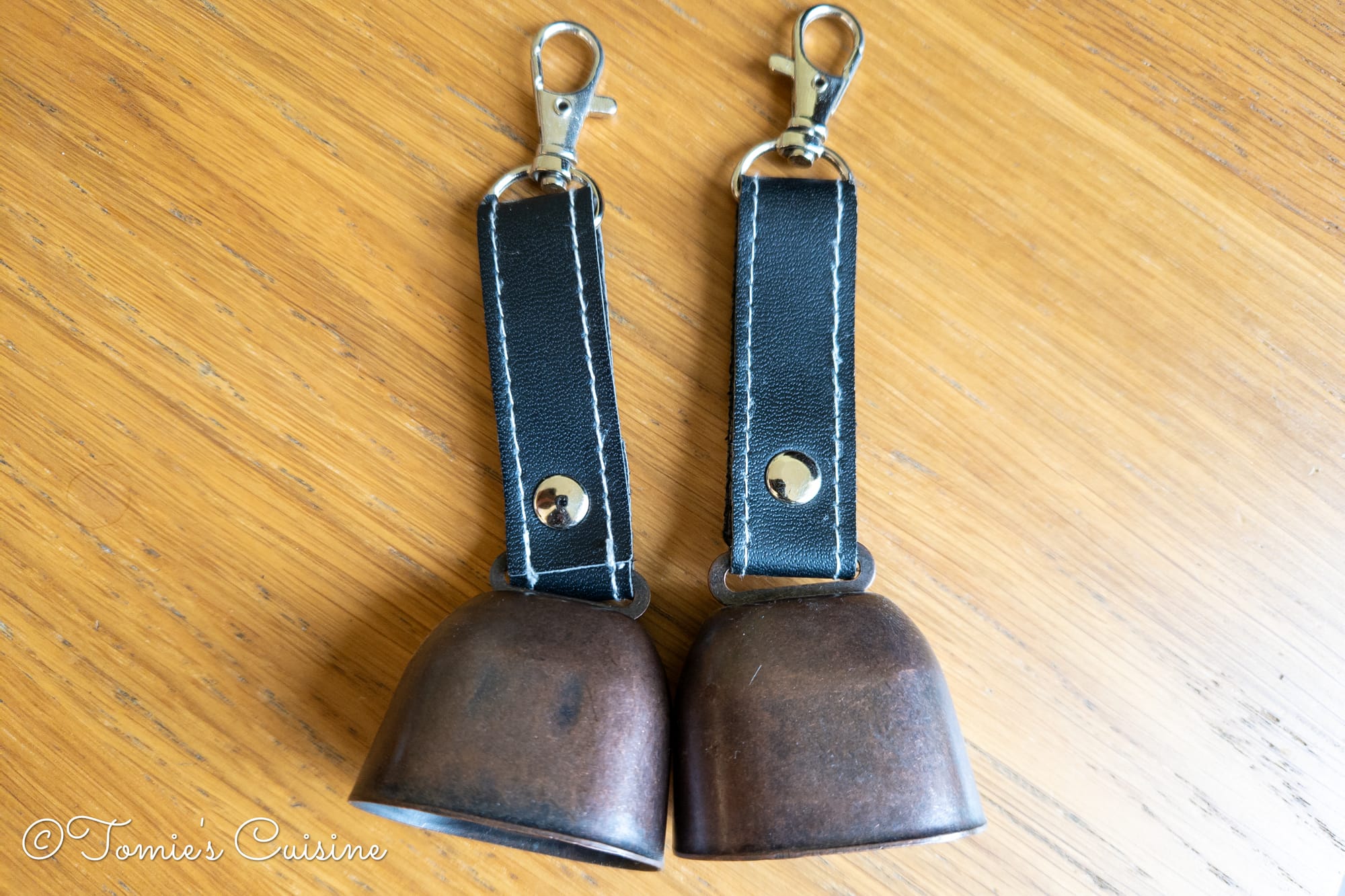
When we went out to get some food from the supermarket and a bento shop, we also stopped by a hardware store to see if they had bear bells. Luckily, they had two left at the outdoor activity section!
The end of the day
We were delighted that everything went smoothly on day 7, and even more so to finally find the bear bells. It was a shorter day than the others, but the combination of cold, wind, rain and the climb makes it feel every bit as demanding. It shows just how important our choice of equipment is; these waterproof socks were perfect for this kind of day.
While at the supermarket, we also bought some doughnuts from Mister Donut, which was the cherry on top (at least for me).
Tomorrow we head back to Hosokute by taxi and walk to Oi Post Town. It's another stretch through deep countryside, and there's a Nakasendo Museum there that we've been looking forward to since Day 1.
Subscribe to our free newsletter today so you don’t miss when we post Day 8. You’ll also unlock our free, offline track covering the entire Nakasendo for our subscribers, so you know exactly where to go if you visit Japan! If you have any questions or would like to see early photos of Nakasendo, feel free to visit our Instagram, Pinterest, or Facebook page. We’re happy to answer any inquiries!
This post is for subscribers only
Sign up now to read the post and get access to the full library of posts for subscribers only.